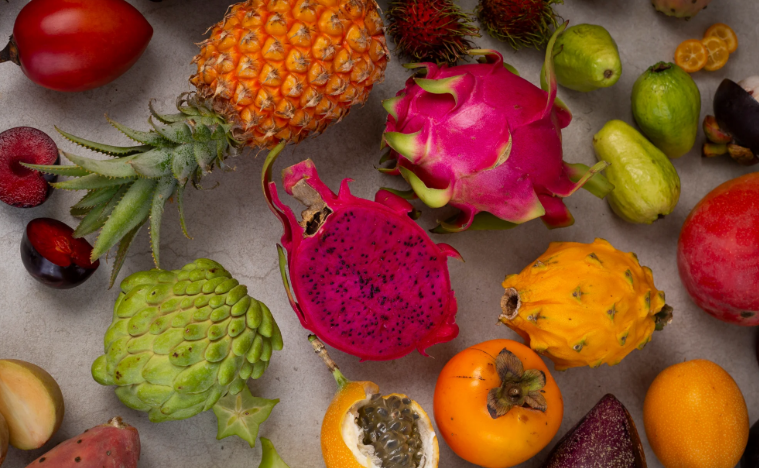
Exotic fruits are fascinating varieties that originate from tropical, subtropical, or remote regions and are often unfamiliar outside their native habitats. They come in an incredible range of colors, shapes, sizes, textures, and flavors, from creamy and sweet to tangy, sour, or even slightly savory. While some exotic fruits have become common in international supermarkets, many are still regional specialties that offer unique culinary experiences and cultural significance.
Most exotic fruits thrive in warm climates with abundant sunshine and consistent rainfall. Tropical regions of South America, Southeast Asia, Africa, Oceania, and the Caribbean are home to hundreds of remarkable fruit species. Many grow on evergreen trees, climbing vines, palms, or shrubs, producing harvests that support local communities and contribute to biodiversity. These fruits have adapted to diverse environments, from humid rainforests to dry tropical woodlands.
Exotic fruits are not only prized for their unusual flavors but also for their impressive nutritional value. Many are rich in vitamin C, vitamin A, dietary fiber, potassium, antioxidants, and beneficial plant compounds that support overall health. Some have been used for centuries in traditional medicine, while others are gaining popularity worldwide as so-called “superfruits” because of their high antioxidant content and potential health benefits.
Today, global trade has made many exotic fruits more accessible than ever before. Fruits once found only in local markets can now be purchased in supermarkets around the world or grown in home gardens in suitable climates. Whether eaten fresh, blended into smoothies, made into desserts, preserved as jams, or used in savory dishes, exotic fruits offer endless opportunities to discover new flavors and appreciate the remarkable diversity of nature.
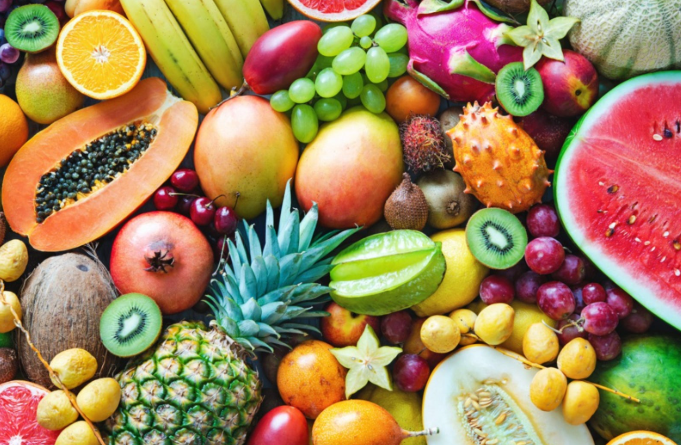
Exotic Fruits
1. Dragon Fruit
Dragon fruit (Selenicereus undatus), also known as pitaya, is one of the world’s most recognizable exotic fruits thanks to its bright pink or yellow skin covered with leafy scales. Native to Central America but now widely cultivated throughout Asia, it has white or deep red flesh speckled with tiny black seeds. The flavor is mildly sweet, often compared to a blend of kiwi and pear. Dragon fruit is rich in vitamin C, fiber, magnesium, and antioxidants. It is commonly eaten fresh, blended into smoothies, added to fruit salads, or used as an attractive garnish because of its vibrant appearance.
2. Mangosteen
Often called the “Queen of Fruits,” mangosteen (Garcinia mangostana) is native to Southeast Asia. It has a thick purple rind that protects soft, snow-white segments of juicy flesh inside. The taste is exceptionally sweet with subtle citrus and peach-like notes balanced by mild acidity. Mangosteen contains vitamin C, manganese, fiber, and antioxidant compounds known as xanthones. Because of its delicate texture and refreshing flavor, it is usually eaten fresh, although it is also used in desserts, beverages, and preserves.
3. Rambutan
Rambutan (Nephelium lappaceum) is closely related to lychee and longan. The fruit is easily recognized by its hairy red or yellow shell, which encloses translucent white flesh surrounding a single seed. Native to Malaysia and Indonesia, rambutan has a sweet, juicy flavor with hints of grapes and pears. It is an excellent source of vitamin C, copper, and antioxidants. The fruit is most often enjoyed fresh but can also be canned, added to fruit salads, or incorporated into desserts.
4. Durian
Known as the “King of Fruits,” durian (Durio zibethinus) is famous for its large size, thorn-covered shell, and powerful aroma. Native to Southeast Asia, the creamy flesh has a rich texture similar to custard and a flavor that people describe as a mixture of almonds, caramel, vanilla, and onions. While its smell is controversial, durian is highly nutritious, providing fiber, healthy fats, potassium, B vitamins, and antioxidants. It is commonly eaten fresh or used in ice cream, pastries, candies, and traditional desserts.
5. Jackfruit
Jackfruit (Artocarpus heterophyllus) is the largest tree-borne fruit in the world, with some fruits weighing over 80 pounds (36 kg). Native to India and Southeast Asia, ripe jackfruit has sweet yellow bulbs with flavors resembling banana, pineapple, and mango. Unripe jackfruit has a neutral taste and a meat-like texture, making it popular as a plant-based meat substitute. Jackfruit is rich in vitamin C, potassium, fiber, and various antioxidants.
6. Star Fruit
Star fruit (Averrhoa carambola), also known as carambola, is named for the distinctive star shape revealed when sliced crosswise. Native to Southeast Asia, the fruit has glossy yellow skin and crisp, juicy flesh with a flavor combining apple, grape, and citrus notes. It is commonly eaten fresh, juiced, or used as a decorative garnish. Star fruit supplies vitamin C, fiber, and antioxidants, although individuals with kidney disease should avoid excessive consumption because it contains naturally occurring oxalates.
7. Passion Fruit
Passion fruit (Passiflora edulis) is a tropical vine fruit with a tough purple or yellow rind surrounding aromatic orange pulp filled with edible crunchy seeds. Native to South America, it has an intensely sweet-tart flavor that enhances beverages, desserts, yogurts, sauces, and fruit salads. Passion fruit is particularly rich in vitamin C, vitamin A, fiber, and beneficial antioxidants that support overall health.
8. Lychee
Lychee (Litchi chinensis) originated in southern China and has been cultivated for over 2,000 years. The fruit has rough pink-red skin that peels away easily to reveal juicy translucent flesh surrounding a shiny brown seed. Lychees have an intensely sweet floral flavor with hints of grapes and roses. They are commonly eaten fresh or canned and are also used in juices, cocktails, desserts, and fruit salads.
9. Longan
Longan (Dimocarpus longan) is a close relative of lychee but has smooth tan-colored skin instead of a rough shell. The translucent flesh surrounds a glossy black seed, giving the fruit the nickname “dragon’s eye.” Native to China and Southeast Asia, longans have a sweet honey-like flavor and are enjoyed fresh, dried, or incorporated into soups and desserts. They are a good source of vitamin C and antioxidants.
10. Sapodilla
Sapodilla (Manilkara zapota) is native to southern Mexico and Central America. It has rough brown skin and soft brown flesh with a flavor often compared to brown sugar, pear, and caramel. The fruit becomes exceptionally sweet when fully ripe and is commonly eaten fresh or blended into milkshakes and desserts. Sapodilla also provides dietary fiber, potassium, and vitamin C.
11. Cherimoya
Cherimoya (Annona cherimola) is sometimes called the “custard apple” because of its creamy texture. Native to the Andes of South America, it has green scaly skin and fragrant white flesh containing numerous black seeds. The flavor is often described as a delicious combination of banana, pineapple, papaya, and strawberry. Cherimoya is highly nutritious, providing fiber, vitamin C, potassium, and several B vitamins.
12. Salak (Snake Fruit)
Salak (Salacca zalacca), commonly known as snake fruit, is named after its reddish-brown scaly skin that resembles snake scales. Native to Indonesia, the fruit contains crisp cream-colored flesh with a unique sweet, tangy, and slightly nutty flavor. Depending on the variety, it may taste like a mixture of apple, pineapple, and banana. It is commonly eaten fresh and is rich in potassium, fiber, and antioxidants.
13. Soursop
Soursop (Annona muricata), also known as graviola, is a large green fruit covered with soft spines. Native to tropical America, its white fibrous flesh combines sweet and tart flavors reminiscent of pineapple, strawberry, citrus, and banana. Soursop is commonly used to make juices, smoothies, ice cream, candies, and desserts. It is an excellent source of vitamin C and dietary fiber.
14. Breadfruit
Breadfruit (Artocarpus altilis) originated in the Pacific Islands and is an important staple food throughout many tropical regions. Although technically a fruit, it is usually cooked like a vegetable. Mature breadfruit has a potato-like texture and a mild flavor that works well in roasting, frying, steaming, and curries. It provides complex carbohydrates, fiber, potassium, and vitamin C.
15. Ackee
Ackee (Blighia sapida) is the national fruit of Jamaica and originated in West Africa before being introduced to the Caribbean. When fully ripe, the bright red fruit naturally splits open to reveal creamy yellow flesh surrounding shiny black seeds. Only the ripe flesh is safe to eat, while unripe fruit is toxic. Cooked ackee has a mild buttery flavor and is traditionally served with saltfish in Jamaica’s national dish. It is rich in healthy fats, vitamin C, and several essential minerals.
16. Jabuticaba
Jabuticaba (Plinia cauliflora) is a remarkable Brazilian fruit because it grows directly on the trunk and large branches of the tree rather than on the tips of branches. The round fruits have dark purple to nearly black skin with juicy, translucent white flesh inside. Their flavor is often compared to a combination of grapes, lychees, and plums with a pleasant sweetness and slight acidity. Jabuticabas are commonly eaten fresh soon after harvest since they spoil quickly. They are also made into wines, jams, jellies, juices, and liqueurs. The fruits are rich in vitamin C, antioxidants, and anthocyanins that contribute to their deep color.
17. Cupuaçu
Cupuaçu (Theobroma grandiflorum) is a close relative of cacao and is native to the Amazon rainforest. The large brown fruit has a thick shell that protects fragrant white pulp surrounding numerous seeds. The creamy pulp has an exotic flavor often described as a blend of chocolate, pineapple, banana, melon, and pear. Cupuaçu is widely used in Brazil for making juices, smoothies, ice cream, desserts, candies, and jams. The seeds can even be processed into a chocolate-like product known as cupulate. The fruit is an excellent source of antioxidants, vitamin C, fiber, and healthy plant compounds.
18. Lucuma
Lucuma (Pouteria lucuma) is native to the Andean valleys of Peru, Ecuador, and Chile. It has greenish-brown skin and bright golden-yellow flesh with a dry, creamy texture. Its naturally sweet flavor resembles maple syrup, caramel, sweet potato, and pumpkin, making it especially popular in desserts. Lucuma is commonly blended into ice cream, cakes, smoothies, yogurt, and pastries throughout South America. It contains dietary fiber, beta-carotene, potassium, and several antioxidants that contribute to its nutritional value.
19. Canistel (Egg Fruit)
Canistel (Pouteria campechiana), commonly called egg fruit, has smooth yellow skin and vibrant golden flesh that resembles the texture of a cooked egg yolk. Native to Central America and southern Mexico, the fruit has a mildly sweet flavor with notes of pumpkin, sweet potato, vanilla, and custard. Because of its dry texture, canistel is often blended into milkshakes, smoothies, ice cream, pies, and baked goods rather than eaten alone. It is rich in vitamin A, vitamin C, calcium, and phosphorus.
20. Black Sapote
Black sapote (Diospyros nigra) is sometimes referred to as the “chocolate pudding fruit.” Native to Mexico and Central America, it develops olive-green skin that hides dark brown, creamy flesh inside when fully ripe. Although it tastes mildly sweet with hints of chocolate, caramel, and dates, it contains no actual cocoa. Black sapote is commonly used in healthy desserts, puddings, smoothies, cakes, and mousses as a nutritious chocolate substitute. It is high in vitamin C, potassium, and dietary fiber while remaining relatively low in fat.
21. White Sapote
White sapote (Casimiroa edulis) originated in the highlands of Mexico and Central America. Its thin greenish-yellow skin encloses soft white or pale yellow flesh with a custard-like consistency. The flavor has been compared to banana, peach, pear, vanilla, and citrus. The fruit is delicious when eaten fresh but is also used in smoothies, ice cream, jams, and fruit salads. White sapote provides vitamin C, potassium, fiber, and various antioxidants that support good health.
22. Santol
Santol (Sandoricum koetjape) is native to Southeast Asia and produces round fruits with thick yellow or reddish skin. Inside are white, cottony segments surrounding several seeds. Depending on the variety, santol may be pleasantly sweet, sweet-tart, or slightly sour. It is frequently eaten fresh with salt, preserved as candy, or cooked into jams and traditional dishes. Santol contains vitamin C, dietary fiber, calcium, and iron while being highly valued throughout the Philippines, Thailand, Malaysia, and Indonesia.
23. Langsat
Langsat (Lansium parasiticum) grows in clusters on tall tropical trees throughout Southeast Asia. The small fruits have thin yellowish-brown skin that peels easily to reveal translucent white segments resembling garlic cloves. Langsat has a refreshing balance of sweetness and acidity, making it an excellent snack during hot weather. It is commonly eaten fresh and sometimes preserved in syrup or used in desserts. The fruit supplies vitamin C, phosphorus, fiber, and antioxidants.
24. Pulasan
Pulasan (Nephelium mutabile) is closely related to rambutan but generally has thicker skin covered with shorter, blunt spines. Native to Malaysia and neighboring countries, it contains juicy translucent flesh that easily separates from the seed. Many people consider pulasan sweeter and richer in flavor than rambutan, with subtle berry-like notes. The fruit is enjoyed fresh and occasionally incorporated into desserts and beverages. Pulasan also provides vitamin C and beneficial antioxidants.
25. Miracle Fruit
Miracle fruit (Synsepalum dulcificum) is native to West Africa and is famous for its unusual ability to temporarily alter taste perception. The small red berries contain a protein called miraculin that causes sour foods such as lemons and limes to taste remarkably sweet for up to an hour. Although the berry itself has only a mildly sweet flavor, it is widely used in “taste-tripping” events and scientific research. Miracle fruit is also a source of vitamin C and antioxidants.
26. Bael Fruit
Bael (Aegle marmelos) is a sacred fruit native to India and much of South Asia. It has a hard woody shell that protects fragrant orange pulp filled with seeds. The pulp has a sweet, aromatic flavor reminiscent of marmalade, honey, and citrus. Bael is commonly consumed fresh or prepared as refreshing beverages, jams, candies, and traditional herbal remedies. It is highly valued for its fiber content, vitamin C, and long history of use in Ayurvedic medicine.
27. Baobab Fruit
Baobab (Adansonia digitata) grows on Africa’s iconic baobab trees. The oval fruits have a hard shell containing dry, naturally powdered pulp surrounding dark seeds. The pulp has a pleasantly tangy flavor similar to citrus with hints of pear. Because it is naturally dry, baobab is often mixed into smoothies, yogurt, cereals, juices, and nutritional supplements. It contains exceptionally high levels of vitamin C, calcium, potassium, fiber, and antioxidants.
28. Monstera Fruit
The fruit of Monstera deliciosa, often called the Swiss cheese plant, is native to Central America. When fully ripe, the elongated fruit develops a unique flavor that combines pineapple, banana, mango, and jackfruit. It must be allowed to ripen completely because unripe portions contain irritating calcium oxalate crystals. The sweet flesh is enjoyed fresh or added to desserts and fruit salads. Monstera fruit also supplies vitamin C, potassium, and dietary fiber.
29. Noni
Noni (Morinda citrifolia) is a tropical fruit native to Southeast Asia and the Pacific Islands. The pale yellow fruit has a distinctive aroma and a bitter taste that many people find challenging. Despite its flavor, noni has long been used in traditional Polynesian medicine and is commonly processed into juices and dietary supplements. It contains vitamin C, potassium, antioxidants, and numerous phytochemicals that continue to attract scientific interest.
30. Pandanus Fruit (Hala Fruit)
Pandanus fruit (Pandanus tectorius), also called hala fruit, grows on screw pine trees throughout the Pacific Islands. The large fruit resembles a bright orange pineapple made up of numerous wedge-shaped segments called keys. Each segment contains fibrous, edible pulp with a mildly sweet flavor. Traditionally, the fruit is chewed to extract the juice or cooked into various dishes. Pandanus fruit provides carbohydrates, vitamin C, beta-carotene, and dietary fiber while serving as an important food source in many island communities.
31. Açaí Berry
Açaí (Euterpe oleracea) is a small, dark purple fruit that grows on palm trees native to the Amazon rainforest. Although the berry contains relatively little edible flesh because of its large seed, it is prized for its rich nutritional profile and deep, earthy flavor with notes of blackberry and dark chocolate. Açaí is rarely eaten fresh outside its growing regions because it spoils quickly. Instead, it is commonly frozen into purée and used in smoothie bowls, juices, sorbets, and desserts. It is an excellent source of antioxidants, healthy fats, fiber, and essential minerals.
32. Acerola
Acerola (Malpighia emarginata), also known as the Barbados cherry or West Indian cherry, is native to the Caribbean, Central America, and northern South America. The bright red fruit resembles a small cherry but has a tart-sweet flavor similar to a blend of apple, cranberry, and citrus. Acerola is celebrated for its exceptionally high vitamin C content, often containing many times more vitamin C than oranges. It is widely used in juices, jams, smoothies, dietary supplements, and fruit preserves.
33. Camu Camu
Camu camu (Myrciaria dubia) grows naturally along flooded riverbanks in the Amazon Basin. The small reddish-purple berries have an intensely sour taste that makes them unsuitable for eating fresh in large quantities. Instead, they are processed into juices, powders, capsules, and nutritional supplements. Camu camu is considered one of the richest natural sources of vitamin C and also supplies antioxidants, amino acids, and various beneficial plant compounds.
34. Tamarillo
Tamarillo (Solanum betaceum), often called the tree tomato, is native to the Andes of South America. The egg-shaped fruits may be red, orange, or yellow depending on the variety. Their juicy flesh offers a pleasant balance of sweetness and acidity, with flavors reminiscent of tomato, passion fruit, and berries. Tamarillos are commonly eaten fresh after peeling or used in salads, chutneys, sauces, desserts, and juices. They provide vitamin C, vitamin A, potassium, and dietary fiber.
35. Pepino Melon
Pepino melon (Solanum muricatum) is native to the Andean regions of Peru and Colombia. The smooth, oval fruits ripen to creamy yellow with attractive purple stripes. Their juicy flesh has a refreshing flavor often compared to cantaloupe, honeydew melon, cucumber, and pear. Pepino melons are typically enjoyed fresh, added to fruit salads, blended into smoothies, or served as a light dessert. They are low in calories while supplying vitamin C, potassium, and antioxidants.
36. Marang
Marang (Artocarpus odoratissimus) is a tropical fruit closely related to jackfruit and breadfruit. Native to Borneo and the Philippines, it has a green spiny exterior and soft white segments inside. The flesh is creamy and aromatic with a sweet flavor resembling banana, vanilla, and custard. Marang is usually eaten fresh because it has a very short shelf life. It provides carbohydrates, vitamin C, potassium, and dietary fiber.
37. Cempedak
Cempedak (Artocarpus integer) is another close relative of jackfruit that grows throughout Southeast Asia. Although smaller than jackfruit, it has a stronger aroma and richer flavor. The soft yellow flesh tastes like a combination of banana, mango, durian, and custard. The fruit is enjoyed fresh, while the edible seeds are often boiled or roasted. In many countries, the fleshy segments are battered and deep-fried as a popular street food.
38. Bignay
Bignay (Antidesma bunius) is a tropical berry native to Southeast Asia and northern Australia. The fruits grow in long hanging clusters, gradually changing from green to red and finally deep purple when ripe. Fully ripe berries have a pleasant sweet-tart flavor, while immature fruits are highly acidic. Bignay is widely used to prepare wines, juices, jams, jellies, syrups, and vinegar. The fruit contains vitamin C, iron, calcium, and beneficial antioxidants.
39. Mammee Apple
Mammee apple (Mammea americana) is native to the Caribbean and tropical America despite not being related to true apples. The large, round fruit has thick brown skin surrounding fragrant orange flesh. Its sweet flavor combines notes of apricot, mango, peach, and citrus. Mammee apple is commonly eaten fresh or incorporated into desserts, jams, ice cream, and beverages. It provides vitamin C, vitamin A, fiber, and several important minerals.
40. Mamey Sapote
Mamey sapote (Pouteria sapota) is a large tropical fruit native to Central America. Beneath its rough brown skin lies vibrant salmon-orange flesh with a creamy texture and a flavor often described as a blend of sweet potato, pumpkin, almond, vanilla, and honey. Mamey is popular in milkshakes, smoothies, ice cream, pies, and pastries. It is rich in vitamin A, vitamin C, potassium, fiber, and antioxidants.
41. Abiu
Abiu (Pouteria caimito) originates in the Amazon Basin and produces smooth, bright yellow fruits with translucent white flesh. The sweet pulp has a jelly-like texture and a flavor similar to caramel, vanilla, and custard. Abiu is usually eaten fresh by cutting it in half and scooping out the flesh with a spoon. It also works well in smoothies and fruit desserts. The fruit supplies vitamin C, calcium, phosphorus, and dietary fiber.
42. Ice Cream Bean
Ice cream bean (Inga edulis) grows on large tropical trees throughout South America. Its long green pods contain fluffy white pulp surrounding glossy black seeds. The soft pulp has a delicate sweetness with a flavor remarkably similar to vanilla ice cream or cotton candy. It is enjoyed fresh directly from the pod, while the seeds can be cooked and eaten like beans. Ice cream bean is a source of fiber, vitamin C, and essential minerals.
43. Finger Lime
Finger lime (Citrus australasica) is native to the rainforests of eastern Australia. Instead of conventional citrus segments, the elongated fruits contain tiny juice-filled vesicles that resemble caviar. These flavorful pearls burst in the mouth with refreshing citrus notes, making finger lime a favorite ingredient among chefs. It is widely used to garnish seafood, salads, desserts, cocktails, and gourmet dishes. The fruit provides vitamin C and antioxidant compounds typical of citrus fruits.
44. Buddha’s Hand
Buddha’s hand (Citrus medica var. sarcodactylis) is an unusual citron known for its finger-like segments that resemble an open hand. Unlike most citrus fruits, it contains very little pulp or juice. Instead, it is prized for its highly fragrant peel, which is used to flavor desserts, candies, baked goods, teas, and liqueurs. The aromatic rind is rich in essential oils and has long been valued in Chinese and Japanese culture as a symbol of good fortune.
45. Gac Fruit
Gac (Momordica cochinchinensis) is a bright orange-red fruit native to Vietnam and neighboring Southeast Asian countries. Its spiny outer shell encloses deep red pulp surrounding large seeds. The pulp is exceptionally rich in beta-carotene and lycopene, giving it one of the highest antioxidant contents among fruits. Gac has a mild flavor and is commonly mixed into sticky rice, smoothies, juices, and nutritional products. It is increasingly recognized worldwide for its outstanding nutritional benefits.
46. Kiwano (Horned Melon)
Kiwano (Cucumis metuliferus), commonly known as the horned melon or African horned cucumber, is native to sub-Saharan Africa. Its bright orange-yellow rind is covered with distinctive spiky horns, making it one of the most unusual-looking fruits in the world. Inside, the fruit contains vibrant green, jelly-like flesh filled with edible seeds. The flavor is mildly sweet and refreshing, often described as a combination of cucumber, kiwi, banana, and lime. Kiwano is commonly eaten fresh by scooping out the pulp or added to fruit salads, smoothies, cocktails, and desserts. It is a good source of vitamin C, magnesium, potassium, and antioxidants.
47. Spanish Lime
Spanish lime (Melicoccus bijugatus), also known as quenepa, genip, or mamoncillo, is native to northern South America and the Caribbean. The small green fruits have a thin, leathery shell that cracks open easily to reveal juicy orange or salmon-colored flesh surrounding a large seed. The pulp has a sweet-tart flavor reminiscent of lychee, lime, and apricot. Spanish limes are enjoyed fresh, made into beverages, or preserved in syrups and desserts. They provide vitamin C, phosphorus, calcium, and dietary fiber.
48. Bilimbi
Bilimbi (Averrhoa bilimbi) is a close relative of star fruit and is native to Southeast Asia. The slender green fruits grow directly on the trunk and larger branches of the tree in dense clusters. Bilimbi has an intensely sour flavor that makes it unsuitable for eating raw in large amounts, but it is highly valued in cooking. It is used in curries, chutneys, pickles, sauces, and refreshing beverages. Rich in vitamin C and antioxidants, bilimbi also has a long history in traditional medicine.
49. Ambarella
Ambarella (Spondias dulcis), also known as June plum or golden apple, is believed to have originated in Melanesia before spreading throughout tropical regions. The oval fruits ripen from green to golden yellow and have crisp, juicy flesh with a flavor that ranges from tart to pleasantly sweet. Ambarella is enjoyed fresh with salt or chili, blended into juices, cooked into jams, or added to salads. It contains vitamin C, dietary fiber, potassium, and antioxidants.
50. Indian Gooseberry (Amla)
Indian gooseberry (Phyllanthus emblica), commonly known as amla, is native to India and surrounding parts of Asia. The small pale green fruits are famous for their extremely tart and astringent taste, followed by a surprisingly sweet aftertaste. Amla is one of the richest natural sources of vitamin C and has been used for centuries in Ayurvedic medicine. It is commonly eaten pickled, candied, dried, juiced, or incorporated into herbal preparations. The fruit is also valued for its high antioxidant content.
51. Governor’s Plum
Governor’s plum (Flacourtia indica) is native to Africa and tropical Asia. The small, round fruits ripen from green to deep purple or nearly black and resemble cherries or small plums. Their flavor varies from pleasantly tart to sweet depending on ripeness. Governor’s plums are commonly eaten fresh or transformed into jams, jellies, syrups, and wines. The fruits contain vitamin C, iron, calcium, and beneficial antioxidants that contribute to their nutritional value.
52. Velvet Apple
Velvet apple (Diospyros blancoi), also known as mabolo, is native to the Philippines. The fruit is easily recognized by its reddish-brown, velvety skin that covers soft white to creamy flesh. When ripe, velvet apple has a sweet flavor with hints of banana, peach, and persimmon. Some fruits produce a distinctive aroma before ripening, but the flesh itself is pleasantly mild. It is usually eaten fresh or incorporated into desserts and preserves. The fruit provides vitamin C, fiber, and several essential minerals.
53. Kei Apple
Kei apple (Dovyalis caffra) is indigenous to southern Africa and grows on thorny shrubs that are often used as living fences. The bright yellow fruits have juicy flesh with a pleasantly tart flavor similar to apricot and citrus. Because of their acidity, Kei apples are frequently made into jams, jellies, sauces, desserts, and beverages rather than eaten fresh. They are rich in vitamin C and have excellent pectin content, making them particularly suitable for preserves.
54. Barbadine (Giant Granadilla)
Barbadine (Passiflora quadrangularis), also known as giant granadilla, is the largest member of the passion fruit family. Native to tropical America, the fruit can grow over 12 inches (30 cm) long. Its thick yellow-green rind encloses fragrant white pulp and edible seeds with a mildly sweet flavor. Barbadine is commonly used in fruit juices, desserts, ice cream, jams, and refreshing drinks. It supplies vitamin C, vitamin A, dietary fiber, and potassium.
55. Imbe
Imbe (Garcinia livingstonei), sometimes called African mangosteen, is native to eastern and southern Africa. The small orange fruits have thin skin surrounding juicy flesh with a pleasantly sweet and tangy flavor. Imbe is commonly eaten fresh, although it can also be made into jams, juices, and preserves. The fruit is valued for its vitamin C content and adaptability to dry tropical climates, making it a useful fruit tree in many African landscapes.
56. Marula
Marula (Sclerocarya birrea) is one of Africa’s most famous indigenous fruits. The small yellow fruits fall from large deciduous trees and have juicy white flesh with a unique sweet-tart flavor. Marula fruits are eaten fresh, fermented into traditional beverages, or processed into juices, jams, and the well-known Amarula cream liqueur. They are rich in vitamin C, potassium, antioxidants, and healthy plant compounds. The seeds inside the fruit are also edible and highly nutritious.
57. Desert Lime
Desert lime (Citrus glauca) is native to the arid regions of Australia, where it has adapted to survive prolonged drought. The small green or yellow fruits have a sharp citrus flavor that makes them excellent for marmalades, sauces, beverages, and gourmet cooking. Desert limes are increasingly cultivated for commercial production because of their exceptional drought tolerance. Like other citrus fruits, they provide vitamin C, antioxidants, and aromatic essential oils.
58. Illawarra Plum
Illawarra plum (Podocarpus elatus) is an ancient rainforest fruit native to eastern Australia. The dark purple fruits have soft flesh with a sweet, resinous flavor that combines notes of plum, grape, and berry. They are increasingly used by chefs to prepare sauces, chutneys, desserts, jams, and gourmet preserves. Illawarra plums contain anthocyanins, antioxidants, vitamin C, and other beneficial plant compounds.
59. Beach Cherry
Beach cherry (Eugenia reinwardtiana) is native to northern Australia and several Pacific islands. The small bright red fruits resemble cherries and have juicy flesh with a pleasantly sweet flavor balanced by mild acidity. They are enjoyed fresh or transformed into jams, jellies, pies, sauces, and beverages. Beach cherries provide vitamin C, antioxidants, and dietary fiber while attracting birds and pollinators to tropical gardens.
60. Rose Apple
Rose apple (Syzygium jambos) is native to Southeast Asia but is now cultivated throughout tropical regions worldwide. The bell-shaped fruits have thin yellow, pink, or pale green skin surrounding crisp white flesh. Their delicate flavor is mildly sweet with distinctive floral notes reminiscent of roses, apples, and pears. Rose apples are commonly eaten fresh, added to fruit salads, or made into juices, jams, and desserts. They are a good source of vitamin C, dietary fiber, and antioxidants, making them a refreshing conclusion to the remarkable diversity of exotic fruits found around the world.
61. Yangmei (Chinese Bayberry)
Yangmei (Morella rubra), also known as Chinese bayberry or yumberry, is native to eastern Asia, particularly China and Japan. The round fruits have a distinctive bumpy surface and ripen from bright red to deep purple. Their juicy flesh offers a refreshing balance of sweetness and tartness, with flavors reminiscent of strawberry, raspberry, and pomegranate. Yangmei is commonly eaten fresh, dried, canned, or processed into juices, wines, jams, and liqueurs. It is rich in vitamin C, anthocyanins, and antioxidants that contribute to its vibrant color and potential health benefits.
62. Bacupari
Bacupari (Garcinia gardneriana) is a tropical fruit native to Brazil, Paraguay, and northern Argentina. The small yellow-orange fruits have a thick rind surrounding soft white pulp with a sweet-tart flavor similar to mangosteen and citrus. Bacupari is usually enjoyed fresh but is also made into juices, jams, and desserts. The fruit contains vitamin C, fiber, and antioxidant compounds, while the tree is valued for its adaptability to tropical climates.
63. Biribá
Biribá (Annona mucosa) belongs to the custard apple family and is native to the Amazon rainforest. The fruit has yellow skin covered with soft, conical projections and creamy white flesh filled with black seeds. Its rich flavor combines notes of pineapple, banana, lemon, and vanilla. Biribá is best eaten fresh with a spoon but is also blended into smoothies, ice cream, and desserts. It provides vitamin C, potassium, fiber, and several beneficial antioxidants.
64. Bacuri
Bacuri (Platonia insignis) is an Amazonian fruit prized throughout northern Brazil. It has a thick yellow-brown shell that encloses fragrant white pulp with a sweet, slightly acidic flavor often compared to pineapple, pear, and citrus. Bacuri is widely used in juices, candies, jams, ice cream, and pastries. Rich in vitamin C, calcium, phosphorus, and antioxidants, it is considered one of the Amazon’s finest native fruits.
65. Araçá
Araçá (Psidium cattleianum), sometimes called strawberry guava or cattley guava, is native to South America. The small yellow or red fruits resemble miniature guavas and have juicy aromatic flesh with a sweet flavor balanced by pleasant acidity. Araçá is commonly eaten fresh or used to prepare juices, jellies, sauces, and preserves. It is an excellent source of vitamin C, fiber, and antioxidants.
66. Cagaita
Cagaita (Eugenia dysenterica) grows naturally in Brazil’s Cerrado savanna. The round yellow fruits have soft, juicy flesh with a refreshing sweet-tart flavor. Because the ripe fruits are highly perishable, they are often processed into juices, ice cream, jams, and liqueurs shortly after harvesting. Cagaita supplies vitamin C, dietary fiber, calcium, and antioxidant compounds that support overall health.
67. Uvaia
Uvaia (Eugenia pyriformis) is another native Brazilian fruit recognized by its bright yellow skin and intensely fragrant aroma. The juicy flesh has a pleasantly acidic flavor that resembles apricot, citrus, and tropical fruits. Uvaia is frequently made into juices, smoothies, jellies, and desserts rather than eaten fresh because of its tartness. It is rich in vitamin C and natural antioxidants.
68. Surinam Cherry
Surinam cherry (Eugenia uniflora), also called pitanga, is native to South America. Its deeply ribbed fruits ripen from green to orange, bright red, or nearly black. Depending on the variety, the flavor ranges from sweet to sweet-tart with subtle resinous notes. Surinam cherries are eaten fresh and are also used in jams, juices, syrups, wines, and desserts. They contain vitamin A, vitamin C, calcium, and antioxidants.
69. Governor’s Plum
Governor’s plum (Flacourtia indica) is widely distributed across tropical Africa and Asia. The glossy fruits mature from green to dark red or purple-black and develop a pleasant balance of sweetness and acidity as they ripen. They are enjoyed fresh or transformed into jams, jellies, syrups, and fermented beverages. Governor’s plum is valued for its vitamin C, iron, and antioxidant content.
70. Cedar Bay Cherry
Cedar Bay cherry (Eugenia reinwardtiana) is native to Australia’s tropical rainforests. The bright scarlet fruits resemble cherries and contain juicy flesh with a mild sweet flavor and subtle berry notes. They are delicious fresh and are also incorporated into sauces, pies, jams, and gourmet desserts. The fruit provides vitamin C, dietary fiber, and antioxidant compounds while attracting birds and pollinators to native gardens.
71. Ceylon Gooseberry
Ceylon gooseberry (Dovyalis hebecarpa) is native to Sri Lanka and southern India. The round purple fruits have soft, juicy flesh with a tangy-sweet flavor reminiscent of plums and berries. Because of their pleasant acidity, they are frequently made into jams, jellies, sauces, juices, and desserts. The fruits are also a good source of vitamin C and dietary fiber.
72. Wampee
Wampee (Clausena lansium) is native to southern China and northern Vietnam. The grape-sized fruits grow in clusters and ripen to golden yellow or light brown. Their translucent flesh has a refreshing sweet-tart flavor that combines notes of citrus, grapes, and kumquats. Wampee is commonly eaten fresh or processed into juices, preserves, wines, and candies. It supplies vitamin C, potassium, and antioxidants.
73. Otaheite Gooseberry
Otaheite gooseberry (Phyllanthus acidus), also known as star gooseberry, is believed to have originated in Madagascar before spreading throughout tropical Asia and the Caribbean. The pale yellow, ribbed fruits are crisp and intensely sour, making them ideal for pickles, chutneys, preserves, syrups, and candies. Despite their tartness, they are highly valued for their vitamin C content and refreshing acidity.
74. Jungle Jalebi
Jungle jalebi (Pithecellobium dulce), also known as Manila tamarind or Madras thorn, produces twisted pink seed pods containing soft white pulp around shiny black seeds. Native to Central America but widely cultivated in tropical regions, the pulp has a sweet flavor with hints of tamarind and apple. It is commonly eaten fresh and occasionally used in beverages and traditional sweets. The fruit provides vitamin C, calcium, iron, and dietary fiber.
75. Kei Mango
Kei mango (Irvingia gabonensis), more commonly known as African mango or bush mango, is native to the rainforests of West and Central Africa. The green fruits ripen to yellow-orange and contain juicy, fibrous flesh with a flavor similar to mango but with slightly tangier notes. While the flesh is eaten fresh or made into juices and jams, the large seeds are highly prized for producing dika nuts, which are used to thicken soups and stews. African mango is rich in vitamin C, dietary fiber, healthy fats from its seeds, and essential minerals, making it both an important food crop and an economically valuable tree in many African countries.