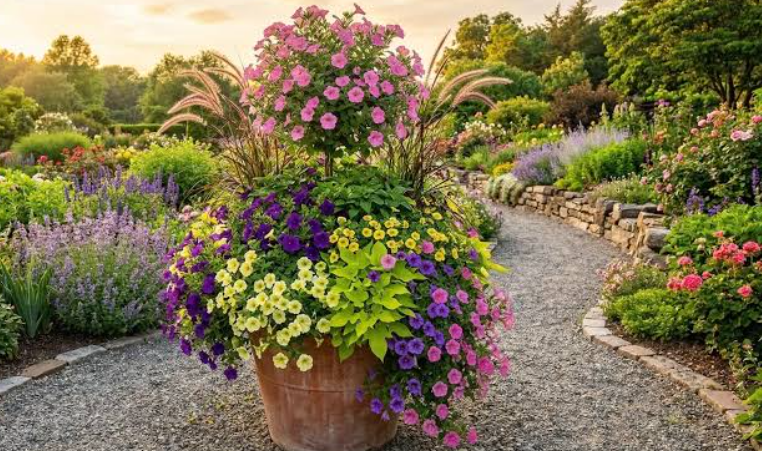
Petunias are among the most popular flowering annuals grown in gardens, containers, and hanging baskets around the world, prized for their trumpet-shaped blooms and nearly endless color range. Native to South America, particularly Argentina, Brazil, Paraguay, and Uruguay, petunias were brought to Europe in the early 1800s and quickly became a garden favorite due to their long blooming season and adaptability. Today, petunias rank among the top five best-selling bedding plants in the United States, with millions of flats sold each spring at nurseries and garden centers.
These plants belong to the nightshade family, sharing distant kinship with tomatoes, peppers, and potatoes. Petunias typically grow between six inches and two feet tall, depending on the variety, and can spread anywhere from one to four feet wide. Breeding programs over the past several decades have produced an enormous range of cultivars, with over 30 million petunia plants estimated to be sold annually in North America alone, making them a staple of summer landscaping.
Petunias thrive in full sun, requiring at least six hours of direct sunlight daily to produce their best blooms. They perform well in USDA hardiness zones 9 through 11 as perennials, though in colder zones they are grown as annuals since they cannot survive frost. A single healthy petunia plant can produce dozens of blooms simultaneously throughout the growing season, which typically runs from late spring until the first frost in autumn.
Modern petunia varieties are generally divided into several major groups, including grandiflora, multiflora, milliflora, and spreading types, each offering different bloom sizes and growth habits. Grandiflora petunias produce the largest flowers, sometimes reaching four inches across, while milliflora types produce smaller, more numerous blooms better suited to compact spaces. With such diversity in size, color, and pattern, petunias remain one of the most versatile flowering plants for gardeners of all skill levels.
Types of Petunias
Wave Petunia
Wave petunias are known for their aggressive spreading habit, with a single plant capable of covering up to 4 feet of ground within a single season. They grow low to the ground, rarely reaching more than 7 inches in height, which makes them a favorite for groundcover plantings and hanging baskets. Wave petunias produce flowers continuously from late spring through the first frost, often generating over 200 blooms per plant when given full sun and regular feeding.
Easy Wave Petunia
Easy Wave petunias were developed as a mounding alternative to the original trailing Wave series, growing in a more compact form while still spreading 2 to 3 feet wide. This type requires less pinching and maintenance than older varieties, making it popular with gardeners who want reliable color without much upkeep. Easy Wave plants typically reach 6 to 10 inches tall and are available in more than 15 color options.
Shock Wave Petunia
Shock Wave petunias produce smaller flowers than standard Wave types, generally under 1.5 inches across, but compensate with an extremely high bloom count, often exceeding 300 flowers per plant. The smaller blooms give the plant a airy, delicate look, and its compact 6 to 8 inch height makes it well suited for container edges and small garden beds. This type also shows strong resistance to heavy rain compared to larger-flowered petunias.
Tidal Wave Petunia
Tidal Wave petunias grow more upright than other Wave types, reaching heights of 12 to 24 inches while still spreading 3 to 4 feet wide. This vertical growth habit makes it useful as a temporary hedge or backdrop planting. Tidal Wave petunias are especially heat tolerant, continuing strong bloom production even when summer temperatures climb above 95 degrees Fahrenheit for extended periods.
Supertunia
Supertunia is a trademarked series known for exceptional vigor, with individual plants capable of producing several thousand flowers over a full growing season. This type self-cleans, meaning spent blooms drop away without deadheading, which reduces maintenance significantly. Supertunias spread 2 to 3 feet and are sold in over 40 color and pattern variations, making them one of the most diverse petunia lines available.
Supertunia Vista
Supertunia Vista is a larger-growing branch of the Supertunia line, with plants capable of spreading up to 5 feet across by mid-summer. This type is prized by landscapers for filling large beds quickly, often covering three times the ground area of a standard petunia within 8 weeks of planting. Its dense growth habit also helps suppress weeds in open garden areas.
Surfinia Petunia
Surfinia petunias were among the first trailing petunia types bred specifically for hanging baskets, originally developed in Japan before spreading to markets worldwide. A single Surfinia plant can trail 3 feet or more over the edge of a container, producing blooms in flushes throughout the season. This type shows above-average resistance to powdery mildew compared to older petunia varieties.
Grandiflora Petunia
Grandiflora petunias are bred for the largest individual flowers of any petunia type, with single blooms often measuring 4 to 5 inches across. The trade-off for this size is reduced flower count and lower tolerance for heavy rain, since the large petals can bruise or tear in storms. Grandiflora types typically grow 12 to 15 inches tall and are favored for container displays where individual blooms take center stage.
Multiflora Petunia
Multiflora petunias produce smaller flowers, generally 2 inches across, but far more of them, with mature plants often carrying 150 or more open blooms at once. This type holds up better in rain and wind than Grandiflora varieties, making it a practical choice for regions with unpredictable summer weather. Multiflora petunias grow in a bushy, rounded form reaching 10 to 12 inches in height.
Milliflora Petunia
Milliflora petunias are the smallest-flowered type in general cultivation, with individual blooms measuring under 1.5 inches across. Despite the small flower size, plants produce an extremely high density of blooms, sometimes exceeding 400 per plant by late summer. Milliflora types stay compact at 6 to 8 inches tall, making them a popular choice for edging and small pots.
Double Petunia
Double petunias feature ruffled, layered petals that mimic the look of a small rose, with each bloom containing 10 or more petal layers compared to the 5 petals of a standard single flower. This type tends to produce fewer total blooms than single-flowered petunias, often around 50 to 80 per plant, since more energy goes into each individual flower. Double petunias also show reduced rain tolerance due to the weight of the extra petals.
Cascadia Petunia
Cascadia petunias are a trailing type bred for uniform, even growth in hanging baskets, with stems extending 2 to 3 feet from the center of the plant. This series was developed with improved branching, resulting in a fuller appearance than older trailing types with roughly 30 percent more stem density. Cascadia petunias bloom heavily from planting through fall, with minimal gaps in flower coverage.
Night Sky Petunia
Night Sky petunias display a deep purple background speckled with white dots, resembling a starry night sky, with each flower showing a unique pattern that changes slightly with temperature fluctuations. Cooler nights tend to produce more white speckling, while warmer weather results in fewer spots per bloom. This type grows 10 to 12 inches tall and spreads about 2 feet.
Pinstripe Petunia
Pinstripe petunias feature narrow, contrasting stripes running from the center of the flower to the petal edges, typically in combinations of purple and white or red and yellow. Each bloom carries between 8 and 10 visible stripes depending on the cultivar. This type grows in a compact, mounding form reaching about 10 inches in height, well suited for containers where the pattern detail can be appreciated up close.
Picotee Petunia
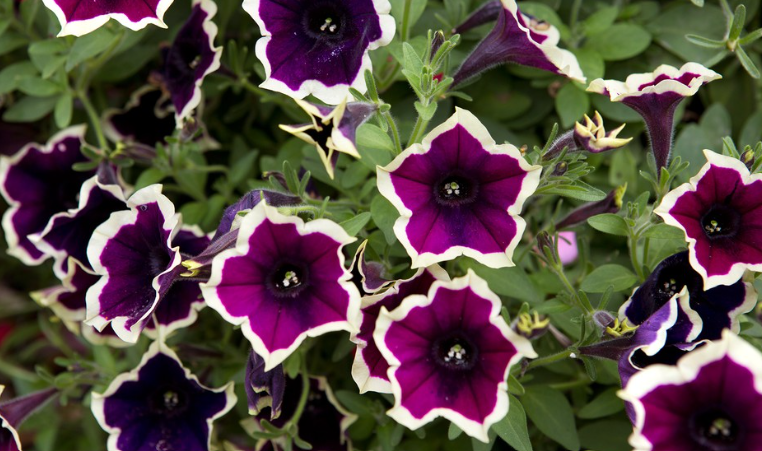
Picotee petunias are defined by a thin, contrasting band of color running along the outer edge of each petal, most commonly white against a darker base color. This edging effect appears on nearly every bloom the plant produces, making it one of the more visually consistent patterned types. Picotee petunias grow 10 to 14 inches tall in an upright, bushy habit.
Frost Petunia
Frost petunias display a white or silvery edge along the petal margins that fades into a solid color toward the center, creating a two-toned appearance often compared to frosted glass. This type tends to hold its pattern well even in high heat, unlike some patterned petunias that fade above 85 degrees Fahrenheit. Frost petunias reach 8 to 12 inches in height with a moderate spreading habit.
Ruffled Petunia
Ruffled petunias have petal edges that curl and wave rather than lying flat, giving each bloom a textured, almost fabric-like appearance. This type is often paired with Grandiflora genetics, resulting in large flowers 3 to 4 inches across with pronounced edge detail. Ruffled petunias grow upright to about 12 inches and perform best with consistent moisture.
Veined Petunia
Veined petunias show dark, branching lines radiating outward from the throat of the flower, similar to the vein pattern found in certain orchids. This netted pattern is most visible on lighter background colors such as pale pink or white. Veined petunias typically reach 10 inches in height and are grown mainly for container and border use.
Star Petunia
Star petunias display a five-pointed star pattern radiating from the flower’s center, usually in a contrasting white against purple, pink, or blue. The star shape remains consistent across nearly all blooms on a healthy plant, making it a reliable pattern type for uniform garden displays. This type grows 8 to 10 inches tall with a compact, rounded shape.
Amore Petunia
Amore petunias are a compact series bred with heart-shaped or star-patterned blooms, often combining two contrasting colors on a single flower. Plants in this series stay especially small, usually under 8 inches tall, making them well suited to window boxes and small containers. Amore petunias are available in more than 10 named pattern varieties.
Crazytunia
Crazytunia is a series built around unusual, bold color combinations not typically found in nature, including near-black petals with neon pink centers. Each variety in the line has a distinct name tied to its color pattern, and the series includes more than 20 unique combinations. Crazytunia plants grow in a mounding habit reaching 10 to 14 inches tall.
Sweetunia
Sweetunia petunias were bred for improved weather resistance, with trial data showing roughly 25 percent better bloom retention after heavy rainfall compared to standard Grandiflora types. This series includes both trailing and mounding forms, spreading anywhere from 18 inches to 3 feet depending on the variety. Sweetunia plants are known for continuous blooming with minimal deadheading required.
Prism Sunshine Petunia
Prism Sunshine is a pale yellow petunia variety, a color that remained difficult for breeders to stabilize for many years due to the genetics involved in yellow pigment production. This type grows 10 to 12 inches tall in a mounding form and holds its color best in partial afternoon shade, since intense sun can fade the yellow tone slightly over the course of a season.
Black Velvet Petunia
Black Velvet petunias produce flowers in the deepest shade of purple-black available in the species, with petals that appear almost solid black under most lighting conditions. This type was one of the first commercially successful near-black petunias and remains a popular accent plant for high-contrast garden designs. Black Velvet grows 10 to 12 inches tall and spreads about 18 inches.
Phantom Petunia
Phantom petunias display a black background with a yellow star pattern radiating from the center of each bloom, a color combination rarely seen in flowering annuals. This type gained significant attention when first released, with early production unable to keep up with demand in several markets. Phantom petunias grow 10 inches tall in a compact, mounding habit.
Headliner Petunia
Headliner is a series bred for bold bicolor and patterned blooms on a more compact, garden-ready plant, typically staying under 12 inches tall while spreading 18 to 24 inches. This series includes more than 15 pattern combinations, ranging from bold picotee edges to speckled and striped designs. Headliner petunias are bred for strong branching, resulting in fuller plants with fewer bare stems.
Duvet Petunia
Duvet petunias are a double-flowered type bred for an especially ruffled, full appearance, with each bloom containing dense layers of petals that give it a pom-pom-like shape. This type produces fewer flowers per plant than single types, generally 40 to 60 over a season, but each bloom lasts several days longer than a standard single flower. Duvet petunias grow 10 to 12 inches tall.
Bee’s Knees Petunia
Bee’s Knees petunias feature a soft yellow color with a subtle pink blush toward the petal edges, one of the more unusual pastel combinations in petunia breeding. This type grows in a trailing habit, spreading 2 to 3 feet, and is often used in mixed hanging baskets alongside darker-colored companions. Bee’s Knees blooms hold their color well through most of the growing season.
Blue Daddy Petunia
Blue Daddy petunias produce large, ruffled blooms in a deep blue-purple shade with darker veining running through each petal. This type belongs to the Grandiflora category, with individual flowers reaching up to 4 inches across. Blue Daddy grows 12 to 14 inches tall and performs best with regular fertilizing every 2 weeks during peak bloom.
Cherry Tart Petunia
Cherry Tart petunias display a bright red-pink color with a darker cherry-red star pattern at the flower’s center, creating strong contrast against green foliage. This type grows in a compact mound reaching 8 to 10 inches tall, making it a common choice for front-of-border plantings. Cherry Tart maintains vivid color even in full, direct sun exposure of 8 hours or more per day.
Pink Vein Petunia
Pink Vein petunias show a white or pale background with pink veining branching outward from the throat, a pattern that becomes more pronounced as the plant matures. This type typically reaches 10 inches in height with a spread of about 16 inches. Pink Vein petunias are often chosen for cottage-style gardens where soft, detailed patterns are preferred over bold solid colors.
Purple Wave Petunia
Purple Wave was the original variety that launched the entire Wave series in the mid-1990s, and it remains one of the best-selling petunia colors decades later. This type spreads up to 4 feet and produces a dense carpet of purple blooms, often covering more than 90 percent of the visible foliage at peak bloom. Purple Wave grows only 4 to 6 inches tall despite its wide spread.
Red Wave Petunia
Red Wave petunias offer the same low, spreading habit as the original Wave series but in a bright, true red color that holds well through summer heat. This type spreads 3 to 4 feet and stays under 7 inches tall, making it a popular choice for red, white, and blue seasonal plantings. Red Wave typically produces its heaviest bloom flush in early to mid summer.
White Wave Petunia
White Wave petunias produce pure white blooms across a low, spreading mat of foliage, often used to brighten shaded corners of a garden bed where color can be harder to establish. This type spreads up to 3 feet and reflects light well in evening garden settings, making white blooms appear to glow slightly at dusk. White Wave stays compact at around 6 inches tall.
Rose Wave Petunia
Rose Wave petunias produce a warm pink-rose color that sits between the bright pink and red tones offered elsewhere in the Wave series. This type spreads 3 to 4 feet and blooms heavily from late spring through the first fall frost. Rose Wave is commonly paired with Purple Wave and White Wave in mixed landscape plantings for a layered color effect.
Fantasy Petunia
Fantasy petunias belong to the Milliflora category, producing small 1.5 inch blooms in dense clusters across a compact 6 to 8 inch plant. This type is especially popular in small pots and window boxes where space is limited but high bloom density is still desired. Fantasy petunias are available in over a dozen solid and bicolor combinations.
Celebrity Petunia
Celebrity petunias are a Grandiflora type bred for improved weather tolerance compared to older large-flowered varieties, with trial gardens reporting roughly 20 percent better bloom retention after wind and rain events. This series grows 10 to 12 inches tall and includes more than 15 color options. Celebrity petunias are frequently used in commercial landscaping for their reliability.
Dreams Petunia
Dreams petunias are a Grandiflora series known for exceptionally large blooms, some reaching nearly 5 inches across under ideal growing conditions. This type grows 10 to 14 inches tall in a mounding form and is often selected for container gardening where individual flower size is the main visual feature. Dreams petunias require deadheading to maintain peak bloom production.
Storm Petunia
Storm petunias were specifically bred for rain resistance, with test plots showing significantly less flower damage after heavy rainfall compared to standard Grandiflora types. This type grows 8 to 10 inches tall and is a common choice in regions with unpredictable summer weather patterns. Storm petunias maintain a tidy, compact shape throughout the growing season.
Ultra Petunia
Ultra petunias are an older Grandiflora series still grown for their reliable, large blooms and wide color range of more than 20 options. This type reaches 10 to 12 inches in height and has a slightly earlier bloom time than many newer hybrid series, often flowering within 60 days of transplant. Ultra petunias remain popular in seed-started home garden operations.
Carpet Petunia
Carpet petunias grow in a dense, low, spreading form that closely hugs the ground, rarely exceeding 5 inches in height while spreading up to 2 feet wide. This type is often used as a groundcover between taller plantings or along garden borders. Carpet petunias produce a high density of small to medium blooms throughout the growing season.
Merlin Petunia
Merlin petunias are a Multiflora type known for producing an especially high number of medium-sized blooms, often exceeding 150 flowers per plant at peak season. This type grows 8 to 10 inches tall in a bushy, well-branched form. Merlin petunias are available in solid colors as well as several vein and star pattern combinations.
Sonata Petunia
Sonata petunias are a Grandiflora type bred primarily for pastel and soft color tones, including blush pink, pale lavender, and cream. This type grows 10 to 12 inches tall and is frequently used in wedding and event landscaping for its soft color palette. Sonata petunias produce large blooms averaging 3.5 inches across.
Junior Petunia
Junior petunias are a dwarf Multiflora type bred specifically for small containers and tight garden spaces, staying under 8 inches tall at full maturity. This type produces a high number of small to medium blooms relative to its compact size, often more than 100 per plant. Junior petunias are a common choice for balcony and patio container gardens.
Mirage Petunia
Mirage petunias are an early-blooming Multiflora series, often flowering within 55 days of transplanting, several days faster than many other petunia types. This type grows 8 to 10 inches tall and is favored in regions with shorter growing seasons where early bloom time extends the overall flowering window. Mirage petunias are available in more than 12 colors.
Frenzy Petunia
Frenzy petunias are a Multiflora type bred for uniform, compact growth suited to mass plantings, with individual plants growing to a consistent 8 to 10 inches in height. This uniformity makes Frenzy a common choice for commercial landscaping projects where even plant size across large beds is important. Frenzy petunias bloom heavily from early summer through fall.
Blanket Petunia
Blanket petunias grow in a wide, spreading habit capable of covering up to 3 feet of ground per plant, producing a dense visual “blanket” of color across garden beds. This type stays low, typically under 6 inches tall, and is often used to fill large open areas quickly. Blanket petunias require less frequent deadheading than upright Grandiflora types.
Debonair Petunia
Debonair petunias are a compact, mounding series bred for strong branching and full, rounded plant shape without the need for pinching. This type grows 8 to 10 inches tall and spreads about 12 to 14 inches, producing a dense, even bloom coverage across the entire plant. Debonair petunias are available in a range of solid and veined color patterns.
Sugar Daddy Petunia
Sugar Daddy petunias produce ruffled, deep purple blooms with darker veining, belonging to the Grandiflora category with flowers reaching up to 4 inches across. This type grows 12 inches tall and is often selected for container gardening where its large, detailed blooms can be viewed up close. Sugar Daddy performs best with consistent watering and biweekly fertilizing.
Flash Petunia
Flash petunias are an older Multiflora series still valued for reliable performance and a wide color range exceeding 15 options. This type grows 8 to 10 inches tall in a compact, bushy form and was one of the standard petunia types grown widely before the introduction of modern trailing Wave and Supertunia series. Flash petunias remain available primarily through seed.
Queen of Hearts Petunia
Queen of Hearts petunias display a deep red-pink color with a heart-like star pattern radiating from the bloom’s center, part of the broader Amore series known for compact, patterned flowers. This type stays especially small, usually under 8 inches tall, making it well suited to small pots and window boxes. Queen of Hearts blooms hold their pattern consistently from first flower to last frost.