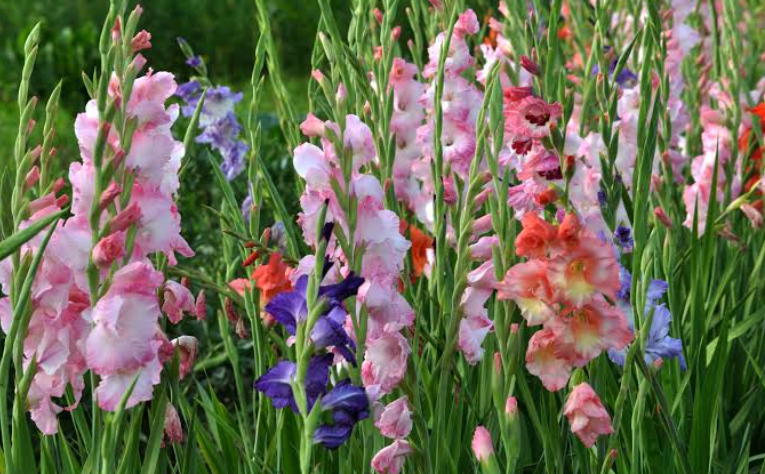
Gladiolus, often affectionately shortened to “glads,” is a genus of perennial flowering plants prized for its tall, sword-like foliage and dramatic, densely packed flower spikes. The genus includes roughly 300 recognized species, the vast majority native to southern and central Africa, along with hundreds of additional cultivated hybrid varieties developed over more than a century of breeding. A single gladiolus stem can carry between 12 and 20 individual blooms in the largest cultivars, opening in succession from the bottom of the spike upward over a period of several weeks.
Gladiolus plants grow from round, symmetrical corms rather than true bulbs, and a healthy corm typically reaches flowering size within about 10 to 12 weeks of planting. Height varies considerably by type, with the largest grandiflora hybrids reaching 3 to 4 feet tall and producing flowers up to 6 inches across, while dwarf and nanus types stay closer to 18 to 24 inches with more modestly sized blooms. Because of their height and top-heavy flower spikes, taller gladiolus varieties often require staking to prevent the stems from bending or snapping in wind and rain.
Color range across the genus is extraordinarily broad, spanning pink, purple, red, yellow, green, white, and orange, along with a large number of bicolor and tricolor combinations that display contrasting throat markings or petal edging. Ruffled and heavily textured petal forms have become increasingly popular in modern breeding, adding visual complexity to what was traditionally a smoother, more uniform flower shape. Gladiolus corms also multiply steadily underground, with a single planted corm capable of producing several new cormlets around its base by the end of a single growing season.
Bloom timing depends heavily on planting schedule, since gladiolus corms are typically planted in succession from spring through early summer to extend the overall flowering window into fall. Most gladiolus varieties are hardy as perennials only in zone 7 and warmer, meaning gardeners in cooler regions commonly dig up and store corms indoors over winter before replanting them the following spring. As popular cut flowers, gladiolus stems can last 7 to 8 days in a vase when properly conditioned, making them a longstanding favorite for both garden borders and floral arrangements. Below are 50 different types of gladiolus, each known for its own color, size, or growth habit.
Types of Gladiolus
Priscilla
Priscilla is a tricolored cultivar featuring a white background with pink-edged petals and a soft yellow throat, with more than a dozen florets typically arranged along a single strong, erect spike. This variety performs well in both garden borders and container plantings, thriving in full sun with plenty of water during the growing season. Priscilla can also tolerate partial shade, making it more adaptable than many other large-flowered gladiolus types.
Traderhorn
Traderhorn produces heavy flower stalks that typically require staking, since the weight of the blooms can cause the stems to flop without support. This variety is easily grown from corms and thrives in full sun, remaining hardy in zones 7a through 10b. Traderhorn’s corms benefit from being dug up and stored indoors in colder climates.
Claudia
Claudia is a hot, deep red variety that is not among the tallest gladiolus types, making it well suited to natural planting schemes rather than formal, staked borders. This cultivar pairs particularly well with cannas and dahlias for a striking late-summer garden display. Claudia is typically planted between March and May for blooms from July through October.
David Hills
David Hills displays warm apricot and orange tones that make it a strong fit for mixed borders alongside other warm-toned summer perennials. This variety is a popular choice for cutting gardens thanks to its reliable stem strength and vibrant coloring. David Hills blooms during the peak of the summer gladiolus season.
Princess Margaret Rose
Princess Margaret Rose features fiery hot colors combining red, orange, and yellow within tightly packed, ruffled blossoms arranged symmetrically along strong, erect spikes. This cultivar’s pointed, sword-like leaves complement its dramatic flower coloring. Princess Margaret Rose remains a popular choice among gardeners who want maximum visual impact from a single variety.
Black Velvet
Black Velvet produces deep blue-purple flowers with a rich, velvety petal texture, held on tall, slender stems above classic sword-shaped foliage. This variety blooms in summer and is especially popular for cut flower arrangements thanks to its dramatic, saturated coloring. Black Velvet pairs well with lighter-colored gladiolus varieties for strong visual contrast.
Gartengladiole Apricot
Gartengladiole Apricot is a tall variety featuring apricot-colored, slightly ruffled blooms with the classic 6-petal trumpet shape typical of large-flowered gladiolus types. This cultivar can reach up to 4 feet tall and blooms during the height of summer. Gartengladiole Apricot’s soft warm tone makes it a versatile addition to mixed summer borders.
Red Cascade
Red Cascade produces a profusion of buds on each stem that burst open into large, crimson, funnel-shaped blooms that appear to cascade down the side of the plant. This variety flowers earlier than many other gladiolus types, typically blooming from late spring into early summer. Red Cascade’s dramatic, weeping bloom habit sets it apart from the more upright flower arrangement of standard gladiolus types.
Nanus Hybrids
Nanus Hybrids are a group of dwarf gladioli that stay considerably shorter than traditional cultivars, generally reaching 18 to 24 inches with 6 to 7 flowers per stem. This type comes in a somewhat more limited color range of pink, white, red, and rose tones, plus a selection of bicolors. Nanus Hybrids typically bloom in early to midsummer and can survive winter outdoors in zones 5 and warmer, hardier than many larger gladiolus types.
Blue Moon
Blue Moon is not a single variety but rather a mix of different gladiolus cultivars bred to produce flowers in shades of blue and purple, a color range that remains relatively rare within the genus. This mix is hardy in zones 7 through 10 but can be grown in colder regions if corms are lifted and stored for winter. Blue Moon offers gardeners a way to add cool-toned color to a genus otherwise dominated by warmer hues.
Dykhanie Oseni
Dykhanie Oseni, whose name translates to “Breath of Autumn,” is a cultivar bred in the mid-2000s that produces a striking blend of orange, yellow, and red tones within each bloom. This variety’s autumnal coloring makes it a popular choice for late-season garden displays. Dykhanie Oseni remains a distinctive entry among modern gladiolus breeding efforts.
Espresso
Espresso produces dark-brown to dark-red, velvety flowers with pure white stamens that create striking contrast against the deep petal coloring. This variety performs well in flower beds, borders, and containers alike. Espresso is frequently chosen by gardeners seeking an unusually dark, moody addition to a gladiolus collection.
Lumiere
Lumiere is a dwarf-type cultivar known for a bold, jewel-like combination of hot pink, mauve, and violet within a single bloom. This variety’s compact size makes it well suited to containers and smaller garden spaces compared to taller grandiflora types. Lumiere adds a rich, layered color palette to mixed dwarf gladiolus plantings.
Robinetta
Robinetta is valued among gladiolus collectors for its reliable performance and classic, well-formed flower spikes. This variety produces consistent blooms suitable for both garden display and cutting. Robinetta remains a dependable choice within broader mixed gladiolus collections.
Black Star
Black Star produces deeply saturated, near-black blooms that stand out dramatically against lighter-colored companion plantings. This variety is often used as a focal point in dark-themed garden beds or cut flower arrangements. Black Star remains one of the more striking dark-toned cultivars available in general cultivation.
Mon Amour
Mon Amour is one of the more gorgeous pastel cultivars available, producing a blend of pink, creamy white, and yellow within each bloom for a spectacular, soft-toned appearance. This variety adds a romantic, understated elegance compared to the bolder, high-contrast cultivars common elsewhere in the genus. Mon Amour is a popular choice for wedding and event floral arrangements.
Prins Claus
Prins Claus is a dwarf cultivar with snow-white petals marked by distinctive pink patches, sometimes described as resembling small teardrops or bunny ears along the bloom. This low-growing variety barely reaches 2 feet tall, making it an excellent choice for garden edges and container plantings. Prins Claus stands out for its charming, understated bicolor pattern.
Tricolore
Tricolore resembles the shape of an orchid and produces stunning red blossoms with a contrasting purple throat, with up to 10 blooms appearing on a single spike. This variety’s rich coloring makes it an eye-catching addition to garden beds. Tricolore is considered one of the more dramatically colored dwarf-type gladiolus cultivars.
Moonlight Shadow
Moonlight Shadow is a luminous variety producing yellow flowers bordered with lilac edges, creating a soft, glowing bicolor effect. This variety’s unusual color combination sets it apart from more typical solid-toned gladiolus cultivars. Moonlight Shadow adds a distinctive, almost ethereal quality to mixed summer plantings.
Atom
Atom is a dwarf variety featuring remarkable red flowers accented with a thin white lining along each petal edge. This compact cultivar’s small stature makes it well suited for borders and container displays. Atom remains a popular choice for gardeners wanting bold color in a smaller package.
Fidelo
Fidelo is a classic gladiolus cultivar producing deep pink and fuchsia-colored blooms, well suited to successive plantings for a continuous summer display. This variety is commonly grown in cutting gardens for its reliable, vibrant coloring. Fidelo pairs well with both softer pastel and darker-toned companion cultivars.
Shaka Zulu
Shaka Zulu is considered one of the most visually complex gladiolus cultivars available, featuring striking dark burgundy petals splashed with snow-white markings. This tall variety requires staking as it matures and performs best in full sun with well-drained, compost-enriched soil. Shaka Zulu makes a dramatic centerpiece in cut flower arrangements or as a dark, elegant garden accent.
Merlot Ice
Merlot Ice combines deep wine-red tones with icy white accents, creating a striking contrast within each individual bloom. This variety pairs particularly well with other dark and pastel-toned gladiolus cultivars in mixed plantings. Merlot Ice adds a sophisticated, wintry elegance despite blooming in the heat of summer.
White Prosperity
White Prosperity produces clean, pure white blooms on tall, sturdy stems, offering a classic, versatile option among gladiolus cultivars. This variety pairs especially well with darker-toned types like Shaka Zulu for strong visual contrast in garden beds or arrangements. White Prosperity remains a dependable choice for weddings and formal floral displays.
Flirty
Flirty is a playful, brightly colored cultivar often planted alongside darker varieties to add cheerful contrast to summer borders. This variety’s name reflects its lively, eye-catching coloring compared to more subdued gladiolus types. Flirty works well as both a garden accent and a cut flower option.
Costa
Costa produces ruffled, lavender-blue flowers accented with darker purple edges, adding textural interest to its already striking color combination. This variety is part of a group of gladiolus relatives sometimes grown alongside true gladiolus species. Costa’s ruffled petal form sets it apart from smoother, flatter-petaled cultivars.
Fun Time
Fun Time features ruffled flowers with a bold red rim surrounding a bright yellow center, creating high contrast within each individual bloom. This variety’s playful color combination makes it a standout in mixed summer plantings. Fun Time adds vibrant, cheerful energy to garden borders and cutting gardens alike.
Green Star
Green Star produces stunning lime-green flowers, an unusual and highly sought-after color within the gladiolus genus. This variety is often used to add an unexpected color accent to otherwise warm-toned summer plantings. Green Star remains a favorite among collectors looking to diversify beyond the standard gladiolus color palette.
Vulcano
Vulcano produces brilliant fuchsia-pink blooms that command attention in garden beds and cut arrangements alike. This variety’s saturated coloring holds up well throughout its full flowering period. Vulcano is frequently chosen for gardeners wanting a bold, high-energy addition to a mixed gladiolus planting.
Grandiflora
Grandiflora refers to the classic hybrid group responsible for the gladiolus varieties most associated with traditional garden cultivation, producing the largest flowers in the genus at 5 to 6 inches across. This group grows 3 to 4 feet tall with 12 to 20 blossoms per stem and comes in an enormous range of colors and bicolors. Grandiflora types remain reliably hardy as perennials in zone 7 and warmer.
Dwarf Grandiflora
Dwarf Grandiflora hybrids scale down the classic grandiflora form into a more compact 2 to 3 foot stalk while still producing open-faced flowers 2 to 3 inches across. This type offers a middle ground between the largest traditional cultivars and the smaller nanus and dwarf types. Dwarf Grandiflora varieties are well suited to gardeners who want large-flower styling without the height of full-sized grandifloras.
Butterfly Gladiolus
Butterfly Gladiolus is a dwarf-type category featuring distinctive throat blotches in contrasting colors, giving each bloom a two-toned, patterned appearance reminiscent of butterfly wings. This type is reliably winter hardy in zones 7 and warmer, similar to other dwarf hybrid groups. Butterfly Gladiolus varieties are popular for their compact size and detailed petal markings.
Glamini
Glamini is a dwarf-type category bred for smaller stature and reliable performance in containers and small garden spaces. This type shares hardiness characteristics with other dwarf hybrid groups, generally thriving in zones 7 and warmer. Glamini varieties are commonly chosen for patio and balcony gardening where taller gladiolus types would be impractical.
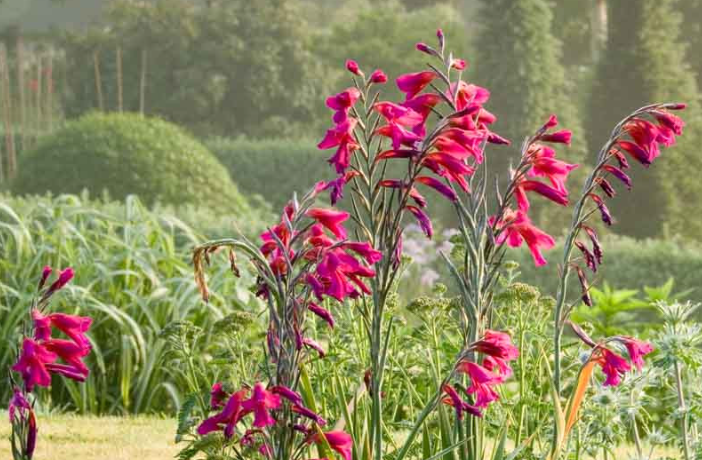
Peacock Orchid
Peacock Orchid, closely related to true gladiolus, produces fragrant white flowers marked with a deep maroon center, a color pattern distinct from most gladiolus types. This variety is valued for its strong evening fragrance in addition to its striking bicolor appearance. Peacock Orchid remains a popular choice for gardeners wanting scent alongside visual appeal.
Green Woodpecker
Green Woodpecker is a well-known parent cultivar used in modern gladiolus breeding, valued for its role in developing new hybrid lines with light yellow coloring. This variety has contributed its genetics to several award-winning modern cultivars. Green Woodpecker remains an important historical reference point within gladiolus breeding programs.
Friendship
Friendship is another significant parent cultivar in gladiolus breeding, having been crossed with other varieties to produce early-flowering hybrids with strong, compact spikes. Crosses involving Friendship have resulted in cultivars flowering in as few as 60 days after planting. Friendship’s genetic legacy continues to influence newer gladiolus introductions.
Wine and Roses
Wine and Roses produces rich burgundy-red blooms with a velvety texture reminiscent of its namesake color pairing. This variety performs well as both a garden specimen and a cut flower, holding its deep coloring throughout its full bloom cycle. Wine and Roses pairs elegantly with softer pink and cream-toned companion cultivars.
Passos
Passos produces soft peach-toned blooms that bring a gentle, warm accent to mixed summer plantings. This variety’s understated coloring makes it a versatile companion to more dramatically colored gladiolus cultivars. Passos remains a popular choice for gardeners seeking a softer palette within their gladiolus collection.
Plum Tart
Plum Tart produces deep plum-purple blooms with a rich, saturated tone that stands out among lighter pastel cultivars. This variety adds dramatic depth to mixed borders and cutting gardens. Plum Tart is frequently paired with white or cream-toned gladiolus types for strong visual contrast.
Charming Beauty
Charming Beauty produces soft, romantic pink blooms that live up to their descriptive name, offering a gentle addition to cottage-style garden plantings. This variety’s understated elegance makes it a popular choice for bridal and event florals. Charming Beauty blends well with both pastel and bolder-toned companion cultivars.
Spic and Span
Spic and Span produces crisp, clean white blooms with minimal markings, offering one of the purer white options within gladiolus breeding. This variety’s simplicity makes it a versatile choice for formal garden designs and floral arrangements. Spic and Span pairs particularly well with brightly colored companion cultivars for high contrast.
Zizanie
Zizanie produces bold, richly colored blooms that stand out in mixed plantings thanks to their saturated tone and strong stem structure. This variety is valued among collectors for its reliable performance across a range of growing conditions. Zizanie remains a distinctive entry within specialty gladiolus catalogs.
Amsterdam
Amsterdam produces clean white blooms with a slightly ruffled petal edge, offering a European-bred alternative to more classic white gladiolus cultivars. This variety performs reliably in cutting gardens thanks to its strong stems and long vase life. Amsterdam pairs well with both pastel and deeply saturated companion varieties.
Nova Lux
Nova Lux produces bright, glowing yellow blooms that bring intense warmth to summer garden displays. This variety’s vivid coloring holds up well under full sun exposure throughout its flowering period. Nova Lux is a strong choice for gardeners wanting a bold, sunny accent among taller perennials.
Jester
Jester produces a playful mix of contrasting colors within each bloom, echoing the multicolored costume of its namesake. This variety adds a lively, whimsical accent to mixed gladiolus plantings. Jester is frequently chosen by gardeners looking to introduce unexpected color combinations into a border.
Bibi
Bibi is a compact cultivar valued for its reliable blooming and manageable size compared to taller grandiflora types. This variety performs well in containers as well as small garden beds. Bibi remains a dependable choice for gardeners with limited growing space.
Wine’s Dream
Wine’s Dream produces deep burgundy blooms with a dreamy, softly blended quality to the coloring rather than a sharply defined tone. This variety adds rich depth to darker-themed garden plantings. Wine’s Dream pairs elegantly with lighter pastel companions for balanced contrast.
Peter Pears
Peter Pears is a classic cultivar producing warm apricot-orange blooms, named after the renowned English tenor. This variety has remained popular for decades thanks to its reliable performance and elegant, understated coloring. Peter Pears continues to be recommended among heirloom gladiolus collectors.
Praha
Praha produces deep, dark maroon blooms that rank among the most richly colored cultivars in general cultivation. This variety is frequently chosen for dramatic garden accents and moody floral arrangements. Praha remains a favorite among collectors seeking the darkest possible gladiolus tones.
Green Isle
Green Isle produces pale green blooms, one of the rarer and more distinctive colors found within gladiolus breeding. This variety is often grown specifically to add an unusual color note to otherwise warm-toned summer plantings. Green Isle remains a sought-after cultivar among collectors interested in unconventional gladiolus coloring.