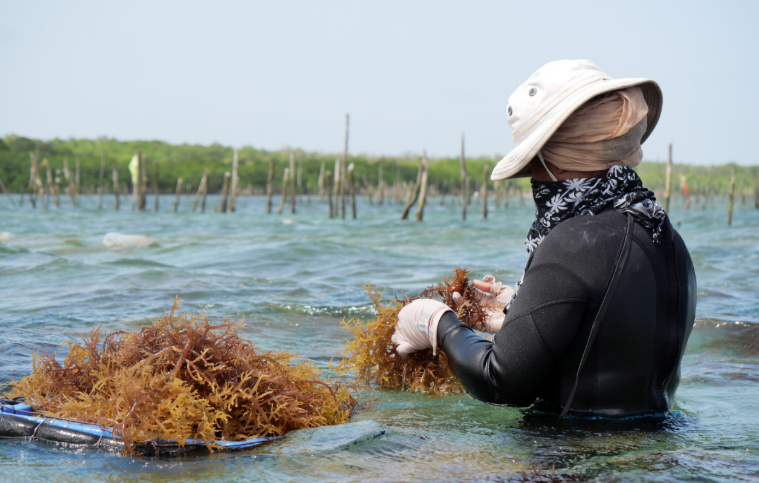
Sea moss is a type of red algae or seaweed that grows along the rocky Atlantic coastlines of Europe, North America, and the Caribbean, harvested for centuries as a food, medicine, and industrial ingredient and experiencing an extraordinary surge in global popularity over the past decade as one of the most celebrated superfoods in the natural health and wellness industry. Known by numerous common names including Irish moss, sea gel, and Caribbean moss depending on the region and form, it has been a staple food and traditional remedy in Ireland and Jamaica for hundreds of years before its dramatic rediscovery by modern health-conscious consumers. The global sea moss market was valued at approximately 90 million dollars in 2022 and is projected to grow at over 7 percent annually as demand from the health supplement, functional food, and natural cosmetics industries continues to expand rapidly.
Sea moss is one of the most nutritionally impressive of all natural food sources, containing an extraordinary concentration of vitamins, minerals, and bioactive compounds in a single ingredient. It is widely claimed to contain 92 of the 102 minerals the human body requires, including iodine, iron, calcium, magnesium, potassium, zinc, and phosphorus, alongside vitamins A, C, E, K, and several B vitamins and carrageenan — a natural polysaccharide with documented thickening, emulsifying, and potential health-promoting properties. A single two-tablespoon serving of sea moss gel provides meaningful amounts of iodine — critical for thyroid function — and a range of other minerals that are frequently deficient in modern diets.
Sea moss grows naturally attached to rocks in the intertidal and subtidal zones along rocky coastlines, typically at water depths of 1 to 20 meters, and its growth rate and nutritional composition are significantly influenced by the temperature, salinity, light levels, and mineral content of the surrounding seawater. Wild-harvested sea moss from pristine, unpolluted Atlantic coastlines — particularly from the coasts of Ireland, St. Lucia, Jamaica, and the Azores — is considered superior in quality and nutritional density to pool-grown sea moss cultivated in artificial saltwater pools, though pool cultivation is significantly more scalable and affordable for commercial production. The difference between wild-harvested and pool-grown sea moss is one of the most important quality distinctions in the commercial sea moss market.
Sea moss is consumed in a remarkable variety of forms across different cultures and health traditions — blended into a gel that is added to smoothies, juices, and food preparations, dried and powdered into supplement capsules, incorporated into cosmetic face masks and skin care products, and used as a natural thickening agent in food manufacturing where carrageenan extracted from sea moss and related algae species is one of the most widely used food additives globally. The Caribbean tradition of blending sea moss gel with milk, cinnamon, vanilla, and sweetener into a nourishing beverage called Irish Moss drink remains one of the most popular traditional preparations, and social media health influencers — particularly following celebrity endorsements on platforms like Instagram and TikTok — have been the primary drivers of the extraordinary recent growth in mainstream consumer awareness and demand for sea moss products.
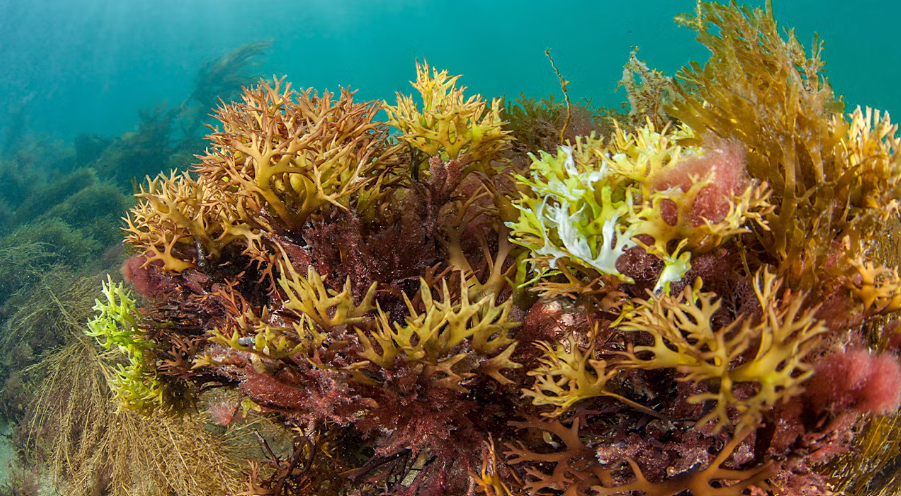
Types of Sea Moss
1. Chondrus Crispus (Irish Moss)
Irish Moss is the most widely known and historically important sea moss variety, the original sea moss of European and Caribbean tradition, growing naturally along the rocky coastlines of Ireland, the British Isles, and the northeastern coast of North America from Maine to Newfoundland. It produces small, fan-shaped, branching fronds of yellow-green to dark purple coloring and is the source of carrageenan — one of the most widely used food additives globally, appearing in ice cream, infant formula, dairy products, and processed food as an emulsifier and thickener. Irish moss gained international significance during the Irish Famine of 1845 to 1852 when coastal communities survived partly by harvesting and eating it, and Irish emigrants brought the tradition of sea moss consumption to the Caribbean where it became deeply embedded in Jamaican and broader Caribbean food culture.
2. Gracilaria (Gold Sea Moss)
Gold Sea Moss, produced primarily from Gracilaria species, is currently the most widely sold sea moss type in the North American health supplement and wellness market, producing distinctive, golden-yellow to golden-orange colored fronds that have become the most recognizable visual identity of commercial sea moss products sold online and in health food stores. It is primarily cultivated in warm tropical ocean waters and artificial saltwater pools across the Caribbean, Southeast Asia, and parts of West Africa, and the golden color is considered by many consumers and sellers to indicate premium quality and high mineral content — though the color primarily reflects growing conditions and species rather than definitively superior nutritional value. It has a milder, slightly more pleasant flavor than purple sea moss varieties.
3. Purple Sea Moss
Purple Sea Moss is produced from red algae species that develop vivid, deep purple to burgundy-purple pigmentation from high concentrations of anthocyanin pigments — the same powerful antioxidant compounds found in blueberries, red wine, and dark cherries — that give it significantly higher antioxidant content than the golden-yellow varieties and make it one of the most nutritionally distinctive sea moss types available. The vivid purple coloring is most intense in sea moss harvested from cooler, deeper Atlantic waters and tends to fade toward tan or brown when the moss is dried and processed into gel. Purple sea moss is increasingly marketed as a premium, high-antioxidant alternative to standard gold sea moss and commands higher prices in the health supplement market.
4. Jamaican Sea Moss (St. Elizabeth Moss)
Jamaican Sea Moss refers to sea moss harvested from the clean, warm Caribbean waters surrounding Jamaica — particularly from the shallow coastal waters off St. Elizabeth and Westmoreland parishes on Jamaica’s south and southwest coast — where generations of Jamaican fishermen and coastal communities have sustainably harvested wild sea moss as both a food and commercial product. Jamaican sea moss has been a cornerstone of traditional Jamaican nutrition and folk medicine for centuries and the traditional Jamaican Irish Moss drink — blended with milk, nutmeg, cinnamon, vanilla, and sweetener — is one of the most beloved and iconic traditional Jamaican beverages. Jamaican-origin sea moss commands premium prices in international health food markets for its wild-harvested, tropical Atlantic origin.
5. St. Lucian Sea Moss
St. Lucian Sea Moss from the eastern Caribbean island of St. Lucia is widely regarded among sea moss enthusiasts and health practitioners as producing some of the finest quality, most nutritionally dense wild-harvested sea moss available globally, grown in the extraordinarily clean, warm, mineral-rich waters of St. Lucia’s Atlantic coast. St. Lucia has developed a significant cottage export industry in wild-harvested sea moss that supplies premium health food retailers, wellness practitioners, and online supplement sellers in North America and Europe who value the island’s reputation for pristine marine growing conditions and traditional harvesting methods. St. Lucian sea moss is typically golden to purple-brown in color with a full, complex mineral flavor.
6. Irish Atlantic Sea Moss
Irish Atlantic Sea Moss refers to wild-harvested Irish Moss collected from the rocky, unpolluted Atlantic coastlines of Ireland — particularly the west coast counties of Clare, Galway, and Donegal where cold, nutrient-rich North Atlantic currents produce seaweed of very high mineral density and nutritional quality. Ireland has one of the oldest and most deeply rooted sea moss harvesting traditions in the world, and Irish Atlantic sea moss has historically been the benchmark of quality against which other sea moss types are measured in European markets. The cold, mineral-rich North Atlantic waters that nourish Irish sea moss are considered ideal growing conditions for producing the highest possible mineral and bioactive compound concentrations in the harvested fronds.
7. Wildcrafted vs Pool-Grown Sea Moss
The distinction between wildcrafted and pool-grown sea moss represents one of the most important quality differentiations in the commercial sea moss market, with profound implications for nutritional content, environmental sustainability, and commercial pricing. Wildcrafted sea moss is harvested from its natural ocean habitat where it absorbs minerals directly from seawater, sun, and ocean currents, producing a product of maximum nutritional diversity and bioactive compound concentration. Pool-grown sea moss is cultivated in artificial saltwater pools or rope-suspended ocean plots where growing conditions are more controlled and harvests are more predictable, but critics argue that the restricted mineral diversity of artificial saltwater environments produces a nutritionally inferior product compared to wild ocean harvesting.
8. Dried Sea Moss
Dried Sea Moss is the most widely available and most commercially practical form of sea moss for international distribution, produced by harvesting fresh sea moss and sun-drying it — traditionally on rocks and nets along the coastline — to reduce moisture content from approximately 80 to 90 percent in fresh seaweed to around 15 to 20 percent in the dried product, creating a lightweight, shelf-stable ingredient that stores for up to one to two years without refrigeration. The drying process concentrates the minerals and other nutritional compounds relative to the weight of the product and the dried sea moss is rehydrated by soaking in water for 12 to 24 hours before blending into gel for consumption. Sun-drying is considered superior to mechanical drying for preserving the full spectrum of bioactive compounds.
9. Sea Moss Gel
Sea Moss Gel is the most popular ready-to-use commercial preparation of sea moss, produced by soaking dried sea moss in water for 12 to 24 hours, blending it with fresh water until completely smooth, and storing it in the refrigerator where it sets into a thick, spreadable gel that keeps for two to four weeks. The gel form eliminates the soaking and blending preparation step required from dried sea moss and makes daily consumption more convenient — users typically add one to two tablespoons of gel to smoothies, juices, teas, oatmeal, and other food preparations as a nutrient supplement. The ready-made sea moss gel market has grown enormously alongside the general sea moss health trend, with numerous commercial brands now offering refrigerated and shelf-stable gel products.
10. Sea Moss Powder
Sea Moss Powder is produced by drying sea moss to very low moisture levels and grinding it into a fine, concentrated powder that provides maximum convenience and longest shelf life of any sea moss preparation — typically two years or more when stored in an airtight container away from heat and light. The powder form is used in supplement capsules, protein powder blends, superfood powders, and smoothie mixes where the concentrated nutritional content of sea moss can be delivered in a very small, easily dosable quantity without the preparation or refrigeration requirements of gel. Sea moss powder is the fastest-growing segment of the sea moss supplement market and is increasingly available from mainstream health food retailers, pharmacies, and online supplement sellers globally.