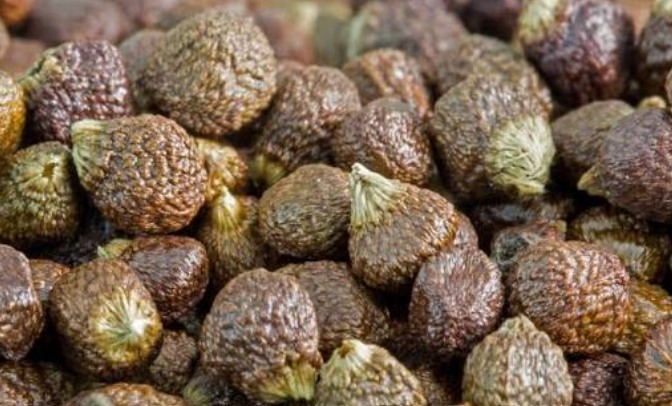
Black pepper is the most widely traded and most universally used spice in the world, accounting for approximately 20 percent of the entire global spice trade by value and present as a table condiment and cooking ingredient in virtually every cuisine on earth. Native to the Malabar Coast of Kerala in southwestern India, where it has been cultivated for over 3,000 years, black pepper was among the most prized and fiercely competed-over commodities of the ancient and medieval spice trade — used as currency, offered as tribute to invading armies, and motivating the European age of exploration as competing nations sought direct sea routes to the pepper-producing regions of South and Southeast Asia. The global black pepper market was valued at over 4.5 billion dollars in 2022 and continues to grow steadily.
Black pepper is produced from the small, round berries of a tropical climbing vine that winds around supporting trees or stakes to heights of 10 to 15 feet, producing clusters of 20 to 30 small fruits that are harvested at different stages of ripeness to produce the different pepper types — black, white, green, and red — that reach global markets. World black pepper production exceeds 500,000 metric tons annually, with Vietnam consistently the world’s largest producer and exporter, accounting for approximately 34 to 40 percent of global supply, followed by Indonesia, India, Brazil, and Malaysia. India’s Malabar and Tellicherry peppers command the highest premium prices in international markets for their exceptional size, aroma, and flavor complexity.
The heat and pungency of black pepper comes primarily from the alkaloid piperine, which constitutes approximately 5 to 9 percent of the dried berry by weight and produces the characteristic, direct, sharp pepper heat quite different from the capsaicin heat of chili peppers. Beyond piperine, black pepper contains a complex mixture of over 100 volatile aromatic compounds including terpenes, aldehydes, and alcohols that collectively produce the rich, complex, warm, slightly floral aromatic profile that makes freshly ground black pepper one of the most culinarily nuanced and versatile spice flavors in existence. Piperine also has the documented biological property of enhancing the bioavailability of curcumin from turmeric by up to 2,000 percent.
Black pepper grows as a tropical perennial vine in USDA zones 10 to 12, requiring hot, humid conditions, partial shade, and a supporting structure to climb, typically beginning to produce berries after 3 to 4 years and remaining productive for 15 to 20 years under good management. It is grown primarily on smallholder farms across Vietnam, Indonesia, India, and Brazil, where pepper cultivation is deeply integrated into the agricultural economy and cultural traditions of producing communities. The extraordinary range of named pepper varieties and geographical designations available — spanning the most delicate, complex, hand-sorted premium types to standard commercial grades — reflects the enormous diversity of terroir, processing methods, and cultivar genetics that collectively make black pepper the most varied and nuanced of all commonly used spices.
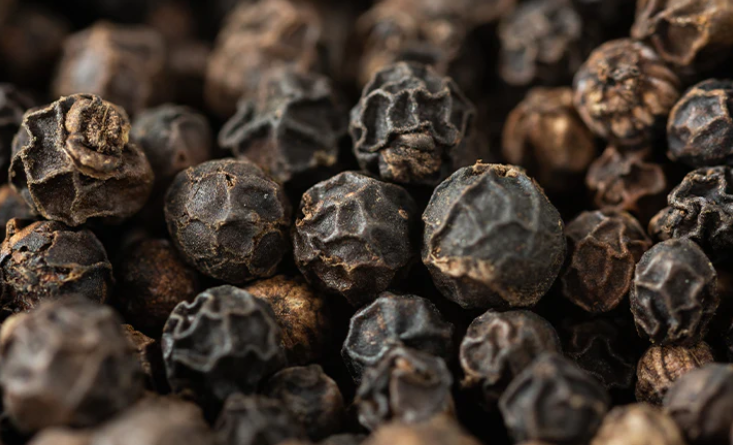
Types of Black Pepper
1. Tellicherry Black Pepper
Tellicherry Black Pepper is universally regarded as the finest and most prestigious black pepper in the world, produced exclusively from berries grown near the town of Thalassery (Tellicherry) on the Malabar Coast of Kerala, India and hand-sorted to include only the largest, fully mature berries that have been left on the vine longer than standard black pepper to develop maximum size, flavor complexity, and aromatic richness. The TGSEB grade — Tellicherry Garbled Special Extra Bold — represents the very finest selection, with individual berries reaching 4.5mm or larger in diameter and producing an extraordinarily complex, rich, fruity, floral, warm aromatic profile with deep, lingering heat that professional chefs, spice enthusiasts, and premium food manufacturers worldwide consider the benchmark of black pepper quality. It commands prices two to three times higher than standard black pepper.
2. Malabar Black Pepper
Malabar Black Pepper is the most historically significant and geographically iconic black pepper in the world, produced along India’s Malabar Coast — the original home of pepper cultivation and the destination that motivated the European age of exploration — from the same coastal Kerala region as Tellicherry but encompassing a broader geographic area and a wider range of berry sizes and grades. It produces a bold, complex, richly aromatic, warm, pungent flavor with good heat intensity and a distinctive, slightly citrusy, earthy aromatic profile from its specific terroir that distinguishes it clearly from pepper grown elsewhere. Malabar pepper has been traded internationally for over 3,000 years and remains one of the most respected geographical designations in the global spice trade.
3. Vietnamese Black Pepper (Phu Quoc)
Vietnamese Black Pepper from Phu Quoc island is the most celebrated and premium-priced Vietnamese pepper, produced on the fertile, red-soiled island of Phu Quoc in the Gulf of Thailand where the unique combination of volcanic soil, high rainfall, tropical climate, and traditional cultivation methods produces pepper with an exceptionally complex, rich, wine-like, slightly fruity aromatic character quite distinct from mainland Vietnamese pepper. Phu Quoc pepper holds geographical indication protection in Vietnam and commands premium prices in international markets for its outstanding aromatic quality. Vietnam as a whole produces approximately 34 to 40 percent of the world’s black pepper and Phu Quoc represents the premium tier of Vietnamese production.
4. Kampot Black Pepper
Kampot Black Pepper from the Kampot and Kep provinces of southern Cambodia is considered by many leading chefs and spice experts to be among the two or three finest peppers in the world alongside Tellicherry, producing exceptionally complex, elegant, floral, slightly fruity, warm aromatic pepper of extraordinary quality from a unique combination of the coastal Cambodian terroir, traditional cultivation methods, and specific local pepper vine varieties. It holds Protected Geographical Indication status under Cambodian law and is increasingly recognized in international premium food markets where it commands very high prices. Cambodian pepper cultivation was nearly destroyed during the Khmer Rouge period and has been painstakingly revived since the 1990s.
5. Sarawak Black Pepper
Sarawak Black Pepper from the Malaysian state of Sarawak on the island of Borneo is one of the most important and widely traded premium black peppers in the world, producing medium to large berries with a mild to moderately hot, clean, straightforward peppery flavor profile without the complex aromatic depth of Indian or Cambodian premium peppers. Sarawak pepper is among the most widely exported Malaysian agricultural products and is valued for its consistent quality, reliable supply, and clean, versatile flavor that suits a wide range of commercial and domestic applications. The Sarawak Pepper Board regulates production standards and the geographical indication is protected under Malaysian law.
6. Indonesian Black Pepper (Lampung)
Lampung Black Pepper from the Lampung province of Sumatra, Indonesia is one of the most important commercial black pepper varieties in the global spice trade, consistently ranking among the top three most widely traded pepper types by volume alongside Vietnamese and Indian pepper. Lampung pepper produces smaller, lighter berries than premium Indian varieties with a clean, straightforward, moderately pungent, warm peppery flavor that suits everyday culinary use and commercial food manufacturing applications where high volume and competitive pricing are more important than the complex aromatics of premium specialty peppers. Indonesia is consistently the world’s second or third largest black pepper producer.
7. Brazilian Black Pepper
Brazilian Black Pepper is one of the most commercially important pepper varieties in the Western Hemisphere, produced primarily in the Amazon state of Pará where Brazilian pepper cultivation was established by Japanese immigrant farmers in the early twentieth century and has grown to make Brazil one of the world’s five largest pepper producing nations. Brazilian pepper produces large, well-formed berries of acceptable commercial quality with a moderately pungent, clean, straightforward peppery character well-suited to the enormous Brazilian domestic market — one of the largest per-capita pepper-consuming markets in the world — and to export to North American and European food manufacturing industries.
8. Wayanad Black Pepper
Wayanad Black Pepper is an important premium Indian black pepper produced in the Wayanad district of Kerala — a high-altitude, heavily forested hill region bordering Karnataka — where the combination of cool, misty growing conditions, rich forest soils, and shade cultivation beneath traditional forest cover produces pepper with a distinctive, complex, slightly woody, aromatic character that reflects the unique highland terroir of one of India’s most ecologically rich and biodiverse growing regions. Wayanad pepper is grown extensively by indigenous and traditional farming communities in the Wayanad forests and represents an important premium-market Indian pepper distinct from the coastal Malabar and Tellicherry designations.
9. Sri Lankan Black Pepper
Sri Lankan Black Pepper, grown primarily in the hill country districts of Kandy, Matale, Badulla, and Ratnapura, is an important regional pepper with a clean, moderately pungent, slightly warm, aromatic character suited to the Sri Lankan domestic market and to export. Sri Lanka — historically famous as Ceylon and one of the most important nodes in the ancient spice trade route — has a long tradition of pepper cultivation alongside its globally famous tea, cinnamon, and rubber industries. Sri Lankan pepper quality has improved significantly in recent decades through better post-harvest processing practices and the promotion of specific named cultivars suited to Sri Lankan growing conditions.
10. Coorg Black Pepper (Kodagu)
Coorg Black Pepper from the Kodagu (Coorg) district of Karnataka in southern India is a high-altitude, forest-grown pepper of excellent quality produced in one of India’s most scenic and ecologically rich hill districts at elevations of 1,000 to 1,500 meters where coffee, cardamom, and pepper are traditionally grown together as a multi-crop agroforestry system. The cool, moist, high-altitude growing conditions of Coorg produce pepper with a distinctive, complex, moderately pungent, slightly floral, aromatic character that reflects the unique highland terroir of this important Indian spice-producing region. Coorg pepper is marketed as a premium regional specialty alongside Coorg coffee and Coorg cardamom.
11. Kerala Pepper (Various Grades)
Kerala Pepper encompasses the full range of black pepper grown across the state of Kerala — India’s most important pepper-producing state — beyond the specific Malabar and Tellicherry premium designations, including numerous named Indian pepper cultivar varieties such as Panniyur 1, Karimunda, Kottanadan, Aimpiriyan, and Cherayakaniyakadan that have been developed by Indian agricultural research institutes for specific combinations of yield, disease resistance, berry size, and flavor quality. Karimunda is considered the variety that produces the finest Tellicherry grade pepper while Panniyur 1 is the highest-yielding variety developed for commercial production. These named cultivars represent the scientific development of Indian pepper genetics for the twenty-first century.
12. Muntok White Pepper
Muntok White Pepper from the Indonesian island of Bangka near Sumatra is the most important and widely traded white pepper in the world, produced from fully ripe black pepper berries soaked in water for one to two weeks to loosen the outer black skin, which is then rubbed away to reveal the smooth, pale, creamy-white inner seed. White pepper has a somewhat different, slightly more fermented, less complex but more directly pungent flavor than black pepper from the same berries, and Muntok white pepper is the primary white pepper used by professional chefs, food manufacturers, and home cooks worldwide who prefer white pepper’s cleaner appearance in pale sauces and light-colored dishes.
13. Sarawak White Pepper
Sarawak White Pepper is the second most important commercially traded white pepper in the world after Muntok, produced in the Malaysian state of Sarawak using traditional methods that include extended water soaking of ripe berries, gentle removal of the outer skin, and careful drying to produce pale, clean, smooth white peppercorns of good quality. Sarawak white pepper has a clean, sharp, moderately pungent, slightly earthy white pepper flavor and is used extensively in Cantonese Chinese cooking — where white pepper is strongly preferred over black — and in European cooking traditions where white pepper appearance in sauces is important. The Sarawak Pepper Board regulates white pepper production standards alongside black pepper.
14. Green Peppercorns
Green Peppercorns are unripe black pepper berries harvested while still green and preserved in their fresh state by freeze-drying, brine pickling, or vinegar preservation to maintain the vivid green color and the fresh, herbal, moderately peppery, bright flavor that is distinctly different from both the complex aromatics of dried black pepper and the sharp pungency of white pepper. Fresh green peppercorns — still on the stem — are used in Thai cooking as a fresh spice ingredient in stir-fries and curries where their bright, fresh character suits the clean, vibrant flavor profiles of Thai food, while freeze-dried green peppercorns and brine-preserved varieties are widely used in classic French steak au poivre with green peppercorn cream sauce.
15. Red Peppercorns
Red Peppercorns are fully ripe black pepper berries allowed to remain on the vine until they reach their final, fully mature, vivid red stage of ripeness — a stage rarely seen in commercial production because most pepper is harvested at the green to transitional stage for black pepper processing before full ripeness is reached. Fully ripe red peppercorns have a sweeter, somewhat less pungent, more complex, fruity, rounded flavor than the sharper, more intense green or dried black versions and are available in small quantities as a specialty product from some premium pepper producers in India, Cambodia, and Vietnam. They are highly perishable fresh and are sold dried or freeze-dried in specialty markets.
16. Long Pepper
Long Pepper is an ancient relative of black pepper that predated round black pepper as the dominant pepper in European and Middle Eastern trade, producing elongated, catkin-like, grey-brown fruits up to 2 inches long with a complex, warm, peppery, slightly sweet, more aromatic, slightly nutty flavor that is distinctly more complex and interesting than standard black pepper. It was the primary pepper used in ancient Roman cooking and medieval European cuisine before being supplanted by the increasing availability of round black pepper from new trade routes, and it remains important in Ethiopian berbere spice blend, Moroccan ras el hanout, and traditional Indian and Indonesian spice preparations. It is experiencing a significant revival among contemporary chefs.
17. Cubeb Pepper
Cubeb Pepper, also called Java Pepper or Tailed Pepper for the distinctive tail-like stalk that remains attached to each dried berry, is an ancient Southeast Asian pepper species producing small, dark, aromatic berries with a distinctive, complex, warm, peppery, slightly piney, slightly eucalyptus-tinged flavor from cubebin and other unique volatile compounds that give it a flavor profile quite unlike any standard black pepper. It was important in medieval European cooking and Arab medicine, fell largely out of use in Western cooking over the intervening centuries, and is now experiencing growing interest among contemporary chefs, craft gin producers — where it is an important botanical — and spice enthusiasts seeking unusual and historically significant flavors.
18. Sichuan Pepper
Sichuan Pepper is not botanically related to true black pepper but is included in pepper discussions for its culinary role as a peppery, numbing spice fundamental to Chinese and particularly Sichuan cuisine, producing the unique tingling, numbing, electric sensation on the lips and tongue from hydroxy-alpha-sanshool rather than the piperine heat of true pepper. It is an essential component of Chinese five spice powder and the signature ingredient of Sichuan mala hot pot, kung pao chicken, and mapo tofu where the combination of Sichuan pepper numbing and chili heat creates the characteristic mala flavor. China is virtually the sole commercial producer.
19. Timut Pepper
Timut Pepper, also called Timur Pepper or Nepalese Pepper, is a wild-harvested Himalayan pepper relative from the mountain forests of Nepal producing small, dark berries with an extraordinary, unique, intensely fruity, grapefruit-citrus, floral, slightly woody aromatic character from geraniol and other volatile compounds that makes it one of the most dramatically different and exciting pepper relatives currently experiencing growing international attention. It has virtually no relation to the piperine heat of black pepper but produces a mild, tingling, Sichuan pepper-like numbing sensation alongside its vivid grapefruit and floral aromatics. It is increasingly sought by European and North American chefs and craft gin producers for its unique, striking aromatic character.
20. Voatsiperifery Pepper
Voatsiperifery Pepper is a rare, wild-harvested pepper from the rainforests of Madagascar produced from a wild climbing pepper vine that grows naturally in the forest understory and must be harvested by hand by local collectors who climb the vine supports to reach the clusters of small berries. It produces an extraordinary, complex, musky, woody, slightly citrusy, slightly floral, deeply aromatic flavor profile that is utterly different from standard commercial black pepper and reflects the unique biodiversity of Madagascan forest ecosystems. It commands extremely high prices in specialty spice markets — often the highest of any pepper variety globally — and is used by the world’s finest restaurants and most discerning spice enthusiasts as an exceptional finishing spice.
21. Grains of Paradise
Grains of Paradise are the peppery, aromatic seeds of a West African ginger family plant — not a true pepper but traditionally grouped with exotic peppery spices — producing a complex, warm, peppery, slightly cardamom-like, citrusy, slightly herbal flavor that is more interesting and multidimensional than standard black pepper and is experiencing significant revival among contemporary chefs, craft brewers, and artisan spirits producers. They were an important medieval European spice — sometimes used to adulterate or stretch more expensive black pepper — and appear in the traditional Belgian witbier brewing tradition, West African cooking, and the spice blends of North and West African cuisines. Ghana and other West African nations are the primary producers.