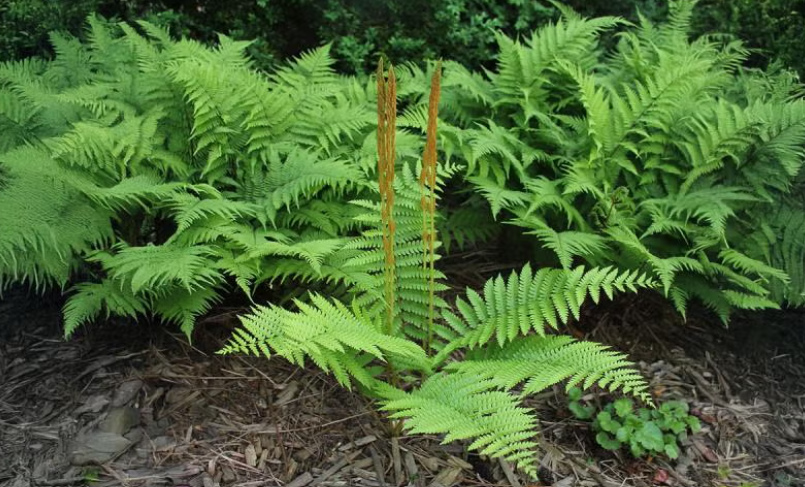
Boston Fern [Nephrolepis exaltata] is a lush, evergreen tropical fern native to humid forests, swamps, and riverbanks across tropical regions of the Americas, including Mexico, Central America, South America, the West Indies, and parts of Florida. It belongs to the family Lomariopsidaceae and is one of the most widely recognized and extensively cultivated houseplants in the world, prized almost universally for its graceful, arching fronds and dense, feathery texture. The plant has been in continuous cultivation as an ornamental since the Victorian era, when fern collecting and display became one of the most fashionable horticultural pursuits across Europe and North America.
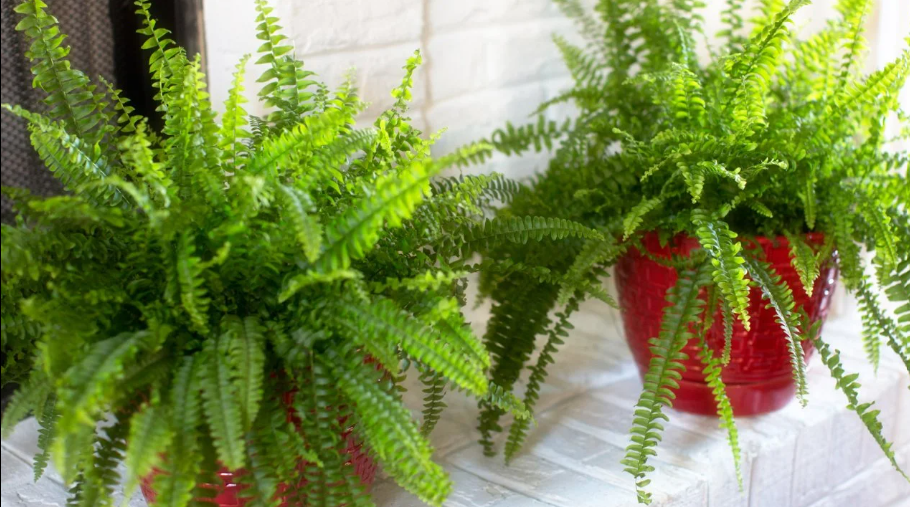
The most distinctive feature of Boston Fern is its long, arching fronds densely lined with small, bright green pinnae arranged in a feather-like pattern along each frond. Fronds typically reach 2 to 3 feet in length under good indoor growing conditions, though outdoor specimens in warm, humid climates can produce fronds up to 5 feet long. The overall growth habit is a full, fountain-like clump that spreads generously outward and downward, making it one of the most visually satisfying plants for hanging baskets, elevated containers, and large decorative pots where the fronds can cascade freely without obstruction.
Boston Fern thrives in warm, humid environments that closely replicate the conditions of its native tropical habitat. It performs best in temperatures between 60°F and 75°F (16°C to 24°C) and requires consistently high humidity, ideally between 50% and 80%, to maintain the health and vibrant color of its fronds. It is sensitive to cold drafts, dry air from heating systems, and direct harsh sunlight, all of which can cause rapid frond yellowing and shedding that is one of the most common frustrations reported by indoor growers worldwide.
Beyond its ornamental appeal, Boston Fern has been scientifically recognized as one of the most effective air-purifying houseplants available. A landmark NASA Clean Air Study identified it as particularly effective at removing formaldehyde, xylene, and toluene from indoor air, pollutants commonly emitted by furniture, flooring, and household cleaning products. This air-purifying reputation has significantly boosted its popularity in recent decades as awareness of indoor air quality has grown among homeowners, office designers, and health-conscious plant enthusiasts globally.
Numerous cultivated varieties of Boston Fern have been developed over more than a century of horticultural selection, expanding the options available to gardeners well beyond the original species. Popular cultivars include ‘Tiger’, ‘Fluffy Ruffles’, ‘Compacta’, ‘Verona’, and ‘Marisa’, each offering variations in frond texture, leaflet shape, growth size, or density. Miniature varieties have also been developed for terrarium and small container use, while extra-large cultivars with particularly long fronds have been selected specifically for dramatic hanging basket and porch display applications.
Boston Fern is among the top-selling houseplants in North America and Europe, consistently ranking in commercial nursery surveys as one of the most purchased foliage plants year after year. In the United States alone, it is particularly popular as a seasonal porch plant in spring and summer, with millions of specimens sold annually at garden centers and home improvement stores. Despite its reputation for being somewhat demanding in terms of humidity and watering consistency, its unmatched combination of lush beauty, air-purifying function, and centuries of proven indoor performance keeps it at the top of houseplant popularity lists across the world.
Also Read: How To Grow Nerve Plant From Seed
How To Grow And Care For Boston Fern [Nephrolepis exaltata]
- Boston Fern performs best in bright, indirect light and should be positioned near a north or east-facing window where it receives several hours of gentle, filtered light daily without exposure to harsh direct sun rays. Direct afternoon sunlight can scorch the delicate fronds quickly, causing them to yellow and dry out at the tips, so sheer curtains or positioning a few feet back from south or west-facing windows is advisable in brighter indoor environments.
- Humidity is the single most critical environmental factor for successfully growing Boston Fern indoors, and maintaining levels between 50% and 80% is essential for keeping the fronds lush and preventing excessive shedding of leaflets. Running a cool-mist humidifier near the plant, grouping it with other humidity-loving plants, or placing the pot on a broad tray filled with pebbles and water are among the most effective and practical strategies for elevating humidity around the plant without wetting the soil excessively.
- Watering should be done consistently to keep the growing medium evenly moist at all times, as Boston Fern is intolerant of both drought and waterlogging. The soil should never be allowed to dry out completely between waterings, as even brief periods of drought stress can trigger rapid, widespread frond yellowing and leaflet drop that takes weeks of recovery time under good conditions to reverse fully.
- The potting medium should be rich, loose, and well-draining to support healthy root development while preventing the waterlogging that leads to root rot in container-grown specimens. A high-quality mixture of peat moss or coco coir, perlite, and compost in roughly equal proportions creates an ideal growing environment, providing the consistent moisture retention and good aeration that Boston Fern roots require to thrive throughout the growing season.
- Temperature management is important for maintaining Boston Fern health, as the plant thrives in the range of 60°F to 75°F (16°C to 24°C) and suffers quickly when exposed to temperatures below 50°F (10°C) for extended periods. Cold drafts from air conditioning vents, open windows in winter, or doorways in cold climates are particularly damaging and should be avoided when selecting a permanent indoor growing location for the plant throughout the year.
- Fertilize Boston Fern with a balanced, diluted liquid fertilizer at half the recommended strength once every four to six weeks during the active growing season of spring and summer. Avoid fertilizing during autumn and winter when the plant’s growth naturally slows, as feeding during dormant periods can cause fertilizer salts to accumulate in the soil and burn the roots, leading to frond yellowing and tip browning that mimics drought stress symptoms.
- Repotting should be done every one to two years or when roots begin to emerge from the drainage holes or circle visibly around the inside of the pot, indicating that the plant has outgrown its current container. Choose a new pot only one to two sizes larger than the current one, as excessively large containers hold more moisture than the roots can absorb, increasing the risk of root rot in a plant that already requires careful moisture management throughout its life in containers.
- Pruning old, yellowed, or damaged fronds regularly is important for maintaining the plant’s attractive appearance and encouraging the continuous production of fresh, healthy new growth from the central crown. Using clean, sharp scissors or pruning shears, cut damaged fronds back to the base of the plant rather than leaving unsightly stubs, and perform a more thorough trim in early spring to refresh the plant’s appearance at the beginning of each new growing season.
- Boston Fern can be propagated most reliably by division, performed when repotting in spring by carefully separating the root ball into two or more sections, each containing healthy fronds and a sufficient portion of the root system to support independent growth. Each division should be potted immediately into fresh, moist potting mix and kept in a warm, humid location out of direct sunlight while it establishes itself over the following four to six weeks of recovery growth.
- Misting the fronds with room-temperature water once or twice daily can help supplement ambient humidity, particularly during dry winter months when indoor heating systems reduce air moisture levels significantly. However, misting should be done in the morning so that excess moisture on the fronds has time to evaporate during the day, as consistently wet foliage left damp overnight can encourage fungal diseases and rot to develop at the base of the fronds.
- Boston Fern is susceptible to several common houseplant pests including spider mites, mealybugs, scale insects, and fungus gnats, with spider mites being particularly problematic in dry indoor environments where low humidity creates ideal conditions for rapid mite population growth. Inspect the undersides of fronds regularly for signs of pest activity, and treat infestations promptly by washing the fronds with a gentle stream of water, applying insecticidal soap spray, or using neem oil diluted according to product instructions across the affected areas of the plant.
- Fungal diseases including root rot, leaf spot, and pythium blight can affect Boston Fern when growing conditions are too wet or air circulation around the plant is persistently poor. Ensuring the potting medium drains freely, avoiding overhead watering that leaves water pooling in the crown of the plant, and maintaining good air movement around the plant through regular ventilation are the most effective preventive measures against fungal disease problems in indoor and outdoor container-grown specimens alike.
- Outdoors, Boston Fern can be grown as a perennial in USDA hardiness zones 9 through 11, where frosts are rare to nonexistent, and as a seasonal container or bedding plant in cooler zones during the frost-free months of late spring through early autumn. In outdoor settings, it performs best in deep to partial shade with protection from drying winds and afternoon sun, growing significantly larger than typical indoor specimens when provided with consistent outdoor moisture and warmth across the full growing season.
- During winter in temperate climates, Boston Fern often sheds a significant number of its leaflets in response to lower indoor humidity and reduced light levels, which can be alarming to new growers but is a normal seasonal response rather than a sign that the plant is dying. Moving the plant to a slightly brighter location, increasing humidity around it, and reducing watering frequency slightly while maintaining soil moisture will help the plant maintain as much of its foliage as possible through the challenging low-light winter months indoors.
- Boston Fern can also be grown successfully outdoors in hanging baskets on shaded porches, patios, and covered terraces during warm months, where natural rainfall, outdoor humidity, and ambient warmth often produce far lusher growth than is achievable in indoor environments. Outdoor specimens should be brought inside well before the first frost of autumn, ideally when nighttime temperatures begin falling below 55°F (13°C) consistently, and transitioned gradually to indoor conditions over one to two weeks to minimize the leaf drop that often accompanies an abrupt environmental change.
- Long-term success with Boston Fern comes down to consistent attention to its three most fundamental needs of adequate humidity, even moisture, and gentle indirect light throughout the year. Growers who maintain these conditions reliably will be rewarded with a plant capable of growing into genuinely spectacular specimens, with some well-cared-for container plants living for many decades and producing fronds of remarkable length and density that make them among the most impressive foliage displays achievable with any commonly available houseplant species.