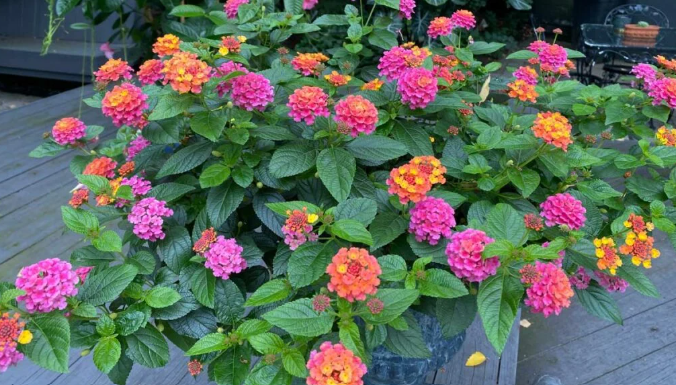
Lantana is a bold, sun-loving flowering shrub native to the tropical regions of Central and South America, though it has naturalized across Africa, Asia, and the Pacific over centuries. Belonging to the family Verbenaceae, it is one of the most recognizable and widely grown ornamental plants in warm climates, celebrated for its brilliant, multi-colored flower clusters that change color as they mature.
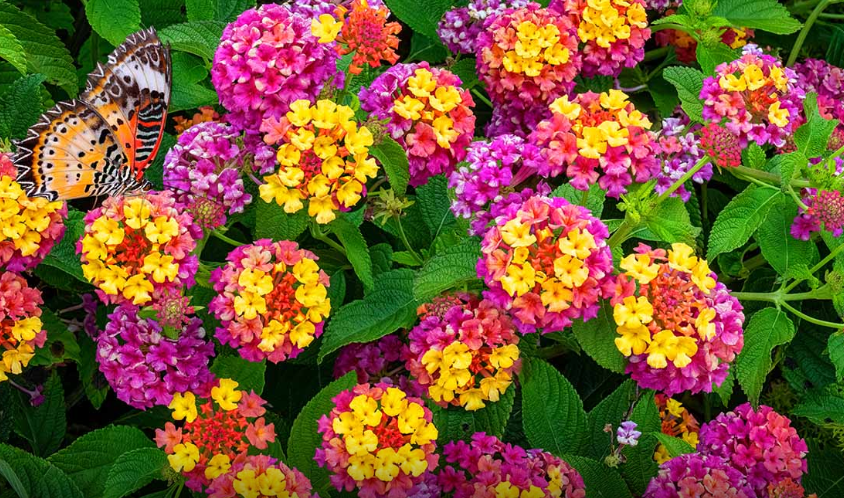
What makes Lantana truly extraordinary is its remarkable color-changing blooms. A single flower cluster can display several different colors simultaneously — typically progressing from yellow or white when young to orange, pink, and finally red or purple as they age. This kaleidoscopic display earns Lantana the nickname “the multicolored shrub” and makes it an unrivaled show-stopper in any garden.
Also Read: Trailing Lantana Varieties
Lantana is an exceptional pollinator plant, attracting butterflies, bees, and hummingbirds in large numbers. Its nectar-rich flowers serve as a vital food source for pollinators, making it not only visually stunning but also ecologically valuable. In many tropical gardens, a blooming Lantana plant is practically always alive with butterfly activity.
Despite its beauty, Lantana is a plant that commands respect. All parts of the plant — particularly the unripe berries — are toxic to humans, livestock, and pets. Additionally, in many parts of the world including Australia, South Africa, and parts of Asia, Lantana has become an invasive species, capable of outcompeting native vegetation and disrupting ecosystems.
Lantana is renowned for being an extremely tough and adaptable plant. It thrives in heat, tolerates drought once established, and continues to bloom profusely even in poor, nutrient-deficient soils where other flowering plants would struggle. This resilience makes it a favorite in low-maintenance landscapes, roadside plantings, and challenging garden conditions.
Available in both upright shrub and trailing varieties, Lantana suits a wide range of garden applications — from landscape hedges and ground covers to hanging baskets and container gardens. With its relentless blooming habit, drought toughness, and dazzling colors, it remains one of the most rewarding and versatile flowering plants for tropical and subtropical gardeners worldwide.
Also Read: Types of Lantana Plants
How to Grow Lantana in Pots & Containers
- Choose the Right Container — Select a pot with multiple drainage holes at the bottom, as Lantana absolutely cannot tolerate waterlogged roots. Plastic, terra cotta, or ceramic containers all work well, though terra cotta is preferred in humid climates as it allows the soil to breathe and dry out more efficiently between watering cycles.
- Ideal Pot Size — Start with a pot that is at least 30–40 cm (12–16 inches) in diameter. Lantana develops a vigorous root system and needs room to grow. A larger container also provides better stability for the plant as it matures and becomes top-heavy with foliage and blooms.
- Best Potting Mix — Use a lightweight, well-draining potting mix. You can enhance drainage by blending standard potting soil with coarse sand or perlite at a ratio of 2:1. Lantana is highly adaptable to soil types but performs best in slightly acidic to neutral pH (5.5–7.0) mixes that drain freely after watering.
- Sunlight is Non-Negotiable — Lantana is an absolute sun lover and demands a minimum of 6–8 hours of direct sunlight every day. Place your container in the brightest, most exposed spot on your balcony, patio, or rooftop. In shaded conditions, the plant becomes leggy, produces fewer blooms, and loses its characteristically vibrant color display.
- Watering Correctly — Water deeply and thoroughly, then allow the top 2–3 cm of soil to dry out before watering again. While Lantana is drought-tolerant in the ground, container-grown plants dry out faster and need more frequent attention — typically every 3–5 days in hot weather. However, always avoid leaving the pot sitting in a saucer of standing water.
- Drought Tolerance in Pots — One of Lantana’s great strengths is its ability to bounce back from dry spells. If you miss a watering or two during summer, the plant will wilt slightly but recover quickly once watered. This resilience makes it an excellent choice for gardeners who travel frequently or lead busy lifestyles.
- Temperature Preferences — Lantana thrives in warm to hot temperatures between 18°C – 35°C (65°F – 95°F). It is frost-tender and will suffer serious damage below 5°C (40°F). In cooler climates, move containers indoors or into a greenhouse before temperatures drop in autumn, and return them outside once the weather warms in spring.
- Fertilizing for Maximum Blooms — Feed container Lantana with a balanced slow-release granular fertilizer at planting time, then supplement with a liquid fertilizer high in phosphorus and potassium every 2–3 weeks during the blooming season. Be careful not to over-fertilize with nitrogen, as this stimulates excessive leafy growth while significantly reducing flower production.
- Deadheading and Grooming — While Lantana does not strictly require deadheading to rebloom, removing spent flower clusters and developing seed heads encourages the plant to channel energy back into producing fresh flowers. Regular light grooming also keeps the plant looking tidy and prevents it from self-seeding in unwanted areas.
- Pruning for Shape and Vigor — Prune Lantana back by one-third to one-half in early spring before new growth begins, or after a major flowering flush. This keeps container plants compact, prevents them from becoming woody and bare at the base, and stimulates vigorous new growth that produces the most prolific flowering stems.
- Managing Pests — Lantana is generally quite pest-resistant, but container-grown plants can occasionally attract whiteflies, spider mites, and lace bugs, especially in hot and dry conditions. Inspect the undersides of leaves regularly and treat early infestations with neem oil spray, insecticidal soap, or a strong blast of water to knock pests off the foliage.
- Dealing with Fungal Issues — In humid climates, powdery mildew and sooty mold can occasionally affect Lantana, particularly when airflow is restricted. Space containers apart to promote good air circulation, avoid overhead watering, and apply a copper-based fungicide if fungal problems develop. Keeping the plant in full sun also naturally discourages fungal growth.
- Repotting — Repot Lantana every 2 years or when you notice roots circling the bottom of the pot or emerging from drainage holes. Spring is the ideal time to repot. Move the plant into a container one size larger, refresh the potting mix entirely, and trim back any overly long or damaged roots before replanting.
- Propagation from Cuttings — Lantana is straightforward to propagate from stem cuttings. Take 10–12 cm cuttings from healthy, non-flowering tips, strip the lower leaves, dip the cut end in rooting hormone powder, and plant in moist, gritty potting mix. Place in a warm, bright spot and roots will typically form within 3–6 weeks.
- Toxicity Awareness — Always handle Lantana with care and wear gloves when pruning or propagating, as the sap and foliage can cause skin irritation in sensitive individuals. Keep the plant out of reach of children and pets, and be particularly vigilant about removing developing berries, which are the most toxic part of the plant, especially to dogs, cats, and livestock.
- Selecting the Right Variety for Containers — Choose compact or trailing Lantana varieties for container growing rather than the large, vigorous species types. Varieties such as ‘Bandana Compact’, ‘Landmark’, ‘Luscious’, or trailing types like Lantana montevidensis are ideal for pots, offering all the color and vigor of standard Lantana in a more manageable, container-friendly size.
Also Read: Types of Pink Lantana Varieties