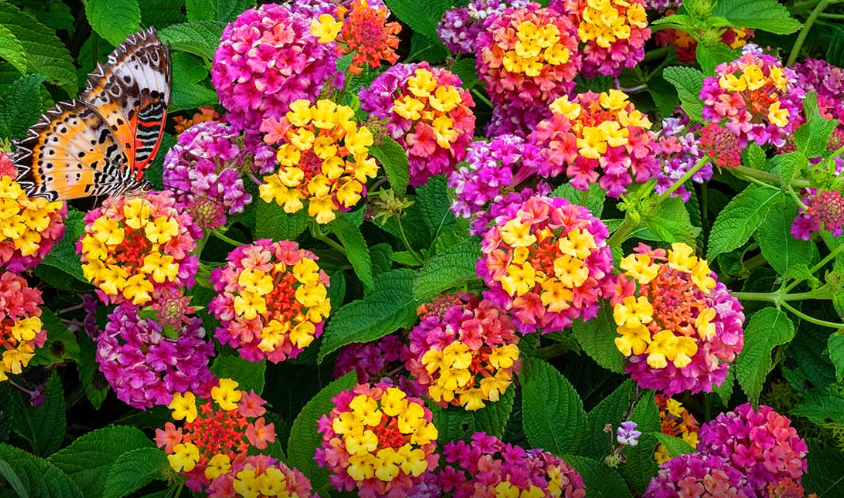
Lantana is a vibrant, sun-drenched flowering shrub originating from the tropical and subtropical regions of Central and South America. A member of the Verbenaceae family, it has spread across Africa, Asia, India, and the Pacific over centuries, where it has become both a treasured ornamental plant and, in some regions, a notoriously invasive species due to its extraordinary ability to spread and thrive in diverse environments.
The most captivating feature of Lantana is its unique, multicolored flower clusters known as umbels. Unlike most flowering plants that produce blooms of a single color, Lantana flowers change color as they mature — shifting from yellow or white in their youth to orange, pink, red, and deep purple. This stunning color progression means a single cluster can simultaneously display three or four different shades, earning Lantana a reputation as one of nature’s most spectacular color shows.
Also Read: Different Varieties of Lantana
Lantana is extraordinarily attractive to pollinators, particularly butterflies, making it a cornerstone plant in wildlife and pollinator gardens. Its nectar-rich flowers draw dozens of butterfly species, as well as bees and hummingbirds, creating a living, buzzing, fluttering spectacle that adds dynamic life to any outdoor space. Few plants rival its ability to transform a garden into a pollinator haven.
The plant has a tough and resilient character that sets it apart from many ornamentals. It tolerates intense heat, prolonged drought, poor soils, and high humidity with remarkable ease. Once established, Lantana blooms almost continuously throughout the warm season with minimal intervention, making it a favorite in tropical and subtropical gardens where reliability and low maintenance are valued.
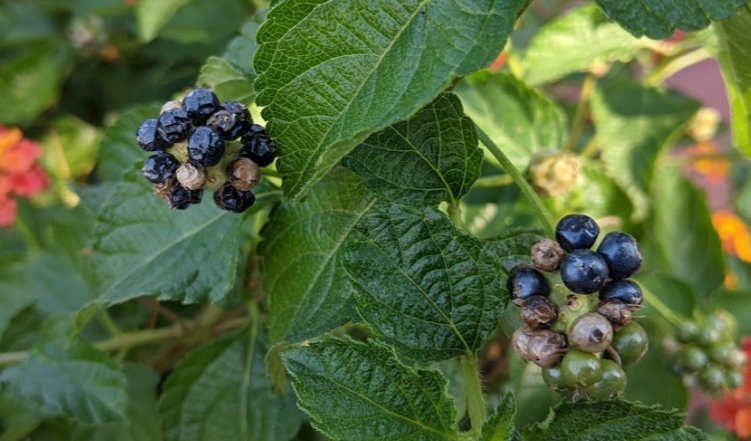
However, Lantana demands careful management in certain regions. Its berries, which ripen to a glossy blue-black, are toxic to humans, pets, and livestock, and the plant itself has become invasive across parts of Australia, South Africa, India, and the Pacific Islands, where it forms dense thickets that crowd out native vegetation. Responsible gardening practices — including deadheading to prevent self-seeding — are important where Lantana is grown.
Lantana is available in a wonderful diversity of forms and colors, from tall upright shrubs reaching 2 meters to compact dwarf varieties and trailing ground-cover types. Colors span the full warm spectrum — yellow, orange, red, pink, white, lavender, and bicolor blends. Whether grown in garden beds, hanging baskets, containers, or as informal hedges, Lantana delivers unmatched tropical color and vitality to any landscape.
Also Read: Trailing Lantana Varieties
How to Grow Lantana from Seed
- Collect or Source Seeds — Lantana seeds are found inside the small, round berries that form after flowering, ripening from green to a deep glossy blue-black or black. Collect fully ripe berries from the plant and extract the seeds by gently crushing the berries and rinsing away the pulp. Alternatively, purchase fresh, high-quality seeds from a reputable nursery or seed supplier for more predictable results.
- Handle Seeds with Care — Always wear gloves when handling Lantana berries and seeds, as the plant’s sap and fruit pulp are toxic and can cause skin irritation. Keep seeds away from children and pets. After extracting seeds from berries, wash your hands thoroughly before doing anything else — safety is an important first step in the propagation process.
- Understand Germination Challenges — Lantana seeds have a notoriously variable and sometimes slow germination rate. Unlike many flowering plants, they do not germinate uniformly and can take anywhere from 2 to 12 weeks to sprout. Sow more seeds than you need to account for uneven germination, and be patient — rushing or abandoning the process too early are the most common beginner mistakes.
- Scarify the Seeds — Lantana seeds have a hard outer coat that can inhibit germination. To improve germination rates, lightly scarify the seeds before sowing by gently rubbing them between two sheets of fine sandpaper or nicking the seed coat carefully with a nail file. This process breaks down the hard outer shell and allows moisture to penetrate the seed more readily.
- Soak Seeds Before Sowing — After scarification, soak the seeds in warm water for 24 hours before planting. This further softens the seed coat, hydrates the embryo inside, and signals to the seed that favorable growing conditions are present. Discard any seeds that float, as they are likely non-viable — only plant the seeds that sink to the bottom of the soaking container.
- Prepare the Seed-Starting Mix — Fill seed trays or small pots with a fine, well-draining seed-starting mix. A blend of equal parts peat moss or coco coir, perlite, and fine sand works excellently. The mix should be light, sterile, and moisture-retentive without becoming waterlogged — heavy or compacted mixes suffocate seedlings before they establish.
- Sowing Depth and Spacing — Sow Lantana seeds at a depth of approximately 3–6 mm (about ¼ inch) — no deeper, as seeds need warmth and some light to trigger germination. Space seeds at least 2–3 cm apart in trays to prevent overcrowding. After sowing, gently firm the soil over the seeds and water lightly with a fine mist spray to settle the mix without disturbing the seeds.
- Provide Warmth for Germination — Lantana seeds require consistent warmth to germinate successfully. Maintain a soil temperature of 21°C – 27°C (70°F – 80°F) throughout the germination period. Place seed trays on a heat mat or in a warm location such as a sunny windowsill or a heated greenhouse. Cool temperatures are the single biggest cause of failed or extremely slow Lantana germination.
- Maintain Moisture Without Waterlogging — Keep the seed-starting mix consistently moist but never soggy during the germination period. Cover trays loosely with a clear plastic dome or cling film to retain humidity and reduce the need for frequent watering. Remove the cover for a short period each day to allow fresh air circulation and prevent damping-off disease, which can wipe out entire trays of seedlings.
- Provide Light After Germination — Once seedlings emerge — which typically takes 3–8 weeks under ideal conditions — remove the plastic cover and move the trays to a bright location with plenty of indirect light or gentle morning sun. Lantana seedlings need strong light from the very beginning to develop sturdy, compact growth. Insufficient light at this stage causes weak, stretched, spindly seedlings that are difficult to recover.
- Thinning Seedlings — Once seedlings develop their first set of true leaves, thin them out by removing the weakest plants, leaving only the strongest, most vigorous seedling per cell or pot. Thinning is important because overcrowded seedlings compete for light, moisture, and nutrients, ultimately producing weaker plants. Use small scissors to snip out unwanted seedlings at soil level rather than pulling, which can disturb neighboring roots.
- First Feeding — Begin feeding seedlings with a very diluted, balanced liquid fertilizer (at quarter strength) once they have developed 2–3 sets of true leaves. Gradually increase feeding frequency to every 2 weeks as the seedlings grow stronger. Avoid feeding too early or at full strength, as young seedlings have delicate roots that are easily burned by concentrated fertilizer.
- Potting Up Seedlings — When seedlings are 5–8 cm tall and their roots begin to fill their cells or starter pots, it is time to transplant them into individual 8–10 cm pots filled with a well-draining potting mix. Handle seedlings gently by their leaves rather than stems — the stem is the most vulnerable part of a young plant and bruising it can introduce disease or cause the seedling to collapse.
- Hardening Off Before Outdoors — Before moving young Lantana plants permanently outdoors, harden them off over a period of 1–2 weeks. Begin by placing them outside in a sheltered, partially shaded spot for just 1–2 hours daily, then gradually increase their outdoor exposure over the following days, eventually moving them into full sun. This acclimatization process prevents transplant shock from sudden changes in temperature, wind, and light intensity.
- Transplanting to Final Location — Once seedlings are well-established, hardened off, and at least 10–15 cm tall, transplant them into their final containers or garden positions. Choose a spot with full sun and excellent drainage. Water in thoroughly after transplanting and keep the soil consistently moist for the first 2–3 weeks while the young plants establish their root systems in their new environment.
- Patience from Seed to Bloom — Growing Lantana from seed requires genuine patience. Seed-grown plants typically take 3 to 6 months from sowing to produce their first flowers, compared to the faster results from cuttings. However, the reward of nurturing a plant from a tiny seed all the way to a magnificent, butterfly-laden, multicolored blooming shrub is deeply satisfying — and seed-grown plants often develop into particularly strong, robust specimens over time.
Also Read: How To Grow Lantana In Pots & Containers