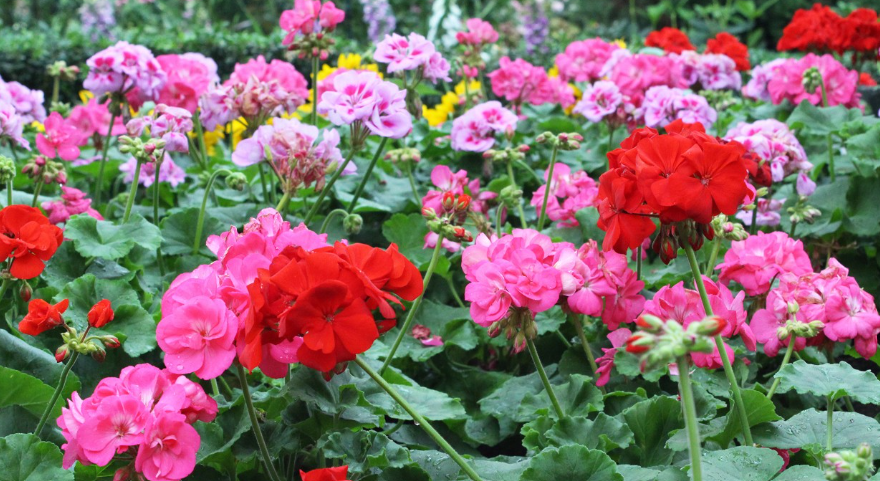
Geraniums are among the most beloved and widely grown flowering plants in the world, cherished for their vibrant blooms, attractive foliage, and remarkable versatility. Though commonly called geraniums, most garden varieties belong to the genus Pelargonium, native to South Africa, and were brought to Europe in the 17th century where they quickly captured the hearts of gardeners everywhere.
These plants come in an impressive variety of types, including zonal geraniums, ivy-leaved geraniums, regal geraniums, and scented-leaf geraniums. Each type has its own unique characteristics, growth habits, and uses, ranging from ornamental display to fragrance and even culinary or aromatherapy purposes.
Geraniums are celebrated for their long blooming season, producing clusters of cheerful flowers in shades of red, pink, white, salmon, lavender, and bicolor combinations. In frost-free climates, they can bloom almost year-round, making them exceptional value plants for both garden beds and container growing.
Also Read: How to Grow Geraniums From Seed
Beyond their flowers, many geranium varieties offer strikingly attractive leaves — often with dark, horseshoe-shaped zone markings or interesting textures. Scented-leaf geraniums release delightful fragrances reminiscent of rose, lemon, mint, or nutmeg when their leaves are brushed or crushed, adding a sensory dimension beyond visual beauty.
Geraniums hold cultural significance in many parts of the world. In Europe, particularly in the Mediterranean region, window boxes overflowing with red geraniums are an iconic and timeless sight. They are also associated with positive energy, good health, and happiness in various folk traditions.
Geraniums are wonderfully easy to grow, making them ideal for both beginner and experienced gardeners. They are relatively low-maintenance, tolerant of some neglect, resistant to many common pests, and highly rewarding — delivering months of colorful blooms with fairly simple care.
Also Read: How to Grow Geraniums From Cuttings
How to Grow Geranium in Pots & Containers
- Choose the Right Pot — Select a pot with adequate drainage holes, as geraniums are highly susceptible to root rot in waterlogged soil. Terra cotta pots are particularly recommended because their porous walls allow the soil to breathe and dry out more evenly between waterings, keeping roots healthy.
- Ideal Pot Size — Use a pot that is about 4–6 inches wider in diameter than the plant’s root ball. Geraniums perform best when slightly snug in their containers. Pots that are too large hold excess moisture, which can lead to fungal problems and poor blooming.
- Best Potting Mix — Use a high-quality, well-draining potting mix rather than garden soil. You can improve drainage further by mixing in perlite at about 20–25% of the volume. Geraniums dislike heavy, compacted soil — a light, airy mix encourages healthy root development and vigorous growth.
- Sunlight Requirements — Geraniums thrive in full sun and need at least 6 hours of direct sunlight daily to flower abundantly. In very hot climates, they appreciate light afternoon shade to prevent leaf scorch. On a balcony or patio, place them in the brightest, sunniest spot available.
- Watering Properly — Water thoroughly when the top inch of soil feels dry to the touch, then allow the soil to partially dry out before watering again. Geraniums follow a “drench and dry” watering philosophy — they dislike constantly wet soil but also cannot tolerate prolonged drought, especially in containers.
- Avoid Overwatering — Overwatering is the most common mistake with container geraniums. Yellowing lower leaves and mushy stems are telltale signs of too much water. Always check the soil moisture before watering and ensure the pot drains freely after every watering session. Also Read: Types of Pink Geranium Varieties
- Temperature & Climate — Geraniums prefer moderate temperatures between 15°C – 25°C (60°F – 77°F). They are frost-sensitive and will not survive freezing temperatures. In cold climates, move pots indoors before the first frost and overwinter them in a cool, bright room until spring returns.
- Fertilizing for Lush Blooms — Feed container geraniums every 2 weeks during the growing season with a balanced liquid fertilizer or one slightly higher in potassium and phosphorus (like a tomato feed) to promote flowering. Avoid high-nitrogen fertilizers, which encourage leafy growth at the expense of blooms.
- Deadheading Spent Flowers — Regularly remove faded and spent flower heads by pinching or snipping them off at the base of their stems. This simple practice, known as deadheading, prevents the plant from setting seed and redirects energy into producing a continuous fresh flush of new blooms.
- Pinching and Pruning — Pinch back the growing tips of young plants to encourage bushier, more compact growth. Leggy geraniums can be cut back by up to one-third to reshape them and stimulate vigorous new growth. The best time to prune is in early spring or after a major flush of flowering.
- Pest and Disease Management — Geraniums are relatively resistant to pests but can occasionally be affected by aphids, whiteflies, or botrytis (grey mould) in humid conditions. Ensure good airflow around the plant, avoid wetting the foliage when watering, and treat pest infestations promptly with neem oil or insecticidal soap.
- Repotting — Repot geraniums every 1–2 years in spring when you notice roots emerging from drainage holes or growth slowing significantly. Move up only one pot size at a time, refresh with new potting mix, and trim back any circling or overly long roots to encourage healthy new growth.
- Overwintering Container Geraniums — Before cold weather arrives, bring pots indoors and place them in a cool, bright location such as a sunny windowsill. Reduce watering significantly during winter dormancy. In early spring, prune the plant back, resume regular watering and feeding, and move it back outdoors once frost risk has passed.
- Propagation from Cuttings — Geraniums are very easy to propagate. Take 8–10 cm stem cuttings just below a leaf node, remove the lower leaves, allow the cut end to dry for a few hours, then insert into moist, gritty potting mix. Roots typically develop within 3–4 weeks without the need for rooting hormone.
- Managing Humidity — Geraniums prefer moderate to low humidity. In hot, humid climates, space plants well apart in their containers and ensure excellent airflow to prevent fungal diseases like botrytis and powdery mildew. Avoid misting the leaves, as wet foliage in humid conditions is a recipe for disease.
- Companion Planting in Containers — Geraniums pair beautifully with other sun-loving container plants such as petunias, lobelia, bacopa, and calibrachoa for stunning mixed displays. When planting combinations, ensure all plants in the pot share similar sunlight, water, and feeding needs for a harmonious and thriving container arrangement.
Also Read: Different Types of Geraniums