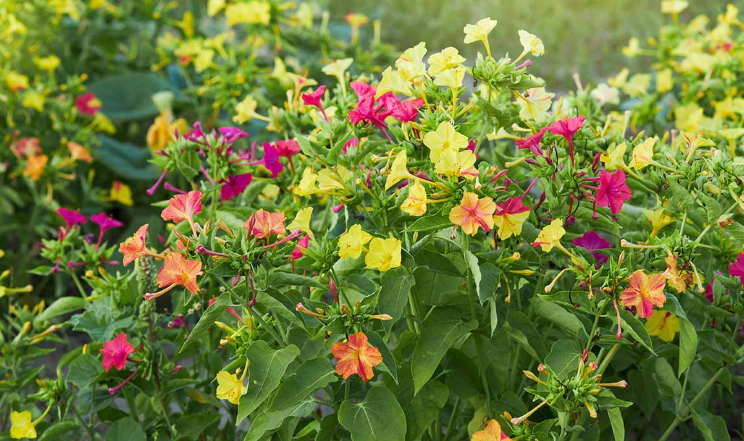
The Four O’Clock flower, botanically known as Mirabilis jalapa, is a captivating and widely beloved ornamental plant that has charmed gardeners for centuries. Native to tropical South America — particularly Peru and Mexico — it was introduced to Europe in the 16th century and has since naturalized across much of the world, thriving in warm and temperate climates alike. Its common name derives from its most distinctive habit: the flowers remain tightly closed throughout the morning and only open in the late afternoon, typically around four o’clock, releasing their fragrance into the evening air.
One of the most remarkable characteristics of the Four O’Clock flower is its extraordinary color diversity. A single plant can simultaneously bear blooms in red, pink, white, yellow, and magenta, and individual flowers often display two or more colors in striking striped or mottled patterns. This phenomenon, caused by genetic variation, makes each plant a living kaleidoscope of color. The trumpet-shaped flowers, though relatively small at about an inch across, are produced in great abundance throughout the growing season, creating a continuously refreshing display from midsummer through the first frost.
Beyond its visual appeal, the Four O’Clock flower is highly valued for its intoxicating fragrance. The blooms emit a sweet, jasmine-like perfume that intensifies as evening falls, making it a favorite for planting near patios, pathways, and windows where the scent can be appreciated after dusk. This evening fragrance also serves an ecological purpose — it attracts nocturnal pollinators such as hawk moths, sphinx moths, and hummingbirds in the early evening hours, ensuring pollination in the cooler parts of the day.
The plant itself is a vigorous, bushy grower, typically reaching heights of two to four feet and spreading nearly as wide, forming a dense, mounded habit. Its foliage is lush and deep green, with smooth, ovate leaves that provide an attractive backdrop for the colorful blooms. While grown as an annual in cooler climates, in frost-free tropical and subtropical regions the Four O’Clock behaves as a perennial, dying back to a large tuberous root each winter and resprouting reliably every spring with even greater vigor.
Historically and medicinally, Mirabilis jalapa holds significant cultural importance. Indigenous peoples of South America used various parts of the plant for traditional medicinal purposes, including as a remedy for inflammation, skin ailments, and digestive complaints. The plant also has some mild hallucinogenic compounds in its roots and seeds. In some cultures, the seeds were ground and used as a cosmetic powder. Despite these uses, it is worth noting that all parts of the plant are considered toxic if ingested in large quantities, and care should be taken in gardens frequented by children and pets.
In the modern garden, the Four O’Clock flower earns its place as one of the most low-maintenance and rewarding plants a gardener can cultivate. It thrives in a wide range of soil types, tolerates heat and drought once established, and requires minimal care beyond the occasional watering during dry spells. It is largely resistant to most common garden pests, and deer tend to avoid it due to its slightly toxic nature. Whether grown in borders, containers, cottage gardens, or as a fragrant hedge, the Four O’Clock flower reliably delivers season-long color, fragrance, and charm — a true workhorse of the ornamental garden.
Also Read: How To Grow Petunia From Seed
How to Grow Four O’Clock Flower from Seed
- Choose the right time. Start seeds indoors 4–6 weeks before the last expected frost date, or sow directly outdoors once all frost danger has passed and the soil has warmed.
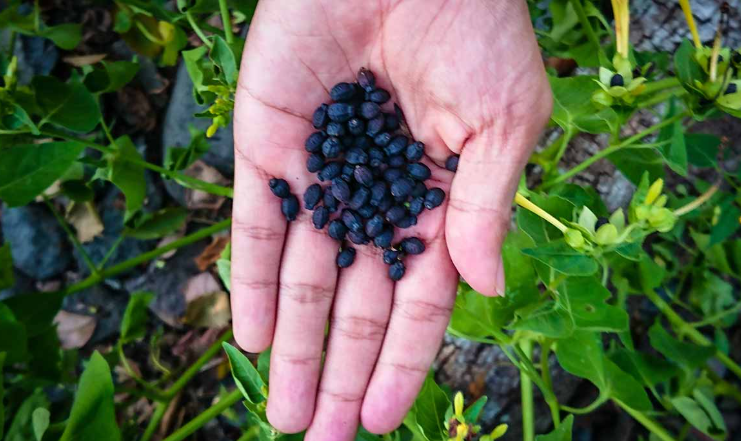
- Select quality seeds. Purchase fresh seeds from a reputable supplier, or collect dry, ripe black seeds from an existing plant at the end of the season. Fresher seeds have a much higher germination rate.
- Soak the seeds first. Soak seeds in warm water for 24 hours before planting to soften the hard outer seed coat and dramatically improve germination speed and success.
- Choose the right containers. For indoor starting, use small pots or biodegradable peat pots rather than trays, as Four O’Clocks develop a taproot early and dislike having their roots disturbed during transplanting.
- Use a good seed-starting mix. Fill containers with a light, well-draining seed-starting or potting mix. Avoid using heavy garden soil, which can compact and impede root development.
- Plant at the correct depth. Sow seeds about ¼ to ½ inch (6–12 mm) deep. Four O’Clock seeds are relatively large and need a little depth to anchor properly.
- Water gently after sowing. Moisten the soil thoroughly after planting using a gentle spray or misting bottle to avoid displacing the seeds. Keep the mix consistently moist but never waterlogged.
- Provide warmth for germination. Place containers in a warm location with temperatures between 65–75°F (18–24°C). A heat mat can help maintain consistent soil warmth and speed up germination.
- Expect germination in 7–14 days. Under ideal conditions, seeds typically sprout within one to two weeks. Germination may be slower in cooler conditions.
- Give seedlings plenty of light. Once sprouted, move seedlings to a bright sunny windowsill or under grow lights for at least 6–8 hours of light daily to prevent leggy, weak growth.
- Thin seedlings as needed. If multiple seeds germinate in the same pot, thin to the strongest single seedling by snipping weaker ones at the base with scissors rather than pulling, to avoid disturbing roots.
- Harden off before transplanting. About a week before moving seedlings outdoors, gradually expose them to outside conditions for a few hours each day, slowly increasing exposure to direct sun and wind.
- Choose a sunny planting site. Four O’Clocks thrive in full sun to partial shade. Select a spot that receives at least 6 hours of direct sunlight daily for the best flowering performance.
- Prepare the soil well. Plant in moderately fertile, well-draining soil. Amend heavy clay soils with compost or sand to improve drainage, as Four O’Clocks are susceptible to root rot in waterlogged conditions.
- Space plants correctly. Set transplants or thin direct-sown seedlings to about 12–18 inches (30–45 cm) apart to allow for their bushy spread and ensure good airflow between plants.
- Water regularly until established. For the first few weeks after transplanting, water consistently to help the roots settle in. Once established, Four O’Clocks are quite drought tolerant and need only moderate watering going forward.
Also Read: How To Gow Creeping Thyme From Seed