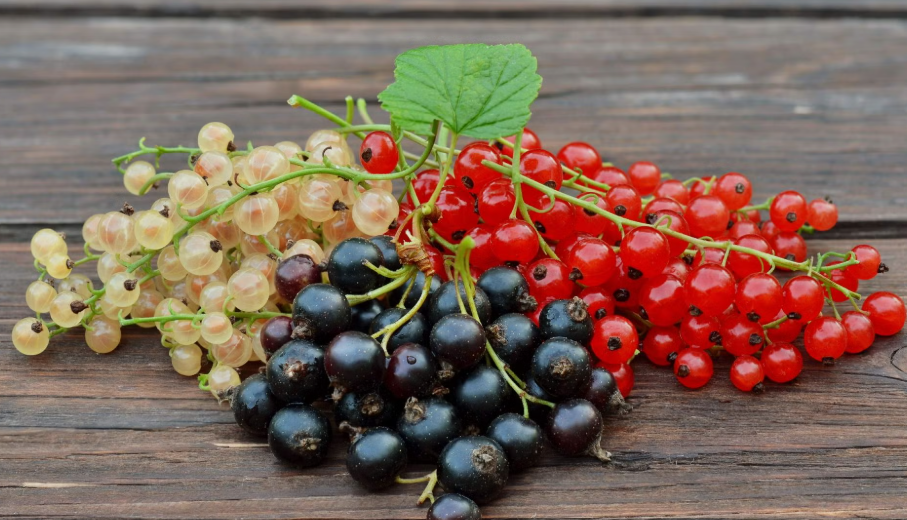
Types of currants fall into a few color groups, red, white, pink and black, along with a number of wild species that are seldom seen in gardens. Currants are small, round berries borne in hanging clusters on thornless shrubs, which is the easiest way to tell them from their close relatives, the gooseberries. More than 150 species exist, native to cool regions of Europe, Asia and the Americas.
The crop is concentrated in northern and eastern Europe. World production reached about 764,000 metric tons in 2022, and Russia alone grew roughly 509,500 tons, or two-thirds of the total. Poland followed with about 145,800 tons, most of it black currants for juice and freezing.
Currants are far less familiar in the United States. Growing them was banned by federal law in the early 1900s because the plants carry white pine blister rust, a disease that threatened the timber industry. The federal ban was lifted in 1966, though a few states still restrict black currants.
The plants are easy to grow where summers are cool. Red currants reach full production in 3 to 4 years and black currants in 4 to 5, and a well-kept bush lives 8 to 15 years. The 40 currants below are grouped by color and type, and each entry notes where the variety is grown.
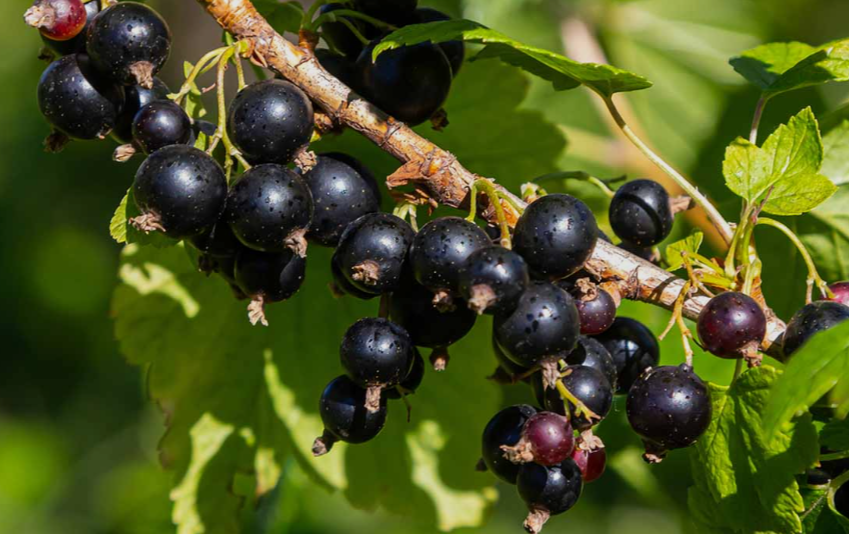
1. Red Lake
Red Lake is one of the most popular red currants in North America. The berries are large and bright red, borne on long, easily picked clusters. The flavor is sharp and clean, which suits jelly and preserves. It ripens in midseason.
The variety was bred at the University of Minnesota and introduced in the 1930s. The bushes are upright, vigorous and very cold-hardy. Its main weakness is susceptibility to mildew in humid weather. It is grown across the northern United States and Canada.
2. Rovada
Rovada is the leading commercial red currant in Europe. It bears very long clusters of large, glossy, bright red berries. The plant resists mildew and other leaf diseases well. It blooms and fruits late, so spring frost is less of a problem than with other varieties.
It was bred in the Netherlands. Yields are heavy once the bushes are established. Trials in Wisconsin suggest it can extend the red currant season by at least 2 weeks. It is grown in the Netherlands, Belgium, Germany and Poland, and in the northeastern United States.
3. Jonkheer van Tets
Jonkheer van Tets is a very popular early red currant. The berries are brilliant dark red, with excellent flavor. The University of Wisconsin describes it as the earliest ripening variety in its trials. The bushes are vigorous and upright.
It was bred in the Netherlands in the 1940s. In a Montana trial it yielded twice as much as Rovada and ripened in early July, weeks ahead of the others. Its early bloom makes it more exposed to late frost. It is grown throughout northern Europe and in home gardens in North America.
4. Perfection
Perfection is an old American red currant with large, bright red berries. The clusters are long and well filled. The flavor is milder and less acid than many red varieties. It ripens in midseason.
It was raised in New York in the 1880s. For many years it was a standard commercial variety in the northeastern states. The bushes are moderately vigorous and slow to establish. It is now grown mainly in home gardens in the Northeast and Pacific Northwest.
5. Wilder
Wilder is a dark red currant from the American Midwest. The berries are large, firm and juicy, with a brisk acidity. The clusters are long and compact. The fruit hangs well on the bush after ripening.
It originated in Indiana in the 1870s. It was once among the leading commercial red currants in the United States. The bushes are vigorous, upright and long-lived. It is grown in the Midwest and New York, mostly in older plantings and home gardens.
6. Cherry
Cherry is an old European red currant named for the size of its fruit. The berries are very large and dark red. The clusters are short, which makes picking slower. The flavor is sharply acid.
It came to wide notice in France in the 1840s. It was one of the first large-fruited red currants and was planted widely in the 1800s. The bushes are stout and less productive than modern types. It survives today in heritage collections in Europe and North America.
7. Laxton’s No. 1
Laxton’s No. 1 is a classic English red currant. The berries are bright red and medium to large. The clusters are long, and cropping is heavy and regular. It ripens in early to mid season.
It was bred by a nursery family in Bedford, England, in the early 1900s. It became a standard garden and market variety in Britain. The bushes are upright and vigorous. It is grown in England, Ireland and northern Europe.
8. Cascade
Cascade is an early red currant with large, dark red berries. The clusters are of medium length. The fruit is notably sweet for a red currant. The plants are vigorous and resist pests well.
It was bred at the University of Minnesota and released in the 1940s. Nurseries describe it as well suited to the Pacific Northwest. Yields are heavy. It is grown in Oregon, Washington and the upper Midwest.
9. Viking
Viking is a red currant valued for its resistance to white pine blister rust. The berries are small to medium and bright red. It ripens late in the season. The flavor is tart.
The variety comes from Norway. Its rust resistance made it one of the few red currants recommended near white pine forests. The bushes are vigorous and spreading. It is grown in Scandinavia and the northern United States.
10. Fay’s Prolific
Fay’s Prolific is a historic American red currant. The berries are large and dark red, borne on long clusters. The flavor is rich and less acid than Cherry. It ripens early.
It was raised in western New York in the 1860s and introduced around 1880. For a generation it was the most widely planted red currant in the country. The bushes are spreading and somewhat weak. It is now a heritage variety kept by collectors.
11. White Imperial
White Imperial is regarded as one of the sweetest white currants. The berries are translucent and cream-colored, sometimes with a pink blush. The acidity is low, so the fruit is pleasant to eat fresh. The clusters are loose and of medium length.
It is an old American variety from the late 1800s. Yields are modest compared with modern types. The bushes are spreading. It is grown in home gardens in the northern United States and Canada.
12. White Grape
White Grape is an old European white currant. The berries are large, pale yellow and translucent. Michigan State University describes it as a heavy-yielding, late-season variety. The flavor is mild and sweet-tart.
It has been grown for well over 150 years. The bushes are low and spreading. The fruit is good for fresh eating, jelly and wine. It is grown in northern Europe and in the Great Lakes region of the United States.
13. White Versailles
White Versailles is a French white currant from the 1840s. The berries are large and pale yellow. It ripens early and bears long clusters. The flavor is sweet with light acidity.
It became the standard white currant in Britain and remains popular there. The bushes are upright and crop reliably. It is used for fresh eating and for pale jellies. It is grown in France, Britain and northern Europe.
14. Blanka
Blanka is the most productive white currant in common use. The berries are large and creamy white, borne on very long clusters. Cornell University describes it as very reliable and easy to grow. It ripens late.
It was bred in Slovakia in the 1970s. Yields are very high once the bushes mature. The fruit is used for wine and juice as well as fresh eating. It is grown in central Europe and in the northeastern United States.
15. Primus
Primus is a white currant similar to Blanka in most respects. The berries are translucent, sweet and slightly smaller. Yields are high, though a little lower than Blanka’s. The bushes are tall and upright.
It was also bred in Slovakia. It ripens in mid to late season. The flavor is considered somewhat sweeter than that of Blanka. It is grown in central Europe and in home gardens in North America.
16. Pink Champagne
Pink Champagne bears translucent, pale pink berries of good quality and flavor. It is a cross between a red and a white currant. Wisconsin researchers call it an old variety that is still considered one of the best tasting of the group. The fruit is sweeter and milder than red currants.
Yields tend to be low, and the clusters are short. The bushes are compact and upright. It is best suited to home gardens and pick-your-own farms. It is grown in the northern United States and Canada.
17. Gloire de Sablons
Gloire de Sablons is a French pink currant from the 1800s. The berries are small and pink, often with darker stripes. It is similar to Pink Champagne, with subtle differences in color and cluster. The flavor is mild and sweet.
The shrub is handsome and resists disease well. Yields are modest. It is grown mainly for fresh eating and for its ornamental value. It is found in France, Britain and specialist nurseries in North America.
18. Ben Lomond
Ben Lomond was the first of the Scottish “Ben” series of black currants. The berries are large and firm, with a strong, sharp flavor. The bush flowers late, which helps it escape spring frost. Yields are heavy and reliable.
It was bred in Scotland and released in the 1970s. It became the main juice variety in Britain for many years. The bushes are compact and upright. It is grown in Britain, New Zealand and Poland.
19. Ben Sarek
Ben Sarek is a compact black currant that grows only about 3 feet tall. The berries are very large, and yields are very high for the size of the bush. Cornell University notes that it is resistant to white pine blister rust. The fruit ripens in midseason.
It was bred in Scotland and released in the 1980s. Penn State Extension recommends only rust-resistant black currants for home planting. Its small size suits gardens and containers. It is grown in Britain and the northeastern United States.
20. Ben Nevis
Ben Nevis is a sister variety of Ben Lomond. The berries are large and glossy, with good acidity. The bush is taller and more vigorous than its sibling. It flowers late and crops heavily.
It was bred in Scotland in the 1970s. The fruit is well suited to jam and juice. It tolerates frost at flowering better than older varieties. It is grown in Britain and northern Europe.
21. Ben Hope
Ben Hope is a tall, vigorous black currant bred for resistance to gall mite. The berries are medium-sized, with strong flavor and deep color. Yields are very high. The bush is upright and suits machine harvest.
It was released in Scotland in the late 1990s. It became the leading variety for commercial juice in Britain. It also shows good resistance to mildew and leaf spot. It is grown mainly in England and Scotland.
22. Ben Alder
Ben Alder is a black currant bred specifically for juice. The berries are small, with very high color and good vitamin C content. It flowers late and ripens late. The bush is upright and easy to harvest by machine.
It was released in Scotland in the late 1980s. The juice keeps its color well in processing. Yields are consistent from year to year. It is grown in Britain and Poland.
23. Ben Connan
Ben Connan is an early black currant with very large berries. The bush is compact and suits small gardens. Growers report that it is very productive, though not as sweet as some newer types. The fruit ripens early in the season.
It was released in Scotland in the 1990s. It resists mildew and leaf-curling midge. The large berries make hand picking quick. It is grown in Britain and in home gardens in North America.
24. Baldwin
Baldwin is an old English black currant with a long commercial history. The berries are medium-sized and rich in vitamin C. The flavor is strong and tart. It ripens late.
It was the standard British variety for much of the 1900s. The bushes are small and compact. It flowers early, which exposes it to spring frost. It is grown in England and in heritage collections.
25. Wellington XXX
Wellington XXX is an English black currant from the early 1900s. The berries are large and sweet for a black currant. It ripens in midseason. The bush is vigorous and spreading.
It was bred at a research station in Kent, England. Yields are heavy. The spreading habit means the branches may need support. It is grown in England and Ireland.
26. Boskoop Giant
Boskoop Giant is a very early black currant with large, sweet berries. The skin is thin, and the fruit is good for eating fresh. The clusters are long. The bush is tall and vigorous.
It originated in the nursery town of Boskoop in the Netherlands in the late 1800s. It flowers early and is easily damaged by spring frost. It was widely planted across northern Europe. It is grown in the Netherlands, Britain and Germany.
27. Consort
Consort is a Canadian black currant bred for resistance to white pine blister rust. The berries are medium to large and high in vitamin C. The flavor is strong and musky. It is good for jam, juice and drying.
It was bred in Ottawa and released in the 1950s. Though rust-resistant, it is susceptible to leaf spots and mildew. It was long the main black currant permitted in rust-control areas. It is grown in Canada and the northern United States.
28. Crusader
Crusader comes from the same Canadian breeding program as Consort. The berries are large and firm. It is highly resistant to white pine blister rust. The flavor is strong and tart.
It was released in Ottawa in the 1940s. It sets fruit best when planted with another variety. The bushes are vigorous and hardy. It is grown in Canada and the northern United States.
29. Titania
Titania is a vigorous black currant with large, glossy berries. Cornell University notes that it is immune to white pine blister rust and has good resistance to powdery mildew. It reaches full maturity in 3 seasons, faster than most varieties. The flavor is mild.
It was developed in Sweden from a cross that included Consort. In a Montana trial it had the highest sugar level of the black currants tested. The berries tend to ripen all at once. It is grown in the northeastern United States, Canada and northern Europe.
30. Noir de Bourgogne
Noir de Bourgogne is the traditional black currant of Burgundy in France. The berries are small, with very intense flavor and aroma. Yields are lower than those of modern varieties. The color of the juice is deep and stable.
It is the classic fruit for crème de cassis, the black currant liqueur of Dijon. The bushes are vigorous and need a partner variety for good pollination. It ripens in midseason. It is grown in Burgundy and other parts of eastern France.
31. American Black Currant
The American black currant is a wild species native to North America. Its range runs from New Mexico to Virginia and north into Canada. The berries are black and have a strong, resinous flavor. The shrub is very cold-hardy.
It grows in moist woods, thickets and stream banks. The flowers are pale yellow and hang in drooping clusters. The fruit is used for jelly and is eaten by birds. It is seldom cultivated and is found mainly in the wild.
32. Golden Currant
The golden currant is a native shrub of western North America. Its range extends from British Columbia and Saskatchewan south to Colorado and California. It bears golden-yellow, fragrant flowers in spring. The berries may be yellow, red-orange or black.
The fruit is edible and mildly sweet. Native peoples dried the berries and mixed them with meat and fat to make pemmican. The shrub is planted for wildlife and to restore roadsides and disturbed land. It grows along streams and on open slopes across the West.
33. Clove Currant
The clove currant is a close relative of the golden currant from the Midwest and Great Plains. North Dakota State University describes its fragrant, yellow, clove-scented flowers and purple to black fruit. The shrub tolerates poor soil and drought. It is hardy to the coldest zones.
The best-known variety, Crandall, came from Kansas and was introduced in 1888. Its berries reach three-quarters of an inch across and are far sweeter than European black currants. The fruit ripens unevenly, which makes machine harvest difficult. It is grown in home gardens across the central and northern United States.
34. Red-Flowering Currant
The red-flowering currant is a Pacific Coast native grown mainly for its blossoms. It bears hanging clusters of pink to deep red flowers in early spring. The berries are blue-black with a white bloom. They are edible but dry and bland.
The shrub grows wild from British Columbia to California. Hummingbirds visit the flowers, which open as the birds return north. It has been popular in British gardens since the 1820s. It is planted as an ornamental throughout the Pacific Northwest.
35. Wax Currant
The wax currant is a small shrub of the western mountains. It has white to pink tubular flowers and small, fragrant leaves. The berries are orange-red, translucent and waxy. They are seedy and nearly tasteless.
The plant grows on dry, rocky slopes and in open pine forests. It ranges from British Columbia to Arizona and New Mexico. Native peoples ate the berries fresh or dried. It is not cultivated for fruit but is valued by wildlife.
36. Alpine Currant
The alpine currant is a European mountain species grown almost entirely as a hedge. It forms a dense, rounded shrub that tolerates shade and heavy pruning. The berries are scarlet and tasteless. Most plants sold are male, so they bear no fruit at all.
It is native to the mountains of central and northern Europe. The shrub is extremely cold-hardy. It leafs out very early in spring. It is planted widely in the northern United States and Canada.
37. Swamp Red Currant
The swamp red currant is a low, trailing shrub of northern bogs and wet forests. The berries are small, bright red and sour. They resemble the garden red currant in appearance and taste. The stems often root where they touch the ground.
It ranges across Alaska and Canada and south into the northern United States. It grows in cold, shaded, boggy ground. The fruit is used for jelly where it is plentiful. It is not cultivated and is gathered only from the wild.
38. Stink Currant
The stink currant is a tall shrub of the Pacific Northwest coast. Its leaves give off a strong, skunky odor when crushed. The berries are blue-black with a pale bloom. They hang in very long clusters.
It grows along streams and in wet forests from Alaska to northern California. Coastal First Nations ate the berries, often mixed with oil. The flavor is mild but can be unpleasant. It is not cultivated.
39. Jostaberry
The jostaberry is a hybrid between the black currant and the gooseberry. The fruit is dark purple-black and larger than a currant. The flavor falls between its two parents. The bush is thornless and very vigorous, reaching 6 feet or more.
It was developed in Germany and released in the 1970s. It resists mildew and white pine blister rust. Yields are heavy once the plant is established. It is grown in Germany, Britain and the northern United States.
40. Zante Currant
The Zante currant is not a true currant at all. It is a tiny, dried, seedless grape. The name comes from the Greek port of Corinth and the island of Zante. The fruit is dark, sweet and tangy.
It is the currant used in baking, in scones, buns and fruitcake. Greece is the leading producer. It is also grown in California’s San Joaquin Valley, in South Africa and in Australia. It is included here because the shared name causes frequent confusion.
Key Takeaways:
- Currants come in several colors, including red, black, white, and pink, with each group offering distinctive flavors, aromas, and culinary uses.
- Black currants (Ribes nigrum) are known for their strong aroma and rich flavor, while red currants (Ribes rubrum) generally have a bright, tart taste that works well in jellies, sauces, and desserts.
- White currants are closely related to red currants, but their translucent, pale berries are often milder and sweeter, making them suitable for fresh eating and fruit salads.
- Currant plants are generally hardy shrubs that grow well in temperate climates. Most prefer fertile, well-drained soil and benefit from adequate moisture during the growing season.
- Currant varieties differ in berry size, ripening time, and productivity. Choosing suitable cultivars can help gardeners extend the harvest season and grow fruit suited to their climate and intended use.
- Currants are versatile in the kitchen, featuring in jams, jellies, juices, baked goods, sauces, preserves, and other recipes. Black currants are also commonly used in syrups and fruit drinks because of their intense flavor.
- Currants provide valuable nutrients, including vitamin C and dietary fiber, along with plant compounds such as anthocyanins, especially in dark-colored varieties. Their nutritional content and range of flavors make them useful additions to home gardens and varied diets.
Sources:
- University of Wisconsin: The Red Currant Group
- Penn State Extension: Gooseberry and Currant Variety Selection
- North Dakota State University: Golden (Clove) Currant
- University of Wisconsin: American Black Currant, Clove Currant
- Cornell University: currant and gooseberry variety review
- Ohio State University: currant production and marketing
- Montana State University: currant variety trials
- Oregon State University: Clove Currant
- University of Massachusetts: Currants and Gooseberries
- Michigan State University: Currants and Gooseberries
- University of Wisconsin: Black Currant growers guide
- HelgiLibrary: currant production 2022
- USDA: Golden Currant fact sheet
- Produce Blue Book: currant and gooseberry market summary
- Friends School Plant Sale: Titania