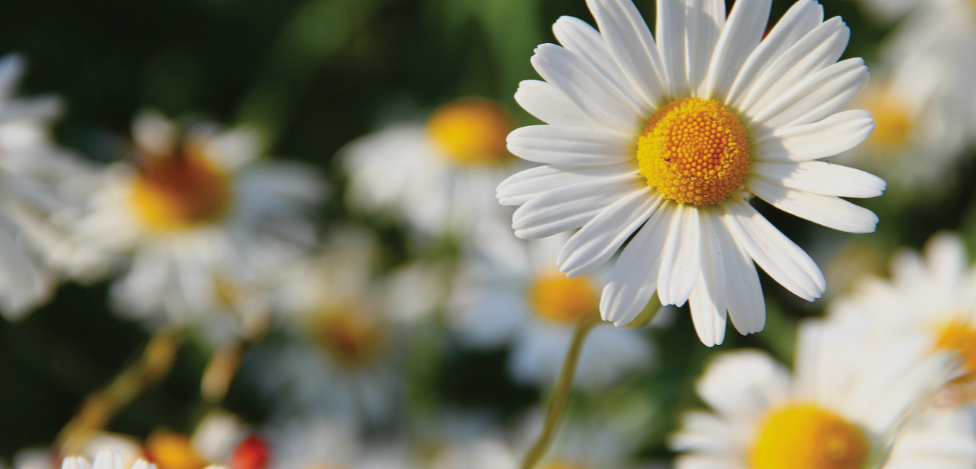
White flowers with yellow centers create one of the most recognizable color combinations in gardens. The bright white petals provide a clean, fresh appearance, while the yellow center adds a warm focal point that makes the flowers stand out against green foliage.
This combination occurs across many different plant groups, from familiar garden annuals and perennials to wildflowers and flowering shrubs. Some have large, prominent yellow centers, while others have small golden centers surrounded by numerous white petals.
These flowers can be useful in cottage gardens, borders, containers, rock gardens, pollinator gardens, and naturalized areas. Their colors also work well with plants bearing blue, purple, pink, or soft green foliage.
Below are 40 white flowers with yellow centers, including information about their appearance, growth habit, and common garden uses.
1. Shasta Daisy
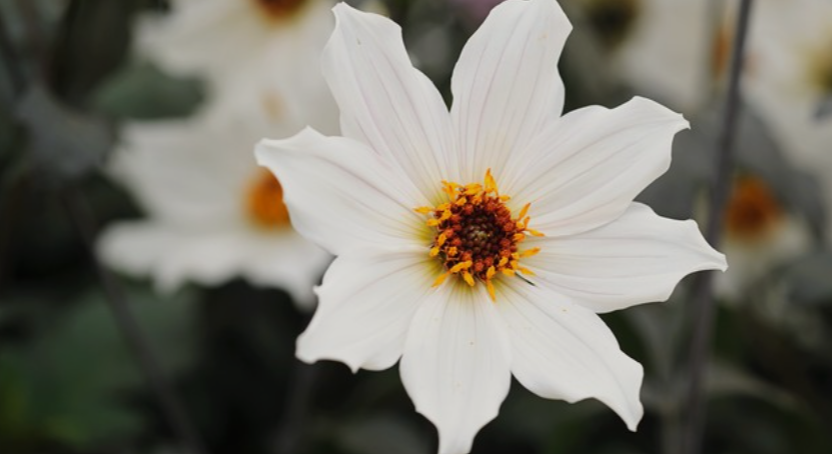
Shasta daisy (Leucanthemum × superbum) is one of the best-known white flowers with a yellow center. Its large white petals surround a prominent golden-yellow central disk, giving the flowers the classic daisy appearance. Depending on the cultivar, the flower heads can become several inches wide and are commonly produced above upright green foliage.
Shasta daisies are herbaceous perennials that bloom mainly during summer. They perform best in full sun and well-drained soil and are frequently planted in perennial borders, cottage gardens, and cutting gardens. Their sturdy stems also make them useful as cut flowers.
2. Oxeye Daisy
Oxeye daisy (Leucanthemum vulgare) produces simple white flower heads with a bright yellow central disk. The petals are narrow and radiate evenly around the center, creating the familiar wild-daisy appearance. Plants generally form clumps of green foliage and produce numerous flowers during the warmer months.
This perennial is associated with meadows, roadsides, grasslands, and other open habitats. It can tolerate a range of soils and often thrives in sunny locations. In gardens, it can provide a naturalistic appearance, although it can become invasive in some regions.
3. African Daisy
African daisies in the genus Osteospermum include numerous cultivars with white petals surrounding contrasting yellow or dark centers. White-flowered varieties can have particularly striking golden centers when grown under bright sunlight. The petals may be broad and slightly spoon-shaped, depending on the cultivar.
These plants are commonly grown as bedding plants, container flowers, and border plants. They prefer plenty of sunlight and relatively well-drained soil. In suitable climates, African daisies can provide a long flowering period.
4. Feverfew
Feverfew (Tanacetum parthenium) produces clusters of small white flowers with yellow centers. Each flower resembles a miniature daisy, with numerous white ray petals surrounding a compact golden disk. The plant also has finely divided, aromatic green foliage.
Feverfew is commonly grown in herb gardens and cottage-style landscapes. It prefers full sun and reasonably well-drained soil and can flower repeatedly during the growing season. The small flowers are also attractive to a variety of beneficial insects.
5. Chamomile
German chamomile (Matricaria chamomilla) produces small white flowers with prominent yellow centers. The white petals surround a raised yellow disk, and the flower heads are carried above delicate, finely divided foliage. The overall plant has a light, airy appearance that works well in informal gardens.
Chamomile is an annual plant that grows particularly well in sunny locations. It is often cultivated in herb gardens and can also be grown in containers. Its daisy-like flowers are one of its most recognizable characteristics.
6. Oxeye Sunflower
Oxeye sunflower (Heliopsis helianthoides) normally produces yellow flowers, but some cultivated forms and related selections have pale or white ray florets surrounding yellow centers. The central disk remains conspicuous against the lighter outer petals. Plants are generally upright and can become fairly tall.
This perennial is useful in sunny borders and naturalistic plantings. It prefers well-drained soil and can tolerate periods of relatively dry conditions once established. The flowers can also contribute color to pollinator-friendly gardens.
7. White Cosmos
White-flowered cosmos (Cosmos bipinnatus) is a popular annual with delicate white petals and a contrasting yellow central disk. The flowers are carried on slender stems above finely divided foliage, giving the plant an airy appearance. Individual flower heads can appear almost suspended above the foliage when planted densely.
Cosmos grows rapidly from seed and performs best in full sun. It is well suited to cottage gardens, cutting gardens, containers, and informal borders. Regular flowering can continue for much of the growing season under favorable conditions.
8. White Zinnia
Some white cultivars of zinnia (Zinnia elegans) develop visible yellow centers, particularly in single-flowered forms. The white petals create a strong contrast with the central yellow disk, while the upright stems make the flowers easy to notice. Flower size varies considerably among cultivars.
Zinnias are warm-season annuals that prefer full sun and fertile, well-drained soil. They are popular for borders and cutting gardens because they can produce flowers continuously when spent blooms are removed. Their flowers also attract butterflies and other pollinating insects.
9. White Marigold
White or cream-colored marigold cultivars can have pale petals surrounding yellowish central structures. Although marigolds are better known for orange and yellow flowers, some modern varieties produce nearly white blooms. The centers can remain noticeably warmer in color than the outer petals.
These annuals generally perform best in full sun. They can be planted along borders, in containers, or among vegetables and herbs for additional flower color. Their compact growth makes many cultivars suitable for small gardens.
10. White Gaillardia
White-flowered gaillardia selections can produce pale ray florets around yellow central disks. The combination is less common than the familiar red-and-yellow forms but provides a softer appearance. The flower heads are typically held above narrow green foliage.
Gaillardia is valued for its tolerance of heat and relatively dry conditions. It performs best in full sun and well-drained soil. The plants are particularly useful in sunny borders, xeric gardens, and pollinator plantings.
11. White Coneflower
White coneflower cultivars of Echinacea produce pale ray florets surrounding a central cone that can be yellow, orange, or brown depending on the cultivar and stage of development. Some forms have especially noticeable yellowish centers when the flowers first open. The petals usually angle slightly downward from the raised center.
Coneflowers are long-lived perennials that prefer full sun. They are widely used in perennial borders and wildlife gardens because their flowers attract pollinators and their mature seed heads can provide food for birds. Established plants can also tolerate relatively dry conditions.
12. White Rudbeckia
White-flowered rudbeckia selections can have pale ray petals surrounding a golden-yellow or greenish-yellow central disk. The contrast between the light petals and warm center gives the flowers a daisy-like appearance. Flower size and plant height vary among species and cultivars.
Rudbeckias generally prefer sunny conditions and well-drained soil. They are commonly grown in borders, meadow-style plantings, and pollinator gardens. Many varieties are vigorous and can produce numerous flower heads during summer.
13. White Blanket Flower
Certain blanket flower cultivars produce unusually pale flowers with cream or white outer petals and yellow centers. The flowers retain the characteristic daisy-like form associated with Gaillardia. Their lighter coloration makes them useful when a garden design calls for softer tones.
Blanket flowers generally thrive in full sun and well-drained soil. They are especially useful in hot, dry gardens because established plants can tolerate relatively challenging conditions. Their flowers can continue appearing through much of the warm season.
14. White Coreopsis
Some coreopsis cultivars produce white or cream-colored ray petals surrounding yellow central disks. The narrow petals often create an open, delicate flower shape. Their relatively small flower heads can appear in large numbers when the plants are established.
Coreopsis is commonly planted in perennial borders, native-style gardens, and pollinator areas. Most varieties prefer full sun and reasonably well-drained soil. They are generally low-maintenance once established.
15. White Gaura
White gaura (Oenothera lindheimeri, formerly Gaura lindheimeri) usually produces white flowers with a subtle yellowish center. The flowers have four delicate petals and are carried on tall, slender stems that move in the wind. When plants are flowering heavily, they can create a cloud-like effect above the foliage.
Gaura prefers full sun and well-drained soil. It works particularly well in borders, gravel gardens, containers, and informal landscapes. Its airy growth habit also provides contrast against plants with broader leaves.
16. White Strawflower
White strawflower cultivars (Xerochrysum bracteatum) can have white papery bracts surrounding yellow central flowers. The center often becomes more noticeable as the flower opens. Unlike soft-petaled daisies, the outer structures feel dry and papery even while the plant is growing.
Strawflowers are warm-season plants that perform best in sunny, well-drained locations. They are popular in cutting gardens and are especially valued for dried floral arrangements. The flowers can retain their appearance for a long time after drying.
17. White African Marigold Daisy
Some white-flowered daisy-like cultivars within the African daisy group develop yellow central disks surrounded by white rays. The flowers can be relatively large compared with the foliage, making them effective as container or bedding plants. Their centers provide a noticeable warm contrast against the pale petals.
These plants generally prefer sunny conditions and good drainage. They are particularly effective when planted in groups rather than as isolated specimens. Depending on the climate, they can be grown as annuals or short-lived perennials.
18. White Fleabane
White fleabane (Erigeron species) produces numerous small white flowers with yellow centers. Each flower has many narrow petals surrounding a compact golden disk. When the plants are in full bloom, the many small flower heads can create a soft, almost misty appearance.
Fleabane species are found in a variety of habitats, including grasslands, roadsides, rocky areas, and open woodland edges. Many prefer sunny conditions and well-drained soil. They can be useful in naturalistic gardens and pollinator-friendly landscapes.
19. White Yarrow
White yarrow (Achillea millefolium) is recognized by its flat-topped clusters of tiny flowers. Individual flowers generally have white ray florets surrounding small yellow centers, although the yellow may be less conspicuous than in larger daisies. The flower clusters rise above finely divided, fern-like foliage.
Yarrow is a hardy perennial that can tolerate drought once established. It performs best in full sun and is often used in meadow gardens, borders, rock gardens, and pollinator plantings. Its flat flower clusters provide a different texture from large solitary daisy flowers.
20. White Tansy
Tansy relatives can produce small daisy-like flower heads with pale rays and yellow centers. The compact flowers are often arranged in clusters above aromatic, divided foliage. Their overall appearance can resemble miniature white daisies.
These plants are generally suited to sunny locations and well-drained soils. Some species are cultivated as ornamentals, while others occur naturally in meadows and disturbed habitats. Identification is important because several members of the group can spread readily.
21. White Dahlia
Single-flowered white dahlias can have a central yellow disk surrounded by one or more rows of white petals. This flower form is particularly different from the densely petaled dahlias commonly seen in gardens. The exposed yellow center gives single dahlias a distinctly daisy-like appearance.
Dahlias are warm-season plants that grow best in full sun and fertile, well-drained soil. They are widely grown for borders and cut flowers. Flowering can continue for an extended period when plants receive adequate moisture and regular care.
22. White Calendula
Some calendula cultivars produce pale cream or nearly white flowers with yellow central structures. The petals are usually broad and arranged around a visible central disk. The flowers stand above green foliage and can provide a softer alternative to the familiar orange calendula.
Calendula is generally grown as a cool-season annual in many climates. It performs well in full sun to partial shade and can be planted in containers, beds, and herb gardens. Regular harvesting of flowers can encourage additional blooms.
23. White Coneflower Daisy
Certain coneflower hybrids combine pale or white petals with yellow central cones. The large flower heads make the centers particularly easy to see from a distance. Petals may arch slightly downward around the raised center.
These hybrids are commonly used in perennial gardens and mixed borders. They prefer sunlight and soil with good drainage and usually become more floriferous as they mature. Their sturdy stems can also make them suitable for cutting.
24. White Marguerite Daisy
Marguerite daisies (Argyranthemum frutescens) produce masses of white petals around yellow centers. The flowers are generally larger and more ornamental than many wild daisies, creating a strong contrast with the finely divided foliage. Plants can become rounded, bushy specimens when grown under favorable conditions.
Marguerite daisies are popular in containers, borders, patios, and bedding displays. They prefer bright sunlight and good drainage. In warm climates, they may flower for long periods.
25. White Swan River Daisy
Swan River daisy (Brachyscome iberidifolia) produces small white flowers with yellow centers on delicate stems. The petals are relatively narrow, giving the flower a fine, graceful appearance. The plant develops a spreading habit that can work well around the edges of beds.
This annual or short-lived perennial prefers sunny conditions and well-drained soil. It is particularly useful in containers, hanging baskets, rock gardens, and borders. Its smaller flowers work well alongside larger blooms.
26. White Mexican Daisy
Mexican daisy (Erigeron karvinskianus) is known for producing small daisy-like flowers that can open white and develop pinkish or purplish tones as they age. Fresh flowers often have yellow centers surrounded by white rays. The plants form spreading mats and can flower for a long season in suitable climates.
This species is often grown in rock gardens, wall crevices, containers, and informal borders. It prefers sun and well-drained soil. Its trailing growth habit allows it to spill naturally over edges and slopes.
27. White Beach Daisy
Beach daisy species produce white ray flowers around yellow centers and are adapted to coastal environments. The flowers tend to have a simple, open daisy form. Their foliage is often adapted to withstand wind, salt exposure, or sandy conditions.
These plants can be useful in coastal landscapes and other well-drained sites. They generally perform best with plenty of sunlight. Their natural tolerance of difficult coastal conditions makes them interesting alternatives to conventional bedding plants.
28. White Seaside Daisy
Seaside daisies in the genus Erigeron can produce white rays surrounding yellow central disks. The flowers are usually smaller than those of Shasta daisies but can occur in considerable numbers. Their compact growth makes them useful for naturalistic plantings.
Many seaside daisy species prefer sunny locations and soils with good drainage. Some are adapted to rocky or coastal environments and can tolerate relatively dry conditions. They are suitable for rock gardens and low-maintenance landscapes.
29. White Daisy Fleabane
Daisy fleabane produces numerous small white flowers with yellow centers on branched stems. The narrow white petals often extend well beyond the golden center, giving each flower a delicate appearance. Plants can become covered with flowers during favorable growing conditions.
This plant commonly occurs in open areas and can tolerate relatively poor soils. It is useful in naturalized gardens where a relaxed, meadow-like appearance is desired. Its flowers also provide resources for insects.
30. White Sneezeweed
Some Helenium hybrids have pale or cream-colored ray florets surrounding yellow central structures. Traditional sneezeweeds are more often yellow, orange, or red, but lighter cultivars can create a white-and-yellow effect. The flowers usually have a raised center that gives them a distinctive profile.
Sneezeweeds are generally sun-loving perennials. They are often planted toward the middle or back of perennial borders because some varieties become fairly tall. Consistent moisture during the growing season can support strong flowering.
31. White Black-Eyed Susan
Although black-eyed Susans are traditionally yellow, certain unusual cultivated forms and related selections can have cream or white ray florets surrounding dark or yellowish centers. The center remains the most prominent part of the flower, producing a strong contrast with the pale petals. Their structure resembles the familiar rudbeckia flower form.
These plants are generally suited to sunny borders and naturalistic gardens. They prefer reasonably well-drained soil and can tolerate periods of dry weather after establishment. Their flowers can remain attractive well into late summer.
32. White Sunflower
Some ornamental sunflower cultivars produce cream or white ray petals surrounding yellow or dark central disks. These unusual varieties retain the characteristic large flower-head structure of sunflowers. The contrasting center can be especially noticeable because of the large size of the flower head.
Sunflowers require plenty of sunlight and generally perform best in fertile soil. White cultivars can be grown in borders and cutting gardens where their unusual coloration provides visual interest. Taller varieties may require support in exposed locations.
33. White Coreopsis Daisy
White-flowered coreopsis cultivars can produce relatively small flower heads with clean white rays and golden centers. Their flowers are usually carried on slender stems above narrow foliage. The overall appearance is light and delicate compared with large-flowered daisies.
Coreopsis generally performs best in full sun. It can be useful in low-maintenance borders, meadow-style plantings, and pollinator gardens. Many varieties tolerate relatively dry conditions once established.
34. White Blanket Daisy
White blanket daisy selections offer pale ray petals surrounding yellow central disks. The flowers have the recognizable open structure of daisy-type composites but with a softer color palette. Their warm centers help prevent the flowers from appearing completely monochromatic.
These plants are generally suited to sunny gardens with good drainage. They can be useful in hot borders and informal plantings where long flowering is desirable. Removing old flower heads can help maintain a tidy appearance.
35. White Tickseed
Some tickseed (Coreopsis) varieties have white or nearly white flowers with yellow centers. The contrast is especially noticeable on varieties with relatively broad petals. Plants typically produce several flower heads above slender stems.
Tickseed is valued for its long flowering period and relatively low maintenance requirements. Most varieties prefer full sun and well-drained soil. They can be planted in borders, containers, and pollinator gardens.
36. White Daisy Chrysanthemum
Some single-flowered chrysanthemums have white ray petals and yellow central disks. Unlike the dense, pom-pom forms, these cultivars expose the central disk and therefore resemble traditional daisies. Their upright growth makes them suitable for beds and containers.
Chrysanthemums generally perform best in fertile soil and good sunlight. They are often grown for late-season color when many summer flowers begin to fade. Flowering time varies considerably according to cultivar and growing conditions.
37. White Cape Daisy
Cape daisies and related Osteospermum cultivars can produce white flowers with yellow centers. The petals may be slightly spoon-shaped, creating a distinctive appearance compared with conventional daisies. Their flowers are particularly noticeable when grown in bright sunlight.
These plants are widely used in containers, borders, and bedding displays. They prefer well-drained soil and plenty of light. In mild climates, they can provide flowers over a long portion of the year.
38. White Fleabane Daisy
White fleabane daisies have numerous narrow white petals surrounding compact yellow centers. Individual flower heads are relatively small, but plants can produce many of them simultaneously. This creates a delicate mass of white flowers when the plants are in full bloom.
Fleabane daisies are often useful in informal gardens and naturalized areas. They generally prefer sunny conditions and soils that do not remain waterlogged. Their small flowers can complement larger ornamental daisies and perennials.
39. White Dogwood Flower
White dogwood flowers are technically surrounded by showy white bracts rather than being composed entirely of petals. In flowering dogwoods, the true flowers form a compact cluster in the center, where small yellowish-green structures can be visible. The surrounding white bracts create the appearance of a large white flower with a contrasting center.
Dogwoods are woody plants rather than herbaceous flowers, and many are grown as ornamental trees or shrubs. They are valued for their spring display, attractive foliage, and, in some species, colorful fruit. Their white blooms can be particularly striking against darker woodland backgrounds.
40. White Strawberry Flower
Strawberry plants (Fragaria species) produce small white flowers with yellow centers. Each flower typically has five white petals surrounding a cluster of yellow stamens, creating a simple but attractive flower. The blossoms eventually develop into the familiar strawberry fruit after successful pollination.
Strawberries are commonly grown in garden beds, containers, raised beds, and edible landscapes. They prefer sunlight, fertile soil, and consistent moisture. Their flowers are an important stage in fruit production, making the white-and-yellow display both ornamental and functional.
Key Takeaways
- White flowers with yellow centers create a bright, high-contrast color combination that works well in gardens, borders, containers, and naturalized landscapes.
- Many familiar daisy-like flowers, including Shasta daisies, cosmos, feverfew, fleabane, and chamomile, naturally feature white petals surrounding yellow centers.
- These flowers vary widely in size, growth habit, bloom time, and growing requirements, making it possible to find suitable options for different garden conditions.
- Most white-and-yellow flowering plants perform best with adequate sunlight, although some can tolerate partial shade depending on the species.
- Several of these flowers are valuable to pollinators, providing nectar and pollen for bees, butterflies, and other beneficial insects.
- Some options, including coneflowers, yarrow, coreopsis, and gaillardia, are particularly useful for low-maintenance or drought-tolerant landscapes once established.