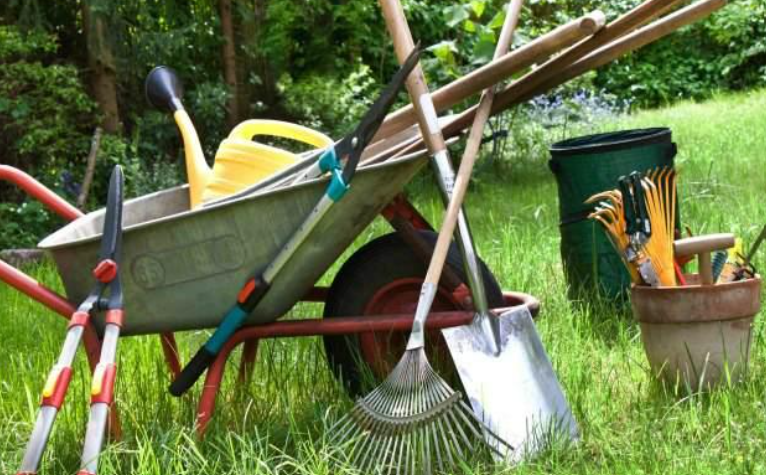
Gardening remains one of the most popular hobbies in the United States, with national surveys consistently finding that more than half of American households participate in some form of lawn or garden activity each year, collectively spending tens of billions of dollars annually on plants, tools, and equipment.
Many of the hand tools gardeners rely on today have changed remarkably little in basic design over the past several centuries, since a well-balanced trowel or a properly forged digging fork solves the same fundamental problem it did generations ago, long before power equipment entered the picture. At the same time, the modern garden shed has expanded well beyond basic hand tools to include battery-powered trimmers, digital soil sensors, and specialized harvesting implements designed for a single narrow task, reflecting just how specialized gardening equipment has become as the hobby has grown.
Choosing the right tool for a specific job not only makes garden work considerably easier but can also mean the difference between a plant that thrives and one damaged by an overly aggressive cut or a poorly timed transplant.
This list explores 60 different types of gardening tools and their uses, organized from basic hand tools through power equipment, watering gear, and specialized harvesting implements.
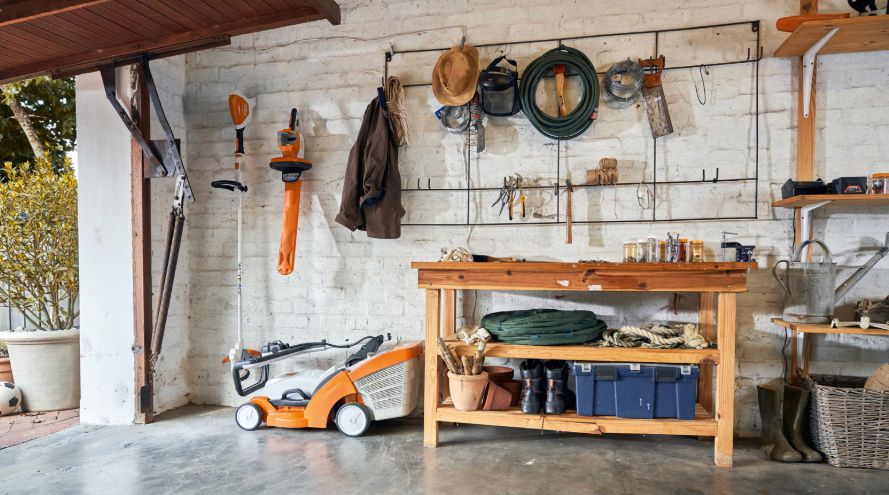
Garden Tools and Their Uses
Garden Trowel
A garden trowel is a small, handheld scoop-shaped tool used for digging small holes, transplanting seedlings, and mixing amendments into potting soil or garden beds. This tool typically features a pointed or slightly rounded blade attached to a short handle, sized specifically for precise, close-up work rather than heavy digging.
Garden trowels remain one of the most frequently used tools in any garden, essential for tasks ranging from planting bulbs to potting up container plants. This tool’s compact size makes it easy to carry in a garden apron or tool caddy for quick access throughout a gardening session.
Hand Cultivator
A hand cultivator, sometimes called a hand fork or claw, features three or four curved metal tines attached to a short handle, designed for loosening compacted soil and working amendments into the top few inches of a garden bed.
This tool is particularly useful for breaking up soil crust around established plants without disturbing their root systems, a task too delicate for larger digging tools. Hand cultivators are also effective for uprooting small weeds and mixing compost into container soil. This tool remains an essential companion to the garden trowel for anyone doing detailed bed preparation or maintenance work.
Garden Spade
A garden spade features a flat, rectangular blade with a sharp edge, designed primarily for edging garden beds, cutting through sod, and slicing cleanly through soil and roots. This tool differs from a shovel in having a flatter blade better suited to precise cutting and edging work rather than scooping and moving large volumes of loose material.
Garden spades are especially useful for creating clean, defined bed edges and for dividing perennial plants by slicing directly through root clumps. This tool’s straight edge also makes it effective for skimming sod when establishing a new garden bed in an existing lawn area.
Digging Fork
A digging fork, sometimes called a garden fork, features four sturdy, flat tines designed for breaking up and turning heavy or compacted soil, particularly clay-heavy ground that resists a standard shovel. This tool is especially useful for harvesting root vegetables like potatoes without slicing through the crop, since the tines slide between roots rather than cutting through them.
Digging forks are also effective for turning compost piles and incorporating organic matter into garden beds before planting. This tool’s ability to penetrate dense soil with less effort than a flat-bladed shovel makes it a favorite for serious vegetable gardeners working heavier ground.
Round-Point Shovel
A round-point shovel features a curved, pointed blade designed for general digging, breaking new ground, and moving loose soil, gravel, or mulch around the garden. This tool’s pointed tip allows it to penetrate soil more easily than a flat-edged spade, making it the preferred choice for digging planting holes and general excavation work.
Round-point shovels remain one of the most versatile and commonly owned tools in any garden shed, suited to a wide range of digging tasks beyond specialized gardening work. This tool’s curved blade shape also makes it effective for scooping and transporting loose material once a hole has been dug.
Square-Point Shovel
A square-point shovel features a flat, straight-edged blade designed primarily for scooping and moving loose materials like sand, gravel, mulch, or compost rather than digging into undisturbed ground. This tool’s flat edge also makes it useful for scraping and leveling surfaces, such as smoothing out a gravel path or leveling soil before laying sod.
Square-point shovels are less effective than round-point shovels for penetrating hard or compacted ground, since their flat edge does not concentrate force the way a pointed blade does. This tool remains a practical addition to the garden shed specifically for material-moving tasks rather than initial digging work.
Post Hole Digger
A post hole digger consists of two long-handled, hinged shovel blades that scissor together to remove soil from a narrow, deep hole, most commonly used for installing fence posts, mailbox posts, or deep plant stakes. This tool allows a gardener to excavate a narrow column of soil far more efficiently than would be possible with a standard shovel, since its design is specifically optimized for depth rather than width.
Post hole diggers are essential for any project requiring a deep, narrow hole, including installing supports for young trees or trellises. This tool’s clamshell-style action makes it possible to remove soil in a confined space where a wider digging tool simply would not fit.
Bulb Planter
A bulb planter is a cylindrical tool, either hand-held or long-handled, designed to remove a neat plug of soil at a consistent depth specifically for planting spring and fall flowering bulbs. This tool typically features depth markings along its side, helping gardeners achieve the correct planting depth for different bulb types without needing to measure separately.
Bulb planters make quick work of installing large quantities of bulbs, since the tool removes, and can later replace, a clean soil plug in a single motion. This tool has become especially popular among gardeners planting extensive drifts of daffodils, tulips, or crocuses each fall.
Dibber
A dibber, sometimes spelled dibble, is a simple pointed tool used to create small, precise holes in soil for planting seeds, seedlings, or small bulbs at a consistent depth and spacing. This tool ranges from a simple sharpened wooden stick to a more refined metal or wooden implement with depth markings etched along its length.
Dibbers are particularly useful when transplanting seedlings started indoors, since the tool creates a hole exactly sized to receive a small root ball without excessive digging. This tool remains a favorite among gardeners who value its simplicity and precision for detailed seed-starting and transplanting work.
Garden Hoe
A garden hoe features a flat, angled blade attached to a long handle, used primarily for slicing weeds off at the soil surface and for creating furrows for planting seeds in straight garden rows. This tool allows a gardener to clear weeds from a large area while standing upright, avoiding the back strain associated with hand-weeding.
Garden hoes are also useful for hilling soil up around the base of plants like potatoes and corn as they grow. This tool remains one of the most essential pieces of equipment for anyone maintaining a vegetable garden with defined rows.
Draw Hoe
A draw hoe features a blade set at a sharper angle than a standard garden hoe, designed specifically for pulling soil toward the user to create furrows, hill up root vegetables, or cover seeds after planting.
This tool’s design makes the drawing motion, rather than a pushing or chopping action, the primary way it is used, distinguishing it from other hoe styles. Draw hoes are particularly effective for creating consistent planting furrows across a prepared bed. This tool remains a traditional favorite among vegetable gardeners specifically for row preparation and hilling tasks.
Stirrup Hoe
A stirrup hoe, also called a scuffle hoe or hula hoe, features a stirrup-shaped, loop-bladed head that cuts weeds on both the push and pull stroke, making weeding considerably more efficient than tools that only cut in one direction. This tool works just beneath the soil surface, severing weed roots from their tops without disturbing the surrounding soil or nearby desirable plants.
Stirrup hoes are especially popular among gardeners maintaining large vegetable beds, since the back-and-forth cutting action covers ground quickly with less physical effort. This tool has become a favorite for efficient, large-scale weed control between garden rows.
Mattock
A mattock combines a pick-like point on one side of its head with a flat, adze-like blade on the other, designed for breaking up extremely hard, rocky, or compacted soil that would be difficult to work with a standard shovel or hoe. This tool is particularly useful for removing stumps, chopping through roots, and clearing new ground for garden beds in areas with challenging soil conditions.
Mattocks require more physical effort to use than lighter hand tools, reflecting their design for genuinely tough excavation and clearing work. This tool remains an essential piece of equipment for anyone establishing a new garden in rocky or heavily rooted ground.
Broadfork
A broadfork consists of a wide row of long, sturdy tines attached to a horizontal bar with two upright handles, designed to loosen and aerate deep soil layers without fully inverting or disturbing the soil structure the way tilling does. This tool is stepped onto and rocked back to penetrate deeply into the ground, then pulled back to lift and loosen the soil beneath, a technique favored by no-till and organic gardeners.
Broadforks are particularly valued for improving soil aeration and drainage in raised beds and market garden rows without destroying the soil’s natural layered structure. This tool has become increasingly popular among gardeners specifically committed to minimal soil disturbance growing practices.
Bypass Pruners
Bypass pruners, sometimes called secateurs, feature two curved blades that pass by each other in a scissor-like action, producing a clean cut well suited to live, actively growing stems and branches. This tool is the standard choice for most routine pruning tasks, including deadheading flowers, trimming perennials, and cutting stems for fresh flower arrangements.
Bypass pruners generally produce a cleaner cut than anvil-style pruners, reducing the risk of crushing plant tissue and helping wounds heal more quickly. This tool remains the single most commonly used pruning implement in nearly every home garden.
Anvil Pruners
Anvil pruners feature a single straight blade that closes onto a flat surface, or anvil, crushing through the stem rather than slicing past it in the manner of bypass pruners. This tool is generally better suited to cutting dead or woody stems, where the crushing action matters less since the material is no longer living tissue that needs a clean wound to heal properly.
Anvil pruners can require less hand strength to cut through thicker dead wood compared to bypass pruners of a similar size. This tool remains a useful complement to bypass pruners specifically for clearing dead growth rather than live, actively growing stems.
Loppers
Loppers resemble oversized bypass or anvil pruners with long handles, providing the leverage needed to cut through thicker branches, typically up to 2 inches in diameter, that standard hand pruners cannot manage. This tool’s extended handles also allow gardeners to reach into dense shrubs or small trees without needing a ladder for moderate height branches.
Loppers are essential for routine shrub and small tree pruning, removing suckers, and clearing thicker deadwood from the garden. This tool bridges the gap between hand pruners for small stems and a pruning saw for genuinely large branches.
Hedge Shears
Hedge shears feature long, straight blades and two handles, designed for shaping and trimming hedges, topiary, and other dense shrub plantings that require an even, uniform surface. This tool allows a gardener to make broad, sweeping cuts across a hedge face, achieving a flatter, more consistent result than would be practical with individual pruning cuts.
Hedge shears remain the traditional tool of choice for formal hedge maintenance, even as powered hedge trimmers have become more common for larger jobs. This tool is particularly valued by gardeners who prefer the quieter, more controlled process of hand-shearing over power equipment.
Pruning Saw
A pruning saw features a curved or straight blade with specially designed teeth for cutting through branches too thick for loppers, typically ranging from about 2 to 6 inches in diameter. This tool’s teeth are often set at an aggressive angle specifically optimized for cutting green, living wood rather than the drier lumber a standard carpentry saw is designed to handle.
Pruning saws are essential for larger tree maintenance tasks, including removing damaged limbs and thinning overcrowded branches. This tool remains a necessary addition to any gardener’s kit once branch diameter exceeds what loppers can comfortably manage.
Pruning Knife
A pruning knife features a curved, single-edged blade designed for precise cutting tasks including grafting, budding, and cleaning up rough pruning cuts left by larger tools. This tool requires more skill and practice to use safely and effectively compared to bypass pruners, since the cutting motion relies entirely on the user’s control rather than a scissor-style mechanism.
Pruning knives remain popular among experienced gardeners and orchardists specifically for detailed plant propagation work. This tool’s precision makes it valuable for tasks where a cleaner, more controlled cut matters more than speed.
Grafting Knife
A grafting knife features an extremely sharp, single-beveled blade specifically designed for making the precise, clean cuts required to successfully graft one plant variety onto another’s rootstock. This tool’s single bevel allows for an unusually flat, smooth cut surface, which is essential for ensuring good contact between the graft and the rootstock as the two pieces heal together.
Grafting knives are used extensively in fruit tree propagation, where combining a desirable fruiting variety with a hardier or more disease-resistant rootstock is standard practice. This tool remains essential equipment for anyone seriously engaged in fruit tree propagation or ornamental plant breeding.
Pole Pruner
A pole pruner combines a cutting head, either a bypass blade or a small saw, with an extendable pole, allowing a gardener to prune branches well overhead without needing a ladder. This tool is typically operated by pulling a rope or cord that activates the cutting mechanism at the top of the pole.
Pole pruners are particularly valuable for maintaining tall shrubs and small trees where branches are out of reach from the ground but not thick enough to require professional tree service equipment. This tool significantly improves safety by reducing the need to prune from an unstable ladder position.
Pole Saw
A pole saw pairs a saw blade with an extendable pole, similar in concept to a pole pruner but designed specifically for cutting through branches too thick for a simple bypass cutting head. This tool allows gardeners to remove larger overhead limbs from a safe, ground-level position rather than climbing into a tree.
Pole saws are available in both manual and powered versions, with battery or gas-powered models making quick work of larger branches that would take considerable time and effort to cut by hand. This tool remains an important safety-focused option for homeowners handling moderate tree maintenance themselves rather than hiring a professional arborist.
Leaf Rake
A leaf rake features a fan-shaped head with flexible tines, designed specifically for gathering fallen leaves and light garden debris from lawns and garden beds. This tool’s lightweight, flexible tines are gentle enough to use over grass and delicate ground covers without damaging the plants underneath.
Leaf rakes remain an essential seasonal tool for fall cleanup, though many gardeners also use them throughout the growing season to clear light debris from garden paths and beds. This tool’s wide sweep makes quick work of covering large lawn areas compared to smaller hand tools.
Bow Rake
A bow rake, sometimes called a garden rake, features a row of short, sturdy metal tines attached to the head by two curved bows, designed for leveling soil, breaking up clumps, and preparing seedbeds. This tool is considerably heavier and more rigid than a leaf rake, built specifically for working soil rather than gathering light debris.
Bow rakes are essential for smoothing out a garden bed after tilling, removing rocks and debris, and creating a fine, even seedbed before planting. This tool remains one of the most commonly used implements for general soil preparation throughout the gardening season.
Dethatching Rake
A dethatching rake features sharp, curved blades specifically designed to pull up and remove thatch, the layer of dead grass and organic debris that can build up at the soil surface in a lawn over time. This tool helps improve water and nutrient penetration into the soil by removing this often dense, matted layer that can otherwise block airflow and moisture from reaching grass roots.
Dethatching rakes require more physical effort to use effectively than standard leaf or bow rakes, given the more aggressive cutting action needed to lift embedded thatch. This tool remains an important seasonal lawn care implement, typically used once or twice a year as part of broader lawn maintenance.
Lawn Leveling Rake
A lawn leveling rake features a wide, flat head designed to spread and level soil, sand, or topdressing material evenly across a lawn surface, helping smooth out low spots and uneven ground. This tool is commonly used after core aeration or when applying a topdressing layer of compost or sand to improve lawn health and appearance.
Lawn leveling rakes distribute material far more evenly across a wide area than would be possible with a standard rake or shovel. This tool has become an increasingly popular addition to serious lawn care routines focused on achieving a smooth, professional-looking turf surface.
Watering Can
A watering can consists of a container with a handle and a spout, often fitted with a perforated rose attachment, used for hand-watering individual plants, seedlings, and container gardens with precise control. This tool allows a gardener to direct water exactly where it’s needed without the pressure and spray pattern of a hose, making it ideal for delicate seedlings that could be damaged by more forceful watering methods.
Watering cans remain especially useful for indoor plants, greenhouse seedlings, and small container gardens where a hose would be impractical. This tool’s simplicity and portability have kept it a garden staple despite the availability of more elaborate irrigation equipment.
Garden Hose
A garden hose is a flexible tube connected to an outdoor water spigot, used for delivering water across a garden or yard to areas beyond the reach of a watering can. This tool can be fitted with various nozzle attachments to adjust spray pattern and intensity depending on the specific watering task at hand.
Garden hoses remain the most fundamental piece of watering equipment in nearly every yard, serving as the water source for sprinklers, soaker hoses, and hand-watering wands alike. This tool’s reach and flexibility make it indispensable for covering larger garden areas efficiently.
Hose Reel
A hose reel is a storage device, either freestanding or wall-mounted, that allows a garden hose to be neatly wound up and stored after use, preventing tangling and extending the hose’s overall lifespan. This tool typically includes a crank handle or, in motorized versions, an automatic retraction mechanism to make hose storage quick and effortless.
Hose reels help keep garden and yard areas tidy by eliminating loose, sprawling hoses left lying across lawns and pathways. This tool represents a practical quality-of-life improvement for anyone who regularly uses a garden hose throughout the growing season.
Sprinkler
A sprinkler attaches to the end of a garden hose and disperses water in a controlled pattern across a lawn or garden bed, automating the watering process for larger areas that would be impractical to hand-water. This tool comes in numerous styles, including oscillating, rotating, and stationary designs, each suited to different coverage shapes and area sizes.
Sprinklers remain the most common method for watering lawns and larger garden beds, offering a hands-off approach compared to hand-watering with a can or hose wand. This tool’s coverage efficiency makes it especially valuable for maintaining consistent moisture across expansive garden or lawn areas.
Soaker Hose
A soaker hose is a porous hose that allows water to seep out slowly along its entire length, delivering moisture directly to the soil and plant roots rather than spraying it into the air like a standard sprinkler. This tool significantly reduces water loss to evaporation and helps keep foliage dry, which can lower the risk of certain fungal diseases that thrive in consistently wet leaves.
Soaker hoses are typically laid directly along garden rows or snaked through raised beds, providing efficient, targeted irrigation. This tool has become increasingly popular among water-conscious gardeners specifically for its efficiency compared to overhead watering methods.
Drip Irrigation Kit
A drip irrigation kit consists of tubing, emitters, and connectors that deliver water in slow, precise drops directly to the base of individual plants, offering one of the most water-efficient irrigation methods available to home gardeners. This tool can be customized extensively, with emitters placed at exact intervals to match the specific spacing and water needs of different plants within a single bed.
Drip irrigation systems can also be connected to timers, allowing for fully automated watering schedules that require minimal ongoing effort once properly installed. This tool has become the preferred choice for water-conscious vegetable gardens and regions where water conservation is a significant concern.
Water Wand
A water wand is a long, rigid attachment fitted to the end of a garden hose, allowing a gardener to direct a gentle, controlled stream of water to hanging baskets, tall containers, or plants situated deep within a densely planted bed. This tool’s extended reach means a gardener does not need to step directly into a planting bed to water plants located toward the back or center of the space.
Water wands typically include a breaker or rose attachment at the tip to soften the water flow, protecting delicate plants from a harsh, direct stream. This tool remains especially popular among container gardeners and anyone managing hanging plants positioned above normal reach.
Misting Nozzle
A misting nozzle produces an extremely fine spray of water, used primarily for delicate seedlings, humidity-loving houseplants, and propagating cuttings that require consistent moisture without the force of a standard watering stream. This tool’s gentle output helps prevent soil disturbance and physical damage to fragile young plant tissue during the critical early growth stages.
Misting nozzles are commonly used in greenhouse propagation setups, where maintaining high humidity around cuttings and seedlings significantly improves rooting success rates. This tool remains an essential piece of equipment for anyone seriously engaged in starting plants from seed or cuttings.
Lawn Mower
A lawn mower cuts grass to a consistent, even height across a lawn, available in push-reel, gas-powered, electric, and robotic models suited to different lawn sizes and maintenance preferences. This tool remains the single most essential piece of equipment for anyone maintaining a traditional turf lawn, with regular mowing helping keep grass healthy and preventing weeds from establishing.
Lawn mowers vary considerably in cutting width and power, with larger riding models suited to expansive properties and smaller push models better for compact urban and suburban yards. This tool represents one of the largest individual equipment investments most homeowners make for outdoor maintenance.
String Trimmer
A string trimmer, commonly called a weed whacker or weed eater, uses a rapidly spinning nylon line to cut grass and weeds in areas a lawn mower cannot easily reach, including around trees, fence lines, and garden bed edges. This tool is essential for achieving a clean, finished look after mowing, since it handles the detailed edge work that mower blades cannot access effectively.
String trimmers are available in gas, corded electric, and battery-powered versions, with battery models becoming increasingly popular for their quieter operation and lack of exhaust fumes. This tool remains a standard companion to the lawn mower in most yard maintenance routines.
Hedge Trimmer
A hedge trimmer uses a set of reciprocating blades to quickly and evenly cut through hedge foliage, dramatically speeding up shrub maintenance compared to manual hedge shears. This tool is available in corded electric, battery, and gas-powered versions, with longer blade lengths generally suited to larger, more extensive hedge plantings.
Hedge trimmers allow gardeners to maintain crisp, formal hedge lines with considerably less physical effort than hand shearing an equivalent area. This tool has become the standard choice for anyone maintaining substantial hedging, reserving hand shears mainly for detailed touch-up work.
Leaf Blower
A leaf blower uses a high-velocity stream of air to quickly clear leaves, grass clippings, and light debris from lawns, driveways, and patios, significantly speeding up cleanup tasks compared to raking by hand. This tool is available in handheld and backpack configurations, with backpack models generally offering more power for larger properties with substantial leaf accumulation.
Leaf blowers can also be used to clear debris from gutters and hard-to-reach garden corners where raking would be impractical. This tool remains a popular, if sometimes controversial, piece of equipment given ongoing debates in some communities over noise levels and environmental impact.
Chainsaw
A chainsaw uses a motorized, rotating chain lined with cutting teeth to quickly cut through tree trunks, thick branches, and firewood, handling cutting tasks well beyond the capability of a hand pruning saw. This tool requires careful safety training and proper protective equipment given the significant injury risk associated with improper use.
Chainsaws are essential for removing fallen trees, cutting firewood, and handling major tree maintenance tasks that exceed what pole saws or loppers can manage. This tool remains one of the more powerful and potentially dangerous pieces of equipment found in a home garden shed, reserved for genuinely heavy-duty cutting work.
Tiller
A tiller uses rotating metal tines to break up and mix soil, preparing garden beds for planting by loosening compacted ground and incorporating compost or other amendments in a single pass. This tool dramatically reduces the physical effort required to prepare a new garden bed compared to hand-digging with a spade or fork.
Tillers are available in smaller front-tine models suited to established garden beds and larger rear-tine models better equipped for breaking new ground. This tool remains especially valuable when establishing a new vegetable garden or renovating an existing bed with compacted or heavily weed-infested soil.
Lawn Aerator
A lawn aerator removes small plugs of soil and turf from a lawn, relieving compaction and allowing air, water, and nutrients to penetrate more effectively down to the grass roots. This tool is typically used once or twice a year as part of a broader lawn care program, particularly on lawns that receive heavy foot traffic or have naturally dense, compacted soil.
Aerators are available as manual spike tools, push-behind plug aerators, and larger tow-behind models for extensive properties. This tool plays an important role in maintaining long-term lawn health, since compacted soil can significantly limit grass growth even with otherwise adequate watering and fertilization.
Chipper Shredder
A chipper shredder processes branches, twigs, and garden debris into small wood chips or mulch, providing an efficient way to recycle yard waste directly back into the garden rather than sending it to a landfill or waste pickup. This tool significantly reduces the volume of pruned branches and fallen limbs, converting bulky debris into a compact, useful mulch material.
Chipper shredders vary considerably in power and branch-diameter capacity, with larger models handling thicker limbs that smaller consumer units cannot process. This tool has become increasingly popular among gardeners focused on sustainable, closed-loop yard waste management.
Soil pH Meter
A soil pH meter measures the acidity or alkalinity of garden soil, providing essential information for determining which plants will thrive in a given location and whether soil amendments are needed to adjust the growing environment. This tool typically features a probe inserted directly into moist soil, providing a reading without requiring a laboratory soil test.
Soil pH meters help gardeners avoid the common problem of nutrient deficiencies caused by soil chemistry rather than an actual lack of nutrients in the ground, since many nutrients become unavailable to plants at the wrong pH level. This tool remains a valuable diagnostic aid for anyone troubleshooting poor plant performance despite seemingly adequate care.
Soil Thermometer
A soil thermometer measures the temperature of garden soil at planting depth, helping gardeners determine the optimal time to sow seeds or transplant seedlings based on a crop’s specific temperature requirements rather than simply guessing from the calendar date. This tool is particularly useful for warm-season crops like tomatoes and peppers, which can suffer stunted growth if planted into soil that is still too cold despite warm air temperatures.
Soil thermometers typically feature a metal probe connected to a dial or digital display for an accurate reading at root depth. This tool helps reduce the guesswork involved in timing spring planting, particularly in regions with unpredictable early-season weather.
Moisture Meter
A moisture meter measures the water content of soil at root level, helping gardeners avoid both overwatering and underwatering by providing an objective reading rather than relying solely on visual inspection of the soil surface. This tool is especially useful for container plants and houseplants, where surface soil can appear dry while the root zone below remains adequately moist, or vice versa.
Moisture meters typically feature a probe that is inserted into the soil, providing an immediate reading on a simple gauge or digital display. This tool has become a popular, low-cost way to prevent one of the most common causes of houseplant and container plant decline.
Hori-Hori Knife
A hori-hori knife is a versatile, Japanese-designed digging and cutting tool featuring a sturdy, slightly curved, serrated blade that functions as a combination trowel, weeding tool, and small saw all in one implement. This tool’s pointed, reinforced blade can dig through surprisingly hard or root-filled soil, while its serrated edge handles cutting through tough roots or twine with ease.
Hori-hori knives have gained a devoted following among gardeners specifically for their remarkable versatility, often replacing several single-purpose tools in one compact design. This tool’s sturdy construction and multi-functional design have made it an increasingly popular addition to gardening kits well beyond its traditional Japanese origins.
Harvest Basket
A harvest basket is a wide, sturdy container, often made of wire, wicker, or fabric, designed for collecting vegetables, fruit, and cut flowers as they are gathered throughout the garden. This tool’s open design allows for good airflow around freshly picked produce, helping prevent the moisture buildup and bruising that can occur when harvested items are packed too tightly into a closed container.
Harvest baskets are typically sized and shaped to be carried comfortably while moving through garden rows, often featuring a sturdy handle for easy transport. This tool remains an essential piece of equipment during the peak harvest season for any productive vegetable or fruit garden.
Asparagus Knife
An asparagus knife features a long, narrow, forked or notched blade specifically designed to cut asparagus spears below the soil surface without damaging the crown or nearby emerging shoots. This tool’s narrow profile allows it to slide precisely alongside a spear and sever it cleanly at the correct depth, a task considerably more difficult with a standard knife or pair of scissors.
Asparagus knives are also occasionally used for removing deep-rooted taproot weeds like dandelions, taking advantage of the tool’s long, narrow reach. This tool remains a genuine specialty implement, valuable primarily to gardeners specifically growing this particular perennial vegetable.
Berry Picker
A berry picker features a comb-like set of tines or fingers designed to strip berries efficiently from bushes like blueberries or currants, significantly speeding up harvest compared to picking each berry individually by hand. This tool works by running the comb through the branches, catching ripe, loosely attached berries in an attached container while allowing less ripe, more firmly attached berries to remain on the plant.
Berry pickers are particularly valuable for gardeners with larger berry plantings, where hand-picking every individual fruit would be extremely time-consuming. This tool represents a practical, specialized solution for one of the more repetitive harvest tasks in a home fruit garden.
Wheelbarrow
A wheelbarrow consists of a single wheel, two handles, and a wide carrying bed, used for transporting soil, mulch, plants, tools, and other heavy or bulky garden materials across a yard or garden. This tool’s single-wheel design allows for good maneuverability in tight spaces and uneven terrain compared to multi-wheeled garden carts.
Wheelbarrows remain one of the most essential pieces of equipment for any significant garden project, from spreading mulch to hauling away yard debris. This tool’s simple but effective design has remained largely unchanged for centuries, a testament to how well it solves the basic problem of moving heavy garden materials.
Garden Cart
A garden cart typically features two or four wheels and a larger, more stable carrying capacity than a traditional wheelbarrow, designed for transporting heavier loads or larger volumes of material with greater balance and less physical strain. This tool’s additional wheels provide more stability on uneven ground, though this comes at some cost to the tight-turning maneuverability a single-wheeled wheelbarrow offers.
Garden carts are particularly popular among gardeners managing larger properties or heavier hauling tasks, such as moving large potted plants or substantial loads of firewood. This tool represents a practical alternative to the wheelbarrow specifically for larger-scale or heavier-duty transport needs.
Garden Gloves
Garden gloves protect hands from thorns, splinters, blisters, and soil-borne contaminants while providing improved grip for handling tools and plants throughout various garden tasks. This tool comes in numerous specialized styles, including thick leather gauntlet gloves for handling roses and thorny shrubs, and thinner, more dexterous gloves suited to detailed seedling work.
Garden gloves remain one of the most basic but essential pieces of personal protective equipment for any gardener, reducing the risk of cuts, scrapes, and skin irritation from certain plants or soil amendments. This tool’s importance is often underappreciated until a gardener experiences a painful thorn injury or allergic soil reaction firsthand.
Kneeling Pad
A kneeling pad provides a cushioned surface to protect knees and joints during extended periods of ground-level garden work, including weeding, planting, and harvesting low-growing crops. This tool significantly reduces the physical discomfort associated with kneeling directly on hard or damp ground for extended periods.
Kneeling pads are typically made from dense, water-resistant foam that stays comfortable even after repeated exposure to garden moisture. This tool remains a simple but highly valued piece of equipment for gardeners who spend significant time working close to the ground.
Garden Kneeler Seat
A garden kneeler seat combines a padded kneeling surface with sturdy side handles that can also flip over to function as a small seated bench, offering gardeners flexibility depending on the specific task and their physical comfort needs. This tool’s dual-purpose design makes it particularly popular among older gardeners or anyone with joint pain who benefits from being able to alternate between kneeling and sitting positions.
Garden kneeler seats typically include the added benefit of raised handles that make standing back up considerably easier than getting up from a simple foam pad alone. This tool has become an increasingly popular ergonomic solution for making extended garden work more physically manageable.
Plant Stakes
Plant stakes are thin, rigid supports made from wood, bamboo, metal, or plastic, used to provide structural support for tall or heavy-stemmed plants that might otherwise flop over or break under their own weight. This tool is commonly used for tomatoes, dahlias, delphiniums, and other tall plants prone to wind or weight-related stem damage.
Plant stakes are typically inserted into the soil near a plant’s base and secured to the stem with soft ties or twine as the plant grows taller. This tool remains an essential, low-cost solution for keeping top-heavy or floppy plants upright throughout the growing season.
Tomato Cage
A tomato cage is a cylindrical wire frame placed around a young tomato plant, providing support as the plant grows and helping keep both the foliage and developing fruit off the ground. This tool reduces the risk of fruit rot and disease that can occur when tomato branches and fruit come into direct, prolonged contact with damp soil.
Tomato cages are typically installed early in the season while plants are still small, allowing the plant to grow up through the cage’s structure naturally. This tool remains one of the most commonly used supports in vegetable gardens, specifically designed around the sprawling growth habit of tomato plants.
Trellis
A trellis is a freestanding or wall-mounted framework, typically made of wood, metal, or plastic, that provides climbing plants like peas, cucumbers, and flowering vines with a structure to grow up rather than sprawl across the ground. This tool improves air circulation around climbing plants, which can reduce fungal disease pressure compared to plants left to sprawl in dense, poorly ventilated contact with the soil.
Trellises also make harvesting considerably easier, since fruit and vegetables grown vertically are more visible and accessible than those hidden within a sprawling ground-level vine. This tool remains an essential structural element for maximizing productivity in smaller vegetable gardens where vertical growing space is more available than horizontal ground space.
Broadcast Spreader
A broadcast spreader distributes seed, fertilizer, or other granular lawn and garden products evenly across a wide area, typically using a rotating disk mechanism to fling material outward as the spreader is pushed or pulled across the ground. This tool ensures far more even coverage than hand-scattering material, reducing the streaky or patchy results that commonly occur when fertilizer or grass seed is applied unevenly by hand.
Broadcast spreaders are available in smaller handheld models for garden beds and larger push or tow-behind models suited to substantial lawn areas. This tool remains an essential piece of equipment for anyone seriously maintaining a lawn, since even application is critical to avoiding stripes or patches of over- or under-treated grass.
Soil Sieve
A soil sieve, sometimes called a riddle, consists of a mesh screen set within a sturdy frame, used to sift soil or compost and remove rocks, roots, and other debris before using the material for seed starting or fine garden work. This tool produces a finer, more uniform soil texture particularly important for starting delicate seeds, which can struggle to push through soil containing large clumps or debris.
Soil sieves are also commonly used when preparing homemade potting mixes or screening finished compost before applying it to garden beds. This tool remains a valuable, if often overlooked, piece of equipment for gardeners focused on producing the highest-quality growing medium for their most delicate plants.