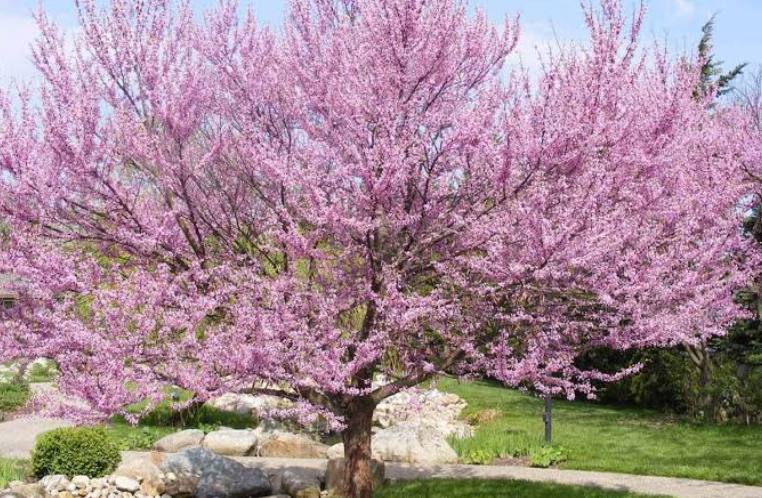
Trees that grow well in Colorado face one of the more unusual sets of growing conditions found anywhere in the country, shaped by an elevation range that spans from roughly 3,300 feet along the eastern plains to more than 14,000 feet at the state’s highest peaks. This massive elevation shift creates dramatically different growing zones within just a few hours of driving, meaning a tree that thrives in downtown Denver may struggle badly a short distance up into the foothills, while high-altitude conifers that dominate the mountains would never survive the heat and dry wind of the plains.
Colorado’s semi-arid climate adds another layer of difficulty, with the Front Range typically receiving less than 16 inches of precipitation annually, forcing many of the state’s best-performing trees to rely on natural drought tolerance or careful supplemental irrigation. Wide temperature swings are also common, with Colorado’s low humidity allowing daily temperature shifts of 30 degrees Fahrenheit or more, a pattern that can stress trees not specifically adapted to rapid freeze-thaw cycles. This list covers 50 trees, ranging from native alpine conifers to hardy plains natives and popular urban ornamentals, that grow well across Colorado’s remarkably varied terrain.
Colorado Blue Spruce
The Colorado blue spruce, the official state tree of Colorado, is prized for its striking blue-gray needle coloration and can reach a mature height of 75 to 100 feet in favorable mountain growing conditions. This tree is native to stream banks and moist canyon slopes throughout the Rocky Mountains, typically found at elevations between 6,000 and 11,000 feet across the state.
Colorado blue spruce is remarkably cold hardy, capable of withstanding winter temperatures well below negative 20 degrees Fahrenheit without significant damage. This tree has also become one of the most widely planted ornamental conifers in Front Range landscapes, valued for its symmetrical form and consistent year-round color.
Engelmann Spruce
The Engelmann spruce dominates Colorado’s higher subalpine forests, typically found between 9,000 and 11,500 feet, where it forms dense stands alongside subalpine fir in some of the coldest, snowiest parts of the state. This tree can reach a mature height of 80 to 100 feet and is known for its shallow, wide-spreading root system, an adaptation suited to the thin, rocky soils common at high elevation.
Engelmann spruce is extremely slow growing at higher elevations, sometimes adding less than 6 inches of height per year, but can live for more than 400 years in undisturbed old-growth stands. This tree’s soft, flexible needles distinguish it from the stiffer, sharper needles of the Colorado blue spruce found at somewhat lower elevations.
Subalpine Fir
The subalpine fir grows at some of the highest tree-supporting elevations in Colorado, typically found between 9,500 and 11,500 feet, where it often takes on a distinctive narrow, spire-like shape adapted to shed heavy snow loads. This tree usually reaches a mature height of 60 to 100 feet, though specimens near the tree line are frequently much shorter and more wind-stunted.
Subalpine fir is remarkably tolerant of deep, long-lasting snowpack, and its narrow crown reduces the weight of accumulated snow that could otherwise cause branch breakage. This tree often marks the transition zone into Colorado’s alpine tundra, where conditions eventually become too harsh to support any tree growth at all.
Douglas Fir
The Douglas fir grows across a wide elevation range in Colorado, typically found between 5,500 and 9,500 feet on cooler, north-facing slopes and in sheltered canyon habitats. This tree can reach a mature height of 80 to 130 feet, making it one of the tallest conifers found within the state, with a lifespan that frequently exceeds 400 years in favorable old-growth conditions.
Douglas fir is easily identified by its distinctive cones, which feature small, three-pointed bracts extending outward between the cone scales. This tree’s thick, corky bark provides considerable fire resistance, helping mature specimens survive low-intensity wildfires that periodically move through Colorado’s montane forests.
Ponderosa Pine
The ponderosa pine forms extensive forests along Colorado’s Front Range foothills, typically thriving between 6,000 and 9,000 feet where it often grows in open, park-like stands with considerable space between mature trees. This tree can reach a mature height of 60 to 100 feet and is known for its distinctive orange-brown, puzzle-piece bark texture, which many visitors describe as having a faint vanilla or butterscotch scent on warm days.
Ponderosa pine is highly adapted to Colorado’s periodic wildfires, with thick bark and self-pruning lower branches that reduce the risk of flames reaching the tree’s canopy. This tree’s long taproot system also makes it notably drought tolerant compared to many other large conifers found in the state.
Lodgepole Pine
The lodgepole pine is one of the most widespread conifers in Colorado’s montane and subalpine forests, typically found between 8,000 and 10,000 feet, where it often forms dense, uniform stands following wildfire or other major disturbance. This tree usually reaches a mature height of 60 to 80 feet and grows notably straight and narrow, a trait that made it historically valuable for construction and fencing, which is reflected in its common name.
Lodgepole pine produces serotinous cones in many populations, meaning the cones remain sealed with resin until intense fire heat causes them to open and release seed. This tree’s rapid colonization ability after disturbance makes it one of the first conifer species to reestablish in areas affected by fire or significant beetle kill.
Bristlecone Pine
The bristlecone pine is among the longest-lived trees on Earth, with some individuals found in Colorado’s high alpine zones estimated to be more than 2,000 years old. This tree typically grows very slowly at the harsh, wind-exposed elevations it favors, often above 10,500 feet, sometimes reaching a mature height of only 20 to 40 feet after many centuries of growth.
Bristlecone pine needles can remain on the tree for up to 40 years, an unusually long retention period that helps the tree conserve energy in its extremely short, harsh growing season. This tree’s twisted, weathered wood and gnarled growth form, shaped by decades of exposure to intense wind and cold, make older specimens among the most visually striking trees found anywhere in the Colorado high country.
Limber Pine
The limber pine grows in some of the most exposed, rocky sites in Colorado’s subalpine and alpine transition zones, typically found between 8,500 and 11,500 feet. This tree gets its name from its notably flexible branches, which can bend significantly under heavy snow or wind loads without breaking, an important adaptation for its harsh, high-elevation habitat.
Limber pine typically reaches a mature height of 30 to 50 feet, often growing shorter and more twisted near the upper limits of its elevational range. This tree relies heavily on Clark’s nutcracker, a high-elevation bird species, for seed dispersal, since the bird caches large numbers of limber pine seeds that are never retrieved and eventually germinate.
Pinyon Pine
The pinyon pine is a smaller, drought-tolerant conifer found throughout Colorado’s lower foothills and mesa country, typically growing between 5,000 and 7,500 feet in the state’s drier southwestern and western regions. This tree usually reaches a mature height of only 15 to 35 feet, reflecting its slow growth rate and adaptation to the thin, rocky soils common across its range.
Pinyon pine produces edible seeds inside its cones that have long been an important traditional food source, with a single productive tree capable of producing a substantial seed crop during favorable years. This tree often grows in close association with juniper species, forming the widespread pinyon-juniper woodland that covers large areas of western Colorado.
White Fir
The white fir grows in Colorado’s montane forests, typically found between 6,500 and 9,500 feet on moist, sheltered slopes and canyon habitats across the western and southern parts of the state. This tree can reach a mature height of 80 to 100 feet and is easily identified by its long, flattened needles, which tend to curve upward along the branch in a distinctive pattern.
White fir is relatively shade tolerant compared to many other Colorado conifers, allowing it to regenerate successfully beneath an existing forest canopy rather than requiring open, sunny conditions. This tree’s smooth, silvery-gray bark on younger specimens gradually develops deep furrows and ridges as the tree matures over several decades.
Quaking Aspen
The quaking aspen is one of the most recognizable trees in Colorado’s mountain landscape, typically found between 7,000 and 10,000 feet, where it forms extensive groves that turn brilliant gold each September and October. This tree is known for its distinctive white bark and leaves that flutter dramatically in even light wind, caused by the flattened shape of the leaf stem connecting each leaf to its branch.
Quaking aspen often grows in large interconnected groves that share a single root system, with individual trunks technically functioning as a single genetically identical organism, some of which are estimated to be thousands of years old. This tree’s brilliant fall color draws significant seasonal tourism to areas like Kebler Pass, Maroon Bells, and Guanella Pass each autumn.
Rocky Mountain Maple
The Rocky Mountain maple is a smaller native tree or large shrub found along stream banks and moist canyon slopes throughout Colorado’s foothill and montane zones, typically growing between 6,000 and 9,000 feet. This tree usually reaches a mature height of 15 to 25 feet and produces attractive orange and red fall color, a trait shared with many of its larger maple relatives.
Rocky Mountain maple tends to grow in a multi-stemmed, shrubby form in more exposed sites, while developing a more tree-like single trunk in sheltered, moist canyon habitat. This tree’s tolerance for partial shade makes it a valuable understory species in mixed conifer forests throughout the state’s mountainous regions.
Narrowleaf Cottonwood
The narrowleaf cottonwood is a fast-growing native tree found along mountain streams and rivers throughout Colorado, typically thriving between 5,500 and 8,500 feet where consistent water is available. This tree can reach a mature height of 40 to 60 feet and grows considerably faster than many other native Colorado trees, often adding several feet of height per year under good moisture conditions.
Narrowleaf cottonwood produces attractive yellow fall color and plays an important ecological role in stabilizing stream banks throughout the state’s mountain riparian corridors. This tree’s narrow, willow-like leaves distinguish it from the broader-leaved plains cottonwood found at lower elevations across the eastern part of the state.
Plains Cottonwood
The plains cottonwood is the dominant native tree along Colorado’s eastern plains waterways, typically found near rivers and streams below 6,000 feet where its extensive root system can access a reliable water table. This tree can reach an impressive mature height of 60 to 100 feet, making it one of the largest native trees found anywhere in the state’s lower elevations.
Plains cottonwood grows remarkably fast, sometimes exceeding 5 feet of height per year in ideal riparian conditions, though this rapid growth generally comes at the cost of a shorter overall lifespan compared to slower-growing native species. This tree provided crucial shade, shelter, and building material for early settlers and Indigenous communities traveling across Colorado’s otherwise largely treeless eastern plains.
Peachleaf Willow
The peachleaf willow is a native tree found along streams and wetland areas throughout Colorado’s plains and lower foothill regions, typically growing to a mature height of 20 to 40 feet. This tree gets its common name from its narrow, pointed leaves, which closely resemble the foliage of a peach tree in both shape and texture.
Peachleaf willow grows quickly and tolerates periodic flooding well, making it a valuable species for stabilizing stream banks and reducing erosion along Colorado’s waterways. This tree’s relatively short lifespan, typically under 70 years, means it is often eventually replaced by longer-lived cottonwood trees within the same riparian habitat over time.
Water Birch
The water birch is a native tree found along Colorado’s mountain streams and moist drainages, typically growing between 5,000 and 9,000 feet, where it often forms dense, multi-stemmed thickets near flowing water. This tree usually reaches a mature height of 20 to 30 feet and is easily identified by its dark, reddish-brown bark, which contrasts with the whiter bark typical of many other birch species.
Water birch produces attractive yellow fall color and small catkins in spring, providing an important early-season food source for various birds. This tree’s dense root system helps stabilize the stream banks where it typically grows, reducing erosion during Colorado’s seasonal spring runoff.
Box Elder
The box elder is one of the most widely distributed native trees in Colorado, found from the eastern plains up through mountain foothill drainages, typically reaching a mature height of 30 to 50 feet. This tree is a member of the maple family, though its compound leaves look notably different from the classic single-bladed leaves most people associate with maples.
Box elder grows quickly and tolerates a wide range of soil and moisture conditions, making it one of the more adaptable native trees found across Colorado’s diverse landscape. This tree is also well known as a preferred host for box elder bugs, a harmless but sometimes numerous insect commonly seen gathering on the trunk and nearby structures in fall.
Gambel Oak
The Gambel oak is the primary native oak species found in Colorado, typically forming dense thickets across foothill and lower montane elevations between 5,500 and 8,000 feet, particularly along the state’s Front Range and western slope. This tree usually grows to a height of 15 to 30 feet and produces vivid orange and red fall color that stands out prominently against Colorado’s evergreen-dominated foothill landscape.
Gambel oak produces abundant acorns that serve as an important food source for black bears, deer, and numerous smaller wildlife species preparing for winter. This tree’s ability to resprout vigorously from its root system after fire makes it a highly resilient and persistent species throughout Colorado’s foothill woodlands.
Chokecherry
The chokecherry is a small native tree found throughout Colorado’s foothills and plains, typically reaching a mature height of 15 to 25 feet, with clusters of white flowers in spring followed by dark red to purple-black fruit in late summer. This tree is highly adaptable, growing successfully from the eastern plains up through mountain elevations approaching 9,000 feet in favorable, sheltered sites.
Chokecherry fruit, while tart and astringent when eaten raw, has long been used for jams, syrups, and traditional foods once properly prepared. This tree’s dense, thicket-forming growth habit provides valuable cover and nesting habitat for a wide range of Colorado bird species throughout the year.
Mountain Ash
The mountain ash, sometimes called Rocky Mountain ash, is a small ornamental tree well suited to Colorado’s higher elevation gardens, typically reaching a mature height of 20 to 30 feet. This tree produces clusters of white flowers in late spring followed by bright orange-red berry clusters that persist into winter, providing a valuable food source for birds during the colder months.
Mountain ash is notably cold hardy, tolerating the harsh winter conditions found throughout Colorado’s mountain communities with relatively little difficulty. This tree’s compact size and multi-season interest, including attractive fall foliage color, have made it a popular ornamental choice in higher elevation Colorado landscapes.
Bur Oak
The bur oak, while not native to Colorado, has proven to be one of the most successful large shade trees for the state’s eastern plains and Front Range urban areas, typically reaching a mature height of 50 to 70 feet. This tree is exceptionally drought and cold tolerant, capable of withstanding Colorado’s wide temperature swings and semi-arid climate considerably better than many other large oak species.
Bur oak produces distinctive acorns with a shaggy, fringed cap and grows relatively slowly, often taking 20 years or more to reach substantial landscape size. This tree’s long lifespan, frequently exceeding 200 years, has made it a popular choice for parks and larger properties throughout Denver and other Front Range communities.
Western Hackberry
The western hackberry is a hardy, drought-tolerant native tree found throughout Colorado’s plains and lower foothill regions, typically growing to a mature height of 30 to 40 feet. This tree tolerates Colorado’s alkaline soils, wind, and extreme temperature swings exceptionally well, making it one of the more resilient large shade trees suited to the state’s eastern plains climate.
Western hackberry produces small, sweet berries in fall that provide an important food source for numerous bird species throughout the winter months. This tree’s rough, warty bark texture and strong resistance to wind damage make it a practical choice for windbreak plantings across Colorado’s more exposed plains landscapes.
Green Ash
The green ash has historically been one of the most widely planted shade trees throughout Colorado’s urban areas, typically reaching a mature height of 40 to 60 feet with a broad, rounded canopy. This tree tolerates a wide range of soil conditions and Colorado’s alkaline soils particularly well, though its popularity has declined somewhat in recent years due to the westward spread of the emerald ash borer, an invasive pest affecting ash trees across the country.
Green ash produces attractive yellow fall color and grows at a moderate to fast rate under good irrigation, often exceeding 2 feet of height per year. This tree remains present in large numbers throughout older Front Range neighborhoods, though many municipalities now recommend diversifying new plantings away from ash species due to ongoing pest concerns.
Honeylocust
The honeylocust is a popular shade tree throughout Colorado’s Front Range communities, typically reaching a mature height of 40 to 60 feet with an open, airy canopy that allows dappled light to reach the ground below. This tree is highly tolerant of Colorado’s alkaline soils, drought, and wide temperature fluctuations, making it one of the more reliable large shade trees for the state’s semi-arid urban environments.
Most landscape honeylocust trees planted today are thornless, seedless cultivars, avoiding the sharp thorns and messy seed pods found on the wild native form. This tree’s fine-textured, compound leaves produce light shade that allows grass and other plants to grow successfully beneath its canopy, a valuable trait in residential landscape settings.
Kentucky Coffeetree
The Kentucky coffeetree is a hardy, adaptable shade tree that performs well throughout Colorado’s urban Front Range landscapes, typically reaching a mature height of 50 to 70 feet. This tree tolerates drought, wind, and alkaline soil conditions with relative ease, making it well suited to Colorado’s challenging semi-arid urban growing environment.
Kentucky coffeetree features bold, coarse-textured compound leaves and large, leathery seed pods that were historically roasted as a coffee substitute by early settlers, giving the tree its common name. This tree’s strong branch structure and resistance to storm damage have made it an increasingly popular choice for street tree plantings throughout Denver and surrounding communities.
American Elm
The American elm was once one of the most commonly planted street trees throughout Colorado, valued for its graceful, vase-shaped canopy and mature height that can reach 60 to 80 feet under favorable conditions. This tree suffered severe losses nationwide due to Dutch elm disease, though Colorado’s relatively dry climate has helped slow the spread of the disease compared to wetter regions of the country.
Several disease-resistant American elm cultivars have been developed in recent decades, allowing this tree to make something of a comeback in newer Front Range plantings. This tree’s fast growth rate and excellent tolerance for urban conditions, including compacted soil and street pollution, continue to make it a valuable option where disease-resistant varieties are used.
Siberian Elm
The Siberian elm is an extremely tough, fast-growing tree found throughout Colorado’s plains and urban areas, typically reaching a mature height of 40 to 50 feet within just a couple of decades of planting. This tree tolerates Colorado’s harsh winters, strong winds, and poor, alkaline soils better than almost any other large tree species available in the state.
Siberian elm grows remarkably quickly, often exceeding 3 feet of height per year, though this rapid growth generally results in weaker wood and a shorter overall lifespan compared to slower-growing shade tree alternatives. This tree has become naturalized in many parts of Colorado, spreading readily along disturbed roadsides and open plains areas beyond its original landscape plantings.
Northern Catalpa
The northern catalpa is a striking ornamental shade tree that performs well throughout Colorado’s Front Range, typically reaching a mature height of 40 to 60 feet with large, heart-shaped leaves and showy white flower clusters in early summer. This tree tolerates Colorado’s alkaline soils and periodic drought reasonably well once established, though it benefits from occasional deep watering during the hottest, driest parts of summer.
Northern catalpa produces long, bean-like seed pods that can persist on the tree well into winter, adding a distinctive visual element to the bare winter landscape. This tree’s large leaf size and bold, tropical-looking foliage make it a popular choice for adding dramatic textural contrast to Colorado residential landscapes.
Rocky Mountain Juniper
The Rocky Mountain juniper is a native evergreen tree found throughout Colorado’s foothills and lower mountain elevations, typically reaching a mature height of 20 to 30 feet in favorable rocky, well-drained sites. This tree is exceptionally drought tolerant and cold hardy, capable of thriving in some of the harshest, most exposed growing conditions found across the state.
Rocky Mountain juniper produces small, bluish, berry-like cones that provide an important food source for numerous bird species throughout the winter months. This tree’s tough, adaptable nature has made it a popular choice for windbreaks and low-maintenance landscaping throughout Colorado’s drier foothill and plains regions.
One-Seed Juniper
The one-seed juniper grows throughout Colorado’s drier southern and western foothill regions, typically reaching a mature height of 15 to 20 feet in the arid, rocky terrain it favors. This tree is remarkably drought resistant, often thriving in areas receiving less than 14 inches of annual precipitation while still producing a consistent crop of small, bluish cones each year.
One-seed juniper frequently grows in association with pinyon pine, forming the pinyon-juniper woodland found across large areas of western Colorado’s mesa country. This tree’s slow growth and hardy, adaptable nature allow it to persist for centuries in some of the state’s most challenging, low-water growing conditions.
Autumn Blaze Maple
The Autumn Blaze maple is one of the most popular ornamental shade trees planted throughout Colorado’s Front Range, valued for its fast growth and reliably brilliant red-orange fall color, typically reaching a mature height of 40 to 50 feet. This hybrid maple variety was specifically developed to combine the strong points of its silver maple and red maple parentage, resulting in a tree with better structural strength and superior fall color performance.
Autumn Blaze maple grows considerably faster than many other maple varieties, often adding 3 feet of height or more per year under good irrigation. This tree does require consistent supplemental watering in Colorado’s semi-arid climate, since maples generally are not naturally drought tolerant compared to many native plains species.
Norway Maple
The Norway maple has been planted throughout Colorado’s urban areas for its dense, rounded canopy and strong tolerance for a wide range of soil and pollution conditions, typically reaching a mature height of 40 to 50 feet. This tree produces dense shade that can make it difficult to grow grass or other plants beneath its canopy, a common consideration for homeowners choosing this species for residential landscapes.
Norway maple tolerates Colorado’s alkaline soils reasonably well, though it requires more consistent irrigation than many native or fully drought-adapted tree species found in the state. This tree’s yellow fall color, while attractive, is generally considered less vivid than that produced by red maple or Autumn Blaze maple varieties commonly planted throughout the region.
Silver Maple
The silver maple is a fast-growing shade tree found throughout Colorado’s older urban neighborhoods, capable of reaching a mature height of 50 to 80 feet within a few decades of planting. This tree grows notably quickly, often exceeding 3 to 4 feet of height per year under good conditions, though this rapid growth is generally associated with weaker wood that can be more prone to storm damage.
Silver maple requires consistent supplemental irrigation in Colorado’s semi-arid climate and performs best in areas with reliable access to water, such as near irrigated lawns or riparian corridors. This tree’s distinctive silvery-white leaf undersides create an attractive shimmering effect when the foliage moves in Colorado’s frequent afternoon breezes.
Red Maple
The red maple grows successfully in parts of Colorado when given appropriate soil amendments, since the state’s naturally alkaline soil can sometimes cause nutrient deficiencies that affect this tree’s overall vigor and leaf color. This tree typically reaches a mature height of 40 to 50 feet and is prized for its brilliant red fall foliage, one of the most vivid color displays among trees commonly planted in Front Range landscapes.
Red maple requires more consistent moisture and slightly more acidic soil conditions than many Colorado natives, making proper site selection and soil preparation particularly important for long-term success. This tree’s early spring red flowers also provide an important early-season nectar source for pollinators emerging from winter dormancy.
American Linden
The American linden, also known as basswood, is a large, adaptable shade tree that performs well throughout Colorado’s urban Front Range communities, typically reaching a mature height of 50 to 70 feet. This tree produces small, fragrant yellow flowers in early summer that attract large numbers of bees, making it a valuable tree for supporting local pollinator populations.
American linden tolerates Colorado’s alkaline soils and urban growing conditions reasonably well, though it benefits from regular deep watering during the state’s hot, dry summer months. This tree’s dense, heart-shaped leaves provide substantial cooling shade, making it a popular choice for parks and larger residential properties.
Littleleaf Linden
The littleleaf linden is a smaller, more compact relative of the American linden, typically reaching a mature height of 40 to 50 feet with a distinctive pyramidal to oval canopy shape. This tree is widely planted as a street tree throughout Denver and other Front Range cities due to its tolerance for urban conditions, including compacted soil, reflected heat, and periodic drought stress.
Littleleaf linden produces fragrant flowers in early summer, similar to the American linden, though on a somewhat smaller and more refined scale suited to narrower urban planting spaces. This tree’s dense, uniform growth habit and strong tolerance for pruning have made it a popular formal shade tree choice throughout Colorado’s urban landscapes.
Norway Spruce
The Norway spruce, though not native to Colorado, has become a widely planted ornamental conifer throughout the state’s Front Range, typically reaching a mature height of 50 to 75 feet. This tree grows notably faster than the native Colorado blue spruce, often adding 1 to 2 feet of height per year under favorable conditions, making it a popular choice for quicker screening and windbreak plantings.
Norway spruce features distinctive drooping branchlets, particularly noticeable on more mature specimens, which help distinguish it visually from the stiffer branching pattern of Colorado’s native spruce species. This tree tolerates Colorado’s cold winters well but benefits from consistent supplemental irrigation, since it is somewhat less drought tolerant than many native alternatives.
Austrian Pine
The Austrian pine is a hardy, adaptable evergreen widely planted throughout Colorado for windbreaks and ornamental screening, typically reaching a mature height of 40 to 60 feet. This tree tolerates Colorado’s alkaline soils, wind, and periodic drought considerably better than many other non-native pine species commonly available in the nursery trade.
Austrian pine features dense, dark green needles and a broad, pyramidal form that provides substantial year-round privacy screening once the tree reaches maturity. This tree has faced increasing pressure in recent years from diseases such as Dothistroma needle blight, prompting many Colorado landscapers to recommend diversifying new plantings with a mix of conifer species.
Scotch Pine
The Scotch pine has been widely planted throughout Colorado for both windbreak purposes and as a popular Christmas tree species, typically reaching a mature height of 30 to 60 feet depending on growing conditions. This tree is notably drought and cold tolerant, adapting well to Colorado’s semi-arid climate and wide seasonal temperature swings.
Scotch pine is easily identified by its distinctive orange-tinted upper bark, which becomes increasingly visible as the tree matures and its lower bark develops a darker, more furrowed texture. This tree’s relatively fast early growth rate, combined with its tolerance for poor soils, made it historically popular for reclamation plantings across disturbed sites throughout the state.
Flowering Crabapple
The flowering crabapple is one of the most popular small ornamental trees planted throughout Colorado, valued for its dramatic spring flower display in shades of white, pink, or deep red, typically reaching a mature height of 15 to 25 feet. This tree tolerates Colorado’s alkaline soils and cold winters well, making it a reliable choice for adding seasonal color to residential landscapes across the state’s various climate zones.
Many crabapple varieties also produce small, colorful fruit that persists into winter, providing an important food source for robins and other birds during the colder months. This tree’s compact size and relatively low water requirements once established have made it one of the most commonly planted ornamental trees throughout Front Range neighborhoods.
Chanticleer Pear
The Chanticleer pear is a popular ornamental flowering tree throughout Colorado’s urban landscapes, known for its narrow, upright growth habit and abundant white flower display each spring, typically reaching a mature height of 30 to 40 feet. This tree tolerates Colorado’s alkaline soils and urban growing conditions well, and its narrow canopy shape makes it particularly well suited to smaller yards and tighter street tree planting spaces.
Chanticleer pear produces attractive reddish-purple fall color, adding seasonal interest beyond its notable spring bloom period. This tree’s strong branch structure, an improvement over some earlier flowering pear varieties, has made it more resistant to storm damage from Colorado’s occasional heavy, wet spring snowfalls.
Ohio Buckeye
The Ohio buckeye is a mid-sized shade tree that performs reasonably well in parts of Colorado with adequate soil moisture, typically reaching a mature height of 30 to 40 feet with a rounded, dense canopy. This tree produces showy clusters of yellow-green flowers in spring, followed by distinctive spiny seed pods containing the shiny brown seeds that give the tree its common name.
Ohio buckeye tends to drop its leaves earlier in late summer compared to many other shade trees, an adaptation to heat and drought stress that becomes more pronounced during Colorado’s hottest, driest years. This tree’s early fall color and interesting seed pods provide multi-season visual interest for larger Front Range properties with sufficient available space.
Serviceberry
The serviceberry is a versatile small native tree found throughout Colorado’s foothills, typically reaching a mature height of 15 to 25 feet with clusters of white flowers in early spring followed by small, sweet, blueberry-like fruit in early summer. This tree tolerates a wide range of Colorado growing conditions, from foothill canyons to well-irrigated urban landscapes, making it one of the more adaptable native ornamental trees available in the state.
Serviceberry fruit is highly attractive to birds, and the tree’s compact size makes it a popular choice for smaller residential yards throughout the Front Range. This tree also produces excellent orange to red fall color, adding a third season of visual interest beyond its spring flowers and summer fruit.
Thornless Cockspur Hawthorn
The thornless cockspur hawthorn is a small ornamental tree well suited to Colorado’s urban and suburban landscapes, typically reaching a mature height of 15 to 25 feet with clusters of white spring flowers followed by bright red fall fruit. This tree tolerates Colorado’s alkaline soils, drought, and wide temperature swings considerably well once established, making it a low-maintenance option for smaller landscape spaces.
The thornless variety of this hawthorn species is specifically preferred in residential settings, avoiding the sharp thorns found on the wild native form while retaining the same attractive flowering and fruiting characteristics. This tree’s persistent red berries provide valuable winter food for birds long after most other ornamental trees have dropped their fruit.
Ginkgo
The ginkgo has proven to be a surprisingly resilient ornamental shade tree in parts of Colorado, typically reaching a mature height of 40 to 50 feet and valued for its unique, fan-shaped leaves that turn a brilliant, uniform gold each fall. This tree is highly tolerant of urban pollution, compacted soil, and Colorado’s alkaline soil conditions, making it well suited to street tree plantings in more developed areas.
Ginkgo grows relatively slowly compared to many other large shade trees, often taking 20 years or more to reach substantial landscape size, but rewards patience with a lifespan that can exceed several centuries. This tree is considered a living fossil, with a lineage tracing back more than 200 million years, making it one of the oldest tree species still commonly planted today.
River Birch
The river birch grows successfully in parts of Colorado with consistent moisture, typically reaching a mature height of 40 to 50 feet and valued for its attractive, peeling, cinnamon-colored bark that provides year-round visual interest. This tree requires considerably more water than many Colorado natives, generally performing best near irrigated lawns or in landscapes with reliable supplemental watering throughout the growing season.
River birch is notably more resistant to the bronze birch borer, a damaging pest, compared to some other birch species commonly planted in the state. This tree’s multi-stemmed growth habit and attractive bark make it a popular choice for adding textural interest to larger residential landscapes with adequate water access.
Paper Birch
The paper birch grows in select higher elevation and well-watered areas of Colorado, typically reaching a mature height of 40 to 50 feet and easily recognized by its striking white, papery bark that peels away in thin layers. This tree requires cooler temperatures and more consistent moisture than many Colorado natives, generally performing best in mountain communities or well-irrigated Front Range landscapes with some afternoon shade.
Paper birch produces attractive yellow fall color and small, wind-dispersed seeds contained within distinctive drooping catkins. This tree’s relatively shorter lifespan compared to many conifers, combined with its specific moisture and temperature requirements, means careful site selection is particularly important for long-term success in Colorado’s challenging climate.
Weeping Willow
The weeping willow grows successfully in Colorado when planted near a reliable water source, typically reaching a mature height of 30 to 40 feet with its signature cascading, drooping branch structure. This tree requires substantially more water than the vast majority of Colorado-adapted trees, generally limiting its best growth to areas near ponds, irrigation ditches, or consistently moist low-lying landscape areas.
Weeping willow grows extremely quickly, often adding several feet of height per year under good moisture conditions, though this rapid growth is associated with a shorter overall lifespan and more brittle wood. This tree’s aggressive, water-seeking root system also requires careful placement well away from underground utility lines, septic systems, and building foundations.
Apple Tree
The apple tree grows successfully throughout much of Colorado’s Front Range and western slope regions, particularly benefiting from the significant day-to-night temperature swings that help develop good fruit sugar content and coloration. This tree typically reaches a mature height of 15 to 25 feet for standard varieties, though dwarf and semi-dwarf rootstocks are increasingly popular for smaller residential landscapes.
Colorado’s western slope, particularly around Palisade and the North Fork Valley, has developed into a notable commercial apple-growing region, benefiting from the area’s favorable combination of elevation, sunlight, and irrigation access. This tree does require protection from Colorado’s occasional late spring frosts, which can damage blossoms and significantly reduce fruit production in vulnerable years.
Peach Tree
The peach tree can be grown successfully in select favorable microclimates throughout Colorado, most notably in the Palisade region of the western slope, which has become internationally known for high-quality peach production. This tree typically reaches a mature height of 12 to 20 feet and benefits significantly from the same warm days and cool nights that make Colorado’s western slope well suited to fruit production generally.
Peach trees are considerably more vulnerable to Colorado’s late spring frosts than many other fruit trees, since their early blossoms can be damaged or destroyed by a single hard freeze at the wrong time. This tree’s need for a very specific combination of winter chill hours followed by a frost-free spring bloom period makes site selection especially critical for successful peach production in Colorado’s variable climate.