Purple vegetables bring an unusual combination of color, texture, and flavor to the kitchen garden. Their deep shades can range from soft lavender and violet to rich purple-black, depending on the vegetable and variety.
Many of these vegetables are familiar crops that have purple cultivars, while others are naturally recognized for their colorful leaves, stems, roots, or pods. Eggplant, cabbage, carrots, potatoes, and cauliflower are just a few examples.
The purple coloration in many vegetables comes from naturally occurring pigments called anthocyanins. The intensity of the color can vary with genetics, maturity, growing conditions, and even the part of the plant being eaten.
Below is a collection of 24 purple-colored vegetables, including root vegetables, leafy greens, legumes, brassicas, and other garden crops. Each one has distinctive characteristics that can help with identification and selection for the garden or kitchen.
1. Purple Eggplant
Purple eggplant is one of the most recognizable purple vegetables. Its smooth skin can range from light violet to deep, almost black-purple, while the interior is usually pale cream or greenish-white. Depending on the variety, the fruits may be long and slender, round, oval, or elongated.
Eggplants are warm-season vegetables that grow best in full sun and fertile, well-drained soil. The fruits are commonly harvested while young because older eggplants can develop tougher skin and more noticeable seeds. Purple eggplant is widely used in roasting, grilling, frying, stews, curries, and other cooked dishes.
2. Purple Cabbage
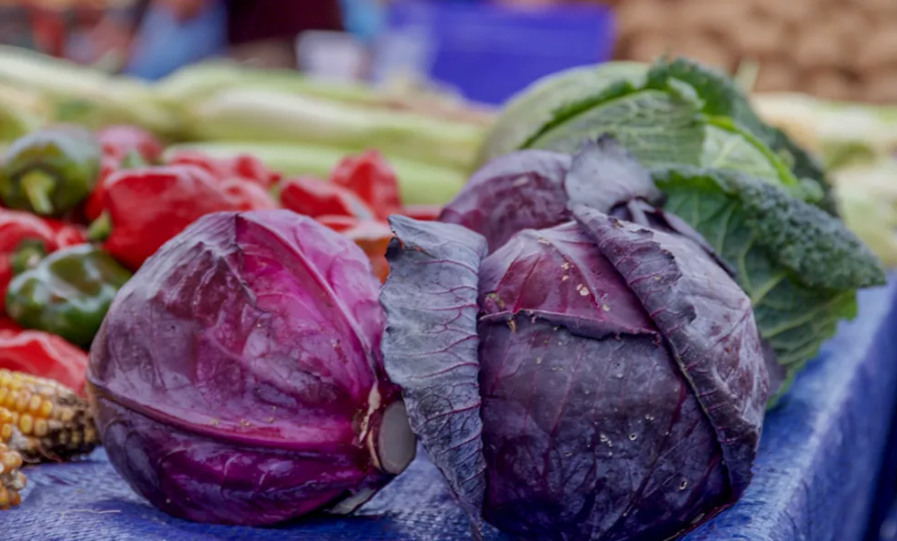
Purple cabbage, also called red cabbage, forms dense heads of overlapping leaves in shades of purple, burgundy, and reddish-violet. The leaves often become more intensely colored when grown under suitable conditions. Despite its common name, the vegetable is botanically a type of cabbage rather than a separate species.
The heads can be eaten raw or cooked and are frequently used in salads, slaws, stir-fries, soups, and fermented foods. Purple cabbage prefers cool growing conditions and can tolerate light frost better than many warm-season vegetables. Its strong color also makes it an attractive crop for ornamental edible gardens.
3. Purple Carrot
Purple carrots have roots covered with purple skin and may also have purple, orange, yellow, or cream-colored interiors depending on the variety. Some types have a dark purple exterior with a contrasting orange center. They come in several shapes, including long, tapered roots and shorter cylindrical forms.
These carrots can be grown in much the same way as orange varieties. Loose, stone-free soil helps the roots develop straight and evenly. Purple carrots can be eaten raw, roasted, steamed, juiced, or added to soups and other vegetable dishes.
4. Purple Cauliflower
Purple cauliflower produces a compact head made up of tightly packed flower buds. The curds may be lavender, violet, or deep purple, creating a striking contrast with green leaves. The color can become more or less intense depending on the variety and growing conditions.
Like other cauliflower varieties, purple cauliflower prefers cool weather and consistent moisture. It is commonly harvested before the head becomes loose or begins producing flowers. The vegetable can be roasted, steamed, boiled, grilled, or eaten raw.
5. Purple Sweet Potato
Purple sweet potatoes are prized for their intensely colored flesh, which can range from violet to deep purple. The skin may also be purple, although some varieties have brown or pale skin surrounding purple flesh. Their texture and sweetness vary between different cultivars.
They are generally grown in warm conditions and develop best when the soil remains loose and well drained. Purple sweet potatoes can be baked, boiled, mashed, roasted, or incorporated into desserts. Their vivid interior makes them particularly noticeable when sliced or cooked.
6. Purple Potato
Purple potatoes have naturally purple skin and flesh, although the intensity of the color varies among varieties. Some have a relatively light lavender interior, while others are so dark that the flesh appears almost blue-black. Their shapes can resemble ordinary white or yellow potatoes.
These potatoes can be cultivated using methods similar to other potato varieties. They grow best in loose, fertile soil with good drainage and adequate moisture. Purple potatoes can be boiled, roasted, baked, mashed, or added to salads.
7. Purple Broccoli
Purple broccoli refers to varieties that produce purple or violet flower shoots rather than the familiar green heads of standard broccoli. Some types form a central head, while others produce numerous smaller side shoots. The stems and leaves remain predominantly green in many varieties.
Many purple broccoli varieties perform particularly well in cool weather. Some are harvested over an extended period because new shoots continue developing after the main harvest. The vegetable can be steamed, roasted, stir-fried, or eaten raw when young and tender.
8. Purple Brussels Sprouts
Purple Brussels sprouts produce small, tightly packed heads along a central stalk. Their leaves can range from greenish-purple to deep violet, giving the plants a distinctive appearance in the vegetable garden. The color is especially noticeable in cool weather.
These plants belong to the same general vegetable group as green Brussels sprouts and have similar growing requirements. They prefer cool temperatures and fertile soil with consistent moisture. The sprouts can be roasted, steamed, sautéed, or incorporated into mixed vegetable dishes.
9. Purple Kale
Purple kale includes varieties with purple, burgundy, or violet-tinged leaves. Some types have heavily curled foliage, while others produce flatter leaves with colored veins and margins. The plants can be attractive enough to serve as both edible crops and ornamental garden plants.
Kale is a cool-season vegetable that can tolerate relatively low temperatures. Harvesting the outer leaves allows the plant to continue producing new foliage. Purple kale can be eaten raw when tender or cooked in soups, stir-fries, sautés, and other dishes.
10. Purple Peas
Purple peas are pea varieties that produce pods with purple or violet coloring. Some varieties have green peas inside the colorful pods, while others also develop purple or unusually colored seeds. The pods are often easy to spot among green foliage.
These peas are generally grown during cool portions of the growing season. They perform best with adequate sunlight, regular moisture, and some form of support when the plants are climbing types. Depending on the variety, the pods may be eaten whole or shelled to remove the peas.
11. Purple Green Beans
Purple green beans are bean varieties with purple pods rather than the typical green pods. The pods can be deep violet, reddish-purple, or nearly black when mature. Interestingly, many purple-podded beans turn green when cooked because their pigments are sensitive to heat.
The plants may grow as bush beans or climbing pole beans depending on the variety. They are warm-season crops that need plenty of sunlight and reasonably fertile soil. Young pods are usually harvested while tender and can be eaten fresh, steamed, sautéed, or added to salads.
12. Purple Corn
Purple corn produces kernels ranging from reddish-purple to dark violet or nearly black. The coloration can cover individual kernels or the entire ear, depending on the variety. Some types are cultivated primarily for food, while others are also grown for traditional and cultural uses.
Purple corn is a warm-season crop that requires plenty of sunlight and adequate moisture. It can be eaten fresh when harvested at the appropriate stage or allowed to mature for uses involving dried kernels. The mature grains are also used in various traditional foods and beverages.
13. Purple Radish
Purple radishes develop roots with purple, violet, or reddish-purple skin. The interior may remain white or display rings of pink, purple, or red depending on the cultivar. Their round, elongated, and cylindrical forms provide plenty of variety for gardeners.
Radishes are generally quick-growing vegetables that prefer cool conditions. They can become woody or develop a stronger flavor if left in the soil too long, particularly during warm weather. Purple radishes are excellent for salads, vegetable platters, pickling, and fresh garnishes.
14. Purple Turnip
Purple turnips typically have white roots with a prominent purple or violet shoulder. The colored portion develops above or near the soil surface and creates the characteristic two-tone appearance. Some specialty varieties may show considerably more purple coloration across the root.
Turnips are cool-season crops that can mature relatively quickly. They grow well in loose soil and benefit from consistent moisture during root development. Both the roots and young leaves can be eaten, making turnips a useful dual-purpose vegetable.
15. Purple Kohlrabi
Purple kohlrabi forms a swollen stem above the ground that can be purple, violet, or reddish-purple. The leaves grow from the upper portion of this enlarged stem, giving the plant an unusual appearance. The edible stem remains crisp when harvested young.
Kohlrabi is a cool-season crop that grows best in fertile soil with regular moisture. Delaying harvest too long can result in tougher and more fibrous stems. Purple kohlrabi can be eaten raw, roasted, steamed, sautéed, or added to slaws and salads.
16. Purple Okra
Purple okra produces elongated pods covered in shades of purple, burgundy, or violet. The plants themselves often have attractive green foliage and may produce large, showy flowers before the pods develop. Some varieties have completely purple pods, while others display purple mixed with green.
Okra is a warm-season vegetable that performs best in sunny locations with relatively high temperatures. The pods are usually harvested while young because older pods become fibrous. Purple okra can be fried, stewed, grilled, pickled, or added to soups and gumbo-style dishes.
17. Purple Onion
Purple onion, commonly called red onion, develops bulbs with reddish-purple to deep violet outer layers. The inner layers can range from white and pink to purple, depending on the variety. Its strong color makes it one of the easiest bulb vegetables to recognize.
Onions need plenty of sunlight and well-drained soil for healthy bulb development. Different varieties are suited to different day lengths and growing regions, so selecting an appropriate cultivar is important. Purple onions are commonly eaten raw in salads and sandwiches or cooked in sauces, soups, and vegetable dishes.
18. Purple Asparagus
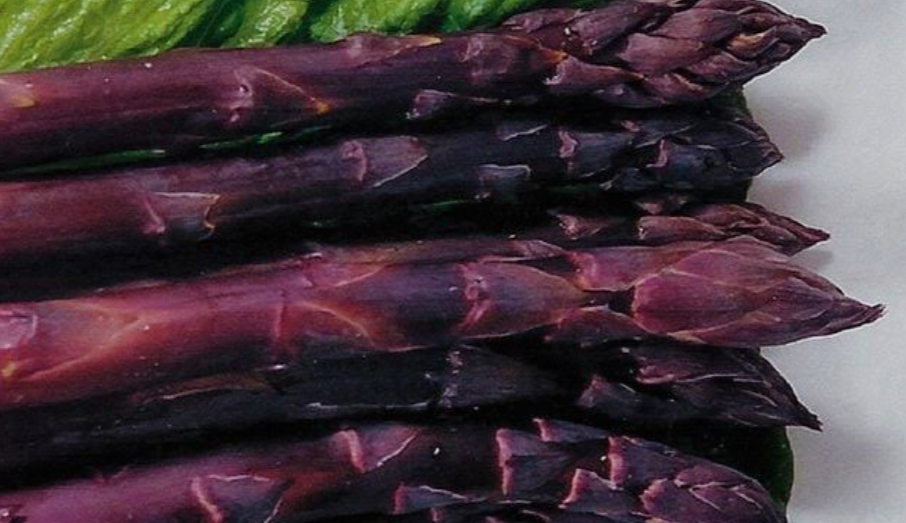
Purple asparagus produces spears with purple, burgundy, and green tones. The tips are often particularly dark compared with the lower sections of the spears. The spears gradually become greener as they mature and are exposed to sunlight.
Asparagus is a perennial vegetable that can remain productive for many years once established. It prefers a sunny location with fertile, well-drained soil and requires patience because young plants need time to establish. Purple asparagus can be grilled, roasted, steamed, sautéed, or eaten in salads.
19. Purple Artichoke
Purple artichokes are varieties of globe artichoke that develop purple or violet-tinged scales. The color may be concentrated on the outer leaves while the inner portions remain green or pale. Their unusual appearance makes them particularly attractive at farmers’ markets and in home gardens.
Artichokes are perennial plants in suitable climates but are often grown as annuals where winters are too cold. They require a long growing season and plenty of sunlight to produce mature flower buds. The immature flower heads are harvested before they open and are commonly steamed, boiled, grilled, or roasted.
20. Purple Tomato
Purple tomatoes include numerous varieties with skin that ranges from reddish-purple to dark burgundy and almost black. Some have purple shoulders with red or pink lower portions, while others develop a more uniformly dark appearance. The flesh can be red, pink, or reddish-purple.
These tomatoes need warm temperatures, full sunlight, and fertile soil to produce well. Fruit color is influenced by both genetics and sunlight exposure, so individual plants may produce noticeably different shades. Purple tomatoes are used fresh in salads, sandwiches, sauces, and other dishes.
21. Purple Lettuce
Purple lettuce varieties produce leaves in shades ranging from reddish-purple to deep burgundy. Some types have mostly green leaves with purple edges, while others are strongly colored throughout. Leaf shapes can also range from smooth and rounded to deeply frilled.
Lettuce is primarily a cool-season crop and can struggle when temperatures become very high. Regular watering and partial shade during hot weather can help reduce stress and delay bolting. Purple lettuce adds color to salads, wraps, sandwiches, and vegetable platters.
22. Purple Mizuna
Purple mizuna is a colorful form of Japanese mustard green with finely divided leaves. The foliage can develop purple, burgundy, and green shades, particularly in cooler conditions. Its feathery appearance makes it easy to distinguish from broad-leaved greens.
Mizuna is a fast-growing cool-season vegetable that can be harvested as baby greens or allowed to mature. It performs well in containers and small gardens because it does not require a large amount of space. The leaves have a mildly peppery flavor and can be eaten raw or cooked.
23. Purple Basil
Purple basil is an edible herb with leaves ranging from dark purple to reddish-purple. Some varieties have completely colored foliage, while others have green leaves with purple veins or stems. Although basil is usually considered an herb rather than a vegetable, it is commonly grown alongside vegetables and used as an edible garden crop.
Purple basil grows best in warm weather, full sunlight, and fertile, well-drained soil. Regular harvesting encourages branching and helps prevent the plants from becoming overly leggy. The leaves can be used fresh in salads, sauces, pestos, and a variety of cooked dishes.
24. Purple Amaranth
Purple amaranth includes edible types grown for their colorful leaves and tender shoots. The foliage may be green with purple markings or predominantly purple, depending on the variety. Some plants also develop purple stems and colorful flower structures.
Amaranth is a warm-season crop that tolerates heat better than many leafy vegetables. It can be harvested young for tender greens or allowed to mature for larger leaves and seeds. The leaves are commonly cooked like spinach and can be added to soups, stews, stir-fries, and other vegetable dishes.
Key Takeaway
- Purple vegetables come in many forms, including roots, tubers, leafy greens, brassicas, legumes, and fruiting vegetables.
- Common examples include purple eggplant, cabbage, carrots, potatoes, sweet potatoes, cauliflower, broccoli, and purple beans.
- Their purple, violet, burgundy, or reddish-purple colors are often produced by naturally occurring pigments called anthocyanins.
- Some vegetables are purple throughout, while others have purple skin, stems, leaves, pods, or outer layers with contrasting colors inside.
- Purple vegetables can differ considerably in flavor and texture, ranging from sweet and earthy roots to crisp radishes, tender greens, and mildly peppery leaves.
- Many purple vegetable varieties can be grown in home gardens, although their ideal growing conditions vary between cool-season and warm-season crops.