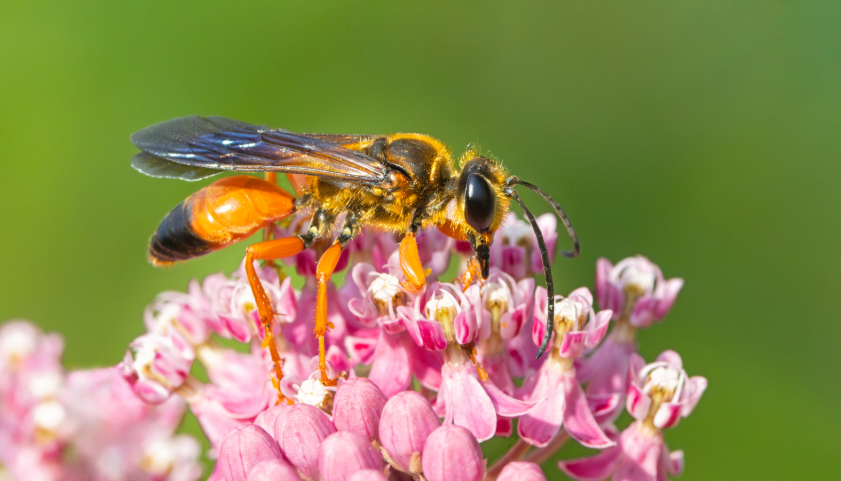
Plants that keep wasps away deserve one honest clarification before anything else, since “wasp” actually covers 2 genuinely different kinds of insect that get lumped together constantly. Solitary parasitic wasps, the tiny, harmless species that lay eggs inside garden pests and genuinely earn a spot on any beneficial insect list, aren’t the problem anyone’s actually trying to solve here. The wasps this list addresses are the social, nest-building species, yellow jackets, paper wasps, and hornets, that build a colony near human activity, sting repeatedly when threatened, and genuinely warrant keeping at a distance from a patio or play area.
The plants that work against those social wasps rely on the same basic principle as most other scent-based pest deterrents: strong volatile compounds that interfere with a wasp’s scent-based ability to locate food and navigate toward a nest site. Mint, eucalyptus, and citronella-family plants all carry genuinely documented aromatic compounds shown to disrupt that navigation, though the same honest caveat that applies to mosquito and rodent deterrents applies here too, a living plant’s leaf carries considerably less concentrated compound than a crushed sprig, an extracted oil, or a commercial spray delivers.
One specific home remedy genuinely stands out from the broader folklore around this topic: a clove-studded lemon or orange, historically hung near an outdoor eating area specifically to discourage wasps, is one of the more consistently repeated and somewhat better field-tested combinations in this entire category, even though it relies on 2 separate plants working together rather than a single species. That kind of combined, layered approach tends to outperform any single plant working alone.
The University of Kentucky Entomology Extension covers the distinction between beneficial and nuisance wasp species, along with the evidence behind common deterrent claims, in more detail than a general list can. What follows covers 35 plants that keep wasps away, spanning well-documented aromatic deterrents and traditional home remedy favorites.
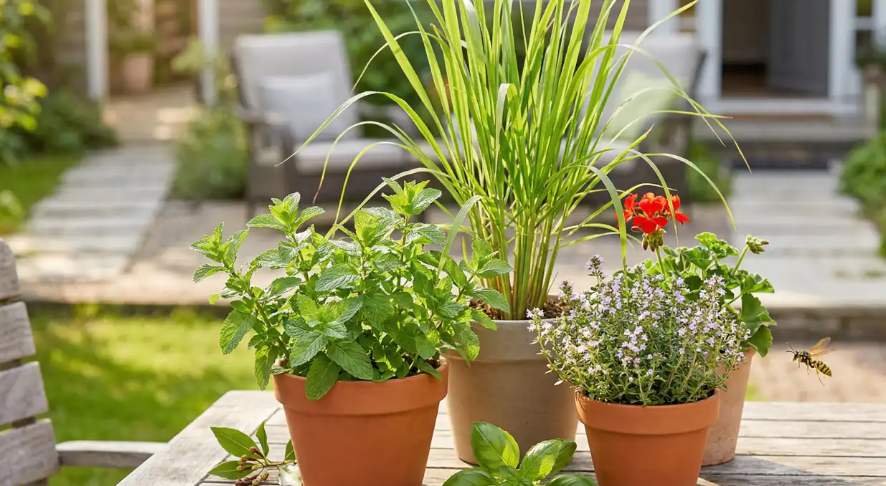
Spearmint
Spearmint produces genuinely strong menthol-based compounds documented to discourage wasp activity in its immediate vicinity, offering a milder scent profile than peppermint that many gardeners prefer near an outdoor living space. Its considerable vigor means container growing genuinely helps keep it contained near a patio.
It tolerates more shade and moisture than most other aromatic herbs, thriving in genuinely damp conditions that would challenge many other deterrent plants.
Peppermint
Peppermint produces menthol in a concentration genuinely strong enough to interfere with a wasp’s sensitive scent-based navigation, making it one of the more researched plant-based deterrents against a range of stinging insects. Its effect fades considerably as the plant material dries, favoring fresh, actively growing foliage near a seating area.
It tolerates more shade and moisture than most other aromatic herbs, and its considerable vigor means container growing is genuinely worth considering.
Eucalyptus
Eucalyptus produces genuinely documented aromatic compounds shown to interfere with a wasp’s scent-based navigation, distinct from and generally milder than the more concentrated lemon eucalyptus variety. Its considerable size makes it more of a landscape tree than a compact patio deterrent in most climates.
It thrives in full sun and well-drained soil in a mild, frost-free climate, its genuinely potent aromatic oil requiring real warmth to grow successfully outdoors.
Lemon Eucalyptus
Lemon eucalyptus produces PMD, a genuinely EPA-registered compound recognized for repelling a range of flying insects including wasps, considerably more concentrated than standard eucalyptus. Its considerable scientific backing makes it one of the more legitimately potent entries on this entire list.
It thrives in full sun and well-drained soil in a warm, frost-free climate, its distilled oil delivering genuinely stronger deterrent action than the living leaf alone provides. The Environmental Protection Agency’s registered biopesticide database confirms PMD’s status as an active ingredient in commercial repellent products marketed against a range of flying insects.
Citronella Grass
Citronella grass produces citronellal, a genuinely well-documented volatile compound recognized as an active ingredient in commercial insect repellent products marketed against a range of stinging and biting insects. Its considerable oil concentration in the crushed leaf makes it one of the strongest entries on this list.
It thrives in full sun and warm, humid conditions, growing into a substantial clump that provides genuine, if localized, deterrent benefit in its immediate vicinity.
Lemongrass
Lemongrass shares citronella grass’s genuine citronellal content, offering documented deterrent properties alongside its considerable culinary value in Southeast Asian cooking. Its dual purpose makes it a genuinely efficient addition near an outdoor kitchen or dining space.
It thrives in full sun and consistently moist soil in a warm climate, growing into a substantial clump with genuine aromatic intensity in its crushed leaves.
Wormwood
Wormwood produces genuinely bitter, strongly aromatic compounds with documented insect-deterrent properties, historically used around outdoor gathering spaces specifically to discourage stinging insects. Its considerable bitterness also gives it a long traditional use in absinthe production, entirely separate from its pest-related use.
It tolerates poor, dry soil and full sun, thriving on considerable neglect once established near a patio or seating area.
Thyme
Thyme produces thymol, a genuinely documented aromatic compound with real insect-deterrent properties studied against a range of stinging and biting pests. Crushing or bruising its leaves releases considerably more of that compound than an undisturbed plant offers passively.
It wants full sun and excellent drainage, thriving in the same lean, dry conditions that concentrate its aromatic oils most effectively.
Marigold
Marigold produces genuinely documented aromatic compounds shown in some research to discourage wasp activity, alongside its better-established reputation for nematode suppression and general pest deterrence. Its compact, upright growth also avoids building the kind of dense ground cover that might otherwise shelter a nest site.
It thrives in full sun and average soil, offering genuine landscaping value alongside its documented, if modest, wasp-deterrent property.
Citronella Geranium
Citronella geranium produces genuinely aromatic compounds marketed heavily for mosquito and wasp deterrent properties, though independent testing has generally found its actual repellent effect considerably milder than the true citronella grass it’s often confused with. Its pleasant fragrance still makes it a worthwhile container plant near a patio regardless of the overstated marketing claims.
It thrives in full sun and well-drained soil, offering genuine fragrance value even where its marketed deterrent reputation has been shown to underperform in real testing.
Basil
Basil produces genuinely documented volatile compounds shown to repel a range of flying pests including wasps in several studies, making it a popular choice for a patio container near an outdoor eating area. Its considerable culinary value gives it real dual-purpose appeal beyond any pest-related benefit.
It thrives in full sun and consistently moist soil, its aromatic oils releasing most strongly when the leaves are brushed or crushed.
Clove
Clove produces eugenol, a genuinely potent aromatic compound at the center of one of the better-known and somewhat better field-tested wasp deterrent combinations, a clove-studded lemon or orange hung near an outdoor eating area. Its considerable intensity comes through most strongly when the whole clove is embedded directly into the citrus fruit.
It requires a genuinely warm, tropical climate to grow as a living tree, though the dried spice itself, widely available, delivers the same real deterrent compound. The Iowa State University Extension’s household pest management resources document the clove-and-citrus wasp deterrent method as one of the more consistently repeated home remedies in this category.
Southernwood
Southernwood, a genuine Artemisia relative of wormwood, produces similarly bitter, aromatic compounds with a long traditional use deterring wasps and other stinging insects from an outdoor gathering space. Its fine, feathery, silver-green foliage also provides attractive texture in a border near a patio.
It tolerates poor, dry soil and full sun, thriving on considerable neglect once established.
Mugwort
Mugwort produces genuinely aromatic compounds with a long folk history as a general pest and stinging-insect deterrent, though controlled evidence specifically confirming that reputation against wasps remains limited. Its considerable spread means some regions consider it a genuine weed concern worth monitoring.
It tolerates poor soil and considerable neglect, spreading readily enough to need active management in a smaller garden bed.
Mint
Mint, across its many species, produces genuinely documented menthol-based compounds with real reported deterrent activity against wasps and several other stinging or biting insects. Its considerable vigor makes container growing a genuinely wise precaution regardless of which specific variety is chosen.
It tolerates more shade and moisture than most other aromatic herbs, thriving in a damp, partly shaded spot several other deterrent plants would struggle with.
Catnip
Catnip contains nepetalactone, a compound with some documented deterrent activity against a range of stinging insects beyond its better-studied effect on mosquitoes. Its considerable appeal to cats is a genuine bonus, or a genuine hazard to the plant itself, depending on the household.
It thrives in full sun to partial shade and well-drained soil, spreading readily enough that some gardeners choose to contain its vigorous growth.
Lavender
Lavender produces linalool and linalyl acetate, genuinely documented compounds with reported deterrent activity against a range of stinging insects alongside lavender’s well-known effectiveness against moths and fleas. Its considerable fragrance intensity develops most strongly in a hot, sun-baked spot near a patio.
It demands sharp drainage, thriving in exactly the lean, sun-baked conditions that also concentrate its aromatic oils most effectively.
Pennyroyal
Pennyroyal has a genuine, long historical use as an insect deterrent including against wasps, though its concentrated oil is genuinely toxic if ingested and it’s worth handling with real caution around children and pets. Its strong mint-like scent when crushed carries documented repellent activity against a range of pests.
It tolerates a range of soil conditions and partial shade, and genuine care around its toxicity matters more here than for almost any other plant on this list. The National Capital Poison Center documents pennyroyal oil’s genuine toxicity risk, a safety consideration worth taking seriously around children and pets.
Bay Laurel
Bay laurel leaves carry a long traditional use as a general pest deterrent when hung or placed near an outdoor gathering space, a genuine historical practice with more anecdotal than rigorously controlled evidence specifically for wasps. Its considerable culinary value as a cooking herb holds regardless of how consistently the wasp-deterrent tradition actually performs.
It wants full sun to light shade and well-drained soil, its dried leaves carrying genuine traditional deterrent use well beyond the living tree.
Cucumber
Cucumber peel contains genuinely bitter compounds that some gardeners report deter wasps when placed on a picnic table or outdoor surface, a folk remedy with modest anecdotal support rather than strong controlled testing. Fresh peel appears to work considerably better than a peel that’s begun to dry out or oxidize.
It thrives in full sun and consistently moist soil, its genuine bitter compound concentrated in the peel specifically rather than the flesh.
Sage
Sage produces genuinely aromatic compounds carrying some reported deterrent effect against wasps alongside its better-established insect-repellent reputation more broadly. Burning dried sage has a long traditional use for driving away a range of flying pests outdoors.
It wants full sun and genuinely well-drained soil, its aromatic oil concentration developing most strongly in lean, dry growing conditions.
Rosemary
Rosemary produces genuinely aromatic oils that show real deterrent activity against a range of flying pests in various studies, alongside its considerable culinary value. Burning dried rosemary sprigs has a long traditional use as an outdoor pest deterrent at a gathering.
It wants full sun and excellent drainage, its concentrated aromatic oils developing most strongly in exactly the lean, dry conditions the plant prefers.
Oregano
Oregano produces genuinely aromatic carvacrol and thymol compounds with documented insect-repelling properties studied against several common pests, wasps among the range tested in some research. Its considerable culinary value gives it real dual-purpose appeal beyond any pest-related benefit.
It tolerates full sun and well-drained soil, spreading readily enough to eventually need some periodic thinning.
Tansy
Tansy produces genuinely aromatic compounds with a long traditional history as a general pest deterrent, though the plant has become invasive in parts of the country and is worth checking against regional guidance before planting. Its considerable toughness and long bloom period make it effective where it’s not a regional concern.
It tolerates poor soil and considerable neglect, thriving with essentially no cultivation once established.
Lemon Balm
Lemon balm produces citronellal alongside its pleasant lemon scent, carrying some reported deterrent property against wasps in addition to its better-documented insect-repellent use more broadly. Its considerable vigor means some containment is genuinely worth considering near a patio bed.
It tolerates a range of soil conditions and full sun to partial shade, its aromatic oils releasing most strongly when the foliage is bruised or crushed.
Lemon Verbena
Lemon verbena produces genuinely intense citral compounds, giving it one of the strongest natural lemon scents of any plant and real documented insect-deterrent properties as a result. Its considerable fragrance intensity has made it a popular addition to homemade repellent preparations.
It tolerates a range of soil conditions and full sun to partial shade, growing into a substantial shrub over time in a mild climate.
Rue
Rue produces genuinely bitter, pungent compounds that many gardeners report discourage wasp activity nearby, alongside its documented function as overwintering shelter for genuinely beneficial insects elsewhere in the garden. Its considerable bitterness also makes its foliage an unappealing target for browsing wildlife generally.
It tolerates poor, dry soil and full sun, and handling the foliage is worth some caution, since it can cause skin irritation in sensitive individuals under strong sunlight.
Horehound
Horehound produces genuinely bitter, aromatic compounds with a long traditional use as a general insect deterrent, alongside its historical medicinal use in cough remedies. Its fuzzy, wrinkled gray-green leaves give it a distinctive texture in an herb garden near a patio.
It tolerates poor, dry soil and full sun, thriving on considerable neglect once established.
Camphor Plant
Camphor plant produces a genuinely strong, distinctive scent similar to commercial camphor, historically used as a general insect deterrent much like cedar or mothballs. Its considerable aromatic intensity makes it one of the more strongly scented plants on this entire list.
It tolerates a range of soil conditions and full sun, its genuine camphor-like scent offering real traditional deterrent value near an outdoor space.
Feverfew
Feverfew contains pyrethrin-related compounds similar to its chrysanthemum relative, giving it some genuine insect-deterrent property alongside its traditional medicinal use for headaches. Its daisy-like flowers also make it an attractive addition to a mixed herb border near a seating area.
It tolerates a range of soil conditions and full sun to partial shade, often self-seeding readily once established.
Bee Balm
Bee balm carries a genuinely ironic name for a wasp-deterrent list given its considerable appeal to actual bees and other pollinators, though its aromatic foliage does carry some documented deterrent property against certain stinging insects when crushed. Its shaggy, tubular flowers still draw hummingbirds and pollinators alongside any modest pest-related benefit.
It tolerates a range of soil conditions and full sun to light shade, benefiting from good air circulation to avoid powdery mildew.
Wintergreen
Wintergreen produces genuinely minty, aromatic compounds distinct from true mint but carrying some similar documented insect-deterrent properties. Its low, evergreen groundcover habit also makes it a useful, unobtrusive planting near a patio edge.
It tolerates significant shade and consistently moist, acidic soil, thriving in a cooler, damp spot several other deterrent plants would struggle with.
Garlic
Garlic produces sulfur compounds with some genuine deterrent activity against a range of pests, and garlic-based sprays are a common home remedy applied around an outdoor gathering space for exactly that reason. Its considerable pungency when crushed releases far more of the deterrent compound than an undisturbed, whole bulb provides.
It thrives in full sun and well-drained soil, its genuine repellent compounds concentrated most strongly when crushed rather than left intact.
Onion
Onion shares garlic’s genuine sulfur compound profile, carrying a similar home-remedy reputation for discouraging pest activity when planted or applied around a vulnerable outdoor space. Its considerable culinary value holds regardless of how consistently its deterrent effect actually performs.
It thrives in full sun and well-drained soil, offering real kitchen value alongside its more modest pest-deterrent reputation.
Chrysanthemum
Chrysanthemum is genuinely the actual source plant of pyrethrin, a widely used natural insecticide extracted from its flower heads and among the most scientifically solid pest-control claims in this entire category, with documented effects against wasps alongside a broad range of other insects. Its considerable efficacy has made pyrethrin extract a staple in both organic and conventional pest control products.
It thrives in full sun and well-drained soil, its flower heads containing the genuinely potent compound that gives the plant its real insecticidal reputation. The National Pesticide Information Center documents pyrethrin’s confirmed mechanism and efficacy against wasps and a broad range of other insects.
Key Takeaways
- Some aromatic plants may help discourage wasps from specific areas, particularly because wasps can be sensitive to strong plant scents.
- Mint, basil, rosemary, thyme, lemongrass, and lavender are among the commonly grown plants associated with natural wasp deterrence.
- Planting wasp-deterring herbs and flowers near patios, outdoor seating areas, garden paths, and entryways may help make these spaces less attractive to wasps.
- The effectiveness of these plants can vary depending on the wasp species, plant variety, weather, and location. They should not be considered a guaranteed way to eliminate wasps.
- Growing several strongly aromatic plants together can provide more scent coverage than relying on a single plant.
- Many of these plants have additional benefits, including culinary uses, attractive flowers, fragrance, and support for pollinators.
- Plants alone will not remove an established nest. If wasps are nesting nearby or becoming aggressive, avoid disturbing the nest and seek appropriate professional assistance.