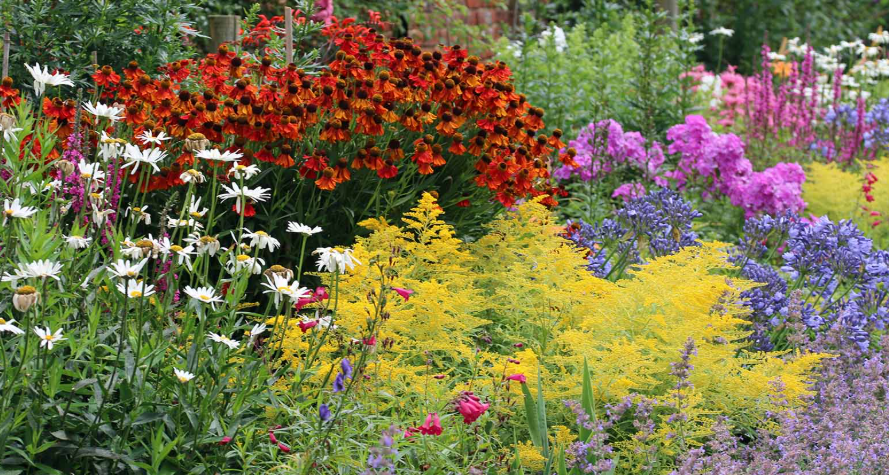
Most flowering plants evolved under full sun for a straightforward reason: photosynthesis powers both growth and bloom production, and more light simply means more energy to spend on flowers. A genuine shade perennial has made a real evolutionary trade-off, sacrificing some of that flower power in exchange for the ability to survive where sun-loving plants can’t compete at all. That’s part of why so many of the best shade perennials lean on bold, textured foliage as much as their actual flowers, and why the blooms themselves often run smaller or more subtle than what a sunny border delivers.
A genuinely distinct group among shade perennials solves the light problem in an entirely different way: by not waiting around for it at all. Spring ephemerals, trillium, trout lily, bloodroot, and Dutchman’s breeches among them, emerge, flower, and largely disappear back underground within just a few weeks each spring, timed specifically to complete their entire above-ground life cycle before a deciduous tree canopy fully leafs out and blocks the light they need. That narrow window makes them some of the most fleeting, genuinely precious blooms in any garden, worth planning a spring walk specifically around.
True ferns round out the shade garden picture without producing flowers at all, relying entirely on foliage form and texture for their considerable garden value, a genuinely different design tool than any flowering perennial offers. The Missouri Botanical Garden’s plant finder lets you filter specifically by shade tolerance and bloom timing, useful for planning a shaded bed with interest spread across the full season. What follows covers 50 perennial flowers for a shade garden, spanning ferns, native woodland ephemerals, and classic shade perennial staples.
Perennial Flowers that Tolerate Shade
Ostrich Fern
Ostrich fern produces tall, elegantly arching fronds that genuinely resemble ostrich plumes, forming one of the more dramatic and substantial ferns available for a shaded bed. Its young, tightly coiled fiddleheads are a traditional foraged spring delicacy in parts of the country.
It tolerates significant shade and consistently moist soil, spreading via rhizome into an impressive colony over a few seasons.
Maidenhair Fern
Maidenhair fern produces delicate, fan-shaped leaflets on wiry black stems, among the most refined and elegant textures available in any shade planting. Its considerable delicacy belies genuine toughness once established in the right conditions.
It tolerates significant shade and consistently moist, rich soil, thriving in the same cool, humid woodland conditions many spring ephemerals also prefer.
Japanese Painted Fern
Japanese painted fern produces genuinely colorful fronds in shades of silver, purple, and green, a real departure from the plain green typical of most other ferns. Its considerable color variety across different cultivars adds real visual interest to a shaded bed.
It tolerates significant shade and consistently moist soil, staying relatively compact compared to some of the larger, more sprawling fern species.
Christmas Fern
Christmas fern stays evergreen through winter in many climates, providing genuine year-round structure in a shaded bed where most other perennials die back completely. Its common name reflects its traditional use as a natural holiday decoration.
It tolerates dry shade better than many other ferns, making it a practical choice for the difficult combination of low light and root competition beneath mature trees.
Autumn Fern
Autumn fern produces new fronds emerging in a striking coppery-orange color that matures to green, providing a genuine seasonal color shift most other ferns don’t offer. Its considerable cold hardiness and adaptability have made it increasingly popular in shade garden design.
It tolerates a range of soil conditions and significant shade, staying more compact than some larger fern species.
Lady Fern
Lady fern produces finely cut, lacy fronds on a genuinely adaptable plant that tolerates a wider range of moisture conditions than many other ferns. Its delicate texture provides a soft contrast against bolder-leaved shade companions.
It tolerates partial to significant shade and a range of soil moisture, thriving in both a consistently damp bed and a somewhat drier woodland setting.
Cinnamon Fern
Cinnamon fern produces distinctive, cinnamon-colored fertile fronds rising separately from its main green foliage, giving the plant its common name. Its considerable size makes it a genuine architectural presence in a larger shaded bed.
It tolerates consistently moist to wet soil and significant shade, thriving particularly well near a shaded stream bank or rain garden.
Royal Fern
Royal fern produces bold, broad fronds considerably different in texture from most other ferns, resembling a flowering plant’s foliage more than the typical finely cut fern leaf. Its substantial size makes it a genuine specimen plant for a larger shaded area.
It tolerates consistently moist to wet soil and partial to significant shade, thriving in the same damp woodland conditions as cinnamon fern.
Trillium
Trillium produces a single, striking 3-petaled flower atop a whorl of 3 leaves, among the most iconic native spring ephemerals in eastern North American woodlands. Its brief bloom window, timed to complete before the tree canopy fully leafs out, makes spotting one a genuine seasonal event.
It tolerates significant shade and rich, consistently moist woodland soil, taking several years to reach flowering maturity from seed.
Jack-in-the-Pulpit
Jack-in-the-pulpit produces an unusual, hooded flower structure that genuinely resembles a preacher standing in a pulpit, one of the more distinctive native woodland wildflowers available. Its bright red berry cluster in fall provides a second season of interest after the unusual spring bloom fades.
It tolerates significant shade and consistently moist, rich soil, thriving in the same woodland floodplain conditions many spring ephemerals favor.
Mayapple
Mayapple produces a single nodding white flower hidden beneath a pair of large, umbrella-like leaves, often overlooked entirely unless someone lifts the foliage to look underneath. Its considerable spreading habit via rhizome can form an impressive colonial patch over time.
It tolerates significant shade and rich, moist woodland soil, going dormant and disappearing entirely by midsummer as a normal part of its ephemeral life cycle.
Trout Lily
Trout lily produces a small, nodding yellow flower above mottled, trout-skin-patterned leaves, blooming for just a brief window in very early spring before disappearing underground for the rest of the year. Its considerable patience requirement, often 4 to 7 years before a plant first flowers, makes an established colony a genuine long-term garden investment.
It tolerates significant shade and rich, consistently moist woodland soil, spreading slowly to form an eventual colony in favorable conditions.
Dutchman’s Breeches
Dutchman’s breeches produces small, distinctive white flowers genuinely shaped like a tiny pair of upside-down pantaloons, among the more whimsical native spring ephemerals available. Its fine, lacy foliage disappears entirely by early summer.
It tolerates significant shade and rich, moist woodland soil, thriving in the same brief spring window as trillium and trout lily before going fully dormant.
Bloodroot
Bloodroot produces a single, delicate white flower that opens for only a few days before dropping its petals, one of the earliest native wildflowers to bloom each spring. Its common name comes from the reddish sap found in its rhizome, historically used as a natural dye.
It tolerates significant shade and rich, moist woodland soil, spreading slowly via rhizome to form an eventual colony.
Wild Columbine
Wild columbine produces distinctive red and yellow nodding flowers on a genuinely native species that tolerates more shade than many of its showier cultivated relatives. Its considerable hummingbird appeal makes it a valuable addition beyond its ornamental value alone.
It tolerates partial to significant shade and well-drained soil, often self-seeding readily once established in a favorable woodland-edge spot.
Woodland Phlox
Woodland phlox produces fragrant blue-purple flowers in mid-spring, considerably earlier than its later-blooming garden phlox relative, and considerably more shade-tolerant as well. Its low, spreading habit makes it a useful native groundcover for a woodland garden.
It tolerates partial to significant shade and consistently moist, rich soil, spreading gradually to form an attractive colony over a few seasons.
Celandine Poppy
Celandine poppy produces cheerful yellow, poppy-like flowers over a genuinely extended spring bloom period, longer than many of the true spring ephemerals it grows alongside. Its bold, deeply lobed foliage provides attractive texture even after flowering slows.
It tolerates significant shade and rich, consistently moist woodland soil, often self-seeding readily once established.
Shooting Star
Shooting star produces distinctive, swept-back flower petals that genuinely resemble a small shooting star, a native spring ephemeral with an unusual, instantly recognizable bloom shape. Its brief above-ground season makes it a genuine treat to catch in bloom.
It tolerates partial to significant shade and rich, well-drained soil, going dormant and disappearing by midsummer like many of its ephemeral relatives.
Epimedium
Epimedium, also called barrenwort, produces small, delicate flowers in spring above heart-shaped foliage that often takes on attractive bronze or red tints through the seasons. Its considerable toughness includes tolerance for the notoriously difficult combination of dry shade many other perennials can’t handle.
It tolerates dry shade better than almost any other flowering perennial, making it a genuine solution for the difficult ground beneath a mature tree.
Brunnera
Brunnera, also called Siberian bugloss, produces small, delicate blue flowers genuinely resembling forget-me-nots above bold, heart-shaped foliage, with several cultivars offering striking silver variegation. Its combination of spring flowers and season-long foliage interest makes it a genuine shade garden workhorse.
It tolerates significant shade and consistently moist soil, spreading gradually to form an attractive clump over a few seasons.
Foamflower
Foamflower produces delicate, frothy spikes of small white or pink-tinged flowers above lobed, often attractively marked foliage. Its native woodland origin makes it well adapted to a genuinely shaded garden setting.
It tolerates significant shade and consistently moist, rich soil, spreading via runners to form a useful groundcover over time.
Jacob’s Ladder
Jacob’s ladder produces clusters of small blue or white flowers above finely divided, ladder-like foliage that gives the plant its common name. Its delicate texture provides a soft contrast against bolder shade garden companions.
It tolerates partial to significant shade and consistently moist, rich soil, thriving in the same woodland conditions many native ephemerals favor.
Corydalis
Corydalis produces delicate, tubular flowers in shades of blue, yellow, or pink above fine, ferny foliage, blooming over a genuinely extended period compared to many spring-only shade perennials. Its considerable color range offers real variety for a shaded bed.
It tolerates partial to significant shade and consistently moist, well-drained soil, often self-seeding readily once established.
Toad Lily
Toad lily produces unusual, speckled, orchid-like flowers specifically in late summer and fall, providing genuine late-season interest in a shade garden when many earlier bloomers have finished. Its unusual bloom timing sets it apart from most other shade perennials on this list.
It tolerates consistently moist soil and significant shade, thriving in exactly the woodland conditions most late-blooming perennials can’t tolerate.
Primrose
Primrose produces cheerful, often multicolored flowers in very early spring, among the earliest bloomers to brighten a shaded woodland bed each year. Its compact size and reliable early color make it a genuine harbinger of the growing season ahead.
It tolerates partial to significant shade and consistently moist soil, thriving in the cooler, damper conditions a shaded bed typically provides.
False Solomon’s Seal
False Solomon’s seal produces a plume of small white flowers at the tip of its arching stem, distinct from true Solomon’s seal’s dangling flowers spaced along the stem’s length. Its considerable native range and adaptability make it a genuinely low-maintenance shade choice.
It tolerates significant shade and a range of soil moisture, spreading gradually via rhizome into an attractive colony.
Hosta
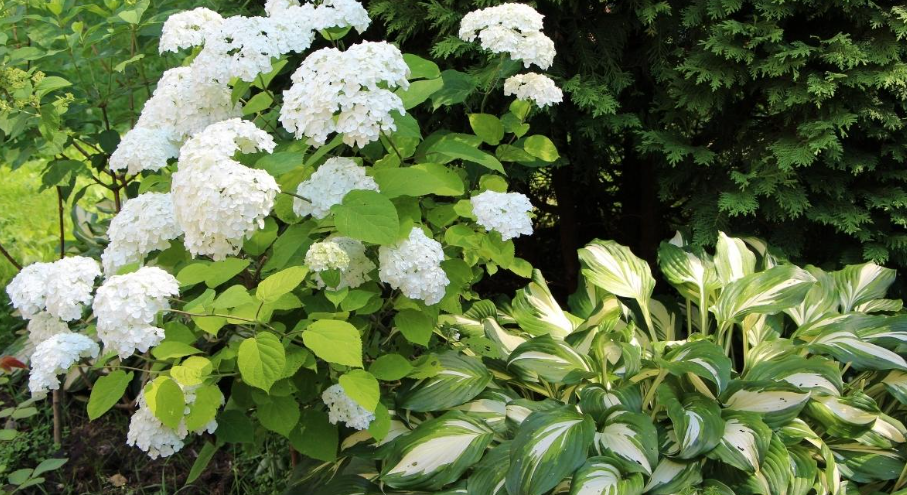
Hosta produces bold, often variegated foliage in a genuine range of sizes and colors, providing substantial structure in a shaded bed where flowering perennials often underperform. Its considerable leaf variety makes it a foliage-focused shade garden anchor beyond its modest flower spikes.
It tolerates partial to full shade and consistently moist soil, remaining one of the most popular shade perennials available for good reason.
Astilbe
Astilbe produces feathery, plume-like flower spikes in shades of pink, red, and white, genuinely thriving in a consistently moist, shaded bed where sun-loving perennials would struggle. Its fine, fern-like foliage provides attractive texture even before flowering.
It tolerates consistently moist soil and partial to full shade, struggling considerably if the soil is allowed to dry out even briefly.
Coral Bells
Coral bells produce mounds of colorful foliage, ranging from deep purple to lime green depending on the cultivar, providing genuine year-round shade garden color beyond its modest flower spikes. Its compact, predictable size makes it a popular shade-border staple.
It tolerates partial shade and well-drained soil, valued as much for foliage color as for its actual flowers.
Bleeding Heart
Bleeding heart produces distinctive, heart-shaped pink or white flowers dangling along an arching stem, a genuine spring shade garden classic. Its foliage goes fully dormant and disappears by midsummer, a normal part of its life cycle rather than a sign of trouble.
It tolerates partial to full shade and consistently moist soil, thriving in the same cool, damp conditions many other spring-blooming shade perennials favor.
Solomon’s Seal
Solomon’s seal produces small, dangling white flowers along an arching stem, tolerating significant shade with genuine ease. Its graceful, architectural form provides real structure in a shaded woodland planting.
It tolerates significant shade and consistently moist soil, spreading slowly by rhizome into an attractive colony over time.
Virginia Bluebells
Virginia bluebells produce nodding clusters of blue, bell-shaped spring flowers, a genuine native spring ephemeral that tolerates consistently moist, shaded soil well. Its foliage goes fully dormant and disappears by midsummer.
It tolerates significant shade and consistently moist soil, thriving in the same woodland floodplain conditions its native habitat provides.
Black Cohosh
Black cohosh produces tall, wand-like spikes of small white flowers on a substantial native woodland perennial, blooming considerably later than many of its ephemeral neighbors. Its considerable height provides genuine vertical structure in a shaded bed.
It tolerates significant shade and consistently moist, rich soil, thriving in the same damp woodland conditions its native range provides.
Goat’s Beard
Goat’s beard produces enormous, plume-like white flower clusters on a genuinely substantial shade perennial that can resemble a shrub more than a typical herbaceous plant. Its considerable scale makes a mature specimen a real anchor in a shaded border.
It tolerates consistently moist soil and partial shade, struggling in anything approaching genuine drought.
Christmas Rose
Christmas rose produces nodding white flowers specifically in the depths of winter, one of the earliest hellebore species to bloom each year, sometimes opening while snow is still on the ground. Its considerable cold tolerance sets it apart from most other flowering perennials.
It tolerates significant shade and a range of soil conditions, requiring minimal ongoing care once established.
Lenten Rose
Lenten rose produces nodding, cup-shaped flowers in late winter through early spring, one of the few genuinely evergreen flowering perennials suited to a shaded bed. Its considerable cold tolerance means it’s often blooming while snow is still nearby.
It tolerates significant shade and a range of soil conditions, requiring minimal ongoing care once established.
Bergenia
Bergenia produces bold, large, rounded evergreen leaves that provide genuine year-round shade garden structure, with pink or white flower clusters emerging in early spring. Its foliage often takes on a bronze-red tint through winter.
It tolerates partial shade and a range of soil conditions, thriving with minimal ongoing care once established.
Lady’s Mantle
Lady’s mantle produces chartreuse-green flower sprays above soft, scalloped leaves that hold beads of dew or rain in a genuinely striking way each morning. Its foliage alone provides real textural value in a shaded border even between bloom periods.
It tolerates partial shade and consistently moist soil, self-seeding readily enough to fill in gaps along a shaded border’s edge over time.
Hardy Geranium
Hardy geranium produces delicate 5-petaled flowers over mounding, often finely cut foliage, a genuine shade-tolerant workhorse distinct from the common sun-loving bedding pelargonium sold under the same name. Its long bloom period and reliable performance have made it a shade garden staple.
It tolerates a range of soil conditions and partial shade, spreading gradually to form an attractive, self-sufficient clump.
Ligularia
Ligularia produces bold, dramatic yellow-orange flower spikes atop large, glossy leaves, genuinely thriving in a consistently moist, partly shaded bed. Its considerable size and bold texture make it a real focal point in a shaded border.
It tolerates consistently wet soil and shade well, wilting dramatically if conditions turn even briefly dry, a useful visual warning sign.
Wild Ginger
Wild ginger produces low, heart-shaped foliage with unusual, ground-hugging flowers largely hidden beneath the leaves, an unassuming but genuinely useful native shade groundcover. Its considerable spread over time makes it a low-maintenance option for a difficult shaded spot.
It tolerates significant shade and consistently moist, rich soil, spreading slowly to form an attractive groundcover.
Sweet Woodruff
Sweet woodruff spreads into a fragrant, low, shade-tolerant groundcover mat, its small white spring flowers carrying a sweet, hay-like scent. Its genuinely low-maintenance nature makes it a reliable shade garden filler.
It tolerates significant shade and consistently moist soil, thriving specifically in the damp, shaded conditions many other flowering perennials can’t handle.
Lily of the Valley
Lily of the valley produces small, intensely fragrant white bell-shaped flowers on a low, spreading groundcover well suited to a shaded bed. Its considerable fragrance is a genuine sensory bonus beyond its shade tolerance alone.
It tolerates significant shade and consistently moist soil, spreading readily enough to fill in a shaded bed within a couple of seasons.
Japanese Anemone
Japanese anemone produces elegant, simple flowers on tall, wiry stems specifically in late summer and fall, extending a shade garden’s season right up to frost. Its graceful, swaying form adds real movement to a fall shade garden.
It tolerates partial shade and consistently moist soil, spreading gradually via rhizome to form an attractive colony over a few seasons.
Pulmonaria
Pulmonaria, also called lungwort, produces small, often bicolor blue and pink flowers above distinctively spotted or silver-marked foliage, adding genuine visual interest even before or after its early spring bloom. Its unusual leaf pattern makes it easy to identify at a glance.
It tolerates significant shade and consistently moist soil, spreading gradually to form an attractive clump over time.
Turtlehead
Turtlehead produces distinctive white or pink, snapdragon-like flowers resembling a turtle’s head, blooming in late summer on a plant genuinely tolerant of a consistently moist, shaded bed. Its unusual flower shape makes it a genuine conversation piece.
It tolerates consistently moist soil and partial shade, thriving in exactly the soggy, shaded conditions many other flowering perennials can’t survive.
Monkshood
Monkshood produces tall spikes of distinctive, helmet-shaped purple flowers in late summer, a genuine shade-tolerant vertical accent for a border needing height. Every part of the plant is toxic if ingested, a real safety consideration around children and pets.
It tolerates partial shade and consistently moist, rich soil, providing late-season color when many other shade perennials have finished blooming.
Meadow Rue
Meadow rue produces airy, delicate flower clusters above fine, almost fern-like foliage, adding a genuinely soft, textural quality to a shaded border. Its considerable height provides vertical interest without the visual heaviness of a bolder-leaved perennial.
It tolerates partial to significant shade and consistently moist soil, thriving in the same cool, damp conditions many other shade perennials favor.
Cardinal Flower
Cardinal flower produces vivid scarlet, tubular blooms on tall spikes, tolerating partial shade well despite also thriving in full sun along a stream bank. Its color is a genuine magnet for hummingbirds throughout its summer bloom period.
It tolerates partial shade and consistently moist to wet soil, preferring a spot that never fully dries out.
Bugbane
Bugbane produces tall, wand-like spikes of small white flowers considerably later in the season than its black cohosh relative, extending a shade garden’s bloom display into fall. Its dark purple foliage in some cultivars adds genuine color contrast beyond the flowers themselves.
It tolerates significant shade and consistently moist, rich soil, thriving in the same damp woodland conditions as several other tall shade perennials.
Key Takeaway
Perennial flowers for shade gardens can add color, texture, and seasonal interest to areas where many sun-loving plants struggle. These plants vary in flower color, foliage, height, bloom time, and shade tolerance, giving gardeners many options for creating attractive garden beds and borders.
Choosing the right perennial depends on the amount of shade, soil type, moisture, climate, and available space. Some perennials tolerate deep shade, while others perform better in partial or dappled shade with several hours of filtered sunlight. Matching each plant to its preferred conditions can encourage healthier growth and flowering.
With suitable plant selection and proper care, a shade garden can remain attractive throughout much of the growing season. Regular watering when needed, good soil preparation, mulching, and removing damaged growth can help perennial flowers establish well and return year after year.