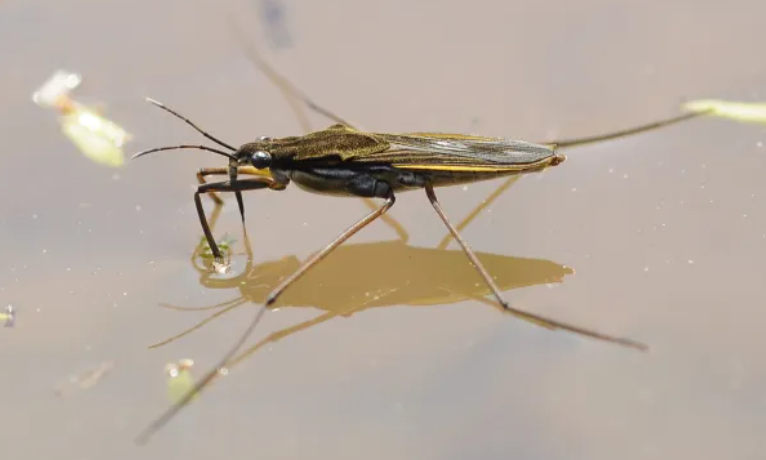
There isn’t just one reason an insect shows up right before, during, or after a rainstorm, and lumping them all together as simply “liking rain” misses what’s actually happening. Some are being physically flooded out of underground burrows they can’t escape any other way, a genuine displacement event rather than a preference. Others are drawn out specifically by rising humidity, since a damp environment matches exactly what their bodies need to avoid drying out. And a smaller group has evolved to time a genuinely critical life event, a reproductive flight, specifically around rain, since the conditions that follow a storm improve a new colony’s odds of surviving its first vulnerable hours.
That last category produces the single most dramatic rain-associated insect event most people ever witness: a termite or flying ant swarm. Winged reproductive termites and ants, called alates, wait for the specific combination of humidity, temperature, and light that follows a rain event before launching a mass nuptial flight, since soft, moist ground is considerably easier to dig a new colony into than the hard, dry soil that preceded the storm. Watching hundreds of winged insects emerge from a single spot within minutes of a rain letting up isn’t coincidence, it’s a genuinely synchronized reproductive strategy.
It’s worth being honest that the single animal most people picture first when they think of “creatures that come out in the rain,” the earthworm, isn’t actually an insect at all, it’s a segmented worm in an entirely different branch of the animal kingdom. The University of Wisconsin Extension’s guide to soil insects and rain behavior covers the flooding-displacement mechanism in more detail for anyone curious about the actual physiology involved. What follows covers 15 insects that come out when it rains, along with the honest earthworm exception people usually expect to see on a list like this.
Termites
Termite colonies release their winged reproductive alates in a mass swarm specifically timed to follow a rain event, since the resulting damp, softened soil makes it considerably easier for a newly paired queen and king to excavate a founding chamber. That synchronized timing across an entire colony, sometimes even across multiple nearby colonies, produces the sudden, dramatic swarms people occasionally notice around a home’s foundation.
The swarm itself typically lasts only a short window, often under an hour, before the alates shed their wings and disperse to begin new colonies or become prey to the many predators drawn to the sudden abundance.
Flying Ants
Flying ants, like termites, release their winged reproductive alates on a nuptial flight specifically timed around rain, taking advantage of the same softened soil and elevated humidity that benefits a founding queen. Their swarms can look superficially similar to a termite swarm, though a close look at wing length and body shape reliably tells the 2 apart.
The mated queens that survive the flight shed their wings and begin excavating a new colony almost immediately, while the vast majority of the swarm never survives long enough to reproduce at all.
Mosquitoes
Mosquito populations surge noticeably in the days following a rain, since standing water left behind in puddles, clogged gutters, and any other small container provides exactly the still water their larvae need to develop. Adult females also become more active seeking blood meals once humidity rises, since dry air increases the risk of dehydration during flight.
A single rain event can trigger a genuinely new generation of mosquitoes within about a week, given how quickly the larval stage develops in warm standing water.
Cockroaches
Cockroaches sheltering in underground burrows, wall voids, or other below-grade hiding spots are genuinely flooded out when heavy rain saturates the ground, forcing them to relocate to drier ground, sometimes directly into a nearby home. That displacement, rather than any particular attraction to rain itself, explains the sudden indoor cockroach sightings some homeowners notice after a storm.
Once displaced, they seek out the nearest dry, sheltered space available, which is exactly why storm drains and building foundations see a genuine uptick in cockroach activity following significant rainfall.
Crickets
Crickets sheltering in soil cracks, mulch, and leaf litter are displaced by the same flooding mechanism that pushes cockroaches to the surface, forced out of submerged shelter and into more visible, drier locations. Their increased visibility after rain reflects displacement rather than any genuine behavioral preference for wet conditions.
They often seek out a building’s foundation or an indoor space once displaced, drawn by the dry shelter rather than anything specific to the structure itself.
Silverfish
Silverfish are genuinely drawn toward the elevated humidity that follows rain, since their bodies lose moisture quickly in dry air and they actively seek out damp environments to survive. Indoor sightings often increase after a rainy stretch as outdoor humidity rises and silverfish move toward any available moisture source, including a home’s foundation.
They favor genuinely dark, undisturbed spaces once they find adequate humidity, making a damp basement or bathroom a particularly attractive destination after a storm.
Fungus Gnats
Fungus gnat populations increase noticeably after rain, since their larvae develop specifically in consistently moist soil and organic matter, conditions a recent rainfall creates in genuine abundance. Adult gnats become more numerous and visible as that expanded larval population matures.
They’re drawn specifically to overwatered potted plants and consistently damp garden beds, making a rainy stretch followed by continued moisture a genuine population boom for the species.
Drain Flies
Drain flies, also called moth flies, breed in the thin film of organic buildup found in drains, gutters, and similarly damp, debris-filled spaces, conditions that expand considerably after a rain event. Their fuzzy, moth-like appearance despite being true flies often causes genuine confusion about their identity.
They become noticeably more numerous around a home’s exterior drains and gutters following a rainy period, reflecting the expanded breeding habitat rain creates rather than any direct attraction to the rain itself.
Springtails
Springtails, genuinely tiny insect relatives found in soil and leaf litter, often appear in visible numbers on the surface of puddles and standing water immediately after rain, sometimes in dense enough concentrations to look like a dark film across the water’s surface. Their distinctive spring-loaded jumping organ, called a furcula, lets them leap considerable distances relative to their tiny size when disturbed.
They’re displaced from saturated soil in a mechanism similar to what pushes ground beetles and crickets to the surface, though their genuine affinity for moisture means they’re often more comfortable in that wet environment than many other displaced insects.
Ground Beetles
Ground beetles sheltering beneath rocks, mulch, and leaf litter are flooded out of their normal daytime hiding spots by heavy rain, forcing a temporary relocation to drier, more exposed ground. Their sudden visibility after a storm reflects that displacement rather than any active preference for rainy conditions.
They typically return to their normal sheltered, nocturnal habits once the ground dries out and their usual hiding spots become available again.
June Beetles
June beetle activity, particularly nighttime flight toward lights, often increases noticeably during humid, post-rain conditions, since the moisture supports both their own physiology and the health of the lawn grass roots their larvae feed on underground. Their emergence timing overall is more closely tied to soil temperature and season, but individual activity bursts frequently follow a rain event.
Their larvae, the grubs responsible for considerable lawn damage, also benefit from the moist soil rain provides, making a rainy season sometimes correlate with a heavier grub population the following year.
Mayflies
Mayflies emerge from aquatic larval habitat in mass synchronized events, and while their primary emergence triggers relate to water temperature and day length, a significant rain event can influence stream and river levels enough to shift emergence timing in a given local population. Their famously brief adult lifespan, often just a day or 2, makes the timing of that emergence genuinely consequential for reproductive success.
Large mayfly emergences are sometimes visible on weather radar given the sheer density of insects taking flight simultaneously, a genuine testament to how synchronized and numerous a single emergence event can be.
Whirligig Beetles
Whirligig beetles, which spend most of their time swimming in tight, spiraling patterns on the surface of ponds and slow streams, become considerably more active and visible as rain raises water levels and expands their available surface habitat. Their distinctive divided eyes let them see both above and below the waterline simultaneously.
They’re genuinely aquatic insects rather than simply drawn out by rain the way a terrestrial species would be, so their increased activity reflects habitat expansion rather than displacement.
Click Beetles
Click beetle activity increases in humid, post-rain conditions, both because the moisture benefits their own physiology and because it improves conditions for the soil-dwelling larvae, called wireworms, that many species produce. Their distinctive ability to snap their body and flip into the air with an audible click, used both to right themselves and startle a predator, is a genuinely unusual defense mechanism.
They’re most active at night and are drawn to artificial light, making a humid evening following a rainstorm a particularly likely time to encounter one.
Earthworms
Earthworms aren’t insects at all, they’re segmented worms belonging to an entirely different branch of the animal kingdom, but they’re genuinely the most commonly expected answer to any question about rain-associated creatures, so it’s worth addressing the honest science behind their appearance. Contrary to the popular belief that they surface to avoid drowning, current research suggests they more likely emerge because rain-saturated soil lets them travel and disperse across the surface far more easily than their usual slow underground burrowing allows.
Their surface travel after rain is thought to be a genuine dispersal opportunity, letting them colonize new territory during the brief window when the ground is wet enough to move across without drying out.
Key Takeaway
Insects that come out when it rains may become more noticeable because rainfall changes soil moisture, humidity, temperature, and surface conditions. Some insects emerge from underground shelters, while others become active around plants, puddles, lights, and other damp areas after or during rainfall.
Different insects respond to rain in different ways. Earth-dwelling insects may move closer to the surface when their habitats become saturated, while winged insects may take advantage of increased moisture and favorable conditions for feeding or reproduction. Identifying them by body shape, wings, antennae, size, color, and habitat can help distinguish one species from another.
Rain-related insect activity is generally a temporary response to changing environmental conditions. Observing where and when insects appear can provide useful clues about their behavior and habitat, while keeping outdoor areas clean and reducing unnecessary standing water can help limit unwanted insect activity around homes and gardens.