Zone 6 sits in an odd, in-between spot for herb gardening. Winters here dip to between negative 10 and 0 degrees Fahrenheit, cold enough to kill the Mediterranean herbs that thrive further south, but mild enough that a handful of borderline plants make it through most years if you give them the right spot. That makes the difference between a Zone 5 herb list and a Zone 6 one smaller than you’d think, but not nothing: a few plants that need real winter protection one zone colder can just live outside here, no digging up required.
Rosemary is the clearest example. In most of the country it’s strictly a container plant that comes indoors every October, but a cold-hardy cultivar like ‘Arp’ or ‘Hill Hardy,’ tucked against a south-facing wall where it gets reflected heat and wind protection, can survive a typical Zone 6 winter outright. It’s not a guarantee, and a genuinely brutal cold snap can still take it out, but it’s a real possibility here in a way it simply isn’t in Zone 5.
The Utah State University Extension herb database is a useful reference point for checking any individual herb’s actual cold tolerance before you commit garden space to it, since nursery tags aren’t always reliable. What follows covers 20 herbs that do well in Zone 6, most of them reliable perennials, a couple of them just barely.
Chives
Chives come back every spring from a small underground bulb, producing mild, onion-flavored leaves and edible purple pom-pom flowers that bees genuinely love. They’re about as close to indestructible as an herb gets, tolerating Zone 6 winters without a second thought and asking for nothing more than full sun and average soil.
Let the flowers go to seed occasionally if you don’t mind a little self-seeding around the original clump, or snip them off before that happens if you want to keep things tidy.
Garlic Chives
Garlic chives look almost identical to standard chives at a glance, but the leaves are flatter and the flavor leans garlicky rather than onion-forward. They’re just as cold-hardy and just as low-maintenance, which makes them an easy addition if you already grow standard chives and want a second flavor without a second set of care instructions.
They self-seed more readily than regular chives, so deadhead the white flowers if you’d rather not find volunteer plants scattered around the bed next year.
Oregano
Oregano is part of the mint family, and it shows: give it decent drainage and it will spread with real enthusiasm, coming back reliably from its woody base every spring regardless of how cold the winter got. The pungent, savory leaves are a kitchen staple, and the plant itself is genuinely difficult to kill by neglect.
Full sun brings out the strongest flavor, and it handles a dry spell far better than it handles soggy, poorly drained soil.
Thyme
Thyme forms a low, woody mat that stays evergreen through much of a mild Zone 6 winter, only fully browning back in a genuinely harsh year. Lemon thyme is worth growing alongside the classic culinary type if you want a citrus note without planting an entirely different herb.
It wants lean, well-drained soil and full sun, and it makes a surprisingly good edging plant along a garden path in addition to its use in the kitchen.
Sage
Sage’s silvery, velvety leaves hold their color through most of a Zone 6 winter, and the plant itself is hardy well beyond this zone’s requirements, so cold is genuinely the least of its concerns. What actually kills sage more often than winter does is wet feet, since it’s considerably more prone to root rot than frost damage.
Give it full sun and soil that drains fast after a rain, and plan to replace the plant every 4 or 5 years once it gets leggy and woody in the middle.
Peppermint
Peppermint spreads through underground runners with genuine aggression, which is exactly why most people who’ve grown it once switch to growing it in a container the second time around. Its cold hardiness is never in question here; its ability to take over an entire bed within 2 seasons is the actual concern.
It tolerates more shade and more moisture than most other herbs on this list, which is part of what makes it so easy to grow and so easy to regret planting directly in the ground.
Spearmint
Spearmint shares peppermint’s cold hardiness and its habit of spreading wherever it pleases, distinguished mainly by a milder, sweeter flavor that works better in drinks and desserts than in medicinal tea. The same container-or-regret-it advice applies here too.
It handles partial shade and consistently moist soil better than the sun-loving Mediterranean herbs it often gets planted alongside.
Lovage
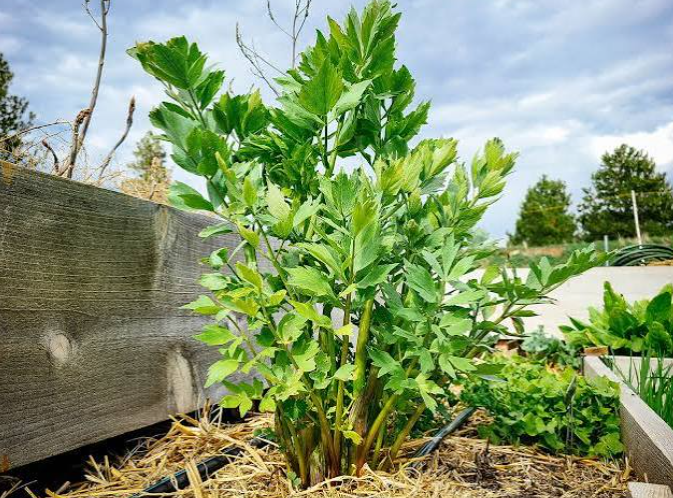
Lovage looks and tastes like an oversized, more assertive celery, and it grows to match, easily reaching several feet tall once it’s a few years established. It’s a genuinely substantial perennial, hardy through Zone 6 winters without complaint, and it’s worth giving it its own dedicated space rather than tucking it into a crowded herb bed.
Divide an established clump every few years if you want to keep it from getting too large, or let it be if you’ve got the room.
French Tarragon
French tarragon is the one entry here that actually wants a little help getting through winter, since its narrower root system benefits from a layer of mulch once the ground starts to cool. Buy it as a start from division rather than seed, because true French tarragon rarely produces seed that grows true to type.
Its anise-like flavor is genuinely distinct from Russian tarragon’s blander version, which is the whole reason it’s worth the slightly extra winter care.
Winter Savory
Winter savory earns its name honestly, staying semi-evergreen through much of a mild winter and shrugging off Zone 6 cold without any special treatment. The flavor is peppery and a little resinous, and it pairs particularly well with beans and heartier cold-weather cooking.
It wants full sun and soil on the leaner, drier side, similar to thyme’s preferences.
Sorrel
Sorrel’s tart, lemony leaves come back reliably every spring after dying all the way back over winter, and the sourness comes from naturally occurring oxalic acid rather than any added seasoning. It’s a genuinely useful addition if you like a sharp, acidic green in soups and sauces.
It prefers cooler, moister soil than most of the drought-tolerant Mediterranean herbs on this list, so don’t tuck it into the driest, sunniest corner of the bed.
Catnip
Catnip is close to bulletproof in a Zone 6 garden, returning with real vigor every spring no matter how the previous winter behaved. Beyond its famous effect on cats, it has a long history as a mild medicinal herb in its own right.
It self-seeds readily enough that a single original planting can turn into several plants scattered nearby within a couple of years, which is either a feature or a nuisance depending on your feelings about it.
Lemon Balm
Lemon balm’s bright, citrus-scented leaves make a genuinely pleasant tea, and the plant itself returns every spring with the same enthusiasm as its mint-family relatives, including their shared tendency to spread further than intended. Divide it periodically if you want to keep it contained.
It tolerates partial shade better than most of the sun-hungry herbs on this list, making it a reasonable choice for a spot that doesn’t get full sun all day.
Horseradish
Horseradish’s thick, pungent taproot laughs off Zone 6 winters entirely, and once it’s established in a bed, it has a genuine reputation for being nearly impossible to fully remove. The flavor gets sharper the deeper into the root you harvest.
Give it its own dedicated corner rather than planting it near anything delicate, since its root system will happily expand into whatever space you give it.
Bee Balm
Bee balm’s shaggy red or lavender-pink flowers are as much a pollinator magnet as they are a culinary herb, drawing hummingbirds and native bees all summer long. It handles Zone 6 winters without issue and comes back reliably from its root system each spring.
It can be prone to powdery mildew in a humid summer, so good air circulation between plants matters more here than winter hardiness ever will.
Yarrow
Yarrow’s flat, fern-like foliage and clusters of small flowers tolerate genuinely poor, dry soil that would leave most other perennials struggling, and its cold tolerance goes well beyond what Zone 6 ever demands of it. It’s been used medicinally and in cooking for centuries.
Plant it somewhere with rough, unamended soil if you have that kind of spot, since it actually performs worse in overly rich, fertile ground.
Echinacea
Echinacea’s coarse leaves and purple-pink coneflowers are as much a pollinator and medicinal plant as a culinary one, and it handles Zone 6 cold with total indifference. Leave the seed heads standing through winter instead of cutting them back, since finches will pick through them for food.
It tolerates drought considerably better than most other perennials, making it a low-water option once it’s had a season to establish its roots.
Comfrey
Comfrey grows into a genuinely large plant, with big, bristly, lance-shaped leaves and a deep taproot that survives winter without any trouble at all. It’s more useful in the garden as a soil-nutrient accumulator than as a kitchen herb, since it isn’t commonly eaten.
Give it a dedicated bed of its own, since its mature size will crowd out smaller neighboring plants within a season or two.
English Lavender
English lavender, specifically cold-hardy cultivars like Munstead or Hidcote rather than the more tender French or Spanish types, handles Zone 6 winters reasonably well as long as drainage is excellent. Its fragrant purple spikes and silvery foliage do double duty as both a culinary herb and a genuinely attractive ornamental.
Wet feet in winter kill lavender far more often than cold does, so raised beds or a gritty, fast-draining soil mix matter more than any amount of mulch.
Hardy Rosemary
Hardy rosemary, meaning specifically a cold-tolerant cultivar like ‘Arp’ or ‘Hill Hardy’ rather than a standard nursery rosemary, can survive a typical Zone 6 winter outdoors if it’s planted against a south-facing wall or another spot that traps reflected heat. It’s genuinely borderline here, and a particularly severe winter can still kill it.
Keep a rooted cutting going indoors as backup if you’re not willing to risk losing the whole plant, since even a hardy cultivar isn’t a sure thing this far north.
Conclusion
Zone 6 offers a useful growing environment for many perennial and annual herbs, with warm summers and cold winters. Selecting herbs suited to these conditions can provide reliable growth while reducing the risk of winter damage.
The best herbs for Zone 6 depend on factors such as sunlight, soil drainage, moisture, and the amount of space available. Some perennial herbs can survive the winter outdoors, while others may need extra protection or can be grown as annuals.
With proper plant selection and basic care, gardeners in Zone 6 can enjoy a wide range of fresh and aromatic herbs. Growing them in garden beds or containers can provide useful foliage, fragrance, and seasonal interest throughout the growing season.