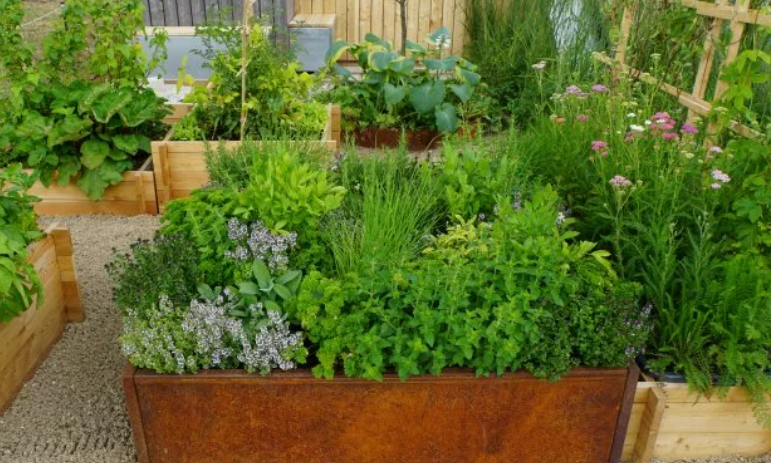
Zone 10 flips the entire herb-growing conversation on its head. Everywhere colder, the whole exercise is about which plants can survive winter. Here, winter barely exists, frosts are rare or nonexistent, and the real question becomes which herbs can survive summer, since the same heat and humidity that lets ginger and turmeric live in the ground year-round will just as easily rot a rosemary bush that’s used to a dry Mediterranean hillside. Cilantro, one of the most commonly grown herbs in the country, is basically unworkable here in the traditional sense, since it bolts and turns bitter within weeks of real heat setting in.
That’s part of what makes a Zone 10 herb list so different from a Zone 5 or Zone 6 one. It’s not a shorter version of the same list with a few extra tender herbs added on. It’s a genuinely different cast of plants, tilted heavily toward tropical and heat-loving species that would either die outright or need constant winter babying anywhere further north. Lemongrass stops being a plant you dig up every October and becomes a permanent clump. Ginger and turmeric go in the ground once and just keep expanding.
The University of Florida’s Institute of Food and Agricultural Sciences herb database is worth bookmarking if you’re gardening anywhere in true Zone 10 conditions, since it’s built specifically around the heat and humidity challenges this climate creates rather than the cold-hardiness numbers most herb guides default to. What follows covers 20 herbs that genuinely thrive here, along with the ones worth a second thought before you commit bed space to them.
Lemongrass
Lemongrass turns into a genuinely massive, arching clump of blade-like foliage in Zone 10, often reaching 6 feet or more since it never has to die back and start over each spring. The swollen, pale lower stems are what actually get harvested for cooking, and a single established clump can supply stalks indefinitely.
It wants full sun and consistent water, and the biggest maintenance task is simply keeping its size in check rather than worrying about it surviving.
Vietnamese Coriander
Vietnamese coriander, also called rau ram, finally gets to be exactly what it is in its native range here: a genuine forest-floor perennial rather than a fussy annual that needs to come indoors. Its peppery, cilantro-adjacent flavor makes it a reasonable substitute in dishes where actual cilantro would already be bolting.
It prefers some afternoon shade and consistently moist soil, since full, unbroken tropical sun can toughen the leaves and make them bitter.
Cuban Oregano
Cuban oregano thrives specifically because of Zone 10’s heat and humidity rather than in spite of it, growing into a sprawling, succulent-like plant with thick, intensely aromatic leaves. It’s not related to true oregano at all, but it fills a similar culinary role with a bolder, more medicinal edge.
It roots from cuttings almost embarrassingly easily and tolerates drought and neglect far better than its lush appearance suggests.
Thai Basil
Thai basil holds up to heat and humidity noticeably better than sweet Italian basil, which tends to bolt and turn bitter the moment summer really sets in. Its purple stems and anise-forward flavor are a staple of Southeast Asian cooking.
Regularly pinching off flower buds keeps it producing tender new leaves through a growing season that, here, essentially never ends.
Holy Basil
Holy basil, or tulsi, is another herb that specifically prefers the conditions that make delicate Mediterranean herbs miserable, growing readily from seed and tolerating full tropical sun without complaint. It’s used both as a culinary herb and, in Ayurvedic tradition, as a medicinal one.
Harvest it regularly and don’t let it fully flower and set seed too early if you want it to keep producing usable leaves.
Curry Leaf
Curry leaf grows into a genuine small tree here rather than a struggling container plant, its glossy compound leaves releasing an intensely savory aroma when bruised or fried in hot oil. It has no relation to curry powder despite the shared name.
It wants full sun and consistent warmth, and in true Zone 10 conditions, it can finally be planted directly in the ground rather than kept in a pot that gets dragged indoors every winter.
Ginger
Ginger produces its aromatic rhizomes beneath tall, reed-like foliage, and an established clump in Zone 10 just keeps expanding year after year rather than needing to be dug up and stored over winter. You can harvest gradually from the edges without disturbing the whole planting.
It wants rich, consistently moist soil and at least some afternoon shade, since intense, unbroken sun can scorch its broad leaves.
Turmeric
Turmeric shares ginger’s rhizomatous growth habit and its ability to simply live in the ground indefinitely in a climate that never freezes. Its bright orange roots are the source of the familiar spice, and a single clump divides easily every couple of years as it spreads.
It wants the same rich, moist, partly shaded conditions as ginger, planted alongside it if you’d like.
Galangal
Galangal is a ginger relative with a sharper, more citrusy, almost pine-like flavor, and it genuinely needs Zone 10’s sustained warmth to perform well, sulking or dying outright anywhere with real winter cold. It’s a staple of Thai and Indonesian cooking that’s difficult to find fresh outside a climate exactly like this one.
It wants the same rich, moist soil as its ginger and turmeric relatives, with slightly more patience required since it grows more slowly than either.
Society Garlic
Society garlic stays evergreen year-round here rather than dying back for winter, its grass-like leaves and small pink flower clusters carrying a mild, usable garlic flavor. It’s one of the lowest-maintenance edging plants available for a Zone 10 herb bed.
It tolerates poor soil and drought remarkably well once established, needing very little beyond a sunny spot to get started.
Mexican Oregano
Mexican oregano, unrelated botanically to true Mediterranean oregano despite the shared name, grows into a genuine woody shrub in warm climates, with a bolder, more citrusy, more pungent flavor than its European namesake. It handles heat and drought considerably better than true oregano does.
Its shrubby growth habit means it can eventually be shaped into a small informal hedge if you let it get large enough.
Perennial Basil
Sweet basil, treated as a fast-dying annual everywhere colder, actually behaves as a genuine short-lived woody perennial in true Zone 10 conditions, surviving for a couple of years before it needs replacing. It’s worth letting a plant get a little shrubby rather than pulling it at the first sign of a flower stalk.
Regular harvesting and pinching keeps it bushy and productive far longer than leaving it alone would.
Culantro
Culantro is cilantro’s heat-tolerant answer to the exact problem that makes true cilantro nearly impossible to grow reliably here: it doesn’t bolt in the heat, and its long, serrated leaves carry a similar, slightly more intense flavor. It’s a staple herb throughout Caribbean and Latin American cooking specifically because it tolerates tropical conditions cilantro can’t.
It prefers partial shade and consistently moist soil, doing best tucked under the edge of a taller plant rather than in full, blazing sun all day.
Epazote
Epazote produces pungent, slightly resinous leaves traditionally used in Mexican cooking, particularly alongside beans, where it’s said to help reduce their gas-producing effect. It thrives in heat that would stress out most other herbs.
It self-seeds readily once established, so decide early whether you want it to spread on its own or plan to deadhead it before it sets seed.
Papalo
Papalo produces round, blue-green leaves with a bold, almost cilantro-and-arugula-crossed flavor, and it specifically prefers the hot, dry stretches of summer that make many other herbs wilt. It’s a traditional Mexican herb still relatively unfamiliar to most American gardeners.
It wants full sun and tolerates drought well, making it a low-maintenance option once it’s established.
Roselle
Roselle, a type of hibiscus grown for its tart, cranberry-flavored calyxes rather than its leaves, thrives in genuine tropical heat and produces a substantial, shrubby plant by the end of a single growing season. The dried calyxes are used in teas, jams, and sauces throughout the tropics.
It wants full sun and consistent moisture, flowering and setting fruit as day length shortens heading into fall.
Moringa
Moringa grows into a genuinely fast, tall tree whose leaves are harvested and used much like a leafy green herb, packed with nutrients and a mild, slightly peppery flavor. It’s one of the more dramatic size differences between how a plant behaves here versus in a container up north.
It wants full sun and tolerates poor soil and drought better than almost anything else on this list, part of why it’s cultivated so widely throughout the tropics.
Chaya
Chaya, sometimes called Mayan spinach, produces large leaves used as a cooked green throughout Mexican and Central American cuisine, though the raw leaves are mildly toxic and need to be cooked before eating. It grows into a substantial shrub in genuinely warm, frost-free conditions.
It tolerates poor soil and considerable neglect once established, propagating easily from stem cuttings stuck directly into the ground.
Rosemary
Rosemary can absolutely grow in Zone 10, but it’s worth a second thought about placement, since the same heat that keeps it alive year-round pairs with humidity that can rot its roots faster than any winter cold ever would further north. Good drainage matters here more than it does almost anywhere else this plant is grown.
Raised beds or a spot with genuinely fast-draining, sandy soil make the difference between a thriving rosemary shrub and one that slowly declines from root rot.
Bay Laurel
Bay laurel grows into a substantial, long-lived tree in Zone 10’s frost-free conditions, its glossy leaves harvested and dried for cooking indefinitely once a tree is established. It’s slow-growing, but a single mature tree easily outlasts the gardener who planted it.
It wants full sun to light shade and, like rosemary, benefits from soil that drains well rather than staying consistently soggy through a rainy tropical summer.
Conclusion
Zone 10 has warm temperatures and a long growing season, allowing gardeners to grow a wide variety of herbs for much of the year. Many herbs suited to warm climates can grow vigorously when provided with adequate sunlight, well-drained soil, and consistent moisture.
Choosing herbs that tolerate heat and the local growing conditions can make the garden easier to maintain. Some herbs may benefit from afternoon shade during periods of intense heat, while others perform well in full sun when their water needs are met.
With suitable plant selection and basic care, Zone 10 gardeners can enjoy fresh herbs across multiple seasons. Growing them in garden beds, containers, or dedicated herb gardens can provide useful foliage, fragrance, and flavor while adding variety to the landscape.