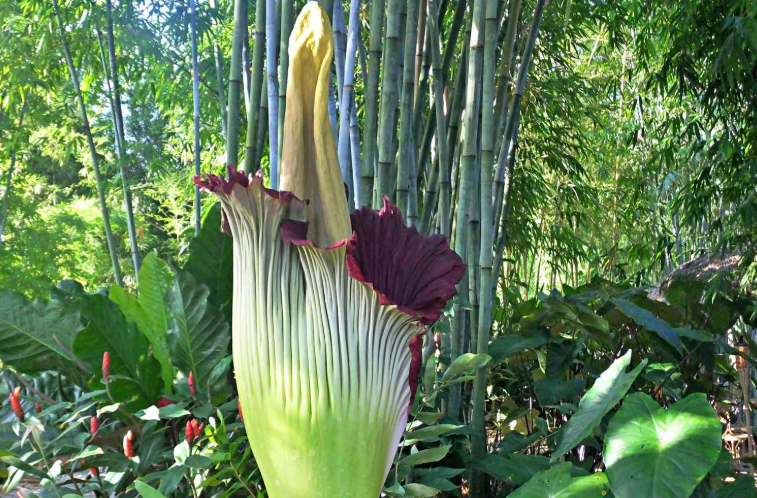
Flowers that smell bad don’t all share the same reason for smelling that way, and the differences between them are genuinely more interesting than a simple list of unpleasant blooms might suggest. Some are deliberately mimicking rotting flesh or animal dung to lure in the specific flies and beetles that pollinate them, a real, well-documented evolutionary strategy. Others produce an unpleasant smell as a side effect of unrelated floral chemistry, with no genuine pollination purpose behind the odor at all, simply an unlucky byproduct that happens to offend the human nose.
One specific piece of chemistry ties together several entries on this list in a genuinely fascinating way. Trimethylamine, the exact compound responsible for the smell of rotting fish and decaying flesh, is also the compound behind hawthorn and mountain ash blossoms’ famously unpleasant reputation, a real, shared chemical explanation for why 2 completely unrelated flowering trees produce such a similar, distinctly fishy odor each spring. Knowing that single fact explains a surprising amount of what’s actually happening on this list.
It’s worth being honest that not every unpleasant flower here is playing the same pollination game as a genuine carrion mimic like the corpse flower. Some, like privet or certain chestnut trees, simply carry a naturally unpleasant floral scent without any clear evidence the smell serves a deliberate evolutionary function, a genuine reminder that biology doesn’t always have a tidy explanation for every trait.
The Missouri Botanical Garden’s plant finder database documents bloom characteristics, including scent profiles, for the vast majority of species covered here. What follows covers 30 flowers that smell bad.
Corpse Flower
Corpse flower produces the single most famous carrion scent in the plant world, its enormous, rare bloom releasing an intense odor of decaying flesh specifically to attract the carrion flies and beetles responsible for its pollination. Its bloom event happens so infrequently that a flowering specimen at a botanical garden regularly draws crowds specifically to experience the notorious smell firsthand.
It requires a genuinely warm, humid greenhouse environment and years of patient cultivation, its rare bloom cycle making it a project for a dedicated institution rather than a home garden. The United States Botanic Garden has documented bloom timing and visitor turnout data from its own flowering specimens over the years.
Carrion Flower
Carrion flower produces star-shaped blooms with a genuinely convincing rotting-flesh odor on a low-growing succulent popular among collectors specifically for that novelty value. Its mottled, often hairy petal surface visually mimics decaying tissue, adding a textural deception on top of the scent-based one.
It tolerates poor, well-drained soil and bright, indirect light, thriving as a genuinely manageable houseplant despite its startling bloom.
Starfish Flower
Starfish flower, a specific relative of the broader carrion flower family, produces large, genuinely star-shaped blooms covered in fine hairs that enhance both its visual and scent-based resemblance to decaying flesh. Its considerable popularity among succulent collectors reflects real fascination with a plant that smells this deliberately unpleasant.
It tolerates poor, well-drained soil and bright light, thriving as a low-maintenance succulent despite its notoriously foul bloom.
Dead Horse Arum
Dead horse arum produces a genuinely convincing carrion scent paired with real thermogenic heat generation, its bloom warming several degrees above the surrounding air temperature specifically to help volatilize and spread its odor further. Its Mediterranean native range and unusual biology have made it a genuine subject of considerable scientific study.
It tolerates a range of soil conditions in a warm, frost-free climate, its combination of heat and scent representing one of the more sophisticated carrion-mimicry strategies among flowering plants.
Voodoo Lily
Voodoo lily, a genuine relative of the corpse flower, produces a similarly foul scent on a considerably more compact and garden-manageable plant. Its dramatic, mottled purple-black spathe emerges before any leaves, creating a genuinely striking, almost sinister early-season display.
It tolerates partial shade and rich, well-drained soil, growing from a tuber that returns reliably each year in a suitably warm climate.
Devil’s Tongue
Devil’s Tongue, a close relative of voodoo lily, produces a genuinely large, unpleasant-smelling bloom emerging from a substantial underground tuber, its foul odor drawing the same category of carrion-seeking flies as its more famous relatives. Its dramatic appearance has made it a popular curiosity among gardeners specifically interested in unusual, novelty blooms.
It tolerates partial shade and rich, well-drained soil, its tuber storing considerable energy between bloom cycles.
Rafflesia
Rafflesia produces the genuinely largest single flower in the entire plant kingdom, its massive, mottled reddish bloom emitting an intense carrion odor to attract the flies responsible for its pollination. Its existence as a true parasitic plant, with no leaves, stems, or roots of its own, makes it essentially impossible to cultivate outside its native Southeast Asian rainforest habitat.
It cannot be grown as a garden specimen at all, remaining a wild botanical curiosity rather than something a home gardener could ever cultivate.
Dragon Arum
Dragon Arum produces a genuinely dramatic, deep maroon-black bloom with an intensely foul, rotting-meat odor considered among the strongest of any hardy garden plant, remarkable given how much more cold-tolerant it is than most other carrion-mimicking species. Its considerable height and unusual, almost reptilian appearance have made it a genuine conversation piece wherever it’s grown.
It tolerates surprisingly cool conditions for a carrion-mimicking plant, growing from a bulb that returns reliably in a temperate garden considerably colder than most of its tropical relatives could survive.
Dutchman’s Pipe
Dutchman’s pipe, in several of its many species, produces genuinely dung- or carrion-scented flowers specifically adapted to briefly trap visiting flies before releasing them coated in pollen. Its distinctive pipe-shaped bloom is a genuine structural adaptation supporting that trap-and-release pollination strategy.
It climbs vigorously given a trellis or arbor, tolerating a range of soil conditions and partial shade in a suitably warm climate.
Pelican Flower
Pelican flower produces a genuinely enormous, dramatically patterned bloom with a strong dung-like odor specifically adapted to attract the flies responsible for pollinating this large tropical vine. Its considerable flower size, sometimes reaching well over a foot across, makes it one of the most visually striking entries on this entire list despite its unpleasant scent.
It climbs vigorously in a warm, humid tropical climate, its considerable vine growth requiring substantial structural support.
Hydnora
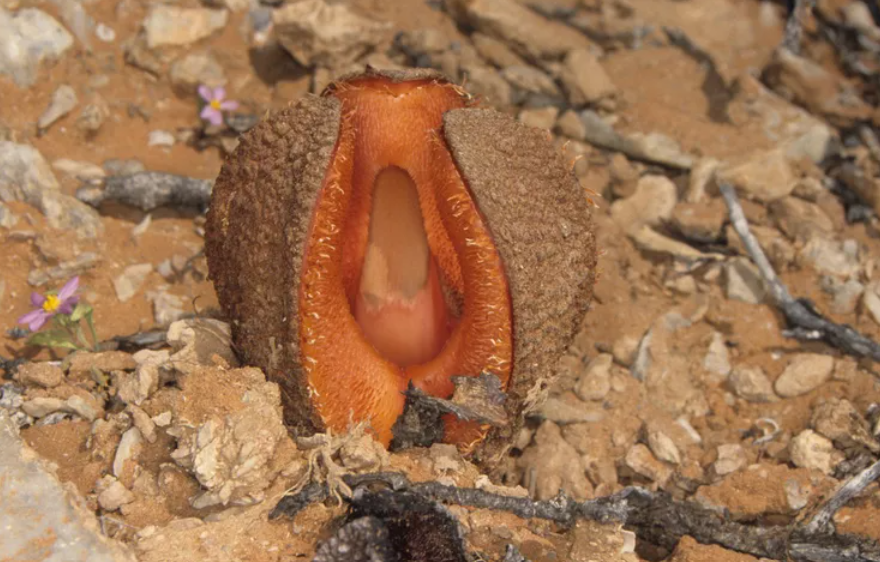
Hydnora produces a genuinely bizarre, fleshy flower that emerges directly from the ground with no visible leaves or stem, its dung-like odor drawing the dung beetles responsible for its pollination in its native southern African range. Its existence as a true underground parasitic plant, attached entirely to a host root system, makes it essentially impossible to cultivate outside its wild habitat.
It cannot be grown as a garden specimen, remaining one of botany’s more genuinely bizarre parasitic curiosities.
Elephant Foot Yam
Elephant foot yam produces a genuinely large, unpleasant-smelling bloom emerging from a substantial edible tuber, its foul odor during flowering drawing carrion-seeking flies despite the plant’s considerable culinary value in parts of Asia. Its dual identity as both a food crop and a foul-smelling ornamental curiosity makes it a genuinely unusual entry on this list.
It thrives in a warm, humid tropical climate, its large tuber storing substantial energy for both the plant’s growth and its dramatic, if foul-smelling, flowering event.
Skunk Cabbage
Skunk cabbage produces a genuinely pungent, skunk-and-carrion-like odor from one of the earliest blooms of the entire growing season, often emerging while snow is still on the ground. Its considerable thermogenic ability lets it generate real internal heat, melting the surrounding snow and helping the plant’s odor compounds volatilize even in genuinely cold, early-spring conditions.
It tolerates consistently wet, boggy soil and significant shade, thriving in exactly the damp woodland conditions its early bloom timing depends on. The University of Wisconsin-Madison Botany Department has published research specifically on skunk cabbage’s thermogenic snow-melting ability.
Stinking Hellebore
Stinking hellebore earns its blunt common name honestly, its pale green flowers and foliage releasing a genuinely unpleasant, slightly musty odor most noticeable when the leaves are crushed or bruised. Its considerable winter and early-spring bloom timing, alongside evergreen foliage, still makes it a valued garden plant despite the off-putting name.
It tolerates significant shade and a range of soil conditions, thriving in exactly the woodland garden setting many other winter-blooming perennials struggle to match.
Stinking Iris
Stinking iris, whose scientific epithet literally translates to “most foul-smelling,” releases a genuinely unpleasant odor most noticeable when its leaves are crushed rather than from the flower itself. Its considerable value as a shade-tolerant, drought-resistant garden plant, alongside its striking orange winter seed pods, has kept it in cultivation despite the unflattering name.
It tolerates significant shade and drought remarkably well, thriving in exactly the difficult dry shade conditions many other garden plants can’t handle.
Bradford Pear
Bradford pear produces a genuinely abundant spring display of white blossoms carrying a distinctly unpleasant odor that’s become a well-documented seasonal complaint in many American neighborhoods where the tree was widely planted. Its considerable ornamental popularity decades ago has since given way to real concern about its invasive tendencies in several regions.
It tolerates a wide range of soil and urban conditions, its adaptability having driven its widespread historical planting despite the genuinely unpopular scent of its spring flowers. The USDA Forest Service’s invasive species program documents Bradford pear’s ecological concerns alongside its well-known blossom odor complaints.
Horse Chestnut
Horse chestnut produces genuinely showy flower spikes each spring that carry a distinctly unpleasant, musky odor many people find off-putting up close, despite the tree’s considerable overall visual appeal from a distance. Its large, dramatic flower clusters still make it a popular ornamental and shade tree regardless of that close-range scent.
It tolerates a range of soil conditions and full sun to partial shade, its considerable size and shade canopy making it a longtime park and street tree favorite.
Sweet Chestnut
Sweet chestnut produces long, catkin-like flower clusters with a genuinely distinctive, musky odor similar in character to its unrelated horse chestnut namesake, a coincidental similarity rather than any close botanical relationship. Its edible nuts, harvested in fall, give the tree considerable culinary value that outweighs its unpopular spring flower scent for most growers.
It thrives in a range of soil conditions and full sun, its considerable value as both a nut-producing and ornamental shade tree keeping it in cultivation despite the flowering season’s unpleasant smell.
Privet
Privet produces small white flower clusters with a genuinely unpleasant, somewhat musty odor that surprises many people who only know the plant as a common clipped hedge, since regular shearing usually removes the flowering wood before bloom. Its considerable popularity as a dense, easily maintained hedge plant means most people never actually encounter its off-putting flower scent.
It tolerates a wide range of soil and light conditions, its adaptability having made it one of the most commonly planted hedge shrubs despite its genuinely unpopular natural flower fragrance.
Crown Imperial Fritillaria
Crown imperial fritillaria produces a genuinely strong, skunk-like odor from its otherwise striking, dramatic orange or yellow flower clusters, an odor many gardeners report also helps deter deer and rodents from the surrounding bed. Its unusual checkered flower pattern and considerable height make it a genuine garden curiosity despite the notorious smell.
It grows from a bulb planted in fall, its distinctive strong odor offering real, if unintentional, pest-deterrent value alongside its dramatic spring bloom.
Red Trillium
Red trillium, also called Stinking Benjamin for exactly the reason its name suggests, produces a deep maroon woodland flower with a genuine carrion-like odor that draws the flies and beetles responsible for its pollination. Its considerable visual beauty as a native spring wildflower belies the genuinely unpleasant scent hiding within its elegant 3-petaled form.
It tolerates significant shade and rich, consistently moist woodland soil, thriving in the same understory conditions many other native spring ephemerals favor.
Green Dragon
Green dragon, a genuine relative of Jack-in-the-pulpit, produces an unusual, elongated greenish flower spike with a mildly unpleasant odor that draws small flies for pollination. Its distinctive, almost reptilian flower shape sets it apart from most other native woodland wildflowers.
It tolerates significant shade and consistently moist, rich soil, thriving in the same damp woodland conditions its Jack-in-the-pulpit relative favors.
Jack-in-the-Pulpit
Jack-in-the-pulpit produces a distinctive hooded flower structure with a mildly unpleasant, musty odor that draws small fungus gnats and flies specifically adapted to the plant’s unusual pollination strategy. Its considerable shade tolerance and unusual flower shape have made it a genuine favorite among native woodland garden enthusiasts despite the underwhelming scent.
It tolerates significant shade and consistently moist, rich soil, thriving in the same damp understory conditions many spring woodland wildflowers require.
Wild Ginger
Wild ginger, in several of its species, produces small, ground-hugging flowers hidden beneath its heart-shaped leaves with a genuinely fetid odor specifically adapted to draw the small flies and gnats responsible for pollination at ground level. Its considerable use as an attractive, low-growing shade groundcover means most gardeners never actually notice the unpleasant flower scent hidden beneath the foliage.
It tolerates significant shade and consistently moist, rich soil, its low-growing habit keeping its genuinely unpleasant flowers largely out of sight and smell.
Stinking Goosefoot
Stinking goosefoot is a genuinely historic plant documented for centuries specifically for its remarkably unpleasant, fishy odor, once used in traditional herbal medicine despite, or perhaps because of, that notorious smell. Its considerable historical documentation reflects just how memorably off-putting the plant’s scent has been to observers across generations.
It tolerates poor, disturbed soil, thriving in exactly the marginal, weedy conditions where this genuinely unpopular plant is most often found growing wild.
Hawthorn
Hawthorn produces abundant white spring blossoms carrying trimethylamine, the same genuine compound responsible for the smell of decaying fish, giving the tree’s otherwise attractive flowers a distinctly unpleasant undertone up close. Its considerable value for wildlife, providing both nectar for pollinators and berries for birds later in the season, has kept it a popular hedgerow and specimen tree despite the notorious blossom scent.
It tolerates a wide range of soil conditions and considerable urban pollution, thriving as a genuinely tough, adaptable tree regardless of its unpopular flowering scent. The Royal Horticultural Society’s plant science resources documents trimethylamine as the specific chemical compound responsible for hawthorn’s distinctive blossom odor.
Mountain Ash
Mountain ash, also called rowan, produces clusters of white spring flowers sharing hawthorn’s genuine trimethylamine-based fishy odor, an unexpected scent given the tree’s otherwise cheerful reputation for its bright orange-red berry clusters later in the season. Its considerable cold hardiness has made it a popular ornamental tree well into far northern growing regions.
It tolerates genuinely cold conditions and poor, rocky soil, thriving in exactly the harsh mountain and northern conditions its common name references.
Skunk Vine
Skunk vine earns its name from a genuinely powerful, sulfurous odor released when its leaves or stems are crushed or bruised, an odor some describe as more offensive than the plant’s actual small, relatively inconspicuous flowers. Its considerable vining growth has made it an invasive concern in parts of the warmer United States, where it spreads aggressively given the chance.
It tolerates a wide range of soil and light conditions, its considerable vigor and unpleasant defensive scent both reflecting real adaptations against browsing animals.
Bugbane
Bugbane earns its common name honestly, its tall, distinctive white flower spikes releasing a genuinely unpleasant odor historically believed, and to some extent documented, to help repel insects from the surrounding area. Its considerable height and dramatic late-summer bloom still make it a valued shade garden perennial despite the off-putting scent up close.
It tolerates significant shade and consistently moist, rich soil, thriving in the same damp woodland conditions several other unpleasant-smelling shade perennials on this list also favor.
Passionflower
Passionflower, in certain species, produces a genuinely unpleasant, somewhat sour odor that surprises many people expecting a scent to match the flower’s spectacular, intricate visual appearance. Its considerable variability across different species and cultivars means the smell isn’t universal across the whole passionflower family, but where it occurs, it’s genuinely noticeable up close.
It climbs vigorously given a trellis, tolerating full sun and well-drained soil in a warm to temperate climate.
Lords-and-Ladies
Lords-and-ladies, a genuine British native relative of Jack-in-the-pulpit, produces a distinctive hooded flower structure with a mildly unpleasant, musty odor specifically adapted to attract small flies that briefly become trapped inside before pollination completes. Its bright red berry cluster later in the season provides real visual interest, though the berries themselves are genuinely toxic if eaten.
It tolerates significant shade and consistently moist, rich soil, thriving in the same damp hedgerow and woodland conditions across much of its native British range.
Skunk Currant
Skunk currant earns its blunt common name honestly, its small flowers and foliage releasing a genuinely strong, skunk-like odor when brushed or crushed, considerably more pungent than most other currant relatives. Its native range across cooler parts of North America has made it a familiar, if unpopular-smelling, presence in certain forest understories.
It tolerates significant shade and cool, moist conditions, thriving in exactly the northern forest habitat its native range occupies.
Spider Flower
Spider flower, also called cleome, produces striking, spidery pink or white blooms carrying a genuinely musky, somewhat skunky undertone that surprises many gardeners drawn in by the plant’s considerable visual drama. Its unusual scent hasn’t stopped it from remaining a popular tall summer annual for the back of a border.
It thrives in full sun and well-drained soil, tolerating genuine heat and drought once established through a long summer bloom season.
Valerian
Valerian is genuinely notorious for the unpleasant, sweaty-sock-like odor of its root, historically used in herbal medicine for its sedative properties despite that off-putting smell, and its clustered pink or white flowers carry a milder version of that same distinctive scent. Its considerable medicinal history has kept it in cultivation for centuries despite the genuinely unflattering comparisons its odor tends to invite.
It tolerates a range of soil conditions and full sun to partial shade, thriving reliably enough to naturalize in many temperate gardens.
Lady’s Slipper Orchid
Lady’s slipper orchid, in certain deceptive species, produces a genuinely mild musty or decaying odor rather than offering real nectar, luring pollinating insects with a false promise rather than an actual reward. Its dramatic, pouch-shaped bloom remains one of the most visually striking flowers in the entire orchid family despite that underhanded pollination strategy.
It tolerates significant shade and consistently moist, well-drained soil, thriving in the specific woodland conditions many native orchid species require.
Key Takeaways
Flowers that smell bad or have unpleasant odors are often adapted to attract specific pollinators rather than humans. Some species produce scents resembling rotting organic matter, fermented substances, or other strong odors that can attract flies, beetles, and other insects that help with pollination.
Unpleasant-smelling flowers can vary greatly in appearance, size, color, and blooming habits. Identifying them is easier by considering the flower shape, foliage, scent, plant structure, flowering period, and natural habitat rather than relying on smell alone.
These unusual flowers can be interesting additions to botanical collections and educational gardens when their growing requirements are suitable. Understanding their preferred soil, sunlight, moisture, temperature, and pollination strategy can help explain why they produce distinctive scents and how they function in their natural environment.