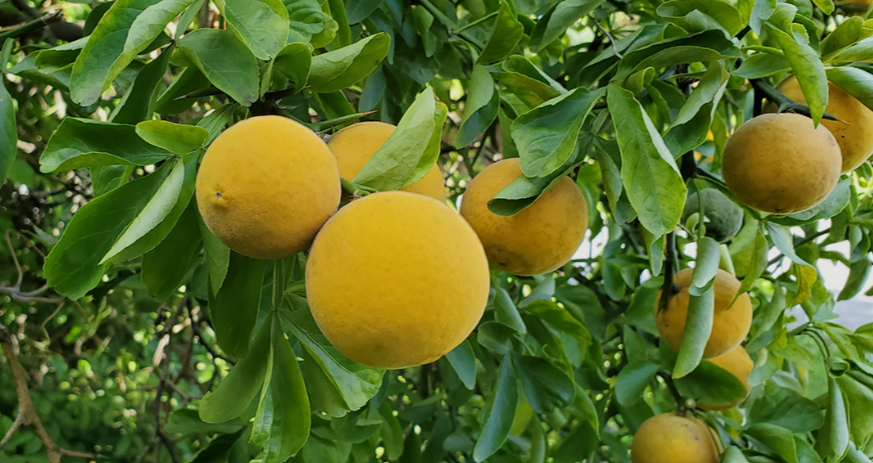
Cold hardy orange fruit trees are a relative idea, because the sweet orange is one of the more tender members of the citrus family. The orange is an ancient hybrid of the pummelo and the mandarin, and it originated in southern China. It is now the world’s most widely grown citrus fruit, with roughly 70 million tonnes harvested each year.
Brazil is the largest producer, and oranges make up about half of all citrus grown worldwide. In the United States the crop comes mainly from Florida and California. Florida’s output has fallen sharply because of a disease called citrus greening, while new plantings have appeared in south Georgia.
Among citrus, mandarins tolerate the most cold, followed by grapefruit and then oranges. The University of Georgia warns that hard freezes of 20°F and lower will severely damage even the hardiest sweet orange. For that reason, many trees sold as oranges in cold regions are actually mandarins, sour oranges or hybrids.
Rootstock makes a difference as well, since grafting onto trifoliate orange increases a tree’s cold hardiness. The 29 trees below begin with the toughest true sweet oranges and move on to the hardier fruits that share the orange name. Each entry notes where the tree is grown.
1. Hamlin
Hamlin is the standard cold-tolerant sweet orange. Its fruit is medium-sized, smooth and nearly seedless. It is grown mainly for juice. It ripens early, from October to January. The tree is large and very productive.
The University of Georgia states that its cold hardiness is equal or superior to that of other sweet orange varieties. Even so, the university warns that freezes of 20°F and lower will severely damage it. Its early harvest lets growers pick before the coldest weather. It is suggested for the lower coastal area of Georgia, with cold protection. It is grown in Florida, Georgia, Louisiana, Texas and Brazil.
2. Parson Brown
Parson Brown is an old Florida juice orange. Its fruit is medium-sized, with a pebbly rind. It contains more seeds than Hamlin. The University of Florida notes that it can be harvested slightly earlier than Hamlin. The juice has good color.
It originated in Florida in the 1800s. Its very early season is its chief advantage in a cold region. Fruit picked in October and November escapes most freezes. Mississippi State University lists it among the common oranges worth considering. It is grown in Florida, the Gulf Coast and Texas.
3. Ambersweet
Ambersweet is a hybrid orange that resembles a navel. Its fruit peels easily and has good color. The flavor is sweet and mild. It ripens early in the fall. It is classed as an orange, though mandarin and grapefruit are in its ancestry.
The University of Florida describes its trees as moderately cold-hardy. The University of Georgia suggests it for trial in that state. In Georgia fruit tests it ranked among the sweetest relative to its acidity. It is quite susceptible to a pest called citrus rust mite. It is grown in Florida, Georgia and the Gulf Coast.
4. Washington Navel
The Washington navel is the classic seedless eating orange. Its fruit is large, with a small secondary fruit embedded at the blossom end. The rind is deep orange and peels easily. The flesh is sweet and rich. It ripens from October to December.
Texas A&M rates the cold hardiness of navel oranges as good, though their production is low. Mississippi State University names it the only orange recommended for growing outdoors along the Gulf Coast, in a protected spot. A site on the south side of a house is suggested. Navels bear lighter crops than juice oranges. It is grown in California, Arizona, Texas, the Gulf Coast and Australia.
5. Glen Navel
Glen Navel is a navel orange selected in Florida. Its fruit is large, seedless and sweet. It ripens in late fall. The tree is vigorous. It bears somewhat more reliably than older navels in humid climates.
The University of Georgia suggests it among the navel varieties for that state. It has been included in the university’s fruit quality evaluations since the mid-2010s. Like all navels, it needs protection in a hard freeze. It is grown for fresh eating. It is grown in Florida and southern Georgia.
6. Cara Cara
Cara Cara is a navel orange with pink-red flesh. From outside it looks like an ordinary navel. The flesh is crimson, sweet and low in acid. It is seedless. It ripens in late fall and winter.
The University of Arizona notes that it is the only pigmented navel with crimson flesh. The University of Georgia suggests it as a red navel for that state. Its hardiness is similar to that of other navels. It was discovered in Venezuela in the 1970s. It is grown in California, Arizona, Florida, Georgia and Texas.
7. Southern Frost
Southern Frost is a navel orange released by the University of Georgia. It is very sweet. In the university’s fruit tests it had the highest sugar-to-acid ratio of the sweet oranges measured. It ripens in late November. It is seedless.
It belongs to the university’s Frost series of citrus for the Deep South. It was bred for homeowners in south Georgia. It is usually grown on a dwarfing, cold-hardy rootstock. It still needs protection in severe freezes. It is grown in southern Georgia and northern Florida.
8. Marrs
Marrs is an early, low-acid sweet orange from Texas. Its fruit is medium-sized and nearly seedless. The rind is yellow-orange. The flavor is sweet because the acid level is low. It ripens from October to January.
Texas A&M rates its cold hardiness as fair. The University of Arizona describes it as an early-season, semi-dwarf tree. Its small size makes it easier to cover on cold nights. It is also a good pollinator for other citrus. It is grown in Texas, Arizona and California.
9. Pineapple
Pineapple is a midseason juice orange with rich flavor. Its fruit is medium-sized and seedy. The juice is deeply colored and aromatic. It ripens from November to February. The tree is large and productive.
Texas A&M rates its cold hardiness as fair. It is less hardy than several newer midseason varieties. Fruit left on the tree is exposed to midwinter freezes. Heavy crops also leave the tree more vulnerable to cold. It is grown in Florida, Texas and Brazil.
10. Sunstar
Sunstar is a midseason juice orange released in Florida. Its fruit is similar in size to Hamlin. The juice has deeper color. It yields well. It ripens in midwinter.
The University of Florida notes that it is more cold-hardy than Pineapple. It was bred as an improved midseason variety. Better hardiness and better juice color were its goals. It is grown mainly for processing. It is grown in Florida.
11. Midsweet
Midsweet is another Florida midseason orange. Its fruit resembles Hamlin, but the juice color is deeper. It ripens in midwinter. The tree is vigorous. It is productive.
The University of Florida rates it as more cold-hardy than Pineapple. A related variety is described as about as hardy as Sunstar and Midsweet. It holds its fruit well on the tree. It is grown for juice. It is grown in Florida.
12. Republic of Texas
Republic of Texas is an old sweet orange from the Gulf Coast. It is said to have been grown in Texas since the 1840s. The fruit is medium to large, round and sweet. It contains seeds. It ripens in late fall and winter.
It has a reputation for surviving freezes that killed other sweet oranges. Growers rate it hardy into the mid-teens once established. It is often grown on its own roots or on trifoliate orange. It is sold mainly by Texas nurseries. It is grown in coastal Texas and Louisiana.
13. Moro Blood Orange
Moro is the most widely grown blood orange. Its flesh is deep red to purple. The flavor is rich, with a hint of berries. The fruit is medium-sized and nearly seedless. It ripens in winter.
Cool nights are what bring out its red color. The University of Georgia has included it in fruit evaluations there. It ripens later than the early juice oranges, which exposes it to more cold. It is no hardier than other sweet oranges. It is grown in California, Italy, Texas, Arizona and Georgia.
14. Valencia
Valencia is the most important sweet orange in the world. Its fruit is medium-sized and nearly seedless. The juice is abundant and richly colored. It ripens very late, from March to June. It is the standard juice orange.
Texas A&M rates its cold hardiness as fair. Its fruit must hang through the entire winter before it ripens. That makes it a poor choice where hard freezes are common. It is included here as the benchmark for comparison. It is grown in Florida, California, Texas, Spain, Brazil and South Africa.
15. Owari Satsuma
The Owari satsuma is the classic cold-hardy orange of the Gulf Coast. It is a mandarin, though it is widely called a satsuma orange. Its fruit is seedless, sweet and very easy to peel. It ripens from October to December. The tree is small and spreading.
Texas A&M rates its cold hardiness as very good. Mature trees tolerate about 15°F. About 75% of Georgia’s 3,300 acres of citrus are satsumas. Its fruit ripens early enough to avoid most hard freezes. It is grown in Louisiana, Alabama, Georgia, northern Florida, Texas and Japan.
16. Brown Select Satsuma
Brown Select is an improved satsuma from Louisiana. Its fruit is seedless, sweet and easy to peel. It ripens about two weeks before Owari. The tree is more compact. The fruit is medium to large.
The University of Georgia names it among the good satsuma varieties. Its earlier harvest lets growers pick ahead of the first freezes. Its hardiness is similar to that of Owari. It is a leading variety in Georgia’s new plantings. It is grown in Louisiana, Georgia, Alabama and northern Florida.
17. Kimbrough Satsuma
Kimbrough is a satsuma selected for extra cold tolerance. Its fruit is somewhat larger than Owari. It is sweet and nearly seedless. It ripens in midseason. The peel is slightly rougher.
Mississippi State University describes it as probably the most cold-hardy of the mandarin oranges. It was released in Louisiana after surviving severe freezes. Texas A&M lists it with Owari among the very hardy satsumas. It tends to bear heavily every other year. It is grown in Louisiana, Mississippi, Alabama, Georgia and Texas.
18. Arctic Frost
Arctic Frost is a hybrid of a satsuma and the Changsha mandarin. Its fruit is juicy, nearly seedless and easy to peel. It ripens in late fall or early winter. The tree grows relatively tall. Its white flowers are strongly fragrant.
It survived 9°F at a Texas A&M research site in East Texas. Texas A&M calls it the most cold-hardy satsuma hybrid tested so far. It was named a Texas Superstar plant in 2015. It is usually grown on its own roots. It is grown in Texas and across the Gulf South.
19. Orange Frost
Orange Frost is a sister hybrid of Arctic Frost. Its peel and flesh are a bright, deep orange. The fruit is sweet, with only a seed or two. It peels easily. It ripens in late fall.
It has survived 12°F. It was named a Texas Superstar plant in 2014. The University of Georgia has tested it on its own roots. Young trees need protection for their first three winters. It is grown in Texas, Louisiana, Georgia and the Gulf Coast.
20. Changsha
Changsha is one of the hardiest sweet citrus fruits. It is a small mandarin with bright orange peel and flesh. The flavor is sweet. It is very seedy. It ripens from October to January.
The University of Georgia describes it as a very cold-hardy mandarin. It is known to have survived temperatures below 10°F. It has been grown as far north as the Dallas area. Texas A&M rates its cold hardiness as very good. It is grown in Texas, Georgia, the Gulf Coast and China.
21. Ponkan
Ponkan is a large, sweet mandarin often called the Chinese honey orange. Its fruit is loose-skinned and very easy to peel. The flesh is tender, sweet and aromatic. It ripens in early winter. The tree is upright.
Texas A&M lists it among the mandarins grown in that state. Mississippi State University suggests it for greenhouse or sunroom growing in colder areas. It is less hardy than the satsumas. It tends to bear in alternate years. It is grown in China, India, Brazil, Florida and Texas.
22. Clementine
The clementine is a small, sweet, easy-peeling mandarin. Its rind is dark orange-red. The flesh is juicy and rich. It ripens from October to December. It is seedless when grown apart from other citrus.
Texas A&M rates its cold hardiness as very good. It is also a good pollinator for other varieties. Its early ripening helps it avoid winter freezes. It needs more summer heat than a satsuma to sweeten fully. It is grown in Spain, Morocco, California and Texas.
23. Sour Orange
The sour orange is the bitter orange of marmalade. Its fruit is rough-skinned, deep orange and very sour. The rind is thick and aromatic. The flowers yield a fragrant oil used in perfume. The tree is upright and thorny.
It is hardier than the sweet orange. The University of Florida names it as a particularly cold-hardy rootstock. Spanish settlers brought it to Florida in the 1500s. If a grafted tree freezes to the ground, the sour orange rootstock is often what regrows. It is grown in Spain, the Gulf Coast, Florida, Arizona and California.
24. Chinotto
Chinotto is a dwarf sour orange with small, bitter fruit. The oranges are about the size of a golf ball. The tree is compact and slow-growing. Its leaves are small, dense and myrtle-like. It is very ornamental.
It is reported to tolerate about 16°F. In Italy the fruit flavors a bitter soft drink and several liqueurs. It is also candied whole. Its small size suits containers. It is grown in Italy, California and the Gulf states.
25. Calamondin
The calamondin is a small, sour citrus often sold as a miniature orange. Its fruit is about an inch across. The peel is thin and sweet, and the juice is very acidic. It fruits for much of the year. The tree is upright and attractive.
Texas A&M rates its cold hardiness as good. The University of Florida gives it as hardy to 22°F, and other sources say a little lower. The fruit is used like a lemon or lime. It is the most popular citrus houseplant. It is grown in the Philippines, Florida, the Gulf Coast and California.
26. Nippon Orangequat
The Nippon orangequat is a cross between a satsuma and a kumquat. Its fruit is round and larger than a kumquat. It is eaten whole, peel and all. The rind is sweet, and the juice is tart. It makes excellent marmalade.
It is reported to tolerate about 15°F. It was bred by government scientists in the early 1900s. The fruit holds on the tree for months. The tree is small and ornamental. It is grown in the Gulf states, Georgia and California.
27. Trifoliate Orange
The trifoliate orange is the hardiest citrus relative of all. It is a thorny, deciduous shrub with leaves divided into three leaflets. Its fruit is yellow, fuzzy and golf-ball-sized. The flesh is seedy, sour and bitter. It can be used for marmalade.
It survives winter lows well below 0°F. Alabama Extension notes that as a rootstock it adds up to 5 degrees of cold tolerance to a satsuma. It goes fully dormant in winter, unlike true oranges. It is the parent of most hardy citrus hybrids. It is grown from the Gulf Coast north to New England.
28. Flying Dragon
Flying Dragon is a contorted form of the trifoliate orange. Its green stems twist and zigzag. Its thorns curve like claws. It bears the same small, bitter fruit as its parent. It grows slowly to about 6 feet.
It is as hardy as the ordinary trifoliate orange. Nurseries use it as a dwarfing rootstock. The University of Georgia’s Southern Frost navel was tested on it. It also makes an impenetrable hedge. It is grown across the eastern United States and in Japan.
29. Citrange
The citrange is a cross between the sweet orange and the trifoliate orange. Its fruit looks like a small orange. The juice is sharp and somewhat bitter. It can be used for drinks and marmalade. A variety called Rusk is considered the most edible.
Citranges are reported to survive temperatures near 0°F. They were first bred by government scientists in the 1890s. Their greatest use is as rootstocks for commercial oranges. One selection is among the most widely used in the world. It is grown in the Southeast, Texas, California and the Pacific Northwest.
Key Takeaways:
– Cold tolerance varies by species: Some orange-fruited trees tolerate freezing temperatures better than others. Hardy persimmons, certain crabapples, and some citrus relatives can grow in colder regions, while sweet orange trees generally need more winter protection.
– Cold-hardy citrus varieties are available: Satsuma mandarins and certain kumquats are among the more cold-tolerant edible citrus options, although young trees and developing fruit may still need protection from severe freezes.
– Orange fruits come in different forms: Depending on the species, orange-colored fruits may be small and round, elongated, clustered, or covered by textured skin. Leaf shape, flowers, and growth habits help distinguish one tree from another.
– Growing zones help guide selection: Check the USDA hardiness zone and the variety’s specific temperature tolerance before planting. Winter survival also depends on tree maturity, wind exposure, soil drainage, and the duration of freezing conditions.
– Sunlight and drainage support healthy growth: Most orange-fruited trees perform best in a sunny location with suitable, well-drained soil. Mulching around the root zone can help moderate soil temperatures, but mulch should not touch the trunk.
– Choose trees for both fruit and climate suitability: Consider whether you want edible citrus, ornamental orange berries, or other orange-colored fruits. Selecting a tree suited to your local winters and growing season improves its chances of surviving and producing fruit.
Sources:
- University of Georgia: Citrus Fruits for Southern and Coastal Georgia
- Texas A&M: Common Texas Citrus Varieties
- Mississippi State University: Fruit and Nut Review, Citrus
- University of Georgia: Evaluating Fruit Quality of Citrus Varieties in Georgia
- University of Florida: citrus varieties
- University of Florida: Cold-Hardy Citrus
- University of Arizona: Low Desert Citrus Varieties
- Texas A&M AgriLife: Arctic Frost named Texas Superstar
- Alabama Extension: Citrus Budding guide
- Clemson University: Cold Tolerance in Citrus
- PlantAnswers: The Hardy Satsuma Story
- Gardening Know How: Cold Hardy Citrus Trees
- Wikipedia: Cold-hardy citrus
- Wikipedia: Citrus production