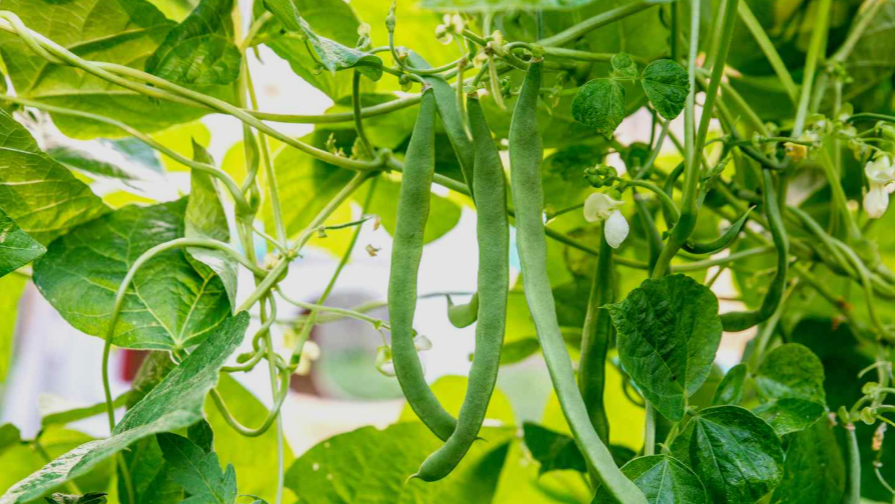
The best green beans for cold weather are the ones that sprout in cool soil and finish quickly, because no green bean survives frost. Green beans are the immature pods of the common bean, a plant native to Central and South America. They are also called snap beans or string beans, and people have grown them for thousands of years.
The plants come in two main forms. Bush beans stand about 2 feet tall and need no support, while pole beans climb 6 feet or more on a trellis. Bush types mature in about 50 to 60 days, and pole types take longer but keep bearing until frost.
Cold affects beans at both ends of the season. The University of Minnesota warns that bean seed planted in cold soil may rot instead of germinating, and that growth is very slow in cool weather. Most extension services advise waiting until the soil reaches 60°F.
Variety choice helps a great deal. Dark-seeded beans tolerate cool soil better than white-seeded ones, since they absorb water more slowly and resist rot. The 15 green beans below are the ones best suited to cool springs and short summers, and each entry notes where they are grown.
1. Provider
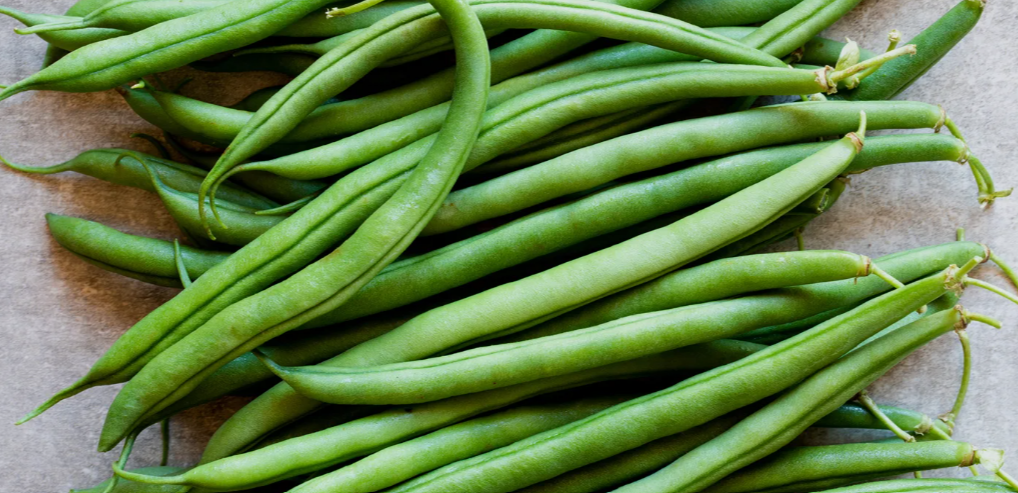
Provider is the standard green bean for cold soil. Its pods are round, straight and about 5 inches long. They are medium green and have a strong, classic bean flavor. The plants are compact and sturdy. It matures in about 50 days.
The University of Delaware describes it as an easy, early bean that germinates well in cool soil. In North Dakota home-garden trials it was more vigorous and earlier than the variety it was compared with. Gardeners there also liked its extended harvest. It resists common bean mosaic virus. It is grown across the northern United States, Canada and Alaska.
2. Contender
Contender is an early bush bean that copes with difficult weather. Its pods are 6 to 7 inches long and slightly curved. They are medium green and stringless when young. The flavor is rich. It matures in about 53 days.
The University of Missouri describes it as mosaic-resistant, heat-tolerant and high-yielding. It also sets pods in cool conditions, which makes it useful at both ends of the season. Gardening guides recommend it with Provider for Alaska. It has been grown since the 1940s. It is grown in Alaska, the northern states, the Midwest and the South.
3. Jade
Jade is a bush bean with long, slender, dark green pods. The pods are straight and reach 6 to 7 inches. They stay tender for a long time on the plant. The flavor is sweet. It matures in about 55 to 60 days.
North Dakota gardeners described its pods as darker green and beautiful. It is recommended for Anchorage along with Provider and Contender. It bears over a longer period than many bush beans. Its seed is pale, so it should not be sown in very cold soil. It is grown in the northern states, the Pacific Northwest and Alaska.
4. Maxibel
Maxibel is a French filet bean. Its pods are very slim, straight and about 7 inches long. They are dark green and stringless. The texture is fine and tender. It matures in about 50 to 60 days.
In North Dakota trials it germinated especially well in cool soil for a filet bean. Filet types have small seeds and often struggle in cold ground. Its speckled, dark seed helps explain the difference. The pods must be picked often to stay slender. It is grown in the northern states, New England and the Pacific Northwest.
5. Bush Blue Lake
Bush Blue Lake is the classic canning and freezing bean. Its pods are round, plump and about 6 inches long. They are dark green and stringless. The flavor is sweet and mild. It matures in about 58 days.
It was developed from a famous pole bean of the Pacific Northwest. That region has cool nights and mild summers. It sets most of its crop at once, which suits preserving. Its white seed needs warmer soil than Provider. It is grown in Oregon, Washington, Wisconsin, New York and Michigan.
6. Royal Burgundy
Royal Burgundy is a purple-podded bush bean known for cold tolerance. Its pods are deep purple and about 5 inches long. They turn dark green when cooked. The plants are upright, with purple-tinged stems. It matures in about 55 days.
In North Dakota State University home-garden trials, most gardeners preferred it. In one year 89% of growers recommended it. It germinated well and grew vigorously in cool soil. The purple pods are easy to spot at picking time. It is grown in North Dakota, Minnesota, the northern Plains and Canada.
7. Royalty Purple Pod
Royalty Purple Pod is the original cold-soil purple bean. Its pods are bright purple and about 5 inches long. They are tender and stringless when young. The flavor is mild and slightly sweet. It matures in 55 to 60 days.
It was bred at the University of New Hampshire for its color and its ability to germinate in cooler soil. It is a steady producer. North Dakota gardeners compared it closely with Royal Burgundy and liked both. Its flowers are purple and ornamental. It is grown in New England, the northern states and Canada.
8. Tendergreen
Tendergreen is an old, dependable bush bean. Its pods are round, meaty and about 6 inches long. They are dark green and stringless. The flavor is strong and traditional. An improved form matures in about 56 days.
Michigan State University has long listed it among bush green beans for that state. Its dark, mottled seed tolerates cool soil well. It was a leading garden variety in the mid-1900s. It yields over several weeks. It is grown in Michigan, the Midwest, New England and Canada.
9. Tendercrop
Tendercrop is an early bush bean with dark green pods. The pods are round, straight and about 5 inches long. They are tender and stringless. The plants are upright. It matures in about 53 days.
The University of Missouri describes it as mosaic-resistant, with dark green, tender pods. Michigan State University includes it in its list of bush varieties. Its dark seed helps it in cool spring soil. It holds its quality well after picking. It is grown in Michigan, Missouri, the Midwest and the Northeast.
10. Top Crop
Top Crop is a quick, heavy-yielding bush bean. Its pods are round, straight and about 6 inches long. They are medium green and stringless. The flavor is meaty. It matures in about 50 days.
It won a national garden award when it was introduced in 1950. It is one of the earliest green beans. Its brown-mottled seed germinates reliably in cool ground. It bears most of its crop in a short period. It is grown in the northern states, the Mountain West and Canada.
11. Bush Romano
Bush Romano is an Italian flat-podded bean. Its pods are broad, flat and about 5 to 6 inches long. They are medium green and stringless. The flavor is rich and distinctive. It matures in about 52 days.
Michigan State University lists it among early bush varieties. It is much earlier than the pole form of the same bean. That earliness matters where summers are short. The pods stay tender even when large. It is grown in the northern states, the Northeast and Italy.
12. Kentucky Wonder
Kentucky Wonder is the best-known pole bean in America. Its pods are long, slightly flattened and up to 9 inches. They are meaty, with a rich, old-fashioned flavor. The vines climb 6 feet or more. It begins bearing in about 65 days.
The University of Minnesota notes that pole beans keep flowering and bearing until frost. That long harvest suits a cool autumn. Pole beans need warmer soil than bush beans, so they are planted about a week later. Kentucky Wonder dates from the 1800s. It is grown across the United States and southern Canada.
13. Kentucky Blue
Kentucky Blue is a pole bean that combines two famous varieties. It is a cross of Kentucky Wonder and Blue Lake. Its pods are round, straight and about 7 inches long. They are sweet and stringless. It matures in about 65 days.
The University of Delaware lists it among successful varieties for home gardens. It bears earlier than many pole beans. It continues to produce until frost. It won a national garden award in 1991. It is grown in the Mid-Atlantic, the Midwest and the northern states.
14. Spartan Arrow
Spartan Arrow is an early bush bean from Michigan. Its pods are round, straight and about 6 inches long. They are medium green and stringless. The plants are upright and productive. It matures in about 51 days.
It was bred at Michigan State University. The university listed it second only to Provider for earliness among bush green beans. It was developed for northern growing conditions. It is harder to find today than it once was. It is grown in Michigan and the Great Lakes region.
15. Scarlet Runner
The scarlet runner bean is a different species from the common green bean. It is a vigorous climber with bright red flowers. Its pods are long, flat and rough-skinned. They are eaten young, like green beans. The flavor is rich.
It prefers cool summers and sets pods poorly in hot weather. That makes it the bean of choice in cool, maritime climates. It tolerates cool soil better than common pole beans. It is still killed by frost. It is grown in Britain, the Pacific Northwest, coastal New England and Alaska.
Key Takeaways:
– Choose early-maturing varieties: Green beans such as ‘Provider’ and ‘Contender’ are popular choices for gardeners with short growing seasons because they mature relatively quickly and can produce harvests before colder weather returns.
– Green beans prefer moderate temperatures: Most green beans (Phaseolus vulgaris) grow best in warm conditions and are sensitive to frost. They generally perform better in cool-season gardens when planted after the danger of frost has passed.
– Bush beans are practical for short seasons: Compact varieties, including ‘Provider’ and ‘Blue Lake Bush’, can mature relatively quickly, making them useful where the growing season is limited.
– Soil temperature matters: Green bean seeds germinate best in warm soil, generally around 70–85°F (21–29°C). Planting in cold, wet soil can delay germination and increase the risk of seed rot.
– Use season-extension techniques: Row covers, raised beds, and sheltered planting locations can help warm the growing environment and protect plants from chilly conditions. However, ordinary green beans cannot tolerate a hard freeze.
– Match the variety to your local climate: Check the days to maturity, local frost dates, and seed-packet recommendations before planting. For regions with cool summers or short growing seasons, early-maturing varieties are often the most practical choices.
Sources:
- University of Delaware: Beans
- North Dakota State University: home garden variety trials, 2012
- University of Minnesota Extension: Growing beans in home gardens
- North Dakota State University: home garden variety trials, 2013
- North Dakota State University: home garden variety trials, 2011
- North Dakota State University: home garden variety trials, 2010
- University of Missouri Extension: Recommended vegetable varieties
- Michigan State University: garden beans bulletin
- Michigan State University Extension: beans
- University of Maryland Extension: Growing beans in a home garden
- National Gardening Association: Beans
- True Leaf Market: Royalty Purple Pod bush bean
- The American Gardener: heirloom snap beans
- Lawn by Season: green beans in Anchorage