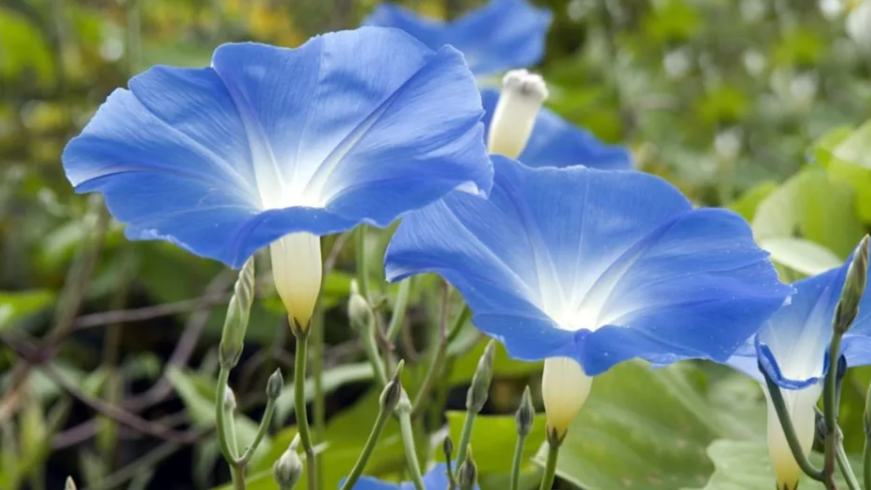
Blue and white flowers pair together in a garden more often than most color combinations for a genuinely practical reason beyond simple visual harmony: several classic garden plants actually offer both colors as distinct cultivars bred from the exact same species, meaning one plant family can supply an entire 2-color palette on its own. Hydrangea is the most famous example, and its color shift isn’t really about breeding at all, it’s genuine soil chemistry in action, since the same plant can turn blue in acidic soil rich in available aluminum or stay pink to white in a more alkaline bed, all without changing the flower’s underlying genetics one bit.
True blue is also a genuinely rarer pigment achievement in the plant kingdom than most people realize, and the mechanism behind it connects directly to that same hydrangea chemistry. Most “blue” flowers are actually built from anthocyanin, the same pigment family responsible for red and purple coloring elsewhere in the plant world, shifted toward blue through a subtle pH change within the petal’s own cells rather than any genuinely separate blue pigment. A flower advertised as blue is often doing something considerably more chemically clever than it looks.
White flowers, by contrast, typically represent a genuine absence of pigment altogether rather than any special white-producing compound, letting the petal’s underlying cell structure scatter light in a way that reads as pure white to the human eye. Pairing a genuinely pigmented blue bloom against a pigment-free white one creates a particularly clean, high-contrast combination that’s made this specific color pairing a longtime favorite for a deliberately themed garden bed.
The Missouri Botanical Garden’s plant finder database documents bloom color variety and cultivar availability for the vast majority of species covered here. What follows covers 25 blue and white flowers.
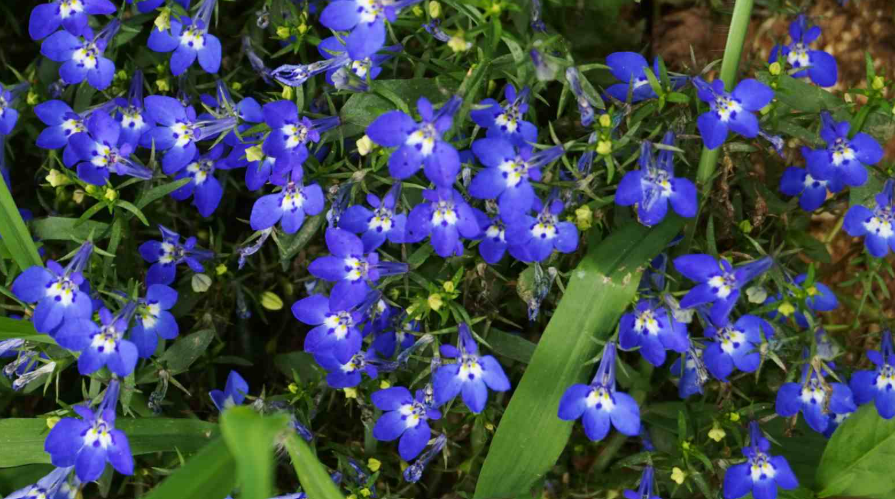
Hydrangea
Hydrangea is genuinely famous for its ability to shift between blue and pink to white depending on soil chemistry, with acidic, aluminum-rich soil producing the blue color and a more neutral to alkaline soil keeping the same plant white or pink instead. Its considerable bloom size and long-lasting flower clusters have made it one of the most popular flowering shrubs for exactly this kind of deliberate color manipulation.
It thrives in partial shade and consistently moist, rich soil, its considerable responsiveness to soil pH giving a gardener genuine, direct control over its eventual flower color. The University of Georgia Extension’s soil and plant science resources documents the aluminum-availability mechanism behind hydrangea’s genuine soil-pH color response.
Delphinium
Delphinium produces genuinely tall, dramatic flower spikes available in both true blue and pure white cultivars from the same species, making it a favorite anchor plant for a blue-and-white themed border. Its considerable height and vertical form provide real structural contrast against lower, mounding companion plants.
It thrives in full sun and rich, well-drained soil, demanding staking in a windy site given its considerable height and top-heavy bloom spikes.
Salvia
Salvia offers genuinely reliable blue and white flowering varieties within the same broad plant family, its spikes of small tubular flowers drawing considerable pollinator attention regardless of which color is chosen. Its long bloom period and reliable performance make it a dependable garden staple for either half of a blue-and-white color scheme.
It thrives in full sun and well-drained soil, tolerating heat and drought considerably better than many other flowering perennials.
Iris
Iris produces genuinely striking blue and white varieties, particularly among bearded and Siberian types, its sword-like foliage providing real structural interest even outside the bloom period. Its considerable range of available cultivars within both color families makes it a versatile choice for a themed bed.
It thrives in full sun and well-drained soil, its exposed rhizome, in bearded varieties, genuinely benefiting from being planted at the soil surface rather than buried.
Agapanthus
Agapanthus produces genuinely striking rounded flower clusters available in both true blue and pure white cultivars, its dramatic globe-shaped bloom heads standing atop tall, leafless stems. Its considerable drought tolerance once established makes it a practical choice for a sunny, low-water garden bed.
It thrives in full sun and well-drained soil, tolerating considerable heat and drought once its root system is established.
Balloon Flower
Balloon flower produces genuinely distinctive puffed buds that pop open into star-shaped blooms, available in both blue and white varieties from the same species, the inflated bud stage giving the plant its common name. Its considerable longevity as a perennial means an established planting can persist reliably for many years.
It tolerates a range of soil conditions and full sun to partial shade, thriving with minimal maintenance once established.
Russian Sage
Russian sage produces tall, airy spikes of small blue-purple flowers, its considerable fine texture and silvery foliage making it a popular companion plant to pair against solid white blooms nearby. Its long bloom period and drought tolerance have made it a favorite for a sunny, low-maintenance border.
It wants full sun and well-drained soil, and cutting it back hard each spring keeps its open, airy growth habit consistent.
Cornflower
Cornflower produces genuinely vivid true-blue blooms on a wiry, easy-to-grow annual, its considerable color intensity making it one of the more reliably blue flowers available to a home gardener. Its long history as a wildflower and cut flower favorite reflects both its considerable charm and its remarkably low-maintenance nature.
It thrives in full sun and average soil, often self-seeding readily enough to return reliably the following season. The University of Illinois Extension’s plant biology resources documents the anthocyanin-based pH mechanism behind true-blue pigmentation in flowers like this one.
Forget-Me-Not
Forget-me-not produces genuinely small but vivid sky-blue flowers in dense clusters, its low, spreading habit making it a popular groundcover choice beneath taller blue and white companion plants. Its considerable self-seeding tendency means a single planting often continues spreading gently for years.
It tolerates partial shade and consistently moist soil, thriving in exactly the damp, cool conditions many spring bloomers favor.
Morning Glory
Morning glory, particularly the Heavenly Blue variety, produces a genuinely vivid true-blue trumpet-shaped bloom each morning, its rapid climbing growth making it a popular choice for a trellis or fence needing quick seasonal coverage. Its considerable color intensity has made this specific variety one of the most recognizable blue flowers in casual home gardening.
It thrives in full sun and average soil, climbing vigorously given a support structure to grow on.
Bluebell
Bluebell produces genuinely dense carpets of small, nodding blue flowers each spring, its considerable naturalizing ability having made woodland bluebell displays a genuine seasonal spectacle in parts of the world where it grows wild. Its early bloom timing places it among the first considerable flushes of blue color in a temperate spring garden.
It tolerates significant shade and consistently moist, rich soil, thriving in the same dappled woodland conditions many other spring bulbs favor.
Veronica
Veronica, also called speedwell, produces genuinely reliable spikes of small blue flowers over a long bloom period, its considerable ease of care making it a dependable border choice for a blue-themed planting. Its low-maintenance nature and pollinator appeal have made it a longtime perennial garden favorite.
It tolerates a range of soil conditions and full sun, thriving with minimal care once established.
Grape Hyacinth
Grape hyacinth produces genuinely dense, tightly clustered spikes of small blue flowers each spring, its considerable resemblance to a cluster of tiny grapes giving the plant its common name. Its early bloom timing and reliable naturalizing ability have made it a popular bulb for mass spring plantings.
It grows from a bulb planted in fall, its considerable spread over time creating genuine drifts of blue color in an established bed.
Baptisia
Baptisia, also called false indigo, produces genuinely striking spikes of blue, pea-like flowers on a substantial, long-lived native perennial. Its considerable drought tolerance once established and low maintenance needs have made it an increasingly popular native garden choice.
It tolerates poor, dry soil and full sun, developing a genuinely deep taproot that makes an established plant remarkably self-sufficient.
Ceanothus
Ceanothus, also called California lilac, produces genuinely dense clusters of small blue flowers on a woody shrub particularly valued in West Coast native gardens. Its considerable drought tolerance once established reflects real adaptation to the Mediterranean-style climate of its native range.
It thrives in full sun and well-drained soil, tolerating considerable drought once its root system is established.
Plumbago
Plumbago produces genuinely soft, sky-blue flower clusters over an extended bloom period, its sprawling, semi-woody growth habit making it a popular choice for a warm-climate border or container. Its considerable heat tolerance has made it a reliable summer-long bloomer in a hot climate many other blue-flowering plants would struggle with.
It thrives in full sun and well-drained soil in a warm climate, blooming continuously through a long, heat-intensive summer season.
Gentian
Gentian produces a genuinely intense, saturated blue trumpet-shaped bloom considered by many alpine gardeners among the truest blues available in the entire plant kingdom. Its considerable difficulty to cultivate successfully has made a thriving gentian planting something of a genuine point of pride among rock garden enthusiasts.
It tolerates cool conditions and consistently moist, well-drained soil, thriving in exactly the alpine or mountainous conditions many species naturally occupy.
Shasta Daisy
Shasta daisy produces genuinely classic white petals surrounding a bright yellow center, its clean, simple form making it one of the most recognizable white garden flowers available. Its considerable reliability and long bloom period have made it a longtime cottage garden staple.
It tolerates a range of soil conditions and full sun, blooming reliably through much of summer with minimal maintenance.
Peony
Peony, in its white varieties, produces genuinely large, lush blooms with a considerable, old-fashioned garden charm that’s kept the plant a beloved perennial for generations. Its considerable longevity means an established planting can remain productive and undisturbed for decades.
It thrives in full sun and rich, well-drained soil, rewarding patient establishment with reliably larger blooms each subsequent year.
Baby’s Breath
Baby’s breath produces genuinely airy clouds of tiny white flowers, its delicate, cloud-like form making it one of the most popular filler flowers in both garden design and floral arrangements. Its considerable versatility as an accent alongside more substantial blue and white blooms has made it a longtime favorite for softening a border’s overall appearance.
It thrives in full sun and well-drained, slightly alkaline soil, tolerating considerable drought once established. The University of Minnesota Extension’s cut flower resources documents baby’s breath’s role as a filler flower alongside more saturated blue and white blooms.
Rose
Rose, in its white varieties, produces genuinely classic, elegant blooms considered among the most universally recognized white flowers in cultivation. Its considerable fragrance in many varieties adds a sensory dimension well beyond its visual appeal alone.
It thrives in full sun and rich, well-drained soil, rewarding regular feeding and pruning with a considerably more productive bloom cycle.
Lily of the Valley
Lily of the valley produces small, intensely fragrant white bell-shaped flowers, though it’s worth noting the plant contains genuinely toxic compounds throughout its foliage and berries, warranting real caution around children and pets. Its considerable shade tolerance and delicate spring charm have kept it a longtime woodland garden favorite despite that toxicity concern.
It tolerates significant shade and consistently moist soil, spreading readily enough to form a genuine naturalized groundcover over time. The ASPCA Animal Poison Control database confirms lily of the valley’s genuine cardiac glycoside toxicity throughout the plant.
Garden Phlox
Garden phlox, in its solid white varieties, produces dense, fragrant flower clusters that stand out with genuine brightness against darker foliage or neighboring blue-flowering companions. Its considerable fragrance and reliable midsummer bloom have made it an English border classic regardless of which specific color is chosen.
It tolerates full sun to partial shade and consistently moist soil, benefiting from good air circulation to avoid powdery mildew.
Snowdrop
Snowdrop produces genuinely delicate, nodding white blooms among the earliest flowers of the entire growing season, often emerging directly through late-winter snow cover. Its considerable cold tolerance and early bloom timing have made it a beloved harbinger of approaching spring in many temperate gardens.
It grows from a bulb planted in fall, its considerable cold hardiness letting it bloom reliably well before most other spring bulbs even emerge.
Moonflower
Moonflower produces genuinely large, fragrant white blooms that open specifically at dusk and close again by morning, a night-blooming relative of the considerably more common daytime morning glory. Its considerable evening fragrance and dramatic nighttime display have made it a favorite for a moon garden planted specifically to be enjoyed after dark.
It climbs vigorously given a trellis, tolerating full sun and average soil through a long summer bloom season.
Key Takeaways
Blue and white flowers can add a cool, fresh appearance to gardens, borders, containers, and naturalized areas. They occur in many forms, from small delicate blooms to larger showy flowers, with differences in flower shape, foliage, height, and blooming season.
Identifying blue and white flowers is easier when several characteristics are considered together. Petal color and pattern, flower shape, leaf arrangement, plant height, growth habit, and flowering period can help distinguish similar varieties and provide useful clues about the plant.
When choosing blue and white flowers for a garden, consider the local climate, sunlight, soil type, moisture, and available space. Combining plants with different bloom periods and growth habits can provide longer-lasting color and create an attractive, varied display.