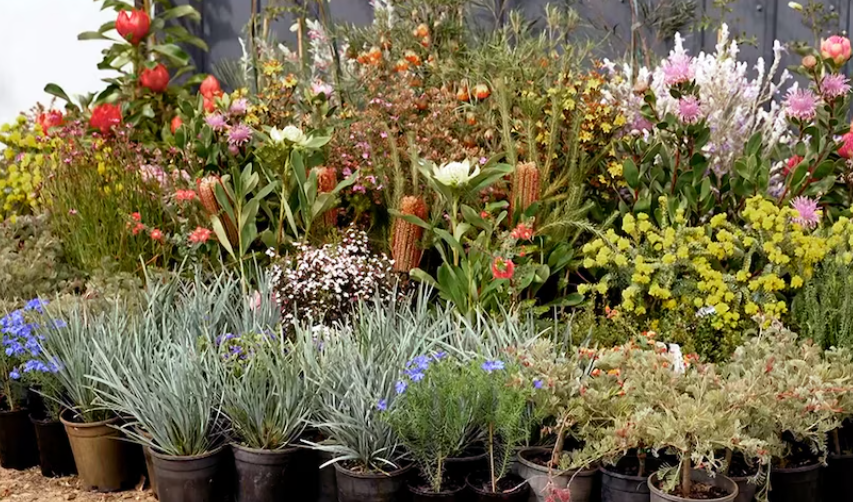
Australian native plants and flowers cover considerably more ground than just showy blooms, spanning towering eucalyptus forest giants, ancient conifers that predate the dinosaurs, wiry desert grasses, and carnivorous bog dwellers alongside the more familiar wattles and waratahs. That range reflects the sheer scale of the continent itself, from tropical rainforest in the far north to true desert in the interior to cool temperate forest in Tasmania, each region shaping a genuinely distinct slice of the country’s plant life.
One story captures just how much is still being discovered within that diversity. In 1994, a park ranger exploring a remote, narrow canyon in the Blue Mountains stumbled onto a small stand of trees that turned out to belong to a genus known previously only from 90-million-year-old fossils, presumed extinct for millions of years. That tree, the Wollemi pine, is now one of the rarest plants on Earth in the wild, and its rediscovery is a genuine reminder that Australia’s flora still holds real surprises even after centuries of botanical study.
Growth habit varies just as dramatically as habitat across this list. Some entries are enormous forest trees that take decades to reach maturity, others are fast-growing groundcovers that fill in within a single season, and a few are carnivorous plants that supplement poor soil nutrition by trapping insects outright. The University of Melbourne’s School of Ecosystem and Forest Sciences publishes research relevant to several of the native species covered here.
What follows covers 58 Australian native plants and flowers, spanning iconic trees, ferns, grasses, succulents, and a wide range of flowering species.
River Red Gum
River red gum is among the most widely distributed native eucalyptus species in the country, lining riverbanks and floodplains across much of inland Australia with its distinctive smooth, mottled bark. Its considerable root system draws on groundwater the tree can access even through extended dry periods that would kill less adapted species.
It tolerates periodic flooding and genuine drought within the same growing season, a combination few other large trees can manage as effectively. The University of Sydney’s School of Life and Environmental Sciences has published research on eucalyptus root adaptation relevant to this species.
Ghost Gum
Ghost gum produces strikingly pale, almost luminous white bark that gives the tree its evocative common name, standing out dramatically against the red soil common through much of its central Australian range. Its considerable presence in Indigenous Australian art and photography has made it one of the most recognizable outback trees.
It tolerates poor, rocky soil and genuine drought, thriving in exactly the harsh arid conditions much of its native range provides.
Snow Gum
Snow gum grows at higher elevations than most other eucalyptus species, its twisted, multicolored bark and considerable cold tolerance letting it survive genuine snow and frost in Australia’s alpine regions. Its gnarled, sculptural form often develops in direct response to the harsh, wind-exposed conditions it grows in.
It tolerates significant cold and poor mountain soil, thriving at elevations that would challenge nearly every other native eucalyptus species.
Bunya Pine
Bunya pine is a genuine living relic, an ancient conifer species that has changed relatively little since the age of dinosaurs, producing enormous cones that can weigh several kilograms each. Its considerable size and distinctive, dome-shaped crown make a mature specimen a genuine landmark tree.
It tolerates a range of soil conditions and grows slowly into a substantial forest giant over the course of a genuinely long lifespan.
Wollemi Pine
Wollemi pine was known only from fossil records until a small living population was discovered by chance in a remote New South Wales canyon in 1994, making it one of the most significant botanical rediscoveries in modern history. Its considerable rarity in the wild, fewer than 100 mature trees are known to exist naturally, has made conservation cultivation genuinely critical to the species’ survival.
It tolerates a range of soil conditions in cultivation, though its wild population remains restricted to the single canyon system where it was found. The Australian National Botanic Gardens maintains detailed conservation records on the species’ rediscovery and ongoing protection.
Macadamia
Macadamia is native to the subtropical rainforest of eastern Australia, producing small white or pink flower clusters before its well-known, genuinely valuable nut develops. Its considerable commercial success, now grown around the world, actually traces back entirely to this single native Australian tree.
It tolerates a range of soil conditions in a warm, frost-free climate, taking several years to reach full nut production after planting.
Illawarra Flame Tree
Illawarra flame tree produces a genuinely spectacular, dense covering of vivid red flowers, often while the tree is completely leafless, creating one of the most dramatic flowering displays of any native Australian tree. Its considerable visual impact has made it a popular ornamental well beyond its native New South Wales and Queensland range.
It tolerates a range of soil conditions and full sun, rewarding patience with an increasingly spectacular bloom as the tree matures.
Firewheel Tree
Firewheel tree produces unusual, wheel-shaped red flower clusters that genuinely resemble a spoked wagon wheel, an unmistakable and rarely confused native Australian bloom. Its considerable rainforest origin means it prefers more consistent moisture than many of the drier-climate natives on this list.
It tolerates partial shade and rich, well-drained soil, thriving in the warm, humid conditions of its native eastern Australian rainforest range.
Gymea Lily
Gymea lily produces an enormous flower spike, sometimes reaching several meters tall, topped with a dense cluster of vivid red blooms, one of the most dramatic native Australian wildflowers by sheer scale alone. Its considerable size makes a single flowering specimen a genuine garden centerpiece.
It tolerates a range of soil conditions and full sun to partial shade, native to the sandstone country around Sydney.
Native Frangipani
Native frangipani produces clusters of cream and yellow flowers carrying a genuine sweet fragrance, unrelated to the tropical frangipani despite the shared common name. Its considerable fragrance has made it a popular addition near a path or entryway where the scent can be appreciated.
It tolerates a range of soil conditions and full sun to partial shade, growing into a substantial small tree over time.
Silky Oak
Silky oak, a genuine tree-form relative of the shrubbier grevillea species more commonly seen in gardens, produces striking golden-orange flower clusters on a substantial forest tree. Its considerable timber value, prized for a distinctive silky grain, has made it economically significant well beyond its ornamental appeal.
It tolerates a range of soil conditions and full sun, growing considerably larger than most other grevillea relatives.
Black Bean Tree
Black bean tree produces clusters of striking red and yellow pea-shaped flowers directly on its trunk and older branches, a genuine botanical curiosity called cauliflory. Its considerable seed pods, containing large black seeds, give the tree its common name despite the seeds themselves being toxic unless properly prepared.
It tolerates a range of soil conditions and partial shade, native to the rainforest margins of eastern Australia.
Lilly Pilly
Lilly pilly produces fluffy, pom-pom-like white or pink flowers followed by edible, often vividly colored berries, a genuinely popular native Australian landscaping shrub or small tree. Its considerable adaptability across different pruned forms, from hedge to specimen tree, has made it a landscaping staple.
It tolerates a range of soil conditions and full sun to partial shade, thriving in gardens well beyond its native rainforest margin habitat.
Tree Fern
Tree fern produces a genuinely dramatic, trunk-like stem topped with an umbrella of large, arching fronds, among the most architectural native plants available for a shaded garden. Its considerable age, some specimens growing just a few centimeters a year, means a tall tree fern represents decades of genuine growth.
It tolerates significant shade and consistently moist, humid conditions, thriving in the same cool, damp forest habitat as much of its native range.
Bird’s Nest Fern
Bird’s nest fern grows as a genuine epiphyte in the wild, its broad, glossy fronds arranged in a rosette that collects falling leaf litter and moisture at its center, giving the plant its common name. Its considerable tolerance for low light has made it a popular houseplant well beyond its native rainforest habitat.
It tolerates significant shade and high humidity, thriving in the same warm, sheltered conditions its native rainforest canopy provides.
Kangaroo Grass
Kangaroo grass forms attractive, reddish-brown seed heads atop a genuinely tough native grass that once dominated vast areas of the Australian landscape before widespread land clearing. Its considerable drought tolerance and deep root system have made it increasingly valued for native grassland restoration.
It tolerates poor, dry soil and full sun, thriving in exactly the difficult conditions much of inland Australia provides. The University of Queensland’s School of Agriculture and Food Sciences has studied native grassland restoration involving this species specifically.
Lomandra
Lomandra forms dense, strappy clumps of tough, grass-like foliage, among the most widely planted native landscaping plants in the country given its considerable resilience and low maintenance needs. Its small, fragrant flower spikes are a modest bonus alongside its reliable foliage structure.
It tolerates poor soil, drought, and considerable neglect, thriving in nearly any Australian climate zone from coastal to inland.
Spinifex
Spinifex forms dense, spiky hummocks that dominate vast stretches of Australia’s arid interior, among the most genuinely iconic and widespread native grasses in the entire outback landscape. Its considerable ecological importance includes providing shelter for a wide range of desert wildlife.
It tolerates extreme drought and poor, sandy soil, thriving in some of the harshest growing conditions found anywhere on the continent.
Pigface
Pigface produces vivid pink or purple daisy-like flowers on a genuinely tough, succulent groundcover that spreads readily across sandy coastal soil. Its fleshy leaves and edible fruit have a long history of traditional use among Indigenous Australian communities.
It tolerates salt spray, poor sandy soil, and considerable drought, thriving in exactly the harsh coastal dune conditions few other flowering plants can handle.
Black Kangaroo Paw
Black kangaroo paw produces the same distinctive, fuzzy, claw-shaped flowers as its more famous red and green relative, but in a striking, genuinely unusual near-black color. Its unusual coloring makes it a real standout among the many kangaroo paw species and cultivars available.
It tolerates poor, sandy soil and full sun, native to the same wildflower-rich southwest corner of Western Australia as its more common relatives.
Native Rosella
Native rosella produces large, showy yellow flowers with a deep maroon center, a genuine native hibiscus relative found across parts of eastern Australia. Its considerable bloom size rivals many cultivated hibiscus varieties despite being a true native species.
It tolerates a range of soil conditions and full sun, thriving along creek banks and open woodland edges throughout its native range.
Chocolate Lily
Chocolate lily produces small purple flowers carrying a genuinely convincing chocolate fragrance, a delightful surprise for anyone who hasn’t smelled one up close. Its considerable scent has made it a favorite among wildflower enthusiasts specifically seeking out unusual native fragrances.
It tolerates a range of soil conditions and full sun to partial shade, often found in open grassland and woodland habitat.
Vanilla Lily
Vanilla lily produces small, star-shaped yellow flowers carrying a genuine vanilla scent, a close relative of chocolate lily with its own distinct fragrance profile. Its edible tubers have a traditional history of use as a food source among Indigenous Australian communities.
It tolerates a range of soil conditions and full sun to partial shade, native to open woodland across much of temperate Australia.
Blue Pincushion
Blue pincushion produces small, genuinely vivid blue, pincushion-shaped flower heads on a low-growing native perennial. Its unusual color and texture make it a distinctive addition to a native wildflower meadow planting.
It tolerates a range of soil conditions and full sun, often found scattered through open grassland and woodland across southeastern Australia.
Fan Flower
Fan flower produces distinctive, genuinely fan-shaped blue or purple blooms, an unusual flower form found in relatively few other plant genera. Its low, spreading habit makes it a useful groundcover for a sunny native garden bed.
It tolerates poor, sandy soil and full sun, thriving in coastal and heathland conditions across much of its native range.
Kangaroo Apple
Kangaroo apple produces purple, star-shaped flowers followed by egg-shaped fruit that ripens from green to orange, a fast-growing native shrub often among the first to recolonize disturbed ground. Its considerable growth speed has made it a useful pioneer species in bushland regeneration projects.
It tolerates a range of soil conditions and full sun to partial shade, thriving across a wide range of climates from coastal to montane.
Emu Bush
Emu bush produces genuinely showy tubular flowers in a wide range of colors across its many species, an iconic arid-zone Australian genus with considerable diversity adapted to desert conditions. Its flowers are specifically shaped to attract honeyeater birds as pollinators.
It tolerates extreme drought and poor, alkaline soil, thriving in some of the driest habitat found anywhere in the country.
Woolly Bush
Woolly bush produces soft, genuinely fuzzy, silvery-gray foliage that invites touch in a way few other native shrubs can match, its texture giving the plant its common name. Its considerable softness contrasts strikingly against the coarser foliage typical of many other Australian natives.
It tolerates poor, sandy soil and full sun, thriving in coastal conditions across parts of Western Australia.
Native Hop Bush
Native hop bush produces small flowers followed by distinctive, papery, wing-shaped seed capsules once historically used as a substitute for true hops in brewing. Its considerable adaptability across a wide climate range has made it one of the more widespread native shrub genera in the country.
It tolerates a wide range of soil and climate conditions, found naturally across nearly every Australian state and territory.
Old Man Banksia
Old man banksia produces large, cylindrical yellow-green flower spikes on a substantial coastal banksia species, its considerable size and rugged, weathered bark giving the plant a genuinely ancient appearance even on a relatively young specimen. Its woody seed cones persist for years after flowering.
It tolerates poor, sandy coastal soil and salt exposure, thriving in exactly the harsh dune conditions much of its native range provides.
Showy Banksia
Showy banksia produces large, genuinely striking pale yellow flower spikes with a considerable diameter compared to many other banksia species. Its bold, architectural form makes it a real focal point in a native garden setting.
It tolerates poor, sandy soil and full sun, native to the wildflower-rich regions of southwestern Australia.
Coast Rosemary
Coast rosemary produces small purple or white flowers on aromatic, rosemary-like foliage, a genuinely popular native landscaping shrub despite being entirely unrelated to true culinary rosemary. Its considerable salt and wind tolerance has made it a standard choice for coastal landscaping projects.
It tolerates salt spray, poor sandy soil, and considerable wind, thriving in exactly the harsh coastal conditions much of its native range provides.
Native Daisy Bush
Native daisy bush produces abundant small, daisy-like flowers on a genuinely tough native shrub found across a considerable range of Australian habitats. Its reliable, long flowering period provides consistent color with minimal maintenance required.
It tolerates a range of soil conditions and full sun to partial shade, adapting to both coastal and inland growing conditions.
Running Postman
Running postman produces vivid red, pea-shaped flowers on a genuinely vigorous native groundcover or low climbing vine, its common name reflecting both its color and its running, spreading growth habit. Its considerable spread makes it a useful ground-covering choice for a larger native garden area.
It tolerates poor, dry soil and full sun to partial shade, thriving in open woodland and heath habitat across much of southern Australia.
Native Cranberry Heath
Native cranberry heath produces small, urn-shaped flowers followed by edible red berries, a genuine heathland native with a considerable resemblance in fruit, if not close relation, to true cranberry. Its low, spreading habit suits a heathland-style native garden particularly well.
It tolerates poor, sandy, acidic soil and full sun, thriving in exactly the nutrient-poor heathland conditions much of its native range provides.
Pink Rice Flower
Pink rice flower produces dense clusters of small, genuinely delicate pink flowers on a fine-textured native shrub. Its considerable flower density from such small individual blooms creates a soft, cloud-like overall effect.
It tolerates poor, sandy soil and full sun, thriving in coastal heath and woodland habitat across parts of southern Australia.
Blue Devil
Blue devil produces genuinely spiky, thistle-like blue flower heads on a tough native perennial, its unusual, almost metallic blue coloring standing out dramatically against typical grassland greens. Its considerable spininess provides real texture contrast in a native wildflower planting.
It tolerates poor, dry soil and full sun, thriving in open grassland habitat across much of temperate Australia.
Native Ginger
Native ginger produces fragrant white flowers with a yellow throat, followed by bright orange fruit, a genuine rainforest understory plant related only distantly to culinary ginger. Its considerable shade tolerance makes it a useful addition to a shaded native rainforest-style garden bed.
It tolerates significant shade and consistently moist, rich soil, thriving in the warm, humid conditions of its native rainforest habitat.
Golden Wattle
Golden wattle produces masses of small, fragrant, brilliant yellow flower balls each spring, serving as Australia’s official national floral emblem and among the most recognized native plants in the entire country. Its considerable presence across southeastern Australia’s drier woodland has made it a genuine symbol of the Australian landscape itself.
It tolerates poor, dry soil and full sun, remaining one of the fastest and most reliable wattle species to establish in a new garden.
Waratah
Waratah produces an enormous, brilliant red flower head made up of hundreds of individual small flowers surrounded by crimson bracts, a genuinely unmistakable native Australian plant and the official emblem of New South Wales. Its considerable bloom size and boldness have made it one of the most sought-after native cut flowers.
It tolerates a range of soil conditions, growing as a substantial shrub that rewards patient establishment with a genuinely spectacular annual display. The Royal Botanic Garden Sydney maintains extensive cultivation and conservation records for the species.
Sturt’s Desert Pea
Sturt’s desert pea produces one of the most dramatic flowers in all of Australian flora, a brilliant red bloom with a glossy black center, thriving in some of the harshest arid interior conditions found anywhere on the continent. Its considerable drought adaptation lets it complete its entire life cycle around unpredictable desert rainfall.
It typically flowers specifically after rain, a genuine outback icon and the official floral emblem of South Australia.
Red And Green Kangaroo Paw
Red and green kangaroo paw produces unmistakable, fuzzy, claw-shaped flowers in a genuinely striking combination of deep red and metallic green, found naturally nowhere else in the world beyond southwestern Western Australia. Its unusual curved shape specifically evolved to deposit pollen on the heads of nectar-feeding birds.
It serves as Western Australia’s official floral emblem, blooming reliably between August and November each year.
Banksia
Banksia produces bold, cylindrical or dome-shaped flower spikes made up of hundreds of individual small flowers, an unmistakably Australian genus with considerable diversity spanning coastal dunes to mountain forest. Its woody seed cones persist long after flowering, often requiring fire to release their seeds entirely.
It tolerates poor, sandy soil and considerable drought, thriving in exactly the nutrient-poor conditions much of the Australian landscape provides.
Grevillea
Grevillea produces a genuinely enormous diversity of flower shapes across its many species, from delicate spider-like blooms to dense, brush-like clusters, one of the most widely cultivated native Australian genera worldwide. Its considerable nectar production makes it a genuine magnet for native honeyeaters.
It tolerates poor, well-drained soil and full sun, with species and cultivars suited to nearly every Australian climate zone.
Bottlebrush
Bottlebrush produces distinctive, brush-shaped flower spikes in red, pink, or cream, among the most widely recognized native Australian shrubs both within the country and in gardens worldwide. Its considerable nectar production draws honeyeaters and other native birds in genuine numbers.
It tolerates a range of soil conditions and full sun, adapting well to both wet and considerably drier Australian growing conditions.
Grass Tree
Grass tree produces an enormous, dense flower spike rising well above its grass-like foliage crown, a genuinely iconic and extremely slow-growing native Australian plant found across much of the continent. Its considerable age, some individuals estimated at several centuries old, makes a mature specimen a genuine living landmark.
It tolerates poor, sandy soil and full sun, growing so slowly that a tall specimen represents an extraordinary span of accumulated time.
Boronia
Boronia produces small, often intensely fragrant flowers, with brown boronia specifically prized for a scent considered among the most captivating of any native Australian plant. Its considerable fragrance has made select species genuinely significant to the Australian perfume industry.
It tolerates a range of soil conditions and typically prefers some protection from the most intense afternoon sun.
Flannel Flower
Flannel flower produces soft, velvety white blooms with a genuinely felted, fabric-like texture that gives the plant its common name. Its delicate appearance belies real toughness in the poor, sandy soil of its native coastal heath habitat.
It tolerates poor, sandy soil and full sun, native primarily to the sandstone country around Sydney and the surrounding coast.
Correa
Correa, also called native fuchsia, produces small, tubular flowers in red, pink, or cream that genuinely resemble the unrelated fuchsia’s pendant blooms. Its considerable shade tolerance sets it apart from many other sun-loving Australian natives.
It tolerates partial shade and a range of soil conditions, flowering reliably through much of the cooler months.
Paperbark
Paperbark produces dense, bottlebrush-like flower spikes in white or cream on a tree genuinely notable for its distinctive, peeling, papery bark. Its considerable wetland tolerance sets it apart from many other flowering native trees.
It tolerates consistently wet soil and even periodic flooding, thriving in swampy and low-lying habitat across much of its native range.
Tea Tree
Tea tree produces abundant small white or pink flowers covering its fine, needle-like foliage, a genuinely widespread native shrub with considerable commercial importance for its essential oil. Its dense growth habit also makes it a useful coastal windbreak.
It tolerates poor, sandy soil and salt exposure well, thriving in exactly the harsh coastal conditions much of its native range provides.
Waxflower
Waxflower produces small, star-shaped flowers with a genuinely waxy texture in shades of white, pink, and purple, a significant Australian export in the global cut-flower trade. Its considerable vase life has made it a florist favorite worldwide.
It tolerates poor, sandy soil and full sun, native primarily to the southwest coast of Western Australia.
Everlasting Daisy
Everlasting daisy produces papery-textured flowers in a range of vivid colors that hold their shape and color for a genuinely long time even after being cut and dried. Its considerable durability has made it a popular choice for dried flower arrangements.
It tolerates poor, dry soil and full sun, often carpeting entire hillsides in a spectacular mass bloom during a good wildflower season.
Sundew
Sundew produces small, delicate flowers on a genuinely carnivorous native plant that traps and digests insects using sticky, glandular hairs on its leaves. Its unusual predatory lifestyle makes it a genuine curiosity beyond its modest floral display.
It tolerates consistently moist, nutrient-poor soil, thriving in boggy habitat where its carnivorous adaptation compensates for the lack of available soil nutrients. The University of Western Australia’s School of Biological Sciences has documented several native carnivorous plant species found in the region.
Kunzea
Kunzea produces masses of small, fluffy flower clusters in white, pink, or purple on a genuinely tough native shrub tolerating a wide range of difficult conditions. Its considerable resilience has made it valuable for erosion control and coastal revegetation projects.
It tolerates poor, sandy soil, salt exposure, and considerable wind, thriving in exactly the harsh coastal conditions much of its native range provides.
Featherflower
Featherflower produces genuinely intricate, fringed flowers that create a soft, feathery texture unlike almost any other native Australian bloom. Its considerable delicacy and beauty have made it a prized subject among wildflower photographers.
It tolerates poor, sandy soil and full sun, native primarily to the wildflower-rich southwest of Western Australia.
Drumsticks
Drumsticks produce distinctive, rounded, drumstick-shaped flower heads in shades of pink, purple, or yellow, an unmistakable native Australian wildflower genus. Its unusual bloom shape sets it apart from almost anything else in a native garden.
It tolerates poor, sandy soil and full sun, thriving in exactly the nutrient-poor conditions much of its native range provides.
Flame Pea
Flame pea produces small, vivid orange-red, pea-shaped flowers on a genuinely striking native shrub, its color living up to the common name. Its considerable bloom display in spring makes it a real standout in a native garden.
It tolerates poor, well-drained soil and full sun, thriving in exactly the lean conditions many other Australian natives favor.
Key Takeaways
Australian native plants and flowers include a diverse range of species adapted to the country’s varied climates, soils, and landscapes. They differ widely in size, flower color, foliage, growth habit, and flowering season, providing options for gardens, wildlife habitats, and natural landscapes.
Choosing suitable Australian native plants depends on the local climate, soil, sunlight, moisture, and available space. Some species are adapted to dry conditions and poor soils, while others prefer wetter or more sheltered environments. Matching plants to their natural growing conditions can improve establishment and long-term health.
With appropriate selection and care, Australian native plants and flowers can add beauty, texture, and seasonal interest while supporting local wildlife. Using species suited to the region can also reduce maintenance requirements and provide valuable food and shelter for native birds, insects, and other animals.