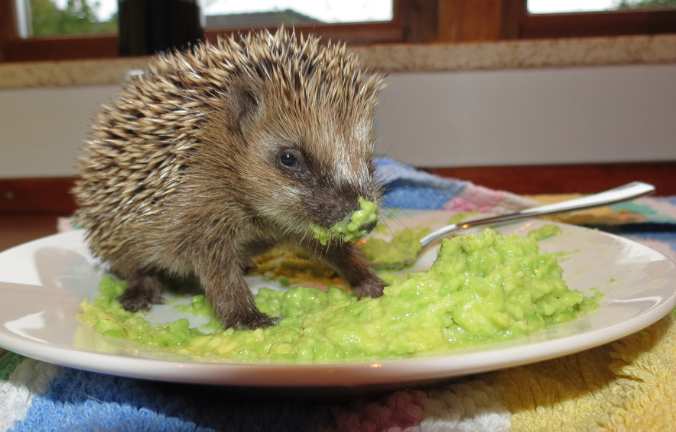
Animals that eat avocado span a remarkably wide range of species, from wild rainforest birds that evolved alongside the fruit long before humans ever cultivated it, to backyard wildlife that simply take advantage of fallen fruit whenever the opportunity arises. Avocados are believed to have originally evolved to be eaten by large Ice Age mammals that have since gone extinct, which explains why the fruit’s oversized pit was designed to pass through the digestive system of an animal considerably larger than most of the species that eat it today.
This evolutionary mismatch, sometimes called an ecological anachronism, means that many of the animals eating avocado now are smaller substitutes still helping the plant disperse its seeds across the landscape. It is worth noting that avocado contains a compound called persin, which affects different animals in very different ways, posing a serious health risk to some species while having little to no effect on others. This list looks at 20 animals that regularly eat avocado, along with the specific role each one tends to play in interacting with this fruit.
Human
The human is by far the most significant consumer of avocado today, with global production reaching more than 8 million tons annually as of recent agricultural data. Avocados are prized for their high healthy fat content, providing roughly 15 grams of fat per 100 grams of fruit, most of it in the form of monounsaturated fat similar to what is found in olive oil. Unlike most other parts of the plant, the flesh of a ripe avocado contains only trace amounts of persin, making it safe for regular human consumption in normal quantities. Mexico remains the largest producer of avocados in the world, accounting for well over a third of global supply, with the Hass variety representing the most widely consumed type internationally.
Resplendent Quetzal
The resplendent quetzal, a brightly colored bird native to Central American cloud forests, relies heavily on wild avocado species as a primary food source, particularly during breeding season. This bird has a unique ability to swallow small avocado fruits whole and later regurgitate the intact pit, a behavior that plays a critical role in dispersing avocado seeds across the forest. Quetzals are considered one of the most important natural dispersers of wild avocado trees, and researchers have documented individual birds consuming dozens of small avocados in a single day during peak fruiting season. The relationship between the quetzal and wild avocado trees is often cited as a classic example of coevolution between a fruit and its primary seed disperser.
Aztec Thrush
The Aztec thrush, found in mountain forests across parts of Mexico, feeds on wild avocado fruit as a significant part of its diet, particularly in regions where cultivated and wild avocado trees grow close together. This bird swallows smaller avocado fruits whole, digesting the surrounding flesh while passing the pit largely intact, contributing to natural seed dispersal in forested habitats. Aztec thrushes tend to favor avocado trees during specific fruiting periods, timing their feeding activity closely with the ripening cycle of local wild avocado populations. Like the quetzal, this bird plays an ecological role that likely mirrors interactions between ancient avocado trees and the larger extinct mammals believed to have originally shaped the fruit’s evolution.
Kinkajou
The kinkajou, a nocturnal rainforest mammal related to raccoons, is a frequent avocado eater, using its long, prehensile tail to move through the canopy while feeding on ripe fruit. This animal has a notably long tongue, which it uses to extract soft avocado flesh efficiently, often leaving the pit behind on a tree branch rather than swallowing it. Kinkajous are considered important seed dispersers for wild avocado trees, since their arboreal feeding habits allow avocado seeds to be deposited in new locations throughout the forest canopy. This animal’s diet consists heavily of fruit, with avocado being one of its preferred choices whenever it is seasonally available in its native range.
White-Nosed Coati
The white-nosed coati, found throughout parts of Central and South America, eats avocado readily, using its dexterous front paws to peel back the skin and access the fruit’s flesh. Coatis often forage in groups, and a fruiting avocado tree can attract several individuals at once, particularly when other food sources become less abundant during certain seasons. This animal’s flexible, elongated snout allows it to probe fallen or partially decomposed avocados on the forest floor, extracting soft fruit that other animals may have already begun to break open. Coatis are considered opportunistic omnivores, and avocado represents one of many fruit sources that make up a substantial portion of their overall diet.
Collared Peccary
The collared peccary, sometimes called a javelina, readily eats avocado fruit that falls to the forest floor, using its strong jaws to break through the tough outer skin. This wild pig-like mammal forages in herds, and a single group can consume large quantities of fallen avocado during peak fruiting season in forested and semi-arid habitats. Peccaries are known to eat the pit along with the flesh in some cases, and their digestive process can occasionally damage the seed, distinguishing their role from animals that disperse pits intact. This animal’s strong sense of smell allows it to locate ripe, fallen avocados even when they are partially hidden beneath leaf litter.
Coyote
The coyote eats avocado opportunistically, particularly in regions of the southwestern United States and Mexico where wild coyote populations overlap with avocado orchards or wild avocado trees. This adaptable predator is known for an extremely varied diet, and fallen fruit, including avocado, can make up a meaningful portion of its food intake during certain seasons. Coyotes typically consume the flesh and may pass the pit through their digestive system largely intact, occasionally contributing to seed dispersal away from the parent tree. This animal’s opportunistic feeding style means avocado consumption tends to increase notably during years when other food sources, such as small mammals, are less abundant.
Raccoon
The raccoon frequently eats avocado, especially in suburban and rural areas near orchards, using its dexterous front paws to peel and manipulate the fruit with considerable precision. This animal is a well-known opportunistic feeder, and fallen or low-hanging avocados represent an easy, calorie-dense food source that raccoons will readily exploit when available. Raccoons typically eat the flesh directly and often leave the pit behind, either on the ground or occasionally partially gnawed, without the seed dispersal benefit seen in animals that carry fruit away before eating. This animal’s strong sense of touch, concentrated in its front paws, allows it to assess the ripeness of an avocado before committing to eating it.
Virginia Opossum
The Virginia opossum eats avocado as part of an extremely broad and opportunistic diet that includes fruit, insects, small animals, and carrion. This marsupial is particularly drawn to overripe or fallen avocados, since its diet frequently includes decomposing plant matter that many other animals tend to avoid. Opossums typically consume the fruit’s flesh directly from the ground, and their relatively unspecialized digestive system allows them to process a wide variety of plant material without significant issue. This animal’s nocturnal foraging habits mean it often feeds on fallen avocado fruit overnight, when competition from daytime foragers is reduced.
Gray Fox
The gray fox eats avocado when it is available, particularly in wooded and semi-arid regions of North America where wild or cultivated avocado trees grow within its territory. This fox is unusual among canids for its strong climbing ability, and it has been observed climbing directly into avocado trees to access fruit before it falls to the ground. Gray foxes typically consume avocado flesh and may pass the pit through digestion, occasionally aiding in seed dispersal across the areas where the fox forages and travels. This animal’s omnivorous diet shifts seasonally, with fruit such as avocado becoming more prominent during late summer and fall when fruiting trees are most productive.
American Black Bear
The American black bear eats avocado in regions where its range overlaps with avocado orchards, particularly in parts of California and Mexico. This large mammal is capable of consuming substantial quantities of fruit in a single feeding session, and orchard damage from black bears seeking out ripe avocado has been documented by growers in certain areas. Black bears typically eat the entire fruit, including the pit in many cases, relying on a highly efficient digestive system suited to processing large amounts of plant material quickly. This animal’s foraging behavior tends to intensify in late summer and fall, when bears increase food intake significantly to build fat reserves ahead of winter dormancy.
Jamaican Fruit Bat
The Jamaican fruit bat, found throughout parts of Central America, the Caribbean, and northern South America, feeds on avocado as part of a diet centered almost entirely around fruit. This bat is capable of carrying small avocado fruits in flight, consuming the flesh while airborne or from a nearby perch, a behavior that helps disperse seeds well away from the parent tree. Jamaican fruit bats play an important ecological role in maintaining wild avocado populations, since their nighttime foraging complements the seed dispersal work done by daytime birds and mammals. This bat’s strong sense of smell allows it to locate ripe avocado fruit from a considerable distance, even within dense forest canopy.
Eastern Gray Squirrel
The Eastern gray squirrel eats avocado when it has access to fallen fruit, typically gnawing through the tough outer skin to reach the softer flesh inside. This rodent is known for caching food for later use, and squirrels have occasionally been observed burying partially eaten avocado pits, though the seed’s large size makes this behavior less common than with smaller nuts and seeds. Squirrels tend to approach avocado cautiously at first, often taking small test bites before committing to a larger feeding session on a single fruit. This animal’s diet is highly adaptable, and avocado becomes a more frequent food source in areas where squirrel populations live near orchards or ornamental avocado trees.
White-Tailed Deer
The white-tailed deer occasionally eats fallen avocado fruit and, in some cases, will browse on the leaves of young avocado trees, a behavior that can pose challenges for orchard growers in certain regions. This deer’s broad, opportunistic diet includes a wide variety of fruit, and avocado becomes an appealing option when it is available on the ground within the deer’s foraging range. White-tailed deer tend to consume avocado flesh selectively, often leaving the pit largely untouched on the ground after feeding. This animal’s browsing habits can vary significantly by region, with avocado consumption being more common in areas where orchards are located near established deer populations.
Spider Monkey
The spider monkey, found throughout the forests of Central and South America, eats avocado as a significant part of its fruit-heavy diet, using its long limbs and prehensile tail to reach fruit high in the canopy. This primate is considered one of the more important seed dispersers for wild avocado trees, since it often carries fruit some distance before consuming it and discarding the pit. Spider monkeys typically peel avocado skin away with their hands before eating the flesh, a feeding technique that reflects their generally dexterous approach to fruit consumption. This animal’s reliance on ripe fruit, including avocado, makes it particularly sensitive to habitat loss in regions where wild avocado populations are declining.