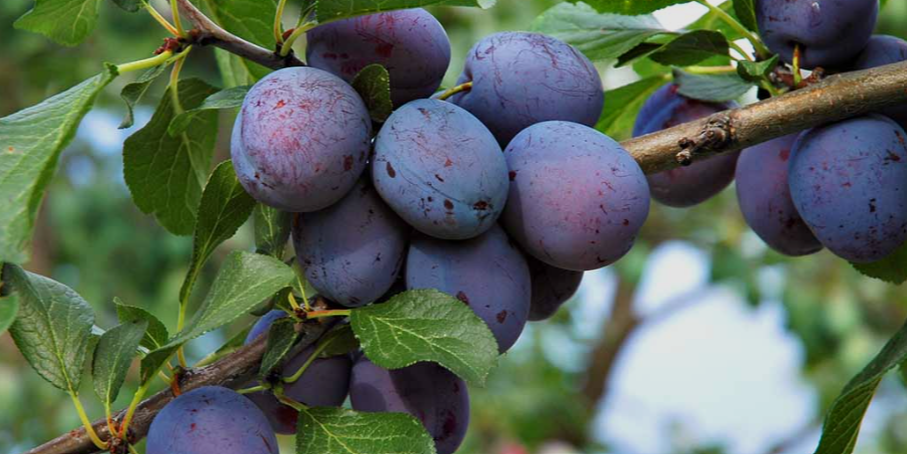
Cold hardy plum fruit trees are among the most dependable stone fruits for northern gardens. Plums belong to the same family as cherries, peaches and apricots, all of which carry a single hard pit. They fall into three broad groups, the European plums, the Japanese plums and the native American plums along with their hybrids.
The world grows roughly 12 million tonnes of plums a year, and China accounts for more than half. European plums are oval, firm and often dried as prunes. Japanese plums are round and juicy and dominate supermarket shelves, but they are the least hardy of the three.
The breakthrough for cold regions came when breeders crossed tender Japanese plums with wild plums from the northern Plains. The University of Minnesota alone has released 22 plum varieties, and it rates plums and tart cherries as the most reliable stone fruits for that state. Similar work in South Dakota and on the Canadian prairies pushed the limit further north.
Most hardy hybrid plums cannot pollinate themselves and need a compatible partner nearby. Wild plums are the most effective pollinators of all. The 21 trees below include hybrids, European types, native species and shrubby cherry plums, and each entry notes where they are grown.
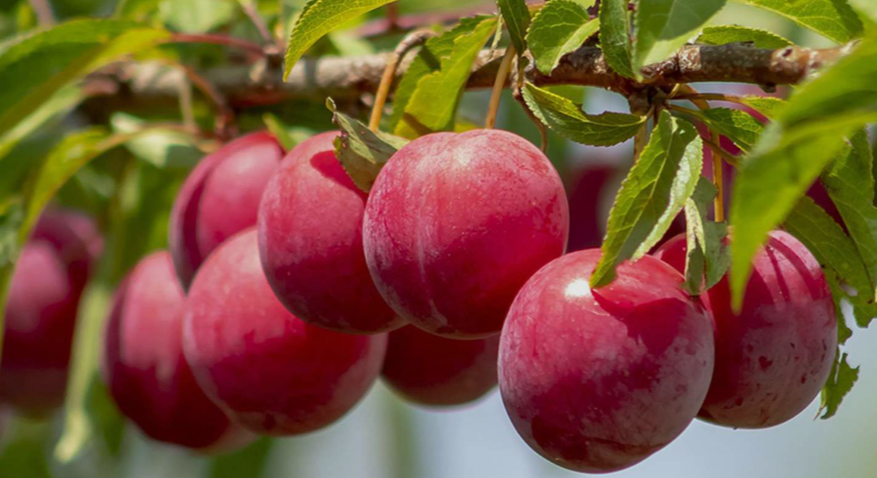
1. Toka
Toka is the most useful plum a northern grower can plant. Its fruit is small to medium, with dark red skin and yellow flesh. The flavor is rich, sweet and spicy, which has earned it the nickname bubblegum plum. It ripens in mid-August. The tree grows up to 20 feet tall.
It was bred in South Dakota and introduced in 1911. The University of Minnesota lists it as a pollinator for all other hybrid plum varieties. Without it, many of the plums on this list set little fruit. It is hardy where winter lows reach -40°F. It is grown in Minnesota, the Dakotas, Wisconsin, Montana and the Canadian prairies.
2. Alderman
Alderman bears large plums with burgundy-red skin and golden-yellow flesh. The fruit is sweet, juicy and clings to the pit. It is eaten fresh or made into preserves. It ripens in late August. The tree has horizontal branches and flowers heavily, which makes it attractive in the landscape.
The University of Minnesota released it in 1986. The university notes that it must be planted with Toka, Superior or a wild plum in order to fruit. It crops consistently from year to year. It suits areas where lows stay above -30°F. It is grown in Minnesota, Iowa, Wisconsin and the Northeast.
3. Superior
Superior is a large, dark red plum of outstanding sweetness. The flesh is yellow, firm and juicy. It clings to the pit. The tree often sets fruit in its first year after planting. It ripens in late August.
The University of Minnesota released it in 1933. It crops so heavily that the fruit usually needs thinning. It is more prone to disease than some other hybrids. It is best where winter lows stay above -30°F. It is grown in Minnesota, Iowa, Wisconsin, Michigan and New England.
4. Underwood
Underwood is an early plum with dull red skin and golden flesh. The fruit is medium to large, sweet and juicy. It ripens from late July into August, ahead of most other hybrids. The tree is vigorous, with a wide, horizontal spread. It bears over a long period.
The University of Minnesota introduced it in 1920. The university rates its hardiness as very good. It tolerates winter lows of about -40°F. It needs Toka or a wild plum as a partner. It is grown in Minnesota, the Dakotas, Iowa and the Canadian prairies.
5. Pipestone
Pipestone produces very large, bright red plums. The flesh is golden-yellow, sweet and juicy. The skin is tough and peels easily. It is excellent for jam, jelly and fresh eating. It ripens in mid to late August.
The University of Minnesota released it in 1942. It is described as a very hardy, productive tree that suits drier areas. It tolerates winter lows of about -40°F. It can be a shy bearer without a good pollinator. It is grown in Minnesota, the Dakotas, Iowa, Montana and the Canadian prairies.
6. LaCrescent
LaCrescent is a small to medium yellow plum of high quality. The skin sometimes carries a light blush. The flesh is sweet, juicy and aromatic. The flavor is somewhat suggestive of apricots. The pit separates freely from the flesh.
The University of Minnesota released it in 1923. It ripens in early August. The tree is a vigorous grower but often a shy bearer. It is best where lows stay above -30°F. It is grown in Minnesota, Wisconsin, Iowa and the Northeast.
7. Waneta
Waneta is a large, red plum from South Dakota. The fruit can reach 2 inches across. The flesh is yellow, sweet and juicy. It ripens in mid to late August. The tree is productive and bears young.
It was introduced by a famous South Dakota plant breeder in the early 1900s. It is a cross between a native American plum and a large Japanese variety. It tolerates winter lows of about -40°F. It needs a pollinator such as Toka. It is grown in the Dakotas, Minnesota, Montana and the Canadian prairies.
8. Kaga
Kaga is a close relative of Toka from the same South Dakota breeding work. Its fruit is medium-sized, with red skin and firm, yellow flesh. The flavor is sweet and strongly aromatic. It ripens in August. The tree is upright and productive.
It was introduced in the early 1900s. Like Toka, it is a good pollinator for other hybrid plums. It is hardy where winter lows reach -40°F. The fruit holds its shape well when cooked. It is grown in the Dakotas, Minnesota and the northern Plains.
9. Black Ice
Black Ice is a large, blue-black plum with the look of a California variety. The fruit is about 2 inches across. The flesh is reddish-purple and very sweet. It ripens early, in late July or early August. The tree is naturally dwarf and seldom tops 15 feet.
It was released in 2006 by a breeder at the University of Wisconsin at River Falls. It came from a cross between a large California plum and a winter-hardy cherry plum. After one severe winter, the breeder judged it hardy enough for areas with lows to about -30°F. Toka is its preferred pollinator. It is grown in Wisconsin, Minnesota, Michigan, New England and the northern Plains.
10. Pembina
Pembina is probably the most widely grown plum in Western Canada. Its fruit is dark red with a bluish bloom. It is about 2 inches across. The flesh is yellow, sweet and juicy. It ripens in late August.
The University of Saskatchewan describes it as a hybrid of the wild Canada plum and the Japanese plum. It was introduced in South Dakota in 1923 and is extremely cold-hardy. It must have a wild plum nearby for pollination. Without one, it flowers heavily and sets almost nothing. It is grown across Saskatchewan, Manitoba, Alberta and the northern Plains.
11. Patterson Pride
Patterson Pride is a vivid red plum from Saskatchewan. The fruit is about 2 inches across. The flesh is yellow, sweet and juicy, and it separates from the pit. The tree has an unusual weeping shape. It yields heavily.
It was selected in the 1940s by the first head of horticulture at the University of Saskatchewan and introduced in 1960. It ripens later than most plums, usually by mid-September. It is hardy where winter lows reach -50°F. It needs a wild Canada plum as a pollinator. It is grown across the Canadian prairies and the northern Plains.
12. Brookred
Brookred is a red-skinned plum developed in Alberta. The skin is rosy-red, and the flesh is yellow. The fruit is fairly large for a prairie plum. It is good for eating fresh and for jam. It ripens in late August to early September.
It was introduced by a horticultural research station at Brooks, Alberta. It is hardy to the coldest garden zones. It needs a wild plum close by for pollination. Some growers report it is slow to begin bearing. It is grown in Alberta, Saskatchewan, Manitoba and Montana.
13. Brookgold
Brookgold is a small, golden plum with an orange blush. It is yellow inside and out. The skin is thin and delicate. The flesh is very sweet and juicy. It ripens early, in mid-August.
It was released from Brooks, Alberta, in 1979. Unlike most prairie plums, it is a selection of a hardy Asian plum, not a hybrid. It flowers very early and needs an early-blooming partner. It is hardy where winter lows reach -40°F and below. It is grown throughout the Canadian prairies and the northern states.
14. Mount Royal
Mount Royal is the hardiest of the blue, European-type plums. Its fruit is small to medium, with bluish-black skin and greenish-yellow flesh. It is sweet and can be eaten fresh, cooked or dried. It ripens from mid-August to early September. The tree grows to about 15 feet.
Iowa State University notes that it can be grown throughout Iowa. It is self-fruitful, so a single tree will bear. That sets it apart from the hybrid plums. It originated in Quebec. It is grown in Quebec, Ontario, Minnesota, Wisconsin, Iowa and New England.
15. Stanley
Stanley is the most widely planted European plum in eastern North America. Its fruit is dark blue, oval and medium to large. The flesh is greenish-yellow, firm and sweet. The pit separates freely. It is the classic plum for drying, canning and baking.
It was bred in New York and introduced in the 1920s. It is self-fruitful and bears heavily. Iowa State University finds it not reliably hardy in northern Iowa, though it succeeds in the southern two-thirds of the state. It ripens in September. It is grown in Michigan, New York, Ontario, the Midwest and the Pacific Northwest.
16. Opal
Opal is an early European plum from Sweden. Its fruit is small to medium, with reddish-purple skin. The flesh is yellow, juicy and sweet, with a rich flavor. It ripens in late July or August. The pit separates easily.
It was bred in Sweden in the 1920s. It is self-fertile and crops reliably in cool summers. It is one of the hardier European plums. Heavy crops usually need thinning. It is grown in Scandinavia, Britain, Canada and the northern United States.
17. American Plum
The American plum is a native tree found across much of the United States. It grows 10 to 20 feet tall and spreads into thickets. The fruit is about an inch across and red to yellow. The skin is tart, and the flesh is sweet. It makes excellent jelly and jam.
It is hardy where winter lows reach -40°F. Fragrant white flowers cover the bare branches in spring. It is one of the best pollinators for hybrid plums. It is also planted in windbreaks and for wildlife. It grows wild and in gardens from Montana and the Dakotas east to New England and south to Florida.
18. Canada Plum
The Canada plum is the northernmost native plum. It grows as a small tree 15 to 20 feet tall. The fruit is red to orange and about an inch long. It is tart but good for preserves. The flowers open white and fade to pink.
It is hardy where winter lows reach -50°F. It blooms earlier than the American plum. Prairie researchers found that hybrid plums set heavy crops only when wild plum blossoms were present. It is the standard pollinator for Pembina, Patterson Pride and Brookred. It grows from Manitoba to Nova Scotia and in the northern states.
19. Beach Plum
The beach plum is a native shrub of the Atlantic coast. It grows 4 to 8 feet tall. The fruit is small, round and purple, though some plants bear red or yellow fruit. It is tart and astringent when raw. It makes a celebrated jelly.
It grows wild on sand dunes from Maine to Maryland. It tolerates salt spray, wind and poor, sandy soil. It is hardy where winter lows reach about -40°F. White flowers cover the bush in spring. It is grown in New England, New York and New Jersey, and in sandy gardens farther inland.
20. Sapalta
Sapalta is a cherry plum, a cross between a sand cherry and a plum. It grows as a shrub 6 to 8 feet tall. The fruit is small, with purple-black skin. The flesh is dark red-purple and sweet. It ripens in late August.
It was developed on the Canadian prairies. Cherry plums are hardier than most tree plums and bear at a young age. They pollinate one another, and sand cherries will also do the job. The fruit is excellent for jam, sauce and canning. It is grown in Alberta, Saskatchewan, Manitoba and the northern Plains.
21. Compass
Compass is one of the oldest cherry plums. It bears small, dark red fruit with yellow flesh. The flavor is tart and suited to jelly and sauce. It ripens in late summer. The plant grows as a large shrub or small tree.
It originated in Minnesota in the 1890s. The University of Minnesota recommends it as a pollinator for cherry plums. It also serves as a pollinator for Alderman and Black Ice. It is hardy where winter lows reach -40°F. It is grown in Minnesota, the Dakotas and the Canadian prairies.
Key Takeaways:
– Plum varieties differ in winter hardiness: European plums (Prunus domestica) generally tolerate colder winters better than many Japanese plums (Prunus salicina). American plum species and certain hybrids are also valued for their cold tolerance.
– Several varieties suit cold climates: ‘Mount Royal’, ‘Stanley’, ‘Toka’, and ‘Alderman’ are options worth considering for colder regions. Their performance depends on local conditions, rootstock, and the severity of winter temperatures.
– European and Japanese plums have different characteristics: European plums often have firm flesh and are popular for drying and preserving, while Japanese plums commonly produce juicy fruits suited to fresh eating. Both groups include cultivars with different climate requirements.
– Pollination affects fruit production: Some plum trees are self-fertile, while others require a compatible variety flowering at the same time. Check pollination requirements before planting to improve the chances of a reliable harvest.
– Late spring frosts can reduce yields: Even cold-hardy plum trees may lose flowers or developing fruit when temperatures drop below freezing in spring. Selecting cultivars with suitable flowering times can help reduce this risk.
– Choose trees suited to your local climate: Consider USDA hardiness zones, winter temperatures, chilling requirements, disease resistance, and harvest season. Planting in full sun with well-drained soil also supports healthy growth and fruit production.
Sources:
- University of Minnesota Extension: Growing stone fruits in the home garden
- University of Saskatchewan: Plums
- Iowa State University: What are some good plum varieties for Iowa?
- University of Minnesota: Plums
- University of Minnesota: Stone fruits for Minnesota
- Good Fruit Grower: Black Ice plum
- Fedco Trees: Black Ice Hybrid Plum
- Roots to Fruits Nursery: Black Ice Plum
- Duluth News Tribune: Delicious plums for Northern climates
- Battlefords News-Optimist: Getting the most from your plum trees
- Canada’s Local Gardener: Prunus
- Prairie Gardens: Patterson Pride Plum
- NAFEX list: plum pollination on the prairies
- Wikipedia: List of plum cultigens