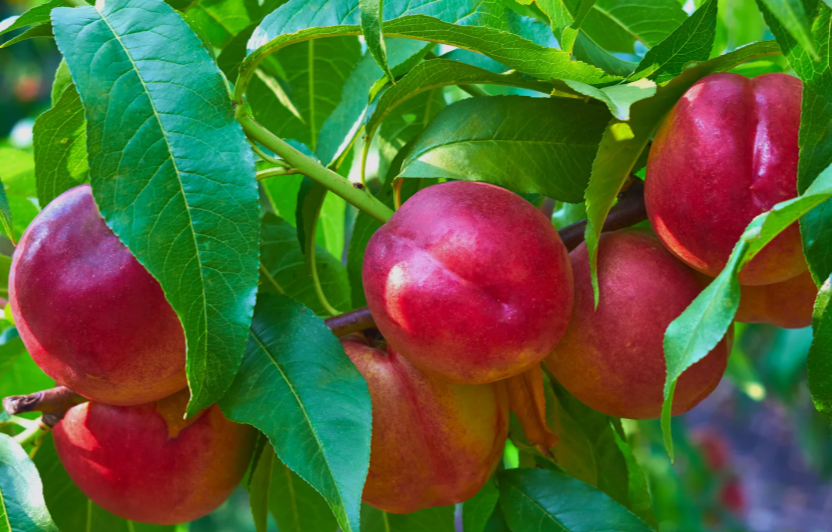
The many types of nectarines all belong to the same species as the peach. A nectarine is simply a peach without fuzz, and the smooth skin is the result of a single recessive gene. Nectarines tend to be slightly smaller, redder and sweeter than peaches.
The fruit became popular in the 1950s, when breeders developed firmer varieties that could be shipped. California’s nectarine acreage grew from under 4,000 acres in 1952 to more than 13,000 in 1959. California still grows about 95% of the nation’s nectarines.
Nectarines come with yellow or white flesh, and the stone may cling to the flesh or pull free. Some are tangy and others are low in acid and very sweet. Most trees are self-fertile, so a single tree will bear fruit.
Varieties also differ in how much winter cold they need, measured in chill hours. That requirement decides where each can be grown. The 65 nectarines below are grouped by region and type, and each entry notes where they are planted.
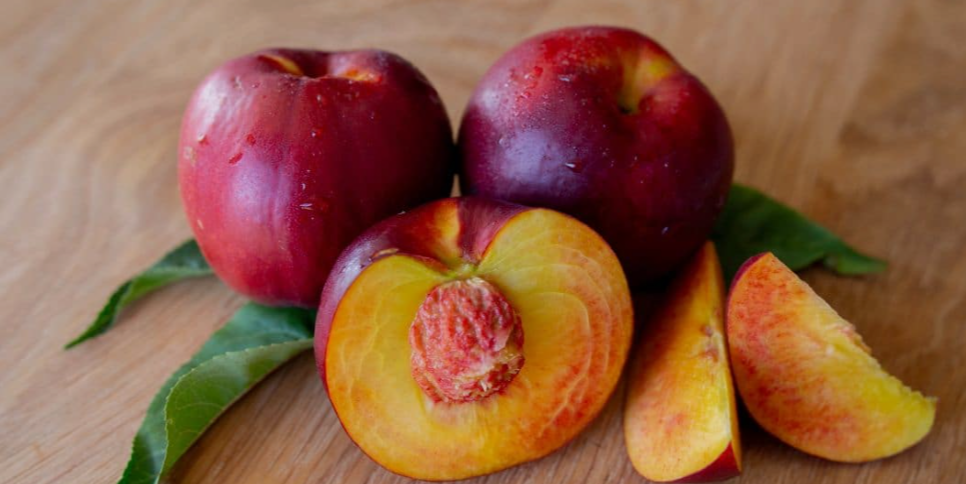
1. Fantasia
Fantasia is one of the best-known yellow nectarines. Its fruit is fairly large, with bright yellow skin covered by a red blush. The flesh is yellow, firm and smooth. It separates freely from the stone. The tree is vigorous and productive.
It was developed in California. The University of California notes that the state leads the nation in nectarine production. Fantasia needs about 750 chill hours and ripens late in the Southeast. It is widely planted in home orchards. It is grown in California, the Mid-Atlantic, Utah, the Southeast and New Zealand.
2. Flavortop
Flavortop is a large nectarine prized for flavor. The skin is almost entirely crimson over a greenish-yellow ground. The flesh is yellow, firm and freestone. It ripens about 10 days after the Redhaven peach. The tree is vigorous, productive and self-fertile.
It was bred in California. It needs about 750 chill hours. Utah State University lists it for northern Utah. It is prone to bacterial spot in humid climates. It is grown in California, New Jersey, Pennsylvania, Utah and the Pacific Northwest.
3. Firebrite
Firebrite is an early to midseason yellow nectarine. Its skin is bright red. The flesh is yellow, firm and juicy. The stone is partly free. The flavor is rich and balanced.
It was bred in California’s Central Valley. It was a leading commercial variety for many years. It ships well. The tree is productive. It is grown in California, Chile and South Africa.
4. Fairlane
Fairlane is a very late nectarine. Its fruit is large and red over yellow. The flesh is yellow, firm and clingstone. It ripens in September. It extends the harvest long after most varieties finish.
It was bred in California. It was grown mainly for the late commercial market. Its firm flesh stores well. It needs a long, warm season. It is grown in California’s San Joaquin Valley.
5. May Grand
May Grand is an early California nectarine. Its fruit is medium to large and mostly red. The flesh is yellow and tangy-sweet. The stone is partly free. It ripens in late May and June.
It came from a private breeder in the San Joaquin Valley. It was a mainstay of the early shipping season. The tree needs moderate winter chill. It bears heavily. It is grown in California and Chile.
6. Summer Grand
Summer Grand is a midseason nectarine with large fruit. The skin is red over yellow. The flesh is yellow, firm and freestone. The flavor is rich. It ripens in July.
It came from the same California breeding line as May Grand. It was a standard commercial variety for decades. It ships well. Newer varieties have largely replaced it. It is grown in California.
7. Le Grand
Le Grand is the variety that launched the modern nectarine industry. Its fruit is large, firm and yellow-fleshed. The skin is red over yellow. The stone clings. It ripens in midsummer.
It was introduced in California in the 1940s. Before it, the leading nectarines were all small, soft and white-fleshed. Its firmness made long-distance shipping possible. Most modern yellow nectarines descend from it. It is grown in California and in heritage collections.
8. Independence
Independence is an early-summer nectarine with brilliant red skin. The flesh is yellow, firm and freestone. The flavor is rich and slightly tangy. It ripens around early July. The tree tolerates mild winters.
It was bred in California. It was a leading commercial variety in the 1970s. It has showy pink blossoms. It is still sold for home orchards. It is grown in California, Arizona and Texas.
9. Panamint
Panamint is a low-chill nectarine for mild-winter regions. Its skin is bright red. The flesh is yellow, juicy and freestone. The flavor balances sweetness and acidity. It ripens in midsummer.
It was developed by a southern California nursery. It needs only about 250 chill hours. It has long been a standard home variety near the coast. It bears reliably after warm winters. It is grown in southern California, Arizona and the Gulf Coast.
10. Armking
Armking is a very early nectarine. Its fruit is large for its season. The skin is red over greenish-yellow. The flesh is yellow and partly clinging. It ripens ahead of most other varieties.
It came from the same southern California nursery as Panamint. It needs about 600 chill hours. Its early harvest brought high prices. It is also grown under cover in Europe. It is grown in California, Georgia, Spain and Italy.
11. Mayfire
Mayfire is one of the earliest nectarines to ripen. Its fruit is small to medium. The skin is bright red. The flesh is yellow and clingstone. It ripens in May in warm regions.
It was bred in California. It needs about 600 chill hours. It is planted to open the season. Its fruit must be thinned heavily for size. It is grown in California, Georgia and South Carolina.
12. Ruby Diamond
Ruby Diamond is a midseason yellow nectarine. Its skin is deep red. The flesh is yellow with red streaks. It is firm, sweet and freestone. It ripens in July.
It came from a private breeder in California. It is one of many commercial varieties sold simply as nectarines. It ships and stores well. It has more acid than white varieties. It is grown in California and Chile.
13. Honey Kist
Honey Kist is a very sweet, low-acid yellow nectarine. Its fruit is medium-sized and dark red. The flesh is yellow and firm. It is sweet even before it is fully ripe. It ripens early.
It was bred by a family firm in Modesto, California. Low-acid nectarines became popular in the 1990s. It needs moderate winter chill. It is sold for both orchards and gardens. It is grown in California and the Southwest.
14. Honey Blaze
Honey Blaze is a low-acid yellow nectarine for midseason. Its skin is red and glossy. The flesh is yellow, firm and very sweet. The stone is partly free. It ripens in July.
It came from the same Modesto breeder as Honey Kist. It is a commercial variety in California. It appeals to shoppers who dislike tart fruit. It holds well on the tree. It is grown in California.
15. Double Delight
Double Delight is named for its fruit and its flowers. The blossoms are large, double and deep pink. The fruit is dark red, with yellow freestone flesh. The flavor is rich and intense. It ripens in early to mid-July.
University of California Master Gardeners recommend it for home orchards. It needs only about 300 chill hours. It has scored highly in fruit tastings. The tree is heavy-bearing. It is grown in California, Arizona and the Gulf states.
16. Juneglo
Juneglo is an early yellow nectarine. Its skin is bright red. The flesh is yellow, sweet and tangy. The stone is partly free. It ripens in June.
It was bred in Modesto, California. It sets fruit reliably in cool spring weather. That makes it a favorite in the Pacific Northwest. It needs about 700 chill hours. It is grown in Washington, Oregon and northern California.
17. Liz’s Late
Liz’s Late is a late nectarine famous for flavor. Its skin is red over yellow. The flesh is yellow and freestone. The taste is sweet, rich and slightly spicy. It ripens in late August and September.
It was bred in Modesto, California. It has ranked at the top of fruit-tasting events. It needs about 600 chill hours. It is planted mainly in home orchards. It is grown in California and the Southwest.
18. Redgold
Redgold is a large, late nectarine. The skin is scarlet over a yellow-red ground. The flesh is yellow and freestone. It is excellent for canning and freezing. It resists cracking and has a good shelf life.
Rutgers University calls it one of the best-flavored varieties and a better-tasting shipper than Fantasia. It ripens about 24 days after the Redhaven peach. It needs about 850 chill hours. Its buds are hardy. It is grown in New Jersey, Pennsylvania, Michigan, Utah and the Carolinas.
19. Sunglo
Sunglo is a high-quality midseason nectarine. Its fruit is medium-large to large. The skin is orange-red over yellow-orange. The flesh is deep yellow, sweet and freestone. It ripens about 12 days after Redhaven.
It came from a Missouri nursery. Utah State University describes the tree as hardy and vigorous. It needs about 850 chill hours. It is an old favorite in the East. It is grown in New Jersey, Pennsylvania, Utah, Colorado and the Midwest.
20. Summer Beaut
Summer Beaut is an early to midseason nectarine. Its fruit is medium to medium-large. The skin is almost fully scarlet. The flesh is yellow and partly free. It ripens about 5 days after Redhaven.
Rutgers notes that it always has a few split pits. It has good color and firmness for its season. It needs about 800 chill hours. Eastern nurseries recommend it to precede Sunglo. It is grown in New Jersey, Pennsylvania and the Southeast.
21. Easternglo
Easternglo is an early nectarine for the eastern states. Its fruit is medium to large. The skin is richly colored. The flesh is yellow and freestone. It ripens about 10 days before Redhaven.
It was bred in Modesto, California, and proved itself in the East. It is highly productive for its season. Its flavor is good for an early variety. It has become a standard in Mid-Atlantic orchards. It is grown in Pennsylvania, New Jersey, Virginia and Michigan.
22. Harblaze
Harblaze is a hardy nectarine from Ontario. Its fruit is medium-sized. The skin is bright scarlet over yellow. The flesh is yellow and partly free. It ripens about 4 days before Redhaven.
It was bred at a Canadian research station. It suits regions with cold winters. It tolerates bacterial spot better than California varieties. Rutgers lists it for New Jersey. It is grown in Ontario, New Jersey, New York and Michigan.
23. Harflame
Harflame is a sister of Harblaze. The two are very similar. Harflame bears slightly larger fruit. The skin is bright red, and the flesh is yellow. It ripens early.
It came from the same Ontario program. It was bred for hardiness and disease tolerance. It is suited to northern orchards. It is self-fertile. It is grown in Ontario, New York and the Great Lakes region.
24. Hardired
Hardired is one of the hardiest nectarines. Its fruit is medium-sized and red. The flesh is yellow and freestone. The flavor is good. It ripens in midseason.
It was bred in Ontario. It tolerates bacterial spot and brown rot. Its flower buds survive colder winters than most. It is a common choice for northern gardens. It is grown in Ontario, New York, Michigan and New England.
25. Mericrest
Mericrest is a very cold-hardy nectarine. Its skin is dark red. The flesh is yellow and freestone. The flavor is rich and tangy. It ripens in midsummer.
It was bred in New Hampshire. It blooms late, which helps it escape spring frost. It resists several diseases. It is one of the few nectarines that crop in New England. It is grown in New Hampshire, Vermont, Maine, Michigan and Colorado.
26. Crimson Gold
Crimson Gold is an early nectarine. Its skin is bright crimson. The flesh is yellow and sweet. The stone is partly free. It ripens early in the season.
It came from a Missouri nursery. It needs about 750 chill hours. It is listed among the early varieties for the Southeast. It is sold mainly for home orchards. It is grown in the Midwest, the Mid-Atlantic and the Southeast.
27. Nectared 4
Nectared 4 is one of a numbered series from New Jersey. Its fruit is medium-large and red. The flesh is yellow and partly free. It ripens in midseason. The flavor is good.
The series gave eastern growers their first reliable nectarines. It needs about 850 chill hours. A later sister, Nectared 5, ripens after it. Newer varieties have mostly replaced the series. It is grown in New Jersey, Pennsylvania and the Southeast.
28. Cavalier
Cavalier is a late nectarine from Virginia. Its fruit is medium-sized. The skin is orange-yellow with red. The flesh is yellow, firm and freestone. It is aromatic.
It needs about 900 chill hours. It was bred for the humid East. It tolerates brown rot better than western varieties. It is an older variety, now uncommon. It is grown in Virginia, the Carolinas and Georgia.
29. Cherokee
Cherokee is a midseason nectarine from Virginia. Its fruit is medium-sized and red. The flesh is yellow and partly free. It ripens in early summer. The tree is productive.
It needs about 850 chill hours. Its blossoms tolerate spring frost fairly well. It was a standard in the Southeast for years. It suits local markets. It is grown in Virginia, Georgia and South Carolina.
30. Pocahontas
Pocahontas is an early to midseason Virginia nectarine. Its fruit is medium to large. The skin is bright red. The flesh is yellow and partly free. The flavor is good.
It needs about 850 chill hours. It resists brown rot fairly well. Its flowers show some frost tolerance. It belongs to the same Virginia group as Cherokee. It is grown in Virginia, the Carolinas and Georgia.
31. Lexington
Lexington is a late, hardy nectarine from Virginia. Its fruit is medium-sized. The flesh is yellow and freestone. It ripens late. The tree is vigorous.
It needs about 1,000 chill hours, the most on the southeastern list. That high requirement suits cold-winter areas. Its buds are hardy. It is rarely planted today. It is grown in Virginia and the upper South.
32. Redchief
Redchief is a white-fleshed nectarine from Virginia. Its skin is bright red. The flesh is white, firm and freestone. It ripens late. It resists brown rot.
It needs about 750 chill hours. It was one of the first white nectarines for the East. Its firm flesh handles well. It remains a home-garden variety. It is grown in Virginia, Georgia and the Mid-Atlantic.
33. Carolina Red
Carolina Red is an early nectarine from North Carolina. Its skin is bright red. The flesh is yellow. It ripens early. The fruit is medium-sized.
It needs about 850 chill hours. It was bred for the humid Southeast. It tolerates bacterial spot better than western varieties. It suits roadside and local sales. It is grown in North Carolina, South Carolina and Georgia.
34. Juneprincess
Juneprincess is a midseason nectarine from Georgia. Its skin is red. The flesh is yellow and partly clinging. The fruit is medium-sized. It ripens in June.
It was bred by federal scientists at Byron, Georgia. It needs about 850 chill hours. It was developed for southeastern growers. It handles the region’s humidity. It is grown in Georgia, South Carolina and Alabama.
35. Roseprincess
Roseprincess is a white-fleshed nectarine from Georgia. Its skin is rosy red. The flesh is white and sweet. It ripens in midseason. The fruit is medium-sized.
It came from the same federal program as Juneprincess. It needs about 850 chill hours. It gave the Southeast a locally adapted white nectarine. It is sold mainly in local markets. It is grown in Georgia and South Carolina.
36. Karla Rose
Karla Rose is an early white nectarine. Its skin is red over cream. The flesh is white, sweet and aromatic. The stone is partly free. It ripens early.
It was bred in Georgia. It needs about 750 chill hours. Federal crop lists for the Southeast also record it under the name Snow Queen. It is a favorite at farm stands. It is grown in Georgia, South Carolina, Florida and Alabama.
37. Durbin
Durbin is a midseason southeastern nectarine. Its fruit is medium to large. The skin is red over yellow. The flesh is yellow and partly free. The flavor is good.
It needs about 850 chill hours. It was bred for disease tolerance in the humid South. It resists bacterial spot fairly well. It is a common home variety. It is grown in Georgia, Alabama, Mississippi and Texas.
38. Earliscarlet
Earliscarlet is a midseason nectarine with scarlet skin. Its flesh is yellow. The fruit is medium-sized. It is firm. It ripens in early summer.
It was bred by federal scientists in the East. It needs about 800 chill hours. It was selected for the Mid-Atlantic and Southeast. It is now uncommon. It is grown in Maryland, Virginia and the Carolinas.
39. Brigantine
Brigantine is an early nectarine from New Jersey. Its flesh is yellow. The stone is partly free. It ripens 5 to 10 days before Redhaven. The fruit is well colored.
It was bred at Rutgers University. It has a very good flavor for an early variety. It was developed for eastern conditions. It is one of several recent Rutgers releases. It is grown in New Jersey, Pennsylvania and the Mid-Atlantic.
40. Emeraude
Emeraude is a white-fleshed nectarine with a greenish cast. Its skin is pale green with a light blush. The flesh is white and very sweet. It is low in acid. It ripens in midseason.
It was bred in France. Rutgers University features it in its nectarine guide. Its pale color is unusual and eye-catching. It bruises easily and suits local sales. It is grown in France, New Jersey and Pennsylvania.
41. Westbrook
Westbrook is a very early nectarine from Arkansas. Its flesh is yellow and melting. The flavor is good. It is too soft to ship. It was released for local markets.
It is among the most resistant to bacterial spot in the Arkansas program. That disease is the main obstacle to nectarines in the South. It opens the Arkansas season. It is self-fertile. It is grown in Arkansas, Missouri, Tennessee and Oklahoma.
42. Arrington
Arrington is an early Arkansas nectarine with firm flesh. Its fruit is medium-sized, at about 4 ounces. The flesh is yellow and non-melting. The stone clings. It ripens ahead of Bradley.
Non-melting flesh stays firm as the fruit ripens. That allows it to be picked riper. It resists bacterial spot. It yields well. It is grown in Arkansas and the mid-South.
43. Bradley
Bradley is the largest of the early Arkansas nectarines. Its fruit averages over 5 ounces. The flesh is yellow, firm and non-melting. It has standard acidity. It ripens in early July.
It needs about 750 chill hours. It shows little or no bacterial spot. It serves as the benchmark for later Arkansas releases. It stores well. It is grown in Arkansas, Georgia, South Carolina and Tennessee.
44. Bowden
Bowden was the first white-fleshed nectarine from Arkansas. Its flesh is white and very firm, with no red pigment. The flavor is sweet with standard acidity. It ripens a few days after Bradley. The fruit is medium-large.
The University of Arkansas describes it as a clingstone with little to no bacterial spot. It can be stored for up to three weeks. It was named for an Arkansas extension agent. It is self-fertile. It is grown in Arkansas, Tennessee and the mid-South.
45. Amoore Sweet
Amoore Sweet was the first low-acid nectarine from Arkansas. Its flesh is yellow-orange and non-melting. It is very sweet. Its flavor has been compared to mango. It ripens about July 6.
It is a sibling of Bowden. It shows little to no bacterial spot. It stores for up to three weeks. It is self-fertile. It is grown in Arkansas and across the mid-South.
46. Effie
Effie is a white-fleshed nectarine with medium acidity. Its skin has a full red blush. The flesh is clean white, with no red flecking. The fruit weighs about 6 ounces. It ripens around July 16.
It is the latest-ripening nectarine from Arkansas. Its acidity falls between that of Amoore Sweet and Bowden. It was named for a long-time worker at the state’s fruit research station. It is well adapted to the mid and upper South. It is grown in Arkansas, Tennessee, Kentucky and Missouri.
47. Sunred
Sunred is the old standard low-chill nectarine of Florida. Its fruit is small and bright red. The flesh is yellow and partly free. It ripens very early. It needs little winter cold.
It was bred at the University of Florida. Later varieties were measured against its bloom date. It showed that nectarines could be grown in the subtropics. Its small size limited its market. It is grown in Florida, south Texas and Mexico.
48. Sunraycer
Sunraycer is a low-chill yellow nectarine from Florida. Its skin is bright red. The flesh is yellow and melting. The stone is partly free. It ripens in spring.
It needs 200 to 300 chill units. It was a main commercial variety in north-central Florida. A firmer variety was later released to replace it. It is still planted in gardens. It is grown in Florida and south Georgia.
49. Sunbest
Sunbest is a very low-chill Florida nectarine. Its fruit is red over yellow. The flesh is yellow. It ripens early. The tree is vigorous.
It was bred at the University of Florida. It succeeds in the same areas as Sunraycer. It suits central Florida. It has a spreading canopy. It is grown in central Florida.
50. Sunmist
Sunmist is a white-fleshed nectarine for Florida. Its skin is red over cream. The flesh is white and sweet. It ripens in spring. It needs 200 to 300 chill units.
It was bred at the University of Florida. It is one of the few low-chill white nectarines. It is recommended for home gardens. It bruises easily. It is grown in north-central Florida.
51. UFQueen
UFQueen is a firm-fleshed Florida nectarine. Its skin is red. The flesh is yellow and non-melting. The stone clings. It needs 200 to 300 chill units.
Its firm flesh lets growers pick it riper. It was bred for commercial shipping from Florida. It ripens in spring, ahead of other states. It is patented by the university. It is grown in central and north-central Florida.
52. UFRoyal
UFRoyal is an attractive, sweet Florida nectarine. Its flesh is yellow and non-melting. The stone clings. It needs about 250 chill units. It came from a cross made in 1995.
It was released as a firmer replacement for Sunraycer. Its fruit size and sweetness are similar. It suits north-central Florida. It is a patented variety. It is grown in north-central Florida and south Georgia.
53. Suncoast
Suncoast is a Florida nectarine for slightly cooler sites. Its skin is red. The flesh is yellow. The stone is partly free. It needs 300 to 400 chill units.
It was bred at the University of Florida. It is recommended for home gardens. It is an attractive landscape tree. It ripens in late spring. It is grown in north Florida and the Gulf Coast.
54. Sundollar
Sundollar is a moderate-chill Florida nectarine. Its fruit is large for a Florida variety. The skin is red, and the flesh is yellow. It needs 300 to 400 chill units. It ripens in late spring.
It was bred at the University of Florida. It suits north Florida and nearby states. Its size made it attractive to growers. It is less common today. It is grown in north Florida, south Georgia and south Alabama.
55. Arctic Star
Arctic Star is an early white nectarine. Its skin is dark red. The flesh is snow-white and partly free. It is low in acid and very sweet. It ripens in June.
It was bred in Modesto, California. It needs about 550 chill hours. It is a favorite for mild-winter home orchards. It is one of a large series of white nectarines. It is grown in California, Arizona, Texas and the Southeast.
56. Arctic Jay
Arctic Jay is a white nectarine with balanced flavor. Its skin is red over cream. The flesh is white, firm and freestone. It has both sugar and acidity. It ripens in midseason.
It has won fruit-tasting events in California. It needs about 900 chill hours. It has been tested in eastern orchards as well. It is very attractive. It is grown in California, the Pacific Northwest and the Mid-Atlantic.
57. Arctic Glo
Arctic Glo is an early white nectarine with a tangy edge. Its skin is bright red. The flesh is white with red streaks. The flavor is sweet and sprightly. It ripens in June.
It needs about 450 chill hours. It differs from most white nectarines in keeping some acidity. It is a home-orchard favorite. It comes from the same Modesto breeder as Arctic Star. It is grown in California, Arizona and the Gulf states.
58. Arctic Sweet
Arctic Sweet is a low-acid white nectarine. Its skin is red. The flesh is white, firm and very sweet. The stone is partly free. It ripens in early summer in California.
It needs about 800 chill hours. It has been tested by eastern growers. It is a commercial variety. Its sweetness holds even when firm. It is grown in California, Pennsylvania and New Jersey.
59. Arctic Rose
Arctic Rose is a white nectarine that is sweet while still crunchy. Its skin is red over cream. The flesh is white and partly free. It is low in acid. It ripens in midsummer.
It can be eaten firm or left to soften. It needs about 600 to 700 chill hours. It is popular in home orchards. It is another Modesto variety. It is grown in California and the Southwest.
60. Heavenly White
Heavenly White is a very large white nectarine. Its skin is red over cream. The flesh is white, firm and freestone. The flavor is complex, with good acidity. It ripens in midsummer.
It is a favorite of fruit enthusiasts. It needs about 650 chill hours. It was bred in Modesto, California. It is sold at specialty markets. It is grown in California.
61. Zephyr
Zephyr is a white nectarine from France. Its fruit is large and highly colored. The flesh is white, firm and freestone. It ripens with Fantasia. It is sweet and low in acid.
It is planted commercially in the eastern United States. It ships well for a white nectarine. It is patented. It is one of several French varieties grown in the East. It is grown in France, Italy, Spain, Pennsylvania and New Jersey.
62. Goldmine
Goldmine is an old white nectarine from New Zealand. Its skin is cream with a red blush. The flesh is white, juicy and freestone. The flavor is sweet and aromatic. It ripens in August.
It needs only about 400 chill hours. It has been a California garden favorite for generations. It bears heavily. It is too soft to ship far. It is grown in New Zealand, Australia and California.
63. Lord Napier
Lord Napier is a classic English nectarine. Its skin is pale yellow with a deep crimson flush. The flesh is pale and white, very juicy and aromatic. It ripens in early August in England. It is a heavy cropper.
It was raised in England in the 1860s. It is traditionally trained against a warm wall or grown under glass. It is the most widely sold nectarine for British gardens. It needs shelter from rain in spring. It is grown in Britain, Ireland and northern Europe.
64. Necta Zee
Necta Zee is a miniature nectarine tree. It grows only about 6 feet tall. Its fruit is full-sized, with red skin. The flesh is yellow, sweet and freestone. It ripens in early summer.
University of California Master Gardeners recommend it as a miniature variety. It suits patios and large pots. It is self-fertile. It needs about 500 chill hours. It is grown in California and in containers across the country.
65. Nectar Babe
Nectar Babe is another miniature nectarine. The tree stays about 5 to 6 feet tall. Its fruit is red, with yellow freestone flesh. The flavor is sweet and rich. It ripens in midsummer.
Unlike most nectarines, it needs a second miniature peach or nectarine for pollination. It is grown mainly in home gardens. It has dense foliage and showy flowers. It needs about 400 chill hours. It is grown in California and the Southwest.
Key Takeaways:
- – Nectarines are closely related to peaches: Nectarines (Prunus persica var. nucipersica) belong to the rose family (Rosaceae). Their smooth skin distinguishes them from peaches, which typically have fuzzy skin.
- – Nectarines come in different varieties: There are dozens of cultivated varieties, differing in fruit size, skin color, flavor, flesh texture, and ripening season. Popular examples include Fantasia, Sunred, Arctic Rose, and Harko.
- – Their flesh can be yellow or white: Yellow-fleshed nectarines often have a tangy-sweet flavor, while white-fleshed varieties are generally sweeter and less acidic, although taste varies by cultivar and growing conditions.
- – Nectarines have different stone types: Freestone nectarines have flesh that separates easily from the pit, while clingstone types have flesh that adheres more firmly. Some varieties fall between these categories.
- – Nectarines provide useful nutrients: They contain vitamin C, dietary fiber, potassium, and antioxidant compounds. Eating the whole fruit, including its skin, provides additional fiber.
- – Growing conditions influence fruit quality: Nectarine trees generally thrive in sunny locations with well-drained soil. Many varieties require a specific amount of winter chilling to produce fruit reliably, so choosing a cultivar suited to the local climate is essential.
Sources:
- University of California, Davis: Peach and Nectarine
- Rutgers University: nectarine varieties fact sheet FS1204
- University of Arkansas: Peaches and Nectarines
- University of Arkansas: Effie nectarine release
- University of Florida: Florida Peach and Nectarine Varieties
- University of Florida: Stonefruits in Florida
- University of Florida: Peach Production in Florida
- Utah State University: Nectarine Varieties for Box Elder County
- University of California Master Gardeners: Peaches and Nectarines
- California Department of Food and Agriculture: Peach and Nectarine Production in California
- USDA Risk Management Agency: Nectarine Variety Listing
- American Pomological Society: UFRoyal Nectarine
- American Pomological Society: Recent Developments in Nectarines in California
- Good Fruit Grower: Arkansas nectarine releases
- Google Patents: Bowden nectarine
- FreshFruitPortal: new nectarine and peach varieties
- Adams County Nursery: yellow-fleshed nectarine varieties