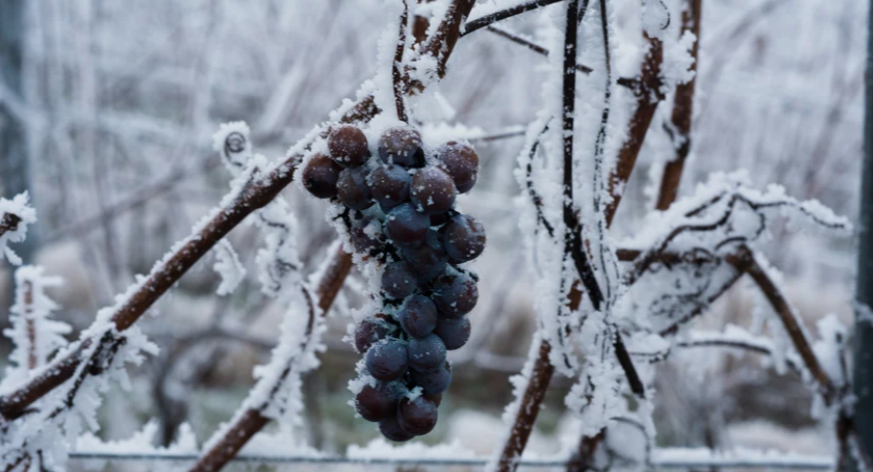
Cold-hardy grape varieties have made it possible to grow wine and table grapes in places where vineyards once seemed out of the question. Grapes are among the world’s most widely grown fruits, with about 72.5 million tonnes harvested in 2023. They are eaten fresh, dried into raisins, pressed for juice and fermented into wine.
China is the largest producer, with 19% of the world total, followed by Italy and France. In the United States, California dominates, crushing 3.9 million of the nation’s 4.3 million tons in 2023. Most of the world’s grapes belong to a single species native to the Mediterranean region and Central Asia.
That classic wine grape is easily injured by hard winters. Breeders solved the problem by crossing it with the wild riverbank grape, a North American vine that survives on the northern prairies. Much of the work was done by the University of Minnesota and by Elmer Swenson, a Wisconsin farmer who released 27 varieties.
The results have built an industry. Since 1996, growers in 12 states have planted an estimated 5,400 acres of cold-hardy grapes, with an economic impact put at $401 million. The 21 varieties below include wine, juice and table grapes, and each entry notes where they are grown.
1. Frontenac
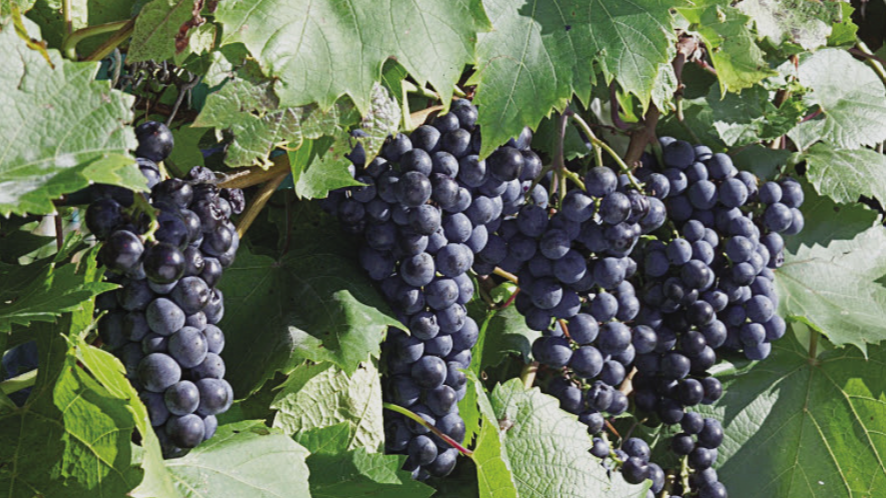
Frontenac is the grape that launched the modern cold-climate wine industry. It bears small, blue-black berries in loose, medium-sized clusters. The juice is high in both sugar and acid. Its wines carry flavors of cherry and black currant. It is made into dry reds, rosés and port-style dessert wines.
The University of Minnesota released it in 1996 as its first modern wine grape. Growers report that it tolerates winter lows of about -30°F. It ripens late and benefits from a long hang time to lower its acidity. It is vigorous, productive and resistant to several diseases. It is grown in Minnesota, Wisconsin, Iowa, Nebraska, New York, Vermont and Quebec.
2. Frontenac Gris
Frontenac Gris is a color mutation of Frontenac. Its berries have grayish-pink skin in place of the deep blue of the parent. The grape is used to make white and rosé wines. Those wines have a characteristic peach flavor. They often show notes of apricot and tropical fruit as well.
The University of Minnesota released it in 2003. It shares the hardiness, vigor and high acidity of Frontenac. It is a patented variety that requires a license to propagate. It is well suited to sweet, late-harvest and ice wines. It is grown across the Upper Midwest, the Northeast and eastern Canada.
3. Frontenac Blanc
Frontenac Blanc is the white-fruited member of the Frontenac family. Its skin is yellow to golden. It arose as a natural mutation and was first noticed by growers. It ripens earlier than Frontenac and Frontenac Gris. Its wines show stone fruit and citrus flavors.
It was introduced in 2012 and has been widely planted since. The vine is as hardy and vigorous as its parent. Its earlier harvest is an advantage where the season is short. The juice is still high in acid and often needs careful winemaking. It is grown in Minnesota, Wisconsin, the Dakotas, Vermont and Quebec.
4. Marquette
Marquette is regarded as the finest red wine grape for cold climates. It is a descendant of Pinot Noir. Its wines are ruby-colored, with flavors of cherry, blackberry and black pepper. They have more tannin and body than most hybrid reds. The clusters are small and the berries are blue-black.
The University of Minnesota introduced it in 2006. The University of Vermont rates it very hardy. It resists downy mildew, powdery mildew and black rot. Its early bud break exposes it to late spring frost. It is grown in Minnesota, Wisconsin, Michigan, New York, Vermont and Quebec.
5. La Crescent
La Crescent is an aromatic white wine grape. Its wines smell of apricot, peach and citrus. They are usually finished off-dry or sweet to balance the grape’s high acidity. The berries are golden-amber when ripe. The clusters are loose.
The University of Minnesota released it in 2002 and named it for a town on the Mississippi River. Its wine has won more top awards at the International Cold Climate Wine Competition than any other. The vine is very hardy but can be damaged by a cold snap after a warm spell. It is sprawling in habit and prone to downy mildew. It is grown in Minnesota, Wisconsin, Iowa, Vermont and New York.
6. Itasca
Itasca is a white wine grape with unusually low acidity for a cold-hardy variety. That trait lets winemakers produce dry white wines without heavy adjustment. The wine is light yellow to straw-colored. It has aromas of pear, quince, violet, melon and honey. The juice is high in sugar.
The University of Minnesota released it in 2017 as its fifth cold-hardy wine grape. During the polar vortex of 2014 it survived -31°F with more than 60% of its main buds alive. It is highly resistant to downy mildew, powdery mildew and the root pest phylloxera. It is named for the lake that is the source of the Mississippi River. It is grown in Minnesota, Wisconsin, the Dakotas and the Northeast.
7. Clarion
Clarion is the newest white wine grape from the University of Minnesota. It was released in 2022 after 20 years of testing. It produces dry white wines. Their style has been compared to Sauvignon Blanc from the Southern Hemisphere. The wines show citrus, pear and floral notes.
It is less hardy than the university’s other varieties and is best suited to areas where lows stay above -20°F. Breeders encourage growers to test it in favorable sites. It was released as an open variety, so no license is needed. It has good disease resistance. It is grown in southern Minnesota, Iowa, Wisconsin and similar climates.
8. Edelweiss
Edelweiss is an early-ripening white grape for both the table and the winery. Its berries are large, sweet and yellow-green. Eaten fresh, it has a strong, fruity flavor like a Concord. Picked early, it makes a pleasant, sweet white wine. The clusters are large and loose.
It was developed by Elmer Swenson with the University of Minnesota and released in the late 1970s. Iowa State University rates it hardy, with injury beginning near -15°F. It ripens in mid-August, among the first of the season. It resists most diseases but has brittle shoots. It is grown in Nebraska, Iowa, Minnesota and Wisconsin.
9. Swenson Red
Swenson Red is a red table grape with a crisp, meaty texture. Its flavor is often compared to strawberry. The berries are medium to large and contain seeds. It can also be made into a light white or blush wine. Many growers consider it the best-tasting hardy table grape.
Iowa State University recommends it for fresh eating throughout Iowa. The university notes its medium to large clusters and vigorous, trailing vines. It is susceptible to downy mildew and needs a spray program. It is rated hardy, though less so than the toughest wine grapes. It is grown in the Upper Midwest and New England.
10. St. Croix
St. Croix is a blue-black grape used for red wine. Its wines are medium-bodied and low in tannin. They have soft, fruity flavors and deep color. It ripens early to midseason. The vine is vigorous and productive.
Elmer Swenson released it in 1981. Iowa State University rates it very hardy. South Dakota State University cautions that its trunk and buds are very hardy but its roots can be damaged in winters without snow. It is named for the river that divides Minnesota and Wisconsin. It is grown in Iowa, Wisconsin, Minnesota, New England and Quebec.
11. Sabrevois
Sabrevois is a sister of St. Croix from the same Swenson cross. It makes a dark, rustic red wine. The fruit is moderate in sugar and acidity. The clusters are medium-sized and blue-black. It ripens early to midseason.
South Dakota State University rates it very hardy. Iowa State University notes its vigorous growth and good disease resistance. It is sensitive to sulfur sprays. It is named for a village in Quebec, where it was first widely grown. It is grown in Quebec, Vermont, Minnesota, Iowa and the Dakotas.
12. Brianna
Brianna is a white grape with strong tropical fruit flavors. Its wines often taste of pineapple, grapefruit and mango. It is usually made in a semi-sweet style. The berries are medium to large, with thick, greenish-gold skin. It is also pleasant eaten fresh.
It was bred by Elmer Swenson and named in the early 2000s. Iowa State University rates it very hardy. It ripens fairly early and has good disease resistance. One Canadian nursery calls it the best white grape for Manitoba. It is grown in Nebraska, Iowa, South Dakota, Minnesota and the Canadian prairies.
13. St. Pepin
St. Pepin is a white grape that makes a fruity wine similar to Riesling. It is also good for juice and for eating fresh. The berries are greenish-yellow and medium-sized. Its wines can be dry, sweet or made as ice wine. The clusters are long and loose.
It is unusual in having only female flowers. It must be planted near another variety to set fruit, and its sibling La Crosse is a common partner. South Dakota State University notes it is the only variety on its list that is not self-fruitful. It is rated hardy. It is grown in Wisconsin, Minnesota, Iowa and Illinois.
14. Prairie Star
Prairie Star is a white wine grape valued for its neutral, clean flavor. Its wines have good body and none of the strong, grapey taste of many hybrids. It is often blended to add fullness to thinner white wines. The berries are yellow and the clusters are long. The wine can show light floral notes.
The University of Vermont rates it very hardy. It was bred by Elmer Swenson. Its shoots are brittle and can break in wind. It has good resistance to disease. It is grown in Minnesota, Iowa, the Dakotas, Vermont and Quebec.
15. Louise Swenson
Louise Swenson is a white wine grape named for the breeder’s wife. It makes a delicate, light-bodied wine. The aromas are floral, with hints of honey and pear. The fruit is modest in sugar and has balanced acidity. It is often blended with Prairie Star for more body.
The University of Vermont rates it very hardy, though South Dakota State University finds it less hardy than Brianna. The vine is well behaved and easy to manage. It struggles in sandy soil and is sensitive to drought. It has good disease resistance. It is grown in Minnesota, Wisconsin, Vermont and Quebec.
16. Petite Pearl
Petite Pearl is a red wine grape with more tannin than most cold-climate varieties. Its wines are garnet-red, with complex flavor. The clusters are small and tight. The fruit is high in sugar and lower in acid than other hybrids. That balance makes it easier to produce a dry red.
It was bred by a private Minnesota breeder and released around 2010. South Dakota State University describes it as a hardy new red with good tannin structure. It breaks bud late, which helps it avoid spring frost. Iowa State University notes its medium vigor and trailing growth. It is grown in Minnesota, Iowa, the Dakotas, Wisconsin and Nebraska.
17. Valiant
Valiant is considered the hardiest of all cultivated grapes. It is reported to survive temperatures as low as -50°F. Its berries are small, dark blue and thick-skinned. The flavor is sweet-tart and resembles Concord. It is used fresh and for juice, jam and jelly.
South Dakota State University introduced it in 1982. It came from a cross between an older blue grape and a wild riverbank grape collected in Montana. It ripens early, from late August to mid-September. In humid climates it is prone to mildew. It is grown on the Canadian prairies, in the Dakotas, Montana, Minnesota and Alaska.
18. Beta
Beta is one of the oldest cold-hardy grapes still in use. It was bred in Minnesota in the 1880s. It is a cross between Concord and a wild riverbank grape. The berries are small, blue-black and tart. It is used mainly for juice and jelly.
It was the first grape planted commercially in Minnesota. South Dakota State University rates it very hardy. It is self-fruitful, so a single vine will bear. It is vigorous and resistant to disease. It is grown in Minnesota, the Dakotas, Montana and the Canadian prairies.
19. Bluebell
Bluebell is a blue grape for fresh eating and juice. Its berries are large for a hardy variety. The flavor is like Concord but sweeter, with a more tender skin. It ripens in late August to early September. It makes excellent jelly.
South Dakota State University rates it very hardy. Utah State University tested it in a trial where 80% of the vines survived. That trial found it prone to yellowing in alkaline soil. It was developed in Minnesota in the 1940s. It is grown in Minnesota, Wisconsin, the Dakotas and New England.
20. King of the North
King of the North is a vigorous blue grape of uncertain origin. It bears heavy crops of medium-sized berries. The fruit is tart and strongly flavored. It is excellent for juice and jelly. It can also be made into a fruity red wine.
It is rated hardy to the second-coldest garden zone. The vine grows very strongly and needs firm pruning. It ripens in mid to late September. It is self-fruitful and reliable. It is grown in Minnesota, Wisconsin, the Dakotas and northern New England.
21. Somerset Seedless
Somerset Seedless is the most cold-tolerant seedless grape available. Its berries are small to medium, with pink-red skin. The flavor is sweet, with a hint of strawberry. It ripens early, in mid to late August. It is one of the few seedless grapes that succeeds in the far north.
It was bred by Elmer Swenson. One Canadian nursery calls it the best-flavored table grape for Manitoba. It needs more winter protection than the hardiest seeded types. The berries turn from pink to red as they sweeten. It is grown in Minnesota, Wisconsin, New England and the Canadian prairies.
Key Takeaways:
- Cold-hardy grape varieties can survive freezing winter temperatures, making them suitable for regions with long winters and short growing seasons. Popular examples include ‘Marquette’, ‘Frontenac’, ‘Concord’, and ‘La Crescent’.
- American grape species contribute significantly to cold tolerance. Many hardy cultivars have Vitis labrusca or Vitis riparia in their ancestry, helping them withstand colder conditions than many traditional European wine grapes.
- Cold tolerance varies among grape varieties, with some surviving severe winter freezes better than others. A vine’s winter survival also depends on its age, health, acclimation, and exposure to fluctuating temperatures.
- Cold-hardy grapes offer a wide range of flavors and uses. Some varieties produce sweet grapes for fresh eating, while others are grown for juice, jelly, and winemaking. Fruit colors include green, red, blue, and deep purple.
- Successful grape growing requires suitable sunlight, soil, and growing-season length. Most grapevines perform best in full sun and well-drained soil, while pruning and proper trellising help maintain healthy growth and fruit production.
- Choosing the right cold-hardy grape depends on local climate and intended use. Consider minimum winter temperatures, disease resistance, ripening time, flavor, and whether the variety is intended for table grapes, juice, or wine before planting.
Sources:
- University of Minnesota: All University of Minnesota Grape Varieties
- Iowa State University: What are some good grape varieties for Iowa?
- University of Vermont: Characteristics of Cold Hardy Grape Cultivars
- Utah State University: Evaluation of Cold-Hardy Grapes on the Wasatch Front
- South Dakota State University: Grape Varieties for South Dakota
- University of Minnesota: Minnesota Grape Cultivars
- University of Minnesota: release of Itasca
- University of Vermont: Grape Cultivars for a Cold Climate
- University of Nebraska: later Swenson cultivars
- Growing Produce: cold climate grape growing
- Camden News: hardy grapes
- Prince Albert Daily Herald: Grapes
- Hardy Fruit Trees: Valiant Grape Vine
- Gardening Know How: Growing Grapes in Zone 4
- Falk Nurseries: Valiant Grape
- Wine Institute: California and US grape crush
- Wikipedia: Grape