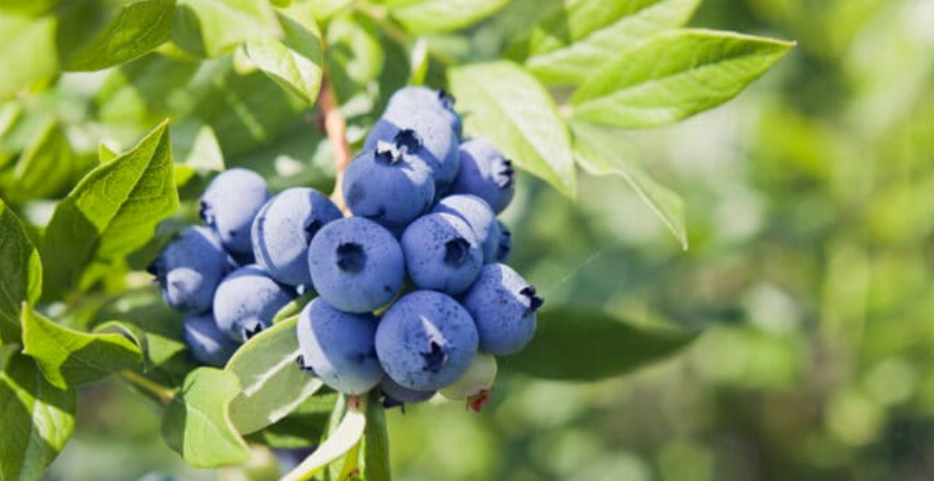
Huckleberries are prized for their distinctive flavor, but getting a generous harvest can be more challenging than simply keeping the plant alive. A healthy huckleberry may produce plenty of foliage while setting relatively few flowers or berries if its soil, light, moisture, pollination, or growing environment is not right.
The good news is that fruit production can often be improved by correcting the conditions around the plant. Huckleberries are adapted to particular woodland environments, and understanding those natural preferences is the key to getting better results in the garden.
Whether you grow mountain huckleberry, red huckleberry, evergreen huckleberry, or another Vaccinium species, the following practices can help encourage stronger flowering, fruit set, and berry development.
1. Give Huckleberries the Right Amount of Sun
Light has a major influence on flowering and fruit production.
Many huckleberries naturally grow in forests, woodland openings, and forest edges. Some species tolerate substantial shade, but this does not necessarily mean that deep shade is ideal for producing a large crop.
A location with bright filtered light or partial sun can be an excellent compromise. In cooler climates, more sunlight may encourage better flowering and fruiting. In hot climates, some afternoon shade can protect plants from excessive heat and water stress.
If your huckleberry receives very little light and produces lots of leaves but few flowers, inadequate sunlight could be part of the problem.
2. Maintain Acidic Soil
One of the most important factors affecting huckleberry productivity is soil acidity.
Huckleberries belong to the heath family, Ericaceae, and are adapted to acidic soils. When soil pH is too high, plants can have difficulty accessing certain nutrients even when those nutrients are technically present in the soil.
Before changing your soil, test it.
If the soil is unsuitable, make gradual adjustments using amendments appropriate for acid-loving plants rather than randomly adding large quantities of products. Maintaining the correct pH over time is more useful than attempting a dramatic one-time correction.
3. Improve the Soil With Organic Matter
Healthy soil supports healthy roots, and healthy roots are essential for producing fruit.
Huckleberries generally benefit from soil containing plenty of organic matter. Forest soils naturally accumulate decomposing leaves, needles, and woody material, creating an environment that is quite different from compacted garden soil.
Adding suitable organic material can improve moisture retention, soil structure, and biological activity.
A layer of organic mulch can also gradually contribute organic matter as it decomposes.
4. Keep the Root Zone Consistently Moist
Water stress can reduce flowering, fruit development, and overall plant vigor.
Huckleberries generally perform best when their root zone has consistent moisture without becoming waterlogged.
This is particularly important during flowering and fruit development. If the plant experiences repeated cycles of severe drying followed by heavy watering, it may struggle to maintain steady growth.
During dry periods, water deeply enough to moisten the root zone. Then allow excess water to drain away.
5. Mulch Around the Plant
Mulching is one of the simplest ways to improve huckleberry growing conditions.
Apply an organic mulch such as:
- Pine needles
- Fine bark
- Leaf mold
- Composted organic material
- Other suitable acidic organic mulches
Mulch helps slow evaporation, moderate soil temperatures, reduce competition from weeds, and protect shallow roots.
Keep mulch slightly away from the main stems to reduce the risk of excessive moisture around the crown.
6. Encourage Pollinators
Flowers must be successfully pollinated before they can develop into berries.
Avoid using broad-spectrum insecticides unnecessarily, especially when the plant is flowering. Pollinating insects can be valuable allies in a productive berry garden.
Create a pollinator-friendly environment by growing a variety of flowering native plants nearby. Having flowers available throughout the growing season can encourage beneficial insects to spend more time in your garden.
Huckleberry flowers may be small, but they can contribute to a larger pollinator habitat.
7. Grow More Than One Plant When Appropriate
Growing multiple compatible huckleberry plants can sometimes improve fruit production, depending on the species and genetics involved.
Different huckleberry species have different pollination biology, so do not assume that simply planting two unrelated Vaccinium species will automatically increase fruit set.
When purchasing plants, ask the nursery whether the particular species or cultivar benefits from cross-pollination.
If possible, growing several healthy plants of the same species from genetically different sources can provide more opportunities for pollination.
8. Avoid Excessive Nitrogen Fertilizer
One of the most common mistakes gardeners make with fruiting plants is assuming that more fertilizer means more fruit.
For huckleberries, excessive nitrogen can encourage vigorous leafy growth at the expense of flowering and fruiting.
If your plant is extremely leafy but produces few flowers, fertilizer may not be the solution.
Instead, test the soil and identify the actual cause of poor production. If nutrients are needed, use a fertilizer appropriate for acid-loving plants and follow the product directions carefully.
9. Protect Flowers and Developing Fruit
A productive huckleberry can still lose much of its potential crop if flowers or developing berries are damaged.
Cold snaps during flowering can injure flowers, while severe drought, extreme heat, or other environmental stress can interfere with fruit development.
Where practical, choose a planting location that provides some protection from harsh weather.
Avoid disturbing the plant during flowering and fruit development. Maintaining steady moisture during this period can be particularly beneficial.
10. Control Huckleberry Pests
Insect pests can reduce fruit production by damaging leaves, shoots, flowers, or developing fruit.
Common problems can include aphids, caterpillars, scale insects, and fruit-feeding pests, although the specific pests vary by region and huckleberry species.
Inspect plants regularly, paying particular attention to:
- New shoots
- Undersides of leaves
- Flower clusters
- Developing berries
- Damaged or distorted foliage
Identify the pest before treating it. Many insects are harmless or beneficial, and unnecessary pesticide applications can harm pollinators.
11. Watch for Diseases
Diseases can also reduce fruit production.
Poor air circulation, excessive moisture, damaged branches, and stressed plants can create conditions favorable for certain fungal and bacterial problems.
Keep the planting area reasonably open and remove severely diseased plant material when appropriate.
Avoid overhead watering when foliage stays wet for long periods. Watering near the soil surface can help keep leaves drier.
If a plant repeatedly develops unusual symptoms, identify the disease before choosing a treatment.
12. Prune With Fruit Production in Mind
Pruning can improve the structure and health of a huckleberry, but aggressive pruning can have the opposite effect.
Before cutting branches, learn how your particular species produces flowers and fruit. Removing too much productive wood can reduce the following harvest.
Start by removing:
- Dead branches
- Broken branches
- Diseased wood
- Severely damaged growth
- Branches that rub against one another
For mature shrubs that have become excessively dense, selective thinning can improve light penetration and air movement.
Avoid treating huckleberries like formal hedges that need frequent shearing.
Why Is My Huckleberry Plant Not Producing Fruit?
If your huckleberry produces healthy leaves but almost no berries, work through the following checklist.
Too Much Shade
Very low light can reduce flowering.
Incorrect Soil pH
Alkaline soil can interfere with nutrient availability.
Drought Stress
Repeated drying can affect flowering and fruit development.
Poor Pollination
Few pollinating insects or unfavorable flowering weather can reduce fruit set.
Plant Is Too Young
Newly established plants may need time before they begin producing substantial crops.
Excessive Nitrogen
Heavy feeding can encourage foliage rather than flowers.
Pest or Disease Damage
Problems affecting flowers, leaves, or developing berries can reduce the harvest.
Incorrect Pruning
Removing productive branches can reduce the number of flowers available.
How Long Does It Take for Huckleberries to Produce Fruit?
Patience is important with huckleberries.
Plants grown from seed can take several years to reach productive maturity. Cuttings may establish more quickly because they originate from mature plant material, but they still need time to develop a strong root system and adapt to their new location.
Nursery-grown plants can sometimes begin producing sooner, particularly when they are already several years old.
The exact timeline varies considerably by species, plant age, growing conditions, and climate.
Does More Sun Mean More Huckleberries?
Not necessarily.
More light can encourage flowering and fruit production, but excessive sunlight combined with heat and drought can stress plants.
The ideal light level depends on the species and climate.
For a cool, moist garden, a sunnier position may be beneficial. In a hot, dry region, filtered light or afternoon shade may produce healthier plants.
The goal is not simply maximum sunlight but the right balance of light, temperature, and moisture.
How to Increase Huckleberry Fruit Size
If your huckleberries produce plenty of berries but the fruit remains small, concentrate on reducing plant stress.
Provide:
- Consistent moisture
- Suitable acidic soil
- Adequate light
- Sufficient organic matter
- Appropriate nutrition
- Good pollination
- Protection from severe heat
Avoid overfertilizing in an attempt to make berries larger. A balanced growing environment is more important than pushing the plant with excessive nutrients.
Should You Remove Some Huckleberry Fruit?
Usually, there is no need to manually remove fruit from a healthy huckleberry unless the plant is unusually young or heavily overloaded.
A young shrub may benefit more from concentrating its energy on establishing roots and branches than producing a large crop.
If a newly planted shrub flowers heavily, removing some flowers can be considered to reduce the reproductive burden while the plant establishes itself.
For mature plants, however, good growing conditions are usually a better way to improve the harvest.
How to Get More Huckleberries Naturally
For gardeners who prefer a low-input approach, focus on recreating the plant’s natural environment.
A productive huckleberry garden can include:
- Acidic soil
- Forest-like organic matter
- Organic mulch
- Consistent moisture
- Filtered sunlight
- Native companion plants
- Pollinator habitat
- Minimal soil disturbance
- Limited fertilizer
- Regular observation
This approach is often more sustainable than trying to force production with heavy fertilizer or frequent chemical treatments.
A Simple Huckleberry Fruit-Production Plan
If you want to improve your harvest this growing season, start with the basics.
Early season: Test the soil and correct major pH problems. Remove damaged branches and apply a suitable organic mulch.
During flowering: Maintain consistent moisture and protect pollinators by avoiding unnecessary insecticide use.
During fruit development: Monitor soil moisture, inspect plants for pests and diseases, and avoid heavy pruning.
After harvest: Remove damaged growth, maintain mulch, and evaluate the plant’s overall health.
Over several seasons, these small improvements can make a substantial difference.
Frequently Asked Questions
What is the best fertilizer for huckleberries?
There is no single fertilizer that is best for every huckleberry. Test the soil first. If nutrients are deficient, use a fertilizer suitable for acid-loving plants and follow the label directions.
Why does my huckleberry have flowers but no berries?
Poor pollination, unfavorable weather during flowering, drought stress, insufficient sunlight, or plant-specific pollination requirements can all contribute to poor fruit set.
Do huckleberries need full sun to produce fruit?
No. Many huckleberries tolerate partial shade. However, extremely low light may reduce flowering and fruit production.
How often should I water huckleberries?
Water when necessary to keep the root zone consistently moist, particularly during dry weather. Avoid keeping the soil permanently saturated.
Can pruning increase huckleberry production?
Proper pruning can improve plant structure, light penetration, and air circulation. However, excessive pruning can remove branches that would otherwise produce flowers and fruit.
Final Thoughts
Increasing huckleberry fruit production is less about finding a single secret fertilizer or pruning technique and more about getting several basic conditions right at the same time.
Start with acidic, organic-rich soil and consistent moisture. Give the plant appropriate light, encourage pollinators, avoid excessive nitrogen, monitor pests and diseases, and prune selectively rather than aggressively.
Most importantly, give the plant time. Huckleberries are woodland shrubs rather than instant-producing garden crops. Once established in a suitable environment, a healthy plant can reward your patience with a much more dependable harvest year after year.