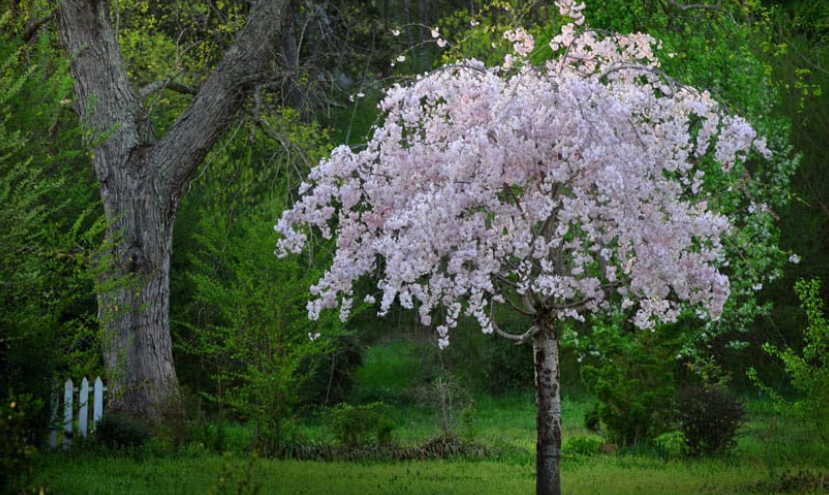
Trees that grow well in Ohio benefit from a landscape shaped by one of the more distinctive geological divides found in the eastern United States, since the last continental glacier flattened roughly two-thirds of the state into gently rolling till plains while leaving the rugged, unglaciated Allegheny Plateau of southeastern Ohio untouched, preserving steep sandstone gorges, hemlock ravines, and terrain that looks and feels distinctly Appalachian.
This geological split explains why a hike through Hocking Hills in southeastern Ohio can feel like a different world entirely from a walk through the flat farmland of northwestern Ohio, an area once covered by the Great Black Swamp, a massive forested wetland that took decades of extensive drainage efforts to convert into some of the state’s most productive agricultural land. Ohio was almost entirely forested prior to European settlement, with an estimated 95 percent of the state covered by trees, but widespread agricultural clearing reduced that figure to roughly 10 percent by the early 1900s before conservation efforts and reforestation gradually brought Ohio’s current forest cover back to around 30 percent of the state’s total land area.
Ohio also hosts several remarkable ecological outliers, including Cedar Bog Nature Preserve near Urbana, a relict boreal wetland where cold-climate trees typically found hundreds of miles farther north have survived since the last ice age. This list explores 50 trees, ranging from the state’s Appalachian hemlock gorges to its glacial relict bogs and familiar hardwood forest natives, that grow well across Ohio’s surprisingly varied landscape.
Ohio Buckeye
The Ohio buckeye, the tree that gave Ohio its enduring nickname of the Buckeye State and inspired the mascot of Ohio State University, is the official state tree and typically reaches a mature height of 30 to 40 feet with a rounded, dense canopy. This tree produces showy clusters of yellow-green flowers in spring, followed by distinctive spiny seed pods containing the shiny brown seeds that give the tree its common name, since the seed’s pale patch resembles the eye of a male deer.
Ohio buckeye tends to drop its leaves earlier in late summer compared to many other shade trees, an adaptation to heat and drought stress that becomes more pronounced during the state’s hottest, driest years. This tree’s early fall color and interesting seed pods, along with its deep cultural connection to Ohio’s identity, have made buckeye seeds a popular good-luck token carried by Ohioans for generations.
Sugar Maple
The sugar maple is found throughout Ohio’s hardwood forests, typically reaching a mature height of 60 to 80 feet and producing some of the most vivid orange and red fall foliage found anywhere in the state. This tree is also central to a modest but genuine Ohio maple syrup industry, with Geauga County in the state’s northeast corner recognized as one of the leading maple syrup producing counties in the entire country, supporting an annual maple festival tradition dating back decades.
Sugar maple requires a specific combination of freezing nights and warmer days in late winter to produce the sap flow needed for syrup production, a pattern that occurs reliably across much of Ohio each February and March. This tree’s brilliant fall color display draws considerable seasonal tourism to Ohio’s forests and parks each October, particularly throughout the state’s northeastern and southeastern regions.
Red Maple
The red maple is one of the most widely distributed native trees found throughout Ohio, typically reaching a mature height of 40 to 60 feet and producing some of the earliest spring color in the state, with small red flowers appearing on bare branches often as early as March. This tree tolerates an unusually broad range of soil and moisture conditions, from swampy lowlands to drier upland forests, contributing to its presence in nearly every county across the state.
Red maple displays vivid red fall foliage, one of the most reliable and widespread color displays found throughout Ohio’s autumn landscape. This tree’s remarkable adaptability has also made it one of the most commonly planted native trees in both Ohio’s forests and its urban and suburban landscapes.
Silver Maple
The silver maple is a fast-growing native tree commonly found along Ohio’s rivers, streams, and floodplains, typically reaching a mature height of 50 to 80 feet within just a few decades of establishment. This tree gets its common name from the silvery-white undersides of its leaves, which create a distinctive shimmering effect when the foliage moves in the wind across Ohio’s riverside landscapes.
Silver maple grows notably quickly, often exceeding 3 feet of height per year under favorable moisture conditions, though this rapid growth is associated with weaker wood more prone to storm damage compared to sugar maple. This tree’s tolerance for periodic flooding makes it a particularly important species along Ohio’s major waterways, including the Scioto, Muskingum, and Maumee river systems.
White Oak
The white oak is considered one of the most valuable native hardwood species in Ohio, typically reaching a mature height of 60 to 100 feet and capable of living for more than 400 years under favorable conditions. This tree produces relatively sweet acorns compared to many other oak species, an important food source for deer, turkey, and squirrels found throughout Ohio’s forested regions.
White oak grows notably slowly, often taking 50 years or more to reach significant size, but this slow growth produces exceptionally strong, durable wood that has long been prized for furniture and barrel making throughout the state’s hardwood industry, including a meaningful role supplying white oak staves for the bourbon barrel trade. This tree’s rounded, spreading crown and light gray, scaly bark make it easily distinguishable from Ohio’s other common native oak species.
Northern Red Oak
The northern red oak is one of Ohio’s fastest-growing native oak species, typically reaching a mature height of 60 to 90 feet and found throughout the state’s forested regions, particularly in the hillier terrain of southeastern Ohio. This tree produces attractive dark red fall foliage and grows considerably faster than white oak, often reaching commercial timber size in significantly less time under good Ohio forest soil conditions.
Northern red oak is highly valued commercially, supporting a meaningful portion of the state’s hardwood forest products industry, particularly throughout the unglaciated Allegheny Plateau region where oak-hickory forest remains most extensive. This tree’s relatively straight, tall trunk and strong, attractive wood grain have made it a particularly important species for furniture manufacturing throughout Ohio.
Bur Oak
The bur oak is one of the most iconic trees associated with Ohio’s historic oak savanna and prairie-forest border landscape, easily identified by its thick, corky bark and enormous acorns capped with a distinctive shaggy, fringed cup, typically reaching a mature height of 70 to 90 feet. This tree is remarkably fire and drought tolerant, adaptations that allowed it to thrive for centuries in the open, sunny conditions once found scattered throughout western Ohio’s prairie remnants before widespread agricultural conversion eliminated most of this habitat type.
Bur oak can live for more than 300 years, and scattered ancient specimens found today in Ohio cemeteries, parks, and remnant savannas offer a rare living connection to the state’s pre-settlement landscape. This tree’s exceptional drought tolerance and adaptability to a wide range of soil types have also made it an increasingly popular choice for modern Ohio street tree and park plantings.
Shingle Oak
The shingle oak is a distinctive native tree found throughout Ohio, notable for its smooth-edged, unlobed leaves that closely resemble willow or laurel foliage rather than the typically lobed leaves associated with most oak species. This tree typically reaches a mature height of 50 to 60 feet and gets its common name from the historic practice of splitting its wood into shingles for roofing material by early Ohio settlers.
Shingle oak tolerates a wide range of soil conditions and is notably adaptable to Ohio’s heavy clay soils, making it more versatile than many other native oak species found within the state. This tree’s semi-evergreen habit, retaining brown leaves well into winter in milder years, provides year-round visual interest and helps distinguish it during Ohio’s dormant season.
Swamp White Oak
The swamp white oak is a native tree well adapted to Ohio’s wetter bottomland forests and floodplain soils, typically reaching a mature height of 50 to 60 feet with a broad, rounded canopy. This tree tolerates periodic flooding and poorly drained clay soils considerably better than most other oak species, making it a valuable choice for low-lying areas throughout Ohio’s river valleys, including the historic wetlands of the former Great Black Swamp region in the state’s northwest.
Swamp white oak produces attractive, deeply furrowed, flaking bark and displays a reliable yellow-brown fall color across much of its range within the state. This tree’s strong tolerance for Ohio’s heavy, poorly drained soils has also made it an increasingly popular choice for urban stormwater management plantings throughout the state’s cities.
Pin Oak
The pin oak is a fast-growing native tree commonly found in Ohio’s wetter lowland areas and floodplains, typically reaching a mature height of 60 to 70 feet with a distinctive pyramidal to oval crown shape. This tree is easily identified by its numerous small, pin-like branches along the lower trunk, a feature that persists even as the tree matures and gives the species its common name.
Pin oak tolerates wetter, poorly drained soils considerably better than many other Ohio oak species, though it can struggle in the state’s more alkaline soils, sometimes developing a yellowing condition called iron chlorosis. This tree’s reliable bronze-red fall color and relatively fast growth have made it one of the more commonly planted street and park trees throughout Ohio’s cities, particularly across the Columbus and Cincinnati metropolitan areas.
Chinkapin Oak
The chinkapin oak is a native tree found throughout Ohio, particularly favoring the state’s limestone-influenced soils, typically reaching a mature height of 40 to 60 feet with distinctive coarsely toothed leaves that resemble those of a chestnut tree. This tree produces some of the sweetest acorns of any native Ohio oak species, historically an important food source valued by both wildlife and early settlers throughout the state.
Chinkapin oak tolerates Ohio’s alkaline, limestone-derived soils exceptionally well, thriving in areas where more acid-loving oak species tend to struggle, particularly throughout the state’s southwestern and central limestone belt regions. This tree’s relatively fast growth rate compared to white oak and strong drought tolerance have made it an increasingly popular choice for Ohio landscaping and urban forestry programs.
Shagbark Hickory
The shagbark hickory is found throughout Ohio’s upland forests, easily identified by its distinctive gray bark, which peels away from the trunk in long, curling strips, giving mature trees a notably shaggy, textured appearance. This tree typically reaches a mature height of 60 to 80 feet and produces sweet, edible nuts that were historically an important food source for both Indigenous communities and early Ohio settlers.
Shagbark hickory grows relatively slowly, often taking several decades to reach significant size, and can live for more than 300 years in undisturbed forest settings throughout the state’s oak-hickory woodlands. This tree’s extremely hard, dense wood has also been historically valued for tool handles and smoking wood, prized for the distinctive flavor it imparts to meats prepared over hickory smoke.
Shellbark Hickory
The shellbark hickory is the largest native hickory species found in Ohio, typically reaching a mature height of 60 to 80 feet and producing the largest nuts of any hickory species in North America, sometimes measuring more than 2 inches across. This tree favors the rich, moist bottomland soils found throughout Ohio’s river valleys, particularly along the state’s larger waterways where deep, fertile alluvial soil supports its substantial size.
Shellbark hickory grows relatively slowly and can live for more than 200 years under favorable bottomland forest conditions found throughout the state. This tree’s sweet, edible nuts were historically an important food source for both wildlife and early Ohio settlers, though the exceptionally hard shell requires considerable effort to crack open.
Black Walnut
The black walnut is a valuable native hardwood found throughout Ohio, typically reaching a mature height of 50 to 75 feet and prized for both its dark, richly grained wood and its large, edible nuts. This tree produces a natural chemical called juglone, released through its roots and fallen leaves, which can inhibit the growth of many other plant species growing nearby, an adaptation that reduces competition for resources.
Black walnut grows best in Ohio’s deep, fertile bottomland soils, and the state remains one of the leading producers of black walnut timber and nuts in the country, supporting a notable regional processing and veneer industry. This tree’s wood remains among the most valuable hardwood timber species harvested in Ohio, commanding premium prices for furniture, veneer, and gunstock production.
Butternut
The butternut, sometimes called white walnut, is a native tree found throughout Ohio’s hardwood forests, typically reaching a mature height of 40 to 60 feet and producing oblong, oily nuts historically valued for both food and the yellow-brown dye that can be extracted from the tree’s husks. This tree has experienced severe population declines throughout Ohio due to butternut canker, a fungal disease that has affected the vast majority of the state’s mature butternut trees since being first identified in North America during the 1960s.
Butternut grows considerably faster than black walnut but has a notably shorter overall lifespan, even without disease pressure, typically living 75 to 100 years under average forest conditions. This tree’s ongoing struggle throughout Ohio has made surviving disease-resistant individuals an important focus for conservation and breeding programs aimed at preserving the species.
American Basswood
The American basswood, also called American linden, is a large native shade tree found throughout Ohio’s rich hardwood forests, typically reaching a mature height of 60 to 80 feet. This tree produces small, fragrant yellow-white flowers in early summer that attract enormous numbers of bees, making it one of the most valuable native trees for supporting Ohio’s pollinator populations.
American basswood often resprouts vigorously from its base after being cut or damaged, frequently forming multi-trunked clumps in forests that have experienced past disturbance throughout the state. This tree’s soft, light wood has been historically valued for carving and woodworking, prized for its fine, even grain and resistance to splitting.
American Elm
The American elm was once one of the most commonly planted street trees throughout Ohio, valued for its graceful, vase-shaped canopy and mature height that can reach 80 to 100 feet under favorable conditions. This tree suffered devastating losses throughout the state due to Dutch elm disease, which arrived in the United States in the late 1920s and eliminated the vast majority of Ohio’s mature street and forest elms over the following decades, dramatically changing the character of many of the state’s older neighborhoods.
Several disease-resistant American elm cultivars have been developed in recent decades, allowing this tree to make something of a comeback in newer Ohio plantings. This tree’s fast growth rate and excellent historical tolerance for urban conditions continue to make it a valuable option where disease-resistant varieties are specifically selected.
Slippery Elm
The slippery elm is a native tree found throughout Ohio’s forests, typically reaching a mature height of 40 to 60 feet and named for the mucilaginous, slippery inner bark that has long been used in traditional herbal remedies. This tree is somewhat more resistant to Dutch elm disease than the American elm, though it has still experienced population declines throughout the state since the disease’s arrival in the early 20th century.
Slippery elm produces rough, sandpaper-textured leaves that help distinguish it from the smoother-leaved American elm growing in similar Ohio forest habitats. This tree’s inner bark was historically harvested and dried for use in soothing sore throats and digestive complaints, a practice that continues in some traditional herbal medicine circles today.
Black Cherry
The black cherry is one of Ohio’s most commercially valuable native hardwood species, found throughout the state’s forests, typically reaching a mature height of 50 to 80 feet. This tree produces small white flowers in spring, followed by dark purple-black fruit that provides an important food source for numerous bird species throughout Ohio’s forests.
Black cherry grows relatively quickly for a hardwood species, often reaching substantial size within 60 to 80 years under good forest conditions found throughout the state’s wooded regions. This tree’s rich, reddish-brown wood, which darkens attractively with age, has made Ohio-grown black cherry a valuable component of the state’s hardwood furniture and woodworking industries, particularly throughout the Amish country furniture-making communities of eastern Ohio.
American Beech
The American beech is a slow-growing, long-lived native tree found throughout Ohio’s hardwood forests, typically reaching a mature height of 50 to 70 feet and capable of living for more than 300 years under favorable conditions. This tree is easily recognized by its smooth, light gray bark, which remains notably smooth even as the tree ages, unlike the furrowed bark typical of most other large hardwoods found in the state.
American beech produces nutritious beechnuts that serve as an important food source for wildlife throughout the mature forest stands found in Ohio’s more heavily wooded eastern and southeastern counties. This tree faces an emerging threat from beech leaf disease, first detected in Ohio in the mid-2010s, prompting increased monitoring efforts among the state’s forest health officials in recent years.
Tuliptree
The tuliptree, sometimes called yellow poplar, is one of the tallest native hardwood species found in Ohio, capable of reaching a mature height of 100 to 150 feet, with some old-growth specimens in the state’s protected forest preserves ranking among the tallest hardwood trees in the eastern United States. This tree produces distinctive tulip-shaped flowers in late spring, typically high in the canopy and easily overlooked despite their attractive yellow-green and orange coloration.
Tuliptree grows remarkably fast for a large hardwood, often exceeding 3 feet of height per year during its early decades of growth, making it one of the quickest native trees to reach substantial size throughout Ohio’s forests. This tree’s tall, straight trunk and minimal lower branching have made it historically valuable for lumber production throughout the state, and it remains a common dominant canopy species throughout southeastern Ohio’s Appalachian forests.
American Sycamore
The American sycamore is one of the largest native trees found in Ohio by trunk diameter, commonly growing along the state’s rivers and floodplains, typically reaching a mature height of 75 to 100 feet. This tree is easily identified by its mottled, peeling bark, which reveals patches of white, gray, and tan as older bark sheds away from the trunk and branches throughout the growing season.
American sycamore tolerates periodic flooding exceptionally well, making it one of the dominant large trees found along the Ohio, Scioto, and Great Miami river corridors. This tree’s massive trunk diameter, which can exceed 10 feet in old, undisturbed specimens, makes it one of the most visually impressive native trees found anywhere in the state.
Eastern Cottonwood
The Eastern cottonwood is one of the fastest-growing native trees found in Ohio, commonly found along the state’s major rivers and floodplains, capable of reaching a mature height of 80 to 100 feet within just a few decades. This tree can grow more than 6 feet in height per year under favorable moisture conditions, making it one of the quickest native trees to reach substantial size anywhere in the state.
Eastern cottonwood produces enormous quantities of cottony, wind-dispersed seeds each spring, an adaptation that allows the species to rapidly colonize newly exposed sandbars and disturbed riverside soil throughout Ohio’s floodplain habitats. This tree’s massive size and rapid growth make it an important component of Ohio’s river corridor ecosystems, particularly along the Ohio River bordering the state’s entire southern edge.
Green Ash
The green ash was historically one of the most widely planted shade trees throughout Ohio’s urban areas, typically reaching a mature height of 40 to 60 feet with a broad, rounded canopy. This tree tolerated a wide range of soil conditions well, though its population has declined dramatically due to the emerald ash borer, an invasive insect first detected in the United States near Detroit in 2002 before spreading rapidly into northwestern Ohio and eventually across the entire state within just a few years.
Green ash populations throughout Ohio have suffered catastrophic losses since the pest’s arrival, with many municipalities removing dead and dying ash trees from streets and parks over the past two decades. This tree’s dramatic decline throughout Ohio, one of the earliest and hardest-hit states in the emerald ash borer’s spread across North America, serves as a significant example of the broader forest health challenges posed by invasive insect species.
White Ash
The white ash was historically valued throughout Ohio for its strong, flexible wood used extensively in tool handles, baseball bats, and furniture, though the species has faced severe population declines throughout the state in recent years. This tree typically reaches a mature height of 60 to 80 feet and produces attractive yellow to purple fall foliage when healthy, growing throughout Ohio’s upland and bottomland forests alike.
White ash has been devastated by the emerald ash borer throughout Ohio, one of the first states significantly affected after the pest’s initial detection in nearby Michigan, with the insect having since spread to every county across the state. This tree’s dramatic decline has prompted extensive research into resistant breeding programs and biological control methods aimed at preserving remaining Ohio ash populations.
Black Ash
The black ash grows in Ohio’s wetlands and swamp forests, particularly in the northeastern and northwestern parts of the state, typically reaching a mature height of 40 to 50 feet and historically valued for basket-making traditions among Indigenous communities throughout the Great Lakes region. This tree favors the poorly drained, seasonally flooded soils found in Ohio’s remaining wetland areas, including scattered fens and swamp forests.
Black ash, like Ohio’s other native ash species, has been severely affected by the emerald ash borer, with the invasive insect causing widespread mortality throughout the state’s already limited black ash populations. This tree’s cultural and ecological significance throughout Ohio has made its ongoing decline a particularly notable loss for the state’s wetland forest ecosystems.
Hackberry
The hackberry is one of the most widespread and adaptable native trees found throughout Ohio, typically reaching a mature height of 40 to 60 feet and tolerating an exceptionally wide range of soil conditions, including the state’s heavy clay soils. This tree produces small, sweet berries that ripen in fall and serve as an important food source for numerous bird species throughout Ohio.
Hackberry is easily identified by its distinctive warty, corky bark texture, a feature that makes the species recognizable even without leaves present during Ohio’s dormant winter months. This tree’s strong tolerance for urban stresses, including drought, pollution, and poor soil, has made it an increasingly popular street tree choice throughout Ohio’s cities as ash tree populations continue to decline.
Eastern Redbud
The Eastern redbud is a small native ornamental tree found throughout Ohio’s forest edges and understory, producing a striking display of magenta-pink flowers directly along its bare branches each spring before the leaves emerge. This tree typically reaches a mature height of 20 to 30 feet and grows successfully across most of the state, though it becomes somewhat less reliably hardy in Ohio’s coldest northeastern counties near Lake Erie.
Eastern redbud features attractive heart-shaped leaves that turn a pleasant yellow color each fall, adding a second season of visual interest beyond its notable spring bloom period. This tree’s relatively compact size and vivid early spring color have made it one of the most popular native ornamental trees planted throughout Ohio’s residential landscapes.
Flowering Dogwood
The flowering dogwood produces a spectacular display of white or pink bracts each spring, typically reaching a mature height of 15 to 30 feet, and grows naturally throughout much of Ohio’s forested regions, particularly common in the southern and eastern parts of the state. This tree naturally grows as an understory species, thriving in the dappled shade found beneath larger canopy trees throughout Ohio’s oak-hickory woodlands.
Flowering dogwood has faced significant challenges from dogwood anthracnose, a fungal disease that reduced wild populations throughout parts of the state since the 1970s, though resistant cultivars remain widely available for landscape planting. This tree’s bright red fall berries provide an important food source for migrating birds, and its attractive layered branching structure adds visual interest to the Ohio landscape throughout every season.
Serviceberry
The serviceberry is a versatile small native tree found throughout Ohio’s forest understory and edges, typically reaching a mature height of 15 to 25 feet with clusters of white flowers in early spring followed by small, sweet, blueberry-like fruit in early summer. This tree is often among the first native species to bloom each spring throughout the state, historically giving rise to its common name, since the flowering coincided with the return of circuit-riding preachers able to travel again after winter thaws.
Serviceberry fruit is highly attractive to birds and was historically an important food source gathered by Indigenous communities and early Ohio settlers. This tree also produces excellent orange to red fall color, adding a third season of visual interest beyond its spring flowers and summer fruit.
Black Locust
The black locust is a fast-growing native tree found throughout much of Ohio, particularly common on disturbed sites and forest edges, typically reaching a mature height of 40 to 60 feet. This tree produces fragrant white flower clusters in late spring that provide an important early-season nectar source for bees throughout the state.
Black locust has a unique ability to fix atmospheric nitrogen through a symbiotic relationship with soil bacteria, allowing it to thrive in poor, nutrient-depleted soils where many other trees struggle to establish, a trait that has made the species particularly valuable for reclaiming Ohio’s former surface mining sites throughout the southeastern part of the state. This tree’s extremely dense, rot-resistant wood has made it historically valuable for fence posts and other applications requiring long-term ground contact durability throughout Ohio’s rural landscape.
Kentucky Coffeetree
The Kentucky coffeetree is a hardy, adaptable shade tree found in scattered native populations throughout Ohio, and it is also increasingly planted as an urban street tree, typically reaching a mature height of 50 to 70 feet. This tree tolerates urban stresses including drought, pollution, and road salt exposure with relative ease, making it well suited to Ohio’s challenging city growing environments.
Kentucky coffeetree features bold, coarse-textured compound leaves and large, leathery seed pods that were historically roasted as a coffee substitute by early Ohio settlers, giving the tree its common name. This tree’s strong branch structure and resistance to storm damage have made it an increasingly popular choice for street tree plantings throughout Columbus, Cincinnati, and Cleveland in recent years, particularly as a replacement for declining ash populations.
Honeylocust
The honeylocust is a hardy native tree found throughout Ohio, typically reaching a mature height of 40 to 60 feet with an open, airy canopy that allows dappled light to reach the ground below. This tree tolerates a wide range of soil conditions, including Ohio’s heavy clay and compacted urban soils, making it one of the most commonly planted street trees throughout the state’s cities.
Most landscape honeylocust trees planted today are thornless, seedless cultivars, avoiding the sharp thorns and messy seed pods found on the wild native form common throughout Ohio’s floodplain forests. This tree’s fine-textured, compound leaves produce light, dappled shade that allows grass and other plants to grow successfully beneath its canopy, a valuable trait in urban landscape settings throughout the state.
Osage Orange
The Osage orange is deeply tied to Ohio’s agricultural history, having been planted extensively throughout the state during the mid-1800s as a living fence material before the widespread adoption of barbed wire. This tree typically reaches a mature height of 30 to 40 feet and produces large, bumpy, bright green fruit, often called hedge apples, that can measure up to 5 inches in diameter.
Osage orange wood is exceptionally dense, rot resistant, and historically valued for fence posts and archery bows, prized by Indigenous communities long before European settlement of the region. This tree’s dense, thorny growth habit made it an effective living barrier for containing livestock throughout Ohio’s farmland, and remnant hedgerows planted more than a century ago can still be found dividing fields across much of the state today.
Eastern Hophornbeam
The Eastern hophornbeam is a smaller native understory tree found throughout Ohio’s upland forests, typically reaching a mature height of 25 to 40 feet with distinctive shredded, flaky gray-brown bark. This tree produces papery, hop-like seed clusters that give the species its common name and provide a valuable food source for birds and small mammals throughout Ohio’s woodlands.
Eastern hophornbeam has exceptionally hard, dense wood, historically earning it the alternate common name ironwood among Ohio settlers who valued the timber for tool handles and other applications requiring durability. This tree’s tolerance for shade makes it a common component of the understory layer throughout Ohio’s mature oak-hickory forest communities.
American Hornbeam
The American hornbeam, sometimes called blue beech or musclewood, is a small native understory tree found throughout Ohio’s moist bottomland forests, typically reaching a mature height of 20 to 30 feet. This tree gets its common name musclewood from its smooth, gray bark, which develops a distinctive rippled, muscle-like texture as the tree matures.
American hornbeam favors the shaded, moist soils found along Ohio’s streams and in low-lying forest areas, thriving in conditions too wet or shady for many other native tree species. This tree’s exceptionally hard, dense wood and attractive orange to red fall color have made it an increasingly popular choice for native landscaping throughout Ohio’s woodland garden designs.
Sassafras
The sassafras is a distinctive native tree found throughout Ohio, easily recognized by its unusual leaves, which can appear in three different shapes, including oval, mitten-shaped, and three-lobed forms, sometimes all on the same branch. This tree typically reaches a mature height of 30 to 60 feet and produces small yellow flowers in early spring, followed by dark blue berries on red stems that provide an important food source for birds.
Sassafras roots and bark carry a distinctive spicy, root-beer-like fragrance, historically used to flavor traditional root beer and various other beverages before safety concerns limited commercial use of the tree’s oil. This tree’s brilliant orange, red, and yellow fall color, often displaying multiple shades simultaneously, makes it one of the most visually striking native trees found throughout Ohio’s forest edges and understory.
Pawpaw
The pawpaw is a distinctive small native tree found in the understory of Ohio’s forests, particularly along the state’s southern river valleys, typically reaching a mature height of 15 to 25 feet. This tree produces the largest edible fruit native to North America, with a custard-like texture and tropical flavor often compared to a combination of banana and mango, and the small town of Albany, Ohio hosts an annual Ohio Pawpaw Festival celebrating the fruit each September.
Pawpaw often grows in dense, spreading colonies connected by a shared root system, since the species spreads readily through root suckering in the moist, shaded bottomland forests it favors. This tree’s unusual dark maroon flowers, pollinated primarily by flies and beetles rather than bees, bloom in early spring before the tree’s large, drooping leaves fully emerge throughout Ohio’s forest understory.
American Persimmon
The American persimmon is a native fruit tree found throughout southern and central Ohio, typically reaching a mature height of 35 to 60 feet and producing sweet, orange fruit that ripens after the first frost each fall. This tree is notably drought tolerant and adapts well to a range of soil conditions, though it grows most abundantly in the warmer, southern counties along the Ohio River valley.
American persimmon fruit, while astringent and unpalatable before full ripeness, becomes remarkably sweet once properly ripened, historically used by Indigenous communities and early Ohio settlers for puddings and baked goods. This tree’s fruit also serves as an important late-season food source for opossums, raccoons, and deer throughout the southern Ohio woodlands where the species is most common.
Eastern Hemlock
The Eastern hemlock is a slow-growing evergreen conifer found in the cool, moist gorges of southeastern Ohio, most famously throughout Hocking Hills State Park, where deep sandstone canyons create the cool, humid microclimate this tree requires. This tree typically reaches a mature height of 60 to 70 feet and can live for centuries in the sheltered ravine conditions found within Ohio’s Appalachian plateau region.
Eastern hemlock in Ohio exists largely at the western edge of its natural range, generally restricted to the specific cool, shaded gorge habitats found throughout the unglaciated southeastern counties. This tree faces an emerging threat from the hemlock woolly adelgid, an invasive insect that has been detected in parts of Ohio in recent years, raising conservation concerns for the state’s scenic hemlock gorge ecosystems.
Chestnut Oak
The chestnut oak is especially well adapted to southeastern Ohio’s rocky ridgetops and steep, well-drained slopes throughout the state’s unglaciated Appalachian plateau region, typically reaching a mature height of 60 to 70 feet. This tree produces distinctive deeply ridged, dark gray bark, considerably thicker than that of most other Ohio oak species, providing strong resistance to periodic wildfire in the drier ridge forests it favors.
Chestnut oak acorns are notably large and relatively low in tannin compared to other oak species, making them an especially valuable and preferred food source for black bears, deer, and turkey throughout southeastern Ohio’s forests. This tree’s ability to thrive in Ohio’s thinnest, rockiest ridge soils has made it one of the dominant species along many of the state’s most prominent hillside ridges.
Virginia Pine
The Virginia pine is a smaller, fast-growing conifer found in scattered populations throughout southeastern Ohio, particularly on poor, eroded, or previously mined land, typically reaching a mature height of 40 to 70 feet. This tree is notably tolerant of poor, rocky soils, often serving as one of the first tree species to naturally colonize reclaimed surface mining sites throughout the state’s Appalachian foothill counties.
Virginia pine grows relatively quickly but has a shorter overall lifespan compared to many other conifer species, typically living 65 to 90 years under average forest conditions. This tree’s twisted branches and irregular growth form, along with its tolerance for poor sites, have made it a valuable species for reforesting the disturbed lands left behind by Ohio’s historic coal mining operations.
American Chestnut
The American chestnut was once one of the most dominant and important native trees in southeastern Ohio’s hardwood forests, historically making up a substantial portion of the overstory in the state’s Appalachian foothill region before a devastating blight arrived from Asia in the early 1900s. This tree could reach a mature height of 80 to 100 feet and produced abundant, nutritious nuts that were a critical food source for wildlife and rural communities throughout southeastern Ohio.
The chestnut blight had eliminated the vast majority of mature American chestnuts throughout the state by the mid-20th century, fundamentally altering the composition of Ohio’s Appalachian forests. This tree persists today mainly as blight-resistant root sprouts that rarely reach reproductive maturity, though ongoing breeding and restoration programs, including efforts by organizations based in Ohio, continue working to reintroduce blight-resistant chestnut populations throughout the species’ historic range.
Yellow Birch
The yellow birch grows in a handful of cool, isolated pockets throughout northeastern and southeastern Ohio, representing a relict population near the southern edge of this predominantly northern species’ overall range. This tree typically reaches a mature height of 60 to 80 feet and is easily recognized by its distinctive yellowish-bronze, curling bark that peels away in thin, papery strips.
Yellow birch in Ohio is generally restricted to specific cool ravines and north-facing slopes where microclimate conditions more closely resemble those found much farther north. This tree’s presence in Ohio offers a genuine ecological rarity, persisting in isolated refuges that likely trace back to the cooler climate conditions that prevailed across the region following the retreat of the last glacier.
Eastern White Pine
The Eastern white pine grows throughout Ohio, particularly common in the northeastern part of the state and in reforested areas throughout the southeast, typically reaching a mature height of 80 to 100 feet and easily identified by its soft, blue-green needles arranged in distinctive bundles of five. This tree grows relatively quickly for a conifer, often exceeding 2 feet of height per year under favorable conditions, and has been extensively planted throughout Ohio’s reforestation programs on former agricultural and mined lands.
Eastern white pine’s straight, tall trunk made it historically valuable for ship masts during the colonial period, and the species remains one of the most commonly planted ornamental and timber conifers throughout Ohio today. This tree’s soft texture and relatively fast growth have also made it a popular Christmas tree species grown on tree farms throughout the state.
Northern White Cedar
The northern white cedar, commonly called arborvitae, is found in Ohio primarily within Cedar Bog Nature Preserve near Urbana, one of the most ecologically significant relict wetland sites in the entire Midwest, where this cold-climate species has persisted since the last glacial period despite being hundreds of miles south of its typical range. This tree typically reaches a mature height of 40 to 50 feet and thrives in the cold, mineral-rich groundwater conditions found within this unusual fen ecosystem.
Northern white cedar’s presence at Cedar Bog represents one of the southernmost natural occurrences of the species found anywhere in North America, existing alongside other boreal relict plants that make the preserve a significant destination for botanists and naturalists. This tree’s aromatic, scale-like foliage and rot-resistant wood have also made it historically valuable for fence posts and other outdoor applications wherever it has been more widely planted throughout the state.
Tamarack
The tamarack is one of Ohio’s rarest native conifers, found in only a handful of cold, boggy relict wetland sites, most notably within Cedar Bog Nature Preserve, representing a remarkable ecological holdout of this predominantly northern species. This tree is unusual among conifers for being deciduous, dropping its soft, needle-like foliage each fall after turning a striking golden yellow color.
Tamarack in Ohio persists in the same rare, cold-groundwater-fed fen conditions that support northern white cedar, together forming one of the most botanically unusual plant communities found anywhere in the state. This tree’s presence so far south of its typical range offers a living window into the plant communities that covered much of Ohio immediately following the retreat of the last glacier roughly 14,000 years ago.
Quaking Aspen
The quaking aspen grows in scattered populations throughout Ohio, typically reaching a mature height of 40 to 60 feet and known for its distinctive white bark and leaves that flutter dramatically in even light wind. This tree often grows in interconnected groves that share a single root system, with individual trunks technically functioning as a single genetically identical organism across a shared area, though Ohio’s populations tend to be smaller and more isolated than the extensive aspen groves found farther north.
Quaking aspen is typically one of the first tree species to colonize disturbed or cleared areas, playing an important early successional role in parts of Ohio’s forest land following logging or agricultural abandonment. This tree’s presence throughout scattered sites in Ohio represents a southern extension of a species primarily associated with the northern United States and Canada.
Ginkgo
The ginkgo is a highly resilient ornamental shade tree widely planted throughout Ohio’s urban areas, typically reaching a mature height of 40 to 50 feet and valued for its unique, fan-shaped leaves that turn a brilliant, uniform gold each fall. This tree is highly tolerant of urban pollution, compacted soil, and Ohio’s heavy clay conditions, making it particularly well suited to street tree plantings throughout the state’s more developed cities, including Cleveland, Columbus, and Cincinnati.
Ginkgo grows relatively slowly compared to many other large shade trees, often taking 20 years or more to reach substantial landscape size, but rewards patience with a lifespan that can exceed several centuries. This tree is considered a living fossil, with a lineage tracing back more than 200 million years, making it one of the oldest tree species still commonly planted in Ohio’s cities today.
Littleleaf Linden
The littleleaf linden is a popular ornamental shade tree widely planted throughout Ohio’s urban and suburban landscapes, typically reaching a mature height of 40 to 50 feet with a distinctive pyramidal to oval canopy shape. This tree produces small, fragrant yellow-white flowers in early summer that attract large numbers of bees, making it a valuable addition for supporting pollinator populations in developed areas throughout the state.
Littleleaf linden tolerates urban conditions well, including compacted soil and road salt exposure, making it a common choice for street tree plantings throughout many of Ohio’s cities and suburbs. This tree’s dense, uniform growth habit and strong tolerance for pruning have made it a popular formal shade tree choice throughout the state’s more developed landscapes, particularly across Ohio’s larger metropolitan areas.