Tulips are among the most recognizable spring-flowering bulbs, but producing healthy flowers year after year requires more than simply planting the bulbs and waiting for spring. Tulips can be affected by fungal diseases, viruses, insects, mites, slugs, and unfavorable growing conditions. Some problems appear on the leaves, while others begin underground and remain hidden until the plant fails to emerge or the bulb starts to decay.
One reason tulip problems can be difficult to diagnose is that several different causes can produce similar symptoms. A yellowing leaf might be part of the plant’s natural aging process, but it could also indicate disease or root damage. Brown spots may result from a fungal infection, while holes in the foliage may have been caused by insects or slugs.
The most useful way to approach a sick tulip is therefore to examine the whole plant and its growing conditions rather than focusing on one symptom. Look at the leaves, flowers, stems, bulb, roots, and soil. Also consider recent weather, watering, drainage, planting depth, and whether affected bulbs were healthy when planted.
Tulips are particularly vulnerable to problems when bulbs remain in poorly drained soil or are planted too closely together. Moisture around the bulb for extended periods can create an environment favorable to several important diseases.
Below are some of the common pests and diseases that can affect tulips, together with practical ways to identify and manage them.
1. Tulip Fire
Tulip fire is one of the most important fungal diseases affecting tulips. It is caused by Botrytis tulipae and can damage leaves, stems, flowers, and bulbs.
The disease tends to become more problematic under cool, damp conditions.
Symptoms
Look for:
- Small brown spots on young leaves
- Enlarging brown lesions
- Distorted foliage
- Brown flower petals
- Gray fungal growth
- Stems that become weakened or bent
- Poorly developing flowers
In severe cases, the foliage can become covered with numerous lesions, giving the plant a scorched appearance.
How to Control Tulip Fire
Remove badly infected plants and bulbs.
Do not leave infected foliage or plant debris in the planting area.
Provide adequate spacing so leaves can dry more quickly.
Avoid overhead irrigation when practical.
Purchase healthy bulbs from reputable sources.
If tulip fire has repeatedly affected a planting area, avoid immediately replanting susceptible tulips in the same soil.
2. Tulip Bulb Rot
Several organisms can contribute to bulb rots, particularly when bulbs remain excessively wet.
Rot can begin underground and remain unnoticed until spring.
Symptoms
Affected bulbs may have:
- Soft or discolored tissue
- Brown lesions
- A foul smell in advanced cases
- Poor root development
- Failure to emerge
- Weak or stunted shoots
How to Control Bulb Rot
Good drainage is one of the most important preventive measures.
Do not plant bulbs in locations where water remains after rain.
Inspect bulbs before planting and discard those that are soft, badly damaged, or visibly diseased.
Avoid excessive watering.
Handle bulbs carefully because wounds can provide entry points for pathogens.
3. Fusarium Bulb Rot
Fusarium species can cause bulb diseases in tulips.
The problem can be especially serious when infected bulbs are stored or planted alongside healthy bulbs.
Symptoms
Possible signs include:
- Brown or rotting bulb tissue
- Poor emergence
- Stunted growth
- Premature yellowing
- Weak plants
- Bulb deterioration during storage
Infected bulbs may also develop an unpleasant odor.
Control
Plant healthy bulbs.
Store bulbs under appropriate conditions.
Remove diseased bulbs.
Avoid damaging bulbs during handling.
Good sanitation helps prevent infected material from becoming a source of disease.
4. Pythium Root Rot
Pythium species can attack roots and bulbs, especially when soil remains excessively wet.
Symptoms
Affected tulips may show:
- Poor emergence
- Weak growth
- Yellowing
- Wilting
- Damaged roots
- Root discoloration
- Bulb deterioration
How to Control It
Improve drainage before planting.
Avoid overwatering.
Do not plant bulbs in heavy, poorly drained soil without improving its structure and drainage.
Use healthy bulbs.
If a planting bed repeatedly develops root disease, rotating away from tulips for a period may be helpful.
5. Rhizoctonia Root and Bulb Problems
Rhizoctonia species can affect bulbs and roots.
The symptoms may initially resemble other forms of bulb decay.
Symptoms
Watch for:
- Poor emergence
- Brown lesions
- Stunted shoots
- Damaged roots
- Weak plants
- Rotting underground tissue
Control
Avoid planting in poorly prepared soil.
Maintain appropriate drainage.
Remove infected bulbs.
Keep planting areas free from infected plant debris.
Avoid repeatedly growing tulips in the same problem area when disease persists.
6. Botrytis Gray Mold
Several Botrytis species can cause gray mold on ornamental plants, including tulips.
The disease favors humid conditions and damaged or aging plant tissue.
Symptoms
You may notice:
- Brown flower spots
- Brown leaf lesions
- Softening tissue
- Gray fuzzy fungal growth
- Rapid deterioration of damaged flowers
How to Control Gray Mold
Remove diseased plant material.
Improve air circulation.
Avoid keeping foliage wet for long periods.
Space plants appropriately.
Clean up old leaves and flowers after the growing season.
7. Tulip Breaking Virus
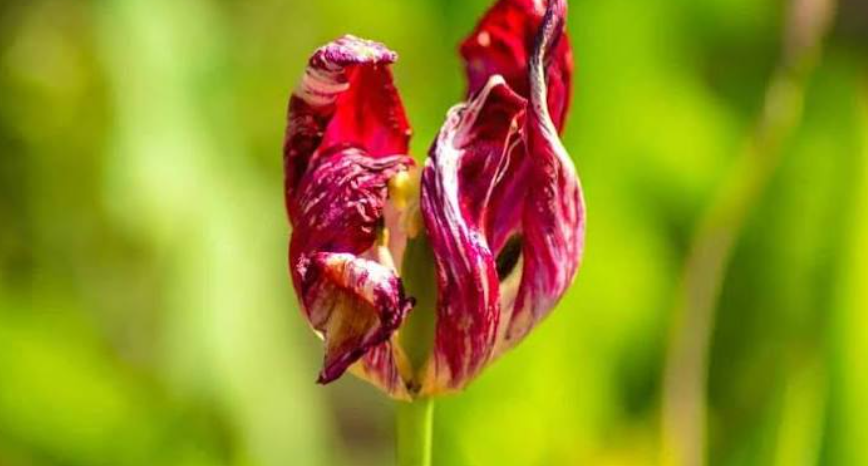
Tulip breaking virus is famous for producing unusual color patterns in tulip flowers.
Although some of these patterns were historically prized by gardeners, virus infection weakens plants and can affect their long-term performance.
Symptoms
Flowers may develop:
- Irregular streaks
- Feathered color patterns
- Broken-looking markings
- Unexpected changes in flower coloration
Infected plants may also become weaker over time.
How to Control It
There is no treatment that cures a virus-infected tulip.
Remove infected plants and bulbs.
Control aphids because some tulip viruses can be spread by sap-feeding insects.
Do not propagate infected bulbs.
Purchase virus-free planting material.
8. Aphids
Aphids are small sap-feeding insects that can attack tulips.
They tend to gather around young growth and other tender plant tissues.
Symptoms
Look for:
- Small clusters of insects
- Curled leaves
- Distorted growth
- Sticky honeydew
- Weak shoots
- Sooty mold
Aphids can also contribute to the spread of certain plant viruses.
How to Control Aphids
Inspect tulips regularly, particularly young growth.
Small populations can sometimes be removed with a strong stream of water.
Encourage natural predators such as ladybirds and lacewings.
Avoid unnecessary broad-spectrum insecticides that may destroy beneficial insects.
For significant infestations, use only products specifically labeled for ornamental plants and aphids, following the product directions.
9. Tulip Bulb Mites
Bulb mites are tiny pests that can damage bulbs and cause poor plant development.
Because they are extremely small, the first indication is often damage to the bulb rather than seeing the mites themselves.
Symptoms
Affected bulbs may show:
- Brown or damaged scales
- Poor emergence
- Weak shoots
- Stunted plants
- Reduced flowering
- Bulb deterioration
How to Control Bulb Mites
Inspect bulbs carefully before planting.
Avoid storing healthy bulbs with questionable material.
Keep storage areas clean.
Discard severely infested bulbs.
Avoid planting damaged bulbs.
10. Slugs and Snails
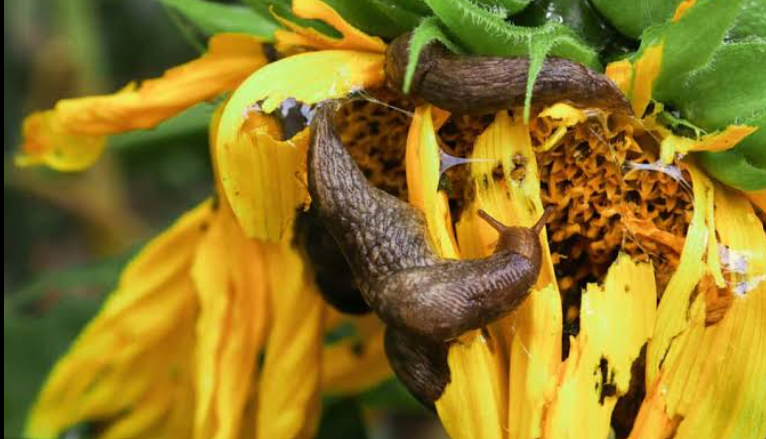
Slugs and snails can attack tulip foliage, especially when the weather is cool and wet.
They tend to be more active at night.
Symptoms
Look for:
- Irregular holes
- Ragged leaf edges
- Missing portions of leaves
- Shiny trails
- Damage that appears overnight
Young tulips can be particularly vulnerable.
How to Control Slugs and Snails
Remove hiding places such as excessive debris and dense weeds.
Check plants and surrounding soil during active periods.
Reduce unnecessary moisture around the planting area.
Hand removal can be effective in small gardens.
Where a bait is needed, use a product labeled for the intended garden setting and follow its instructions carefully.
11. Thrips
Thrips are tiny insects that feed on plant tissue.
They can damage leaves and flowers and may be difficult to notice because of their small size.
Symptoms
Affected tulips may develop:
- Silvery marks
- Brown flecks
- Distorted flowers
- Scarring
- Weak growth
How to Control Thrips
Inspect flowers and young leaves regularly.
Remove heavily damaged plant material where practical.
Encourage beneficial insects.
Keep weeds under control because they can provide alternative hosts.
Use a suitable labeled treatment only when monitoring shows that intervention is necessary.
12. Spider Mites
Spider mites can become problematic during hot and dry periods.
They feed by piercing plant cells and removing their contents.
Symptoms
Look for:
- Fine yellow speckling
- Bronze-colored leaves
- Dull foliage
- Leaf drop
- Fine webbing during severe infestations
How to Control Spider Mites
Keep plants adequately watered without creating waterlogged soil.
Inspect the undersides of leaves.
Encourage predatory mites and other beneficial organisms.
Avoid unnecessary insecticide applications that can eliminate natural enemies and allow mite populations to increase.
13. Slugs and Other Chewing Pests
Not every hole in a tulip leaf comes from a single type of insect.
Caterpillars and other chewing insects may occasionally feed on tulip foliage.
Symptoms
Damage may include:
- Irregular holes
- Missing leaf edges
- Chewed flower petals
- Ragged foliage
Control
Inspect leaves and flowers.
Remove larger insects manually when populations are small.
Keep surrounding weeds under control.
Encourage natural predators.
Identify the pest before choosing a treatment.
14. Gray Bulb Rot
Bulb rot can develop when infected tissue remains in the planting area or when bulbs are exposed to excessively wet conditions.
Symptoms
Bulbs may develop:
- Soft areas
- Brown discoloration
- Mold
- Shriveling
- Poor root development
Above-ground symptoms can include weak growth or complete failure to emerge.
Control
Use firm, healthy bulbs.
Provide excellent drainage.
Avoid excessive irrigation.
Remove affected bulbs promptly.
Do not store healthy bulbs with diseased bulbs.
15. Crown and Root Problems Caused by Poor Drainage
Not every declining tulip has an infectious disease.
Sometimes the real problem is simply that the soil remains wet for too long.
Tulip bulbs require moisture for growth but do not perform well when surrounded by constantly saturated soil.
Symptoms
You may notice:
- Yellowing
- Weak growth
- Poor flowering
- Root decay
- Bulb rot
- Plants failing to emerge
How to Prevent It
Plant tulips in well-drained soil.
Avoid low spots where water collects.
Improve heavy soil before planting.
Do not automatically water tulips simply because the foliage looks slightly wilted.
16. Frost Injury
Cold temperatures can damage emerging tulip foliage and flowers.
This is not a disease, but it can resemble one.
Symptoms
Frost-damaged tulips may develop:
- Limp leaves
- Brown leaf tips
- Discolored flowers
- Water-soaked-looking tissue
- Distorted growth
What to Do
Avoid unnecessary intervention.
Most established tulips can tolerate some cold exposure.
If severe frost is forecast, temporary protection may help emerging plants.
Remove badly damaged tissue only after the extent of injury is clear.
17. Nutrient Deficiencies
Nutritional problems can sometimes be mistaken for diseases.
For example, generalized yellowing may result from nutritional stress, poor roots, waterlogging, or natural aging.
Symptoms
Depending on the nutrient involved, tulips may show:
- Pale leaves
- Stunted growth
- Weak flowering
- Unusual leaf coloration
Management
Do not apply fertilizer simply because a leaf has turned yellow.
First check soil moisture, drainage, planting depth, root health, and the plant’s stage of growth.
A soil test can be more useful than guessing which nutrient is missing.
18. Tulip Mosaic and Other Viral Diseases
Several viruses can affect tulips.
Symptoms vary depending on the virus and cultivar.
Symptoms
Possible signs include:
- Mosaic patterns
- Streaked leaves
- Unusual flower markings
- Distorted foliage
- Reduced vigor
- Poor flowering
Control
Viral diseases cannot generally be cured once a plant is infected.
Remove infected plants.
Control sap-feeding insects such as aphids.
Avoid propagating questionable plants.
Purchase healthy bulbs from reliable sources.
19. Damping-Off in Young Tulips
Although tulips are generally planted as mature bulbs rather than grown from seed in home gardens, young seedlings can be affected by damping-off organisms.
Symptoms
Seedlings may:
- Fail to emerge
- Collapse
- Develop weak stems
- Rot near the soil surface
Prevention
Use clean containers and planting materials.
Avoid excessive watering.
Provide good drainage.
Give young plants adequate airflow.
20. Flower and Leaf Damage From Excessive Humidity
High humidity alone is not a disease, but it can create favorable conditions for several fungal problems.
When leaves and flowers remain wet for long periods, diseases can spread more readily.
What Helps
Space plants appropriately.
Avoid unnecessary overhead irrigation.
Water early enough for foliage to dry.
Remove dead flowers and leaves.
Keep the planting area clean.
How to Tell What Is Wrong With a Tulip
A useful way to diagnose tulip problems is to start with the location of the symptom.
Damage on Leaves
Consider:
- Tulip fire
- Aphids
- Thrips
- Slugs
- Spider mites
- Viral diseases
- Environmental stress
Damage on Flowers
Look for:
- Botrytis
- Thrips
- Viruses
- Frost injury
- Physical damage
Problems Below the Soil
Investigate:
- Bulb rot
- Fusarium
- Pythium
- Rhizoctonia
- Bulb mites
- Poor drainage
Plants Failing to Emerge
Check:
- Bulb health
- Bulb depth
- Rot
- Rodent or pest damage
- Soil moisture
- Planting conditions
This simple approach can narrow the possibilities before any treatment is attempted.
A Simple Tulip Pest and Disease Identification Guide
| What you notice | Possible cause |
|---|---|
| Brown spots covering leaves | Tulip fire or fungal disease |
| Gray fuzzy growth | Botrytis |
| Soft, rotting bulbs | Bulb rot |
| Poor emergence and damaged roots | Pythium or other root problems |
| Unusual streaks in flowers | Viral disease |
| Small insects clustered on shoots | Aphids |
| Silvery scars | Thrips |
| Fine yellow speckling | Spider mites |
| Irregular holes | Slugs, snails, or chewing insects |
| Damaged bulb scales | Bulb mites |
| Sudden brown foliage after cold | Frost injury |
| General yellowing in wet soil | Root problems |
| Weak growth in poorly drained soil | Excess moisture or root disease |
| Distorted, patterned flowers | Virus |
| Flowers with brown lesions | Botrytis or other fungal problems |
How to Prevent Tulip Pests and Diseases
Prevention is generally easier than trying to rescue a severely damaged bulb.
Begin With Healthy Bulbs
Choose firm bulbs without obvious mold, soft areas, severe discoloration, or physical damage.
Healthy planting material gives tulips a much better start.
Plant in Well-Drained Soil
Drainage is one of the most important factors in tulip health.
Bulbs sitting in waterlogged soil are more vulnerable to rot and other problems.
Avoid Excessive Irrigation
Tulips need moisture during active growth, but constantly saturated soil can be harmful.
Water according to actual soil conditions rather than following a rigid schedule.
Give Plants Enough Space
Good spacing improves airflow and allows foliage to dry more quickly.
This is particularly useful in reducing the conditions that favor fungal diseases.
Remove Diseased Plants
If a tulip clearly has a serious bulb or viral disease, removing it can be better than leaving it among healthy plants.
Dispose of infected material appropriately rather than using it as planting material.
Clean Up After Flowering
Remove diseased leaves and plant debris when appropriate.
Allow healthy foliage to complete its natural growth cycle before removing it because the leaves help replenish the bulb for future growth.
Rotate Problem Areas
If the same disease repeatedly affects tulips in one location, avoid immediately planting another crop of tulips there.
Rotation can help reduce some soilborne problems.
Inspect Bulbs Before Storage
If you lift tulip bulbs for storage, examine them carefully.
Separate questionable bulbs from healthy ones.
Keep storage areas dry and appropriately ventilated.
What to Do When Your Tulips Have Pests or Diseases
The first reaction to a damaged tulip is often to reach for a spray. A better approach is to diagnose first.
Start by asking:
Is the damage on the leaves, flowers, stem, or bulb?
Are insects actually present?
Is the soil too wet?
Did the problem appear after unusual weather?
Are neighboring plants affected?
Were the bulbs healthy when planted?
These questions can prevent unnecessary treatments.
For example, a tulip with brown foliage after a late frost requires a completely different response from a tulip with brown lesions covered in fungal growth. Likewise, a bulb that rots in waterlogged soil does not necessarily need an insecticide.
Use the least disruptive effective approach whenever possible. Remove individual pests manually, improve drainage, clean up infected plant material, adjust watering, and encourage beneficial organisms before resorting to more intensive measures.
When a pesticide or fungicide is genuinely necessary, use only a product registered for the intended ornamental use and follow the label directions carefully.
When Should You Remove a Tulip?
Removing a tulip is often appropriate when the plant or bulb is severely diseased.
Consider removing it when:
- The bulb is extensively rotten.
- A viral disease is strongly suspected.
- Fungal disease is spreading rapidly.
- The plant is severely stunted.
- The bulb is soft or badly damaged.
- Keeping it could expose healthy bulbs to infection.
Removing one badly affected bulb can sometimes protect an entire planting.
What You’ll Eventually Learn From Growing Tulips
Growing tulips eventually teaches you that the condition of the bulb matters just as much as what you see above the soil.
A beautiful flower in spring is the final result of what happened underground weeks or months earlier. If the bulb was healthy, planted in suitable soil, protected from excessive moisture, and allowed to develop a strong root system, the chances of producing healthy growth are much better.
You also learn that not every yellow leaf is a disease and not every brown spot requires a fungicide.
You begin paying attention to patterns.
If only one plant is affected while everything around it looks healthy, the cause may be localized. If an entire bed begins declining after prolonged wet weather, soil moisture and drainage deserve attention. If flowers develop unusual color patterns while the plant otherwise appears healthy, a virus may be more likely than an ordinary fungal disease.
Perhaps the most valuable lesson is that good tulip growing is largely about prevention.
Healthy bulbs, good drainage, careful watering, sensible spacing, clean planting areas, and regular inspection can prevent many problems from becoming serious. When you combine those habits with early identification, you no longer have to treat every damaged tulip as a crisis.
Instead, you learn to read the plant.
And that is eventually what makes managing tulips much easier: understanding that the leaves, flowers, bulb, soil, weather, and pests are all parts of the same story.