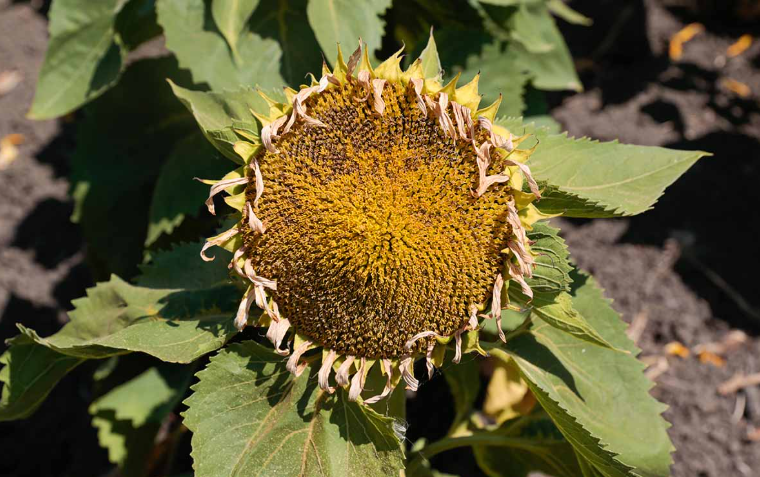
Sunflowers are among the most cheerful and recognizable plants grown in gardens, prized for their large, radiant blooms that track the sun across the sky and their towering presence in summer landscapes. Belonging to the genus Helianthus, sunflowers are native to North America and have been cultivated for thousands of years, both for their ornamental beauty and for their edible, nutrient-rich seeds. Modern gardeners grow everything from towering single-stem varieties that can reach well over ten feet tall to compact, branching types suited to smaller beds and containers, each offering a distinct look and purpose in the garden. Despite their reputation as hardy, easygoing plants, sunflower growers regularly encounter Common Sunflower Plant Problems, ranging from pest damage and fungal disease to structural issues like toppling stalks and poor seed development.
Sunflowers are generally grouped by their growth habit and intended use, including single-headed giant varieties grown for dramatic height and impressive blooms, branching varieties that produce multiple smaller flowers over an extended period, and dwarf or container varieties bred for compact gardens and patios. Some sunflowers are grown primarily for their ornamental value and cut-flower potential, while others, particularly oilseed and confectionery types, are cultivated specifically for their seeds, whether for human consumption, birdseed, or oil production. Understanding which type of sunflower is being grown helps set expectations for size, bloom time, and care requirements, since a towering single-stem giant has very different staking and spacing needs than a low, bushy branching variety.
Successful sunflower cultivation depends on a few key conditions: full sun, well-draining soil, and adequate space to accommodate root and stalk growth. Sunflowers need at least six to eight hours of direct sunlight daily to develop strong stems and full, healthy flower heads, and they generally prefer soil that is loose, fertile, and free of standing water. While sunflowers are known for being relatively drought-tolerant once established, consistent watering during germination and early growth is important for building a strong root system that can later support the plant’s substantial height and heavy flower heads. Taller varieties often benefit from staking or planting in locations sheltered from strong winds, since their impressive height can also make them prone to toppling, especially in loose or overly wet soil.
Even with generally favorable growing conditions, sunflowers face a range of challenges from insect pests, fungal and bacterial diseases, nutrient imbalances, and environmental stress that can affect their growth, bloom quality, and seed production. Because sunflowers grow quickly and often reach significant size within a single season, problems can escalate rapidly if not identified and addressed early, particularly during the vulnerable seedling and budding stages. Birds and other wildlife are also drawn to sunflower seed heads as they mature, which can pose an additional challenge for gardeners hoping to harvest seeds or simply enjoy a fully intact bloom. This guide covers twenty-eight of the most common issues sunflower growers encounter, describing the symptoms to watch for and the practical fixes that can help restore a struggling plant to full, vibrant health.
Common Sunflower Problems
1. Downy Mildew
Downy mildew causes yellow, blotchy patches on the upper surface of sunflower leaves, accompanied by a grayish or purplish fuzzy growth on the undersides, particularly in cool, damp weather. Severely affected plants may become stunted, with distorted leaves and reduced flowering. Removing and destroying infected plant material promptly helps limit the spread of the disease within the garden. Improving air circulation through proper spacing, avoiding overhead watering, and rotating planting locations each season further reduces the likelihood of downy mildew recurring.
2. Powdery Mildew
Powdery mildew appears as a white or gray powdery coating on sunflower leaves and stems, typically developing in warm weather with high humidity and poor air circulation. Affected leaves may curl, yellow, and drop prematurely, reducing the plant’s overall vigor and ability to support healthy flowering. Spacing plants adequately and pruning any overcrowded foliage helps improve airflow and reduce humidity around the plant. Applying a fungicide labeled for powdery mildew at the first sign of infection, along with watering at the soil level rather than overhead, helps bring the disease under control.
3. Rust
Sunflower rust presents as small, rust-colored to reddish-brown pustules on the undersides of leaves, with corresponding yellow spots visible on the upper surface. In severe cases, heavily infected leaves dry out, curl, and drop from the plant well before the growing season ends. Removing and disposing of infected leaves and plant debris reduces the amount of fungal spores available to spread further. Rotating sunflower plantings to new locations each year and applying a fungicide during the early stages of infection both help manage and prevent rust outbreaks.
4. Sclerotinia Stem Rot (White Mold)
Sclerotinia stem rot causes a soft, watery rot at the base of the stalk, often accompanied by a white, cottony fungal growth and small, hard black structures called sclerotia forming on or inside the stem. Infected plants typically wilt suddenly and may topple over as the stem tissue weakens and decays. Removing and destroying infected plants promptly, including the root system, helps prevent the fungus from persisting in the soil. Practicing crop rotation and avoiding overly dense plantings that trap moisture around the stem base are key preventive measures against this disease.
5. Sunflower Head Rot
Sunflower head rot causes the flower head to become soft, discolored, and mushy, often starting on the back of the head and spreading inward, particularly during periods of wet weather. Affected heads may droop prematurely and fail to develop viable seeds. Removing and disposing of severely affected flower heads prevents the rot from spreading spores to nearby healthy plants. Improving air circulation around the plants and avoiding overhead watering, especially as the flower heads mature, helps reduce the moisture that encourages head rot to develop.
6. Aphids
Aphids cluster on the undersides of sunflower leaves, stems, and flower buds, feeding on plant sap and often causing curled, distorted growth on young shoots. Large infestations can produce a sticky honeydew residue that attracts sooty mold and ants. A strong spray of water can dislodge and reduce aphid populations on lightly affected plants, while insecticidal soap offers a more targeted treatment for persistent infestations. Encouraging beneficial insects such as ladybugs and lacewings in the garden also helps keep aphid numbers naturally in check.
7. Sunflower Beetle
Sunflower beetles are yellowish beetles with black stripes that feed on the leaves, often skeletonizing foliage and leaving behind ragged holes, with larvae causing additional damage as they feed alongside adults. Heavy infestations can significantly reduce the plant’s ability to photosynthesize and support healthy flowering. Handpicking visible beetles and larvae from the plant and dropping them into soapy water helps reduce their numbers on lightly affected plants. For larger infestations, applying an insecticide labeled for sunflower beetles, along with removing plant debris where beetles may overwinter, helps bring the population under control.
8. Cutworms
Cutworms are the larvae of certain moth species that feed at the base of young sunflower seedlings, often severing the stem entirely at or near the soil line and causing the plant to topple over. Damage is typically most severe overnight, when cutworms are most active, and seedlings may be found lying on the ground the following morning. Placing a protective collar made of cardboard or plastic around the base of young seedlings creates a physical barrier against cutworm feeding. Tilling the soil before planting to expose and disrupt overwintering larvae, along with applying an appropriate insecticide if damage is severe, further helps control cutworm populations.
9. Sunflower Moth
Sunflower moth larvae feed directly on the developing flower head, tunneling into the seeds and often leaving behind webbing and frass, which can lead to significant seed loss and secondary fungal infections. Damage is often not visible until the flower head is closely inspected or the seeds are harvested and found to be hollow or damaged. Monitoring flower heads regularly during the bloom period helps catch an infestation before it causes extensive seed damage. Applying an insecticide labeled for sunflower moth at the appropriate stage of bloom, based on regional pest monitoring recommendations, provides the most effective control.
10. Stem Weevils
Stem weevils are small insects whose larvae tunnel inside sunflower stalks, feeding on internal tissue and weakening the stem’s structural integrity, which can cause the plant to break or topple, especially in windy conditions. Affected stalks may show small entry holes or a hollow, damaged interior when cut open. Removing and destroying severely infested stalks after harvest helps reduce the population of overwintering weevils in the garden. Rotating sunflower plantings to new areas each season and maintaining healthy, vigorous plants that are less susceptible to infestation both help manage stem weevil damage.
11. Birds
Birds, particularly finches and other seed-eating species, are drawn to maturing sunflower heads and can strip away large quantities of seeds before they are ready for harvest. While this is a natural and often welcome behavior for gardeners growing sunflowers to feed wildlife, it poses a challenge for those hoping to harvest seeds themselves. Covering flower heads with a lightweight mesh bag or cheesecloth once seeds begin to mature protects them from birds while still allowing airflow. Harvesting seed heads as soon as they reach maturity, rather than leaving them on the plant for an extended period, also reduces the window of opportunity for birds to feed.
12. Squirrels and Rodents
Squirrels and other rodents are attracted to sunflower seeds both before and after harvest, often climbing stalks or knocking over plants to access maturing flower heads. Signs of this damage include partially eaten seed heads, scattered seed hulls on the ground, and disturbed or toppled plants. Covering flower heads with mesh netting as they mature helps protect seeds from rodent access. Harvesting seed heads promptly once mature and storing them in a secure location further reduces losses from squirrels and other wildlife.
13. Downy Root Rot
Downy root rot, distinct from downy mildew, affects the root system of sunflowers, causing roots to become dark, mushy, and weakened, which in turn leads to wilting and stunted growth above ground despite adequate watering. This condition is often linked to poorly draining soil that stays consistently wet around the root zone. Improving soil drainage through amendment with organic matter or planting in raised beds helps prevent the waterlogged conditions that encourage root rot. Avoiding overwatering and allowing the soil to dry appropriately between waterings further supports healthy root development.
14. Charcoal Rot
Charcoal rot causes a grayish-black, charcoal-like discoloration at the base of the stem, often appearing during hot, dry conditions and leading to wilting and premature plant death. The disease tends to be most severe in sunflowers already stressed by drought or poor soil fertility. Maintaining consistent soil moisture during dry periods, particularly in hot climates, helps reduce the plant stress that makes charcoal rot more likely to take hold. Practicing crop rotation and avoiding sunflower cultivation in previously infected soil for several seasons also helps limit the disease’s recurrence.
15. Bacterial Leaf Spot
Bacterial leaf spot appears as small, angular, water-soaked lesions on sunflower leaves that eventually turn brown or black, sometimes surrounded by a yellow halo. In humid conditions, the spots can multiply rapidly and cause significant leaf drop. Removing and disposing of affected leaves helps limit the spread of the bacteria to healthy foliage. Watering at the soil level rather than overhead, along with avoiding working around wet plants, reduces the conditions that allow bacterial leaf spot to spread.
16. Verticillium Wilt
Verticillium wilt is a soil-borne fungal disease that causes yellowing and wilting of the lower leaves first, often progressing upward through the plant and eventually leading to stunted growth and reduced flowering. The disease can persist in the soil for years, making it particularly challenging to manage once established in a garden bed. Removing and destroying infected plants, rather than composting them, helps prevent the fungus from spreading to other areas. Practicing long-term crop rotation and choosing resistant sunflower varieties where available are the most effective strategies for managing verticillium wilt.
17. Poor Seed Set
Poor seed set occurs when sunflower heads mature with few or no viable seeds, often the result of inadequate pollination, extreme heat during flowering, or nutrient deficiencies during the seed development stage. This issue is particularly common in isolated plantings with limited access to pollinators. Planting sunflowers in groups rather than as isolated specimens improves pollination rates by attracting more bees and other pollinating insects. Ensuring adequate soil fertility and consistent watering during the flowering and seed development stages also supports fuller, healthier seed set.
18. Stalk Lodging
Stalk lodging refers to sunflowers toppling over or bending sharply at the base, often due to a combination of shallow root systems, top-heavy flower heads, and exposure to strong winds. This is particularly common in taller varieties or those grown in loose, sandy soil that provides less anchorage. Staking tall sunflower varieties, particularly in windy locations, provides additional support to prevent lodging. Planting in a location sheltered from prevailing winds and avoiding overwatering, which can loosen soil around the root zone, also helps reduce the risk of stalks toppling.
19. Leaf Curl
Leaf curl in sunflowers can result from a variety of causes, including heat stress, insufficient water, or feeding damage from sap-sucking insects such as aphids or spider mites. Distinguishing the underlying cause is important, since treatment differs depending on whether the issue is environmental or pest-related. Ensuring consistent watering during hot weather helps prevent heat- and drought-related leaf curl. Inspecting the plant closely for signs of insect activity, such as sticky residue or visible pests, allows for targeted treatment if pests are found to be the cause.
20. Spider Mites
Spider mites are tiny pests that cause stippled, yellowing leaves and fine webbing on the undersides of sunflower foliage, particularly during hot, dry conditions. Left untreated, heavy infestations can significantly weaken the plant and reduce its ability to support healthy flowering. Regularly hosing down the foliage, especially the undersides of leaves, helps disrupt mite populations before they become severe. Applying insecticidal soap or a miticide according to label instructions provides effective control for more established infestations.
21. Downy Growth on Seedlings (Damping Off)
Damping off affects young sunflower seedlings, causing the stem to become thin, water-soaked, and weak at the soil line, ultimately leading the seedling to collapse and die shortly after emergence. This fungal issue is most common in overly wet, poorly draining soil or when seeds are planted too deeply. Using well-draining soil and avoiding overwatering, particularly during germination, helps prevent the damp conditions that lead to damping off. Providing adequate spacing between seedlings and ensuring good air circulation around young plants further reduces the risk of this problem.
22. Nutrient Deficiency
Sunflowers experiencing nutrient deficiency often show pale or yellowing leaves, weak stems, and reduced flower size, with the specific pattern of symptoms varying depending on which nutrient is lacking. A shortage of nitrogen typically causes overall pale, yellowish foliage, while a lack of potassium may lead to browning along leaf edges and weaker stalks. Testing the soil before planting helps identify specific deficiencies so they can be addressed with targeted amendments. Applying a balanced fertilizer formulated for flowering plants, particularly during the early growth and budding stages, supports stronger overall plant health.
23. Sunburn and Heat Stress
Sunflowers, despite their name and sun-loving nature, can still suffer from heat stress and sunburn during extreme high temperatures, particularly when combined with insufficient soil moisture. Symptoms include scorched, crispy leaf edges, wilting during the hottest part of the day, and reduced flower head size. Maintaining consistent watering during heat waves helps the plant better withstand periods of intense sun and high temperatures. Mulching around the base of the plant to retain soil moisture and regulate root zone temperature also helps reduce heat-related stress.
24. Root-Knot Nematodes
Root-knot nematodes are microscopic soil-dwelling pests that infect sunflower roots, causing characteristic swollen galls to form and interfering with the plant’s ability to absorb water and nutrients. Above-ground symptoms include stunted growth, yellowing leaves, and wilting even when soil moisture appears adequate. Rotating sunflower plantings with non-host crops helps reduce nematode populations in the soil over time. Improving overall soil health through the addition of organic matter and avoiding planting in previously infested soil are important long-term management strategies.
25. Herbicide Damage
Herbicide damage in sunflowers can occur from drift or improper application, causing symptoms such as twisted, cupped, or distorted leaves, discoloration, and stunted growth that may resemble disease or nutrient deficiency at first glance. This damage is particularly common in gardens located near agricultural fields or areas where herbicides are applied nearby. Avoiding herbicide application on windy days and maintaining a buffer zone around sensitive plantings helps prevent accidental drift damage. If damage does occur, providing extra water and avoiding additional stress on the plant gives it the best chance to recover, though severely affected plants may not fully rebound.
26. Poor Germination
Poor germination in sunflower seeds can result from planting too early in cold soil, inconsistent moisture, poor seed quality, or seeds being planted too deeply for their size. Gardeners often notice patchy, uneven emergence or a complete lack of sprouting in some areas of the planting. Waiting until soil temperatures have warmed sufficiently in spring before planting improves germination rates considerably. Planting seeds at the correct depth, generally about one to one and a half inches, and maintaining consistent soil moisture until seedlings emerge further supports successful germination.
27. Stem Canker
Stem canker causes sunken, discolored lesions to develop on the sunflower stalk, often at the base, which can girdle the stem and lead to wilting or breakage above the affected area. This disease is frequently associated with wounds caused by insect feeding, mechanical damage, or excessive moisture at the base of the plant. Avoiding unnecessary damage to stems during cultivation and maintaining good drainage around the base of the plant help reduce the risk of canker developing. Removing and destroying severely affected plants prevents the disease from spreading to healthy sunflowers nearby.
28. Delayed or Uneven Flowering
Delayed or uneven flowering occurs when sunflowers take longer than expected to bloom or produce flower heads of inconsistent size and timing within the same planting, often linked to inconsistent watering, nutrient imbalances, or significant temperature fluctuations during the growing season. This issue can be particularly frustrating for gardeners planning for a specific bloom time or uniform display. Ensuring consistent watering and fertilization throughout the growing season helps promote more even growth and flowering across a planting. Choosing a single variety with a known, consistent bloom time, rather than mixing varieties with different maturity rates, also helps achieve a more uniform flowering display.