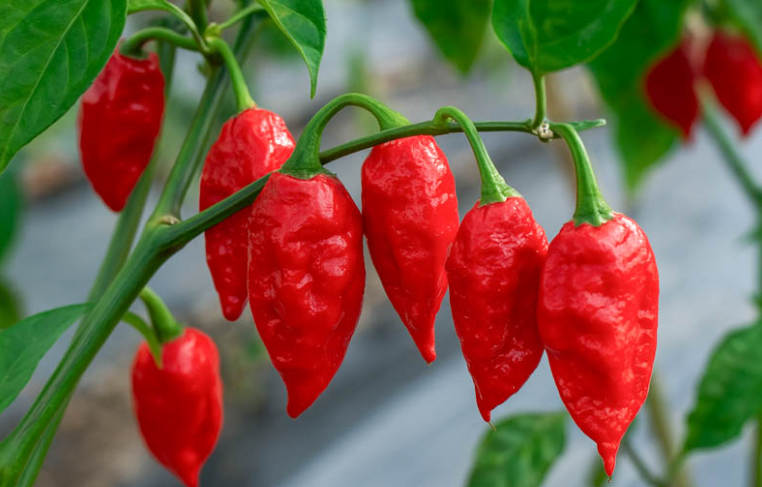
Peppers are among the most economically and culinarily significant vegetables and spice crops in the world, cultivated across every inhabited continent and forming an essential flavor component of cuisines as geographically diverse as Hungarian, Indian, Mexican, Korean, Thai, and Moroccan. All cultivated peppers belong to the genus Capsicum within the nightshade family, encompassing five domesticated species and thousands of named varieties that span the complete spectrum from the sweetest, mildest bell pepper to the most ferociously hot superhot varieties that push the limits of human heat tolerance. Global pepper production exceeds 36 million metric tons annually across sweet and hot types combined, with China, Mexico, Turkey, Indonesia, and Spain consistently ranking among the largest producers of fresh peppers, while India dominates the global dried chili and spice pepper trade.
The heat of chili peppers is measured on the Scoville Heat Unit scale, developed by American pharmacist Wilbur Scoville in 1912, which ranges from zero units for completely heat-free sweet peppers to over 2.2 million units for the Carolina Reaper — the current Guinness World Record holder as the world’s hottest pepper. The compound responsible for chili heat is capsaicin, concentrated primarily in the white placental tissue and seeds rather than the outer flesh of the fruit, and this compound has been extensively studied for pain relief, cardiovascular, metabolic, and anticancer health benefits. Sweet peppers are exceptionally nutritious, with a single red bell pepper providing over 150 percent of the recommended daily vitamin C intake alongside meaningful amounts of vitamin A, vitamin B6, folate, and potassium.
Peppers were domesticated independently in multiple locations across the Americas at least 6,000 years ago, with different species domesticated in Mexico and Central America, the Amazon Basin, the Andes, and the Caribbean, before being introduced to Europe by Spanish and Portuguese explorers following Columbus’s first voyage in 1492. From Europe they spread with extraordinary speed across Africa, Asia, and the Middle East, transforming cuisines that had never encountered them before within decades of introduction — a rate of culinary adoption that was faster than virtually any other food plant in history. The United States consumes approximately 4 billion pounds of fresh and processed peppers annually, and the global hot sauce market was valued at over 3 billion dollars in 2022 and continues to grow at approximately 6 percent per year.
Peppers are consumed in an extraordinary diversity of forms across world cuisines — eaten raw in salads and as crudités, roasted, grilled, stuffed, fried, dried, smoked, pickled, fermented, and ground into the spice powders and chili pastes that form the flavor backbone of many of the world’s great culinary traditions. Sweet pepper varieties are grown primarily as fresh vegetables while hot chili varieties serve as both fresh vegetables and the raw material for a global spice and condiment industry that includes dried chilies, chili powders, hot sauces, chili oils, and fermented chili pastes of enormous cultural and commercial significance. The extraordinary diversity of pepper varieties available globally — encompassing every conceivable combination of heat level, flavor, color, size, shape, and culinary application — makes Capsicum one of the most varied, culturally resonant, and agriculturally important plant genera in human history.
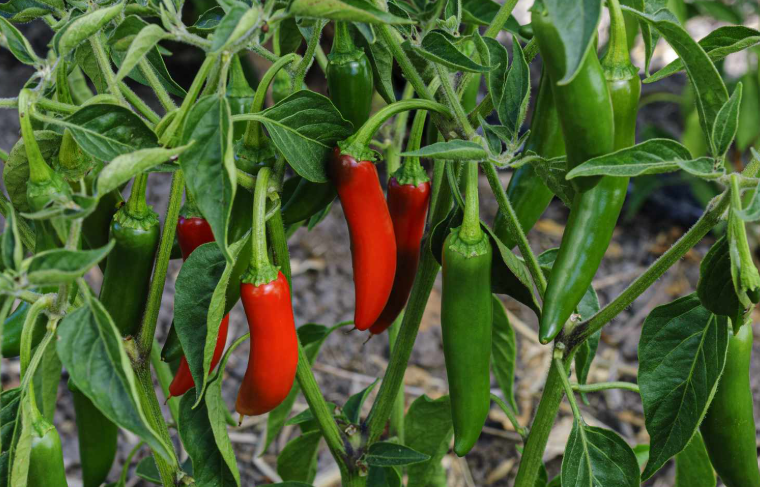
Also Read: Hottest Peppers In the World
Types of Peppers
1. Bell Pepper
Bell Pepper is the most widely consumed pepper in the world and the dominant sweet pepper of global fresh vegetable markets, producing large, blocky, four-lobed, completely heat-free fruits in green, red, yellow, orange, and purple that are the universal sweet pepper of supermarkets, food service, and home kitchens across North America, Europe, and increasingly across Asia.
Individual fruits typically weigh 4 to 8 ounces and measure 3 to 4 inches across, and red bell peppers — which are simply fully ripened green bell peppers — contain nearly three times the vitamin C and eleven times the beta-carotene of their unripe green counterparts. The United States produces over 2 billion pounds of bell peppers annually, with California and Florida accounting for the majority of domestic commercial production.
2. Jalapeño
Jalapeño is the most widely grown and consumed chili pepper in the United States and one of the most commercially important chili varieties globally, producing smooth, thick-walled, cylindrical green to red fruits 2 to 3.5 inches long with a moderate, clean, fresh heat of 2,500 to 8,000 Scoville units that is the definitive chili flavor of Mexican and Tex-Mex cuisine.
It is consumed fresh, pickled in vinegar, smoked and dried as chipotle, and processed into the hot sauce, salsa, and nacho topping products that make it the most commercially important chili variety in North American food manufacturing. The United States grows approximately 150,000 acres of jalapeños annually, primarily in New Mexico, Texas, and California.
3. Habanero
Habanero is one of the most famous and globally recognized superhot chili varieties, producing small, lantern-shaped, wrinkled, brilliantly colored fruits in orange, red, yellow, and chocolate tones with a fierce heat of 100,000 to 350,000 Scoville units alongside a distinctive, fruity, floral, tropical flavor underlying the intense heat that makes it culinarily more interesting than many hotter but less complex superhot varieties.
It is native to the Amazon Basin and is the traditional chili of Yucatecan Mexican cuisine and throughout the Caribbean where it is used in traditional jerk seasonings and hot sauces. Orange habanero is the most widely available form in North American and European retail markets.
4. Cayenne
Cayenne is one of the most important chili varieties in global spice production, producing long, slender, tapering, wrinkled red fruits 4 to 6 inches in length with a moderate to high heat of 30,000 to 50,000 Scoville units that defines the standard heat reference point of commercial chili powder and cayenne pepper spice products sold worldwide.
It is dried and ground into cayenne pepper powder — one of the most universally used spices in global kitchens — and is also used extensively in topical pain relief preparations where the capsaicin it contains is medically recognized as an effective analgesic for arthritis and neuropathic pain. It is widely grown in India, China, Mexico, and the United States.
5. Serrano
Serrano is a widely grown Mexican chili producing small, slender, smooth, cylindrical fruits 1 to 4 inches long with a clean, bright, sharp heat of 10,000 to 23,000 Scoville units and a fresh, vegetal, green pepper flavor that is considerably hotter than jalapeño but with a similar fresh character that makes it one of the most commonly used fresh chilies in traditional Mexican cooking.
It is the essential fresh chili of traditional Mexican salsas and guacamole and is used interchangeably with jalapeño in many applications but at smaller quantities due to its significantly higher heat output. It is among the most widely grown chili varieties in Mexico and the American Southwest.
6. Poblano
Poblano is the most widely used fresh chili in Mexican cuisine, producing large, heart-shaped, dark green to near-black, thick-walled fruits 4 to 5 inches long with a mild to moderate heat of 1,000 to 2,000 Scoville units and a rich, earthy, complex, distinctively Mexican flavor.
It is the traditional pepper for chiles rellenos — stuffed and battered fried chilies — and chiles en nogada, two of the most important dishes in Mexican culinary heritage, and when dried becomes the ancho chili, one of the most essential dried chili varieties in Mexican mole and sauce production. The combination of large size, manageable heat, and complex flavor makes it one of the most versatile and important fresh chili varieties in the world.
7. Banana Pepper
Banana Pepper produces long, smooth, pale yellow to golden-orange to red, curved fruits 4 to 6 inches long that resemble a banana in shape and color, with a very mild, sweet, slightly tangy flavor and little to no heat at 0 to 500 Scoville units.
It is one of the most popular fresh and pickling peppers in North American home gardens and commercial production, widely used in sandwiches, pizzas, antipasto platters, and pickled pepper products where its mild, tangy flavor and attractive appearance are valued. Both sweet and mildly hot forms are available, with the sweet form being the most widely sold in mainstream retail.
8. Anaheim
Anaheim is one of the most important and widely grown mild chili varieties in the United States, producing long, smooth, tapered, bright green fruits 6 to 10 inches in length with a mild heat of 500 to 2,500 Scoville units and a clean, sweet, slightly earthy flavor that is fundamental to Californian and New Mexican cuisine.
It is the primary pepper used in commercially canned green chiles — the most widely sold processed chili product in the United States — and in New Mexico, where a closely related strain called New Mexico chile or Hatch chile is grown at significant commercial scale, it forms the foundation of the state’s distinctive green and red chile cuisine. Roasted Anaheim peppers are a staple of Southwestern American cooking.
9. Thai Chili (Bird’s Eye)
Thai Chili produces tiny, slender, pointed fruits only 1 to 2 inches long with an extremely high heat of 50,000 to 100,000 Scoville units and a sharp, clean, intensely hot character that is the defining heat source of Thai, Vietnamese, Indonesian, and broader Southeast Asian cuisine.
The small size belies the extraordinary heat intensity — a single fruit can deliver significant heat to an entire pot of curry or stir-fry — and the tolerance for this level of heat among populations who use it daily is a fascinating example of cultural adaptation to capsaicin exposure. It is one of the most widely grown chili varieties across tropical Asia.
10. Scotch Bonnet
Scotch Bonnet is the iconic Caribbean chili producing small, squat, flattened, bonnet-shaped fruits with heat ranging from 100,000 to 350,000 Scoville units alongside a distinctive, fruity, sweet, tropical flavor character that is as celebrated as the intense heat itself and makes it one of the most flavor-complex superhot varieties available.
It is the essential chili of Jamaican jerk seasoning and traditional Caribbean hot sauces and is the national chili of Jamaica, where it appears in virtually every aspect of traditional cooking. It is closely related to the habanero and shares similar fruity, floral flavor characteristics alongside comparable heat levels.
11. Ghost Pepper (Bhut Jolokia)
The Ghost Pepper held the Guinness World Record as the world’s hottest chili from 2007 to 2011, producing small, wrinkled, elongated red to orange fruits with an extraordinary heat of 855,000 to over 1,000,000 Scoville units that genuinely represents a qualitative jump in intensity beyond most chilies available before its discovery by the outside world.
Native to northeastern India where it has been used in traditional cooking and as a wildlife deterrent for centuries, it sparked the modern global superhot chili culture that has since produced increasingly extreme varieties and established a worldwide community of heat enthusiasts. The Indian Defence Research Laboratory investigated its use as a non-lethal crowd control agent.
Also Read: Types of Red Peppers
12. Carolina Reaper
The Carolina Reaper is the current Guinness World Record holder for the world’s hottest chili, developed by Ed Curlin of PuckerButt Pepper Company in South Carolina and certified in 2013 with an average heat of 1,641,183 Scoville units and individual fruits occasionally testing above 2,200,000 units — a heat level that causes immediate, intense physiological reactions in virtually all humans who consume it.
It produces small, deeply wrinkled, scorpion-tailed red fruits with a deceptively sweet, fruity flavor that gives way almost immediately to incomprehensible heat, and it is grown primarily by extreme heat enthusiasts, competitive chili eaters, and superhot sauce producers for whom maximum heat rather than culinary balance is the primary objective.
13. Poblano Ancho (Dried)
The Ancho is the dried form of the fresh poblano chili and one of the most important dried chili varieties in Mexican cuisine, producing large, flat, wrinkled, dark brownish-red dried fruits with a mild heat of 1,000 to 2,000 Scoville units and a rich, earthy, sweet, complex flavor with notes of chocolate, coffee, and dried fruit that gives it one of the deepest and most complex flavor profiles of any dried chili.
It is one of the three essential chilies in traditional Mexican mole negro — alongside guajillo and mulato — and is irreplaceable in red chile sauces, enchilada sauce, and traditional Mexican meat braises. It is widely available in Latin American markets and mainstream supermarkets globally.
14. Chipotle
Chipotle is not a distinct pepper variety but a smoke-dried jalapeño preparation that has become one of the most important and commercially successful chili flavors in North American cuisine, transforming the clean, moderate heat of fresh jalapeño into a deep, complex, smoky, sweet, earthy flavor of extraordinary versatility and richness through the smoking and drying process.
Chipotle peppers are sold dried whole, canned in adobo sauce, and ground into powder, and the chipotle flavor has penetrated virtually every category of American food manufacturing — appearing in sauces, marinades, snacks, fast food menus, and restaurant offerings across the continent. The Chipotle Mexican Grill restaurant chain, named for this pepper preparation, operates over 3,000 locations.
15. Shishito
Shishito is a thin-walled, wrinkled, small Japanese chili producing slender, bright green fruits 2 to 4 inches long that are almost entirely mild and sweet at 50 to 200 Scoville units, with the famous characteristic that approximately one in ten fruits is randomly significantly hotter than the rest — a quality that adds playful unpredictability to any serving.
It has become enormously popular in North American and European restaurant culture over the past decade, primarily blistered in a hot pan with oil and served whole with sea salt as a casual starter. The interactive, roulette-like heat surprise has added a social and entertaining dimension to its considerable appeal as a simple, delicious snack.
16. Padron
Padron is a small, thin-walled Spanish chili from the Padrón municipality of Galicia in northwestern Spain, producing slender, bright green fruits 1 to 2 inches long with a mostly mild character similar to shishito peppers but with occasional hot individuals, traditionally blistered in olive oil and served with coarse sea salt as pimientos de Padrón — one of the most popular and widely loved tapas dishes in Spanish cuisine.
The mild-with-occasional-heat-surprise character creates the same playful, social dining experience as shishito peppers and has made Padrón peppers increasingly popular beyond Spain in tapas bars and casual restaurants worldwide. They are grown in Galicia using traditional methods.
17. Cubanelle
Cubanelle, also called Italian Frying Pepper, is a long, tapered, thin-walled, very sweet, mild pepper producing pale yellow-green to red fruits 4 to 6 inches long with 0 to 1,000 Scoville units and a sweet, fruity, delicate flavor that is the classic Italian-American frying and sautéing pepper used in countless Italian, Cuban, and Latin American preparations.
The thin walls cook quickly and evenly in olive oil, developing a sweet, caramelized, complex cooked flavor significantly more interesting than the raw fruit, and it is the essential pepper for the classic Italian American fried pepper and sausage dish. It is widely grown across the United States, Cuba, and the Dominican Republic.
18. Fresno
Fresno is a California-origin chili producing smooth, conical, bright red or green fruits 2 to 3 inches long that closely resemble jalapeño in appearance but with thinner walls, a brighter, fruitier, more complex flavor, and a slightly variable heat of 2,500 to 10,000 Scoville units that can approach jalapeño in the milder specimens or significantly exceed it in the hotter ones.
It has become increasingly important in North American fresh market retail and restaurant cooking over the past decade, used in fresh salsas, pickled preparations, and as a garnish and heat element in contemporary cooking where its attractive red color and distinctive bright flavor distinguish it from jalapeño. It is widely grown in California.
Also Read: Types of Green Peppers
19. Hungarian Wax
Hungarian Wax is a large, smooth, waxy-skinned pepper producing pale yellow to golden-orange to red fruits 4 to 6 inches long with a heat range of 5,000 to 10,000 Scoville units in its hot form and virtually no heat in the sweet form, making it one of the few pepper varieties with widely varying heat intensity between different strains sold under the same name.
It is one of the most important fresh and pickling pepper varieties in Central and Eastern European cuisine, widely grown in Hungary, Poland, and neighboring countries for pickling in vinegar and eating fresh, and is closely related to the banana pepper with which it is frequently confused in North American markets.
20. Pepperoncini
Pepperoncini is a small, thin-walled, wrinkled, mild chili widely consumed pickled across Italian and Greek cuisine, producing slender, tapered, pale green to red fruits 2 to 5 inches long with a mild heat of 100 to 500 Scoville units and a distinctive, tangy, slightly bitter flavor that is uniquely its own and unlike any other commonly available pickled pepper.
It is most familiar in North America as the small, pale green pickled pepper served alongside sandwiches at Italian-American sub shops and as a garnish in Greek salads, and it is one of the most widely consumed pickled pepper products in the world by sheer volume of the commercial pickling industry that processes it.
21. New Mexico / Hatch Chile
Hatch chile is a strain of Anaheim-type chili grown specifically in the Hatch Valley of southern New Mexico, where the unique combination of high altitude, intense sunshine, warm days, cool nights, and the specific mineral composition of the Rio Grande valley soil produces peppers of distinctive, complex, earthy, slightly sweet flavor considered by devotees to be categorically superior to Anaheim chilies grown elsewhere.
The annual Hatch chile harvest in late August and September has become a significant cultural event, with roasting stands appearing across New Mexico and even in major cities across the United States where loyal fans purchase freshly roasted green chiles in large quantities for freezing. It carries enormous regional and cultural significance in New Mexico.
22. Rocoto
Rocoto is a distinctive South American chili species native to the Andes of Peru and Bolivia, producing round to apple-shaped fruits with thick, juicy flesh, distinctive black seeds, and an intense heat of 30,000 to 100,000 Scoville units alongside a fruity, slightly floral flavor character quite different from Mexican and Caribbean superhot varieties.
It is unique in preferring cool temperatures — thriving in the cool Andean highlands above 5,000 feet where most other chili species fail — and is a true perennial plant capable of surviving for many years in appropriate cool climates. It is the primary chili of traditional Peruvian ají sauces and Bolivian cooking.
23. Ají Amarillo
Ají Amarillo is the most important and celebrated chili pepper in Peruvian cuisine, widely considered the backbone flavor of traditional Peruvian cooking, producing elongated, orange-yellow to bright orange fruits 4 to 5 inches long with a moderately high heat of 30,000 to 50,000 Scoville units and a distinctive, fruity, raisin-like, tropical flavor of extraordinary complexity considered among the most interesting and unique of any chili variety in the world.
It is used fresh, dried, and in paste form in fundamental Peruvian dishes including ceviche, causa, and papas a la huancaína and is one of the three sacred chilies of Peruvian cuisine alongside ají panca and rocoto. Outside Peru it is increasingly available from Latin American specialty food retailers.
24. Guajillo
Guajillo is one of the most widely used dried chili varieties in Mexican cuisine, produced from the dried mirasol chili and one of the essential dried chilies forming the basis of traditional mole negro, red enchilada sauce, and countless other Mexican preparations.
It produces long, smooth, tapered, deep burgundy-red dried fruits 4 to 6 inches long with a mild to moderate heat of 2,500 to 5,000 Scoville units and a distinctive, sweet, fruity, slightly tangy flavor with notes of cranberry and pine that gives it one of the most pleasant and versatile flavor profiles of any dried Mexican chili. It is one of the most commercially important chili varieties in the Mexican spice trade.
Also Read: Types of Yellow Peppers
25. Pasilla
Pasilla is the dried form of the chilaca chili and one of Mexico’s most important dried chili varieties, producing long, narrow, very dark brown to near-black dried fruits 5 to 7 inches long with a mild to moderate heat of 1,000 to 2,500 Scoville units and a rich, complex, earthy, slightly sweet flavor with notes of dried berry, chocolate, and dried herbs.
The name means little raisin in Spanish, referring to the dark, wrinkled, shriveled appearance of the dried fruit, and it is an essential component of traditional Oaxacan mole negro and mole coloradito. It is found in Mexican markets worldwide and is an indispensable component of the authentic Mexican spice pantry.
26. Cascabel
Cascabel is a Mexican chili variety primarily known and used in its dried form, producing small, round, spherical dark reddish-brown dried fruits about 1 to 1.5 inches in diameter with a moderate heat of 1,500 to 2,500 Scoville units and a rich, nutty, smoky, earthy, complex flavor with hints of tobacco and woodsmoke.
The name means rattle in Spanish, referring to the distinctive rattling sound the loose dried seeds make inside the dried fruit when shaken, giving it one of the most evocative and memorable common names of any Mexican chili variety. It is used in traditional Mexican red sauces and table salsas.
27. De Arbol
De Arbol is a slender, intensely hot Mexican chili producing long, narrow, smooth, bright red fruits 2 to 3 inches long with a high heat of 15,000 to 30,000 Scoville units and a sharp, grassy, bright, slightly nutty, slightly smoky character that makes it an essential ingredient in traditional Mexican table salsas and hot sauces, particularly the vivid red salsa roja of Guadalajaran cooking.
The name means tree chili in Spanish, referring to the woody, tree-like rigidity of the plant’s stems that remain firm and upright rather than wilting as in most other chili species, and it is one of the most widely available dried Mexican chili varieties in both Latin American markets and mainstream supermarkets.
28. Espelette Pepper
Espelette Pepper is a mildly hot French chili from the Basque village of Espelette in the French Pyrenees, producing medium-sized, elongated, bright red fruits with a mild heat of 1,500 to 2,500 Scoville units and a complex, slightly smoky, fruity, subtly sweet flavor that has made it one of the most prestigious and legally protected chili varieties in Europe.
It holds Appellation d’Origine Contrôlée status under French law and is widely used in traditional Basque cuisine as a universal seasoning that has historically replaced black pepper in traditional recipes. Ground dried Espelette pepper is sold as a premium spice in specialty food shops across Europe, North America, and internationally.
29. Piquillo Pepper
Piquillo is a traditional Spanish sweet pepper from the Navarra region of northern Spain, producing small, triangular, brilliant red fruits with sweet, thick, very juicy flesh of zero heat and a distinctive, slightly smoky, complex, rich sweet flavor developed during the traditional wood-fire roasting and peeling process used to prepare them commercially.
The piquillo holds Protected Designation of Origin status under European law and is one of the most prestigious preserved vegetable products in Spanish gastronomy, widely used stuffed with bacalao, prawns, or cheese in traditional tapas preparations and as a garnish and accompaniment in Basque and Navarran cuisine. They are primarily available jarred in their own juices from Spanish specialty food suppliers.
30. Jimmy Nardello
Jimmy Nardello is a beloved Italian heirloom frying pepper brought to the United States by the Nardello family from Basilicata, southern Italy in 1887 and preserved for over a century before being distributed through the Seed Savers Exchange to become one of the most celebrated heirloom sweet pepper varieties in North America.
It produces long, thin, wrinkled, very sweet, bright red fruits 8 to 12 inches long with zero heat and an extraordinary, concentrated, caramelized, complex sweet flavor when fried in olive oil that is widely considered by food writers, chefs, and gardeners to be the finest sweet frying pepper in existence for sheer eating pleasure. It is a treasured heirloom variety available from specialty seed suppliers.
31. Calabrian Chili
Calabrian Chili is a family of small, round to elongated, very hot Italian chili varieties from Calabria in southern Italy, producing bright red to deep red fruits with a high heat of 25,000 to 40,000 Scoville units and a distinctive, fruity, slightly smoky, deeply savory, complex flavor that makes it one of the most interesting and widely appreciated of all Italian chili varieties.
It has become enormously fashionable in North American restaurant culture over the past decade, where preserved Calabrian chili in olive oil has become a premium condiment and pizza topping, and crushed Calabrian chili paste has entered the pantries of serious home cooks seeking an alternative to generic red pepper flakes with genuine depth of flavor.
32. Lemon Drop Pepper
Lemon Drop Pepper is a South American chili producing small, smooth, bright, vivid lemon-yellow fruits 2 to 3 inches long with a moderately high heat of 15,000 to 30,000 Scoville units and a strikingly distinctive, bright, genuine citrusy, lemon-like flavor that is as refreshing and fruit-forward as the vivid yellow color and evocative name suggest.
Native to Peru where it is used in traditional fresh salsas and ceviche preparations, it is increasingly grown by North American and European chili enthusiasts who appreciate the unusual and genuinely citrusy flavor alongside the attractive, vivid yellow fruit color. The genuine citrus-chili combination in a single ingredient makes it particularly versatile in cooking.
Also Read: Types of Habanero Peppers
33. Pimento
Pimento is a large, heart-shaped, very sweet, thick-walled capsicum producing deep red, smooth, very aromatic fruits 3 to 4 inches long with zero heat and an exceptionally rich, sweet, fruity flavor that is sweeter and more complex than a standard bell pepper and considered by many tasters to be the finest-flavored sweet pepper variety in existence for raw eating.
It is the traditional pepper used in the production of Spanish pimentón paprika — the smoked and unsmoked red paprika essential in Spanish, Portuguese, and Hungarian cooking — and in North America is most familiar as the red stuffing inside green cocktail olives and as the base ingredient of traditional pimento cheese spread, a beloved Southern American condiment.
34. Ají Panca
Ají Panca is an important Peruvian chili used primarily in its dried form, producing elongated, dark burgundy-red to near-black dried fruits with a mild heat of 1,000 to 1,500 Scoville units and a distinctive, deep, smoky, fruity, slightly berry-like, complex flavor that is one of the most characteristically Peruvian of all chili flavors alongside the brighter ají amarillo.
It is the second most important chili in Peruvian cuisine after ají amarillo and is used in marinades, braises, and spice pastes for traditional Peruvian meat dishes including anticuchos — skewered beef heart — and seco de carne beef stew. It is increasingly available from Latin American specialty food suppliers outside Peru.
35. Scorpion Pepper (Trinidad Moruga)
The Trinidad Moruga Scorpion held the Guinness World Record as the world’s hottest chili from 2012 to 2013, producing small, deeply wrinkled, blistered, scorpion-tailed fruits with a heat of 1,200,000 to 2,000,000 Scoville units and a fruity, aromatic character underlying the extreme heat that is characteristic of Caribbean superhot varieties.
Native to the Moruga district of Trinidad where it grows wild and has been used in local cooking for generations, it is the forerunner of the Carolina Reaper — which may have Trinidad Moruga Scorpion genetics — and remains one of the most widely grown and commercially used superhot varieties for extreme hot sauce production globally.
36. 7 Pot Primo
The 7 Pot Primo is an extreme superhot chili variety developed by Louisiana horticulturalist Troy Primeaux, producing small, deeply wrinkled, elongated, tail-bearing red fruits with heat exceeding 1,000,000 Scoville units and a fruity, complex character beneath the extreme heat that makes it more culinarily interesting than varieties that deliver only heat without flavor nuance.
The name 7 Pot refers to the Caribbean tradition of naming exceptionally hot peppers for their ability to heat seven pots of food from a single fruit — a hyperbolic but evocative measure of heat intensity widely used in Caribbean chili naming conventions. It is grown by superhot chili enthusiasts and extreme hot sauce producers.
37. Chocolate Habanero
Chocolate Habanero, also called Congo Black, is a distinctive habanero variant producing small, lantern-shaped fruits that ripen to a deep, rich, chocolate-brown to dark mahogany color rather than the standard orange or red of typical habaneros, with a heat of 300,000 to 425,000 Scoville units — somewhat higher than standard orange habanero — and a distinctively rich, dark, earthy, smoky-sweet flavor character quite different from the brighter, more citrusy notes of orange habanero.
It is native to the Caribbean and is used in traditional Caribbean cooking where its darker, more complex flavor suits slow-cooked preparations and dark marinades particularly well.
38. Red Savina Habanero
Red Savina was a specially selected habanero cultivar developed by Frank Garcia of GNS Spices in California that held the Guinness World Record as the world’s hottest chili from 1994 to 2006, producing somewhat larger, deeper red habanero fruits with heat measuring 350,000 to 577,000 Scoville units — significantly hotter than standard orange habanero.
Its period of dominance as the world’s hottest known chili coincided with the beginning of the modern superhot chili breeding movement and the competitive culture of extreme heat cultivation that has since produced successively hotter varieties. Red Savina remains commercially available and is used in premium habanero hot sauces where higher heat than standard habanero is desired.
39. Peperoncino
Peperoncino is the generic Italian name for the family of small, slender, very hot Italian chili varieties central to the cuisines of Calabria, Basilicata, and Sicily, producing thin, elongated, deep red fruits 1 to 3 inches long with a high heat of 15,000 to 40,000 Scoville units and a clean, direct, penetrating heat used to season the broad range of Italian pasta sauces, preserved meats, olive oil preparations, and pizza toppings that define southern Italian cooking.
Dried whole and crushed as peperoncino flakes, they are the most universally used chili seasoning in Italian cooking and the standard heat element in pasta all’arrabbiata, spaghetti aglio e olio, and ‘nduja — the spreadable spiced Calabrian salami that has become internationally fashionable.
40. Mulato
Mulato is a dried Mexican chili closely related to the ancho and poblano, producing large, flat, very dark brown to near-black dried fruits with a mild heat of 2,500 to 3,000 Scoville units and a rich, earthy, sweet flavor with distinctive notes of chocolate, licorice, and dried cherry that is deeper and more complex than the ancho and considered by Mexican culinary authorities to be essential — not optional — in producing an authentic mole negro of the highest quality.
It is one of the three essential dried chilies in traditional Mexican mole negro and is produced primarily in the state of Puebla, where the mole negro tradition is most deeply rooted in Mexican culinary heritage.
Also Read: Types of Jalapeno Peppers
41. Mirasol Pepper
Mirasol is an important Mexican chili variety grown primarily in the states of Zacatecas, Durango, and Chihuahua, producing long, thin, tapering, bright red to orange-red fruits 3 to 5 inches long with a mild to moderate heat of 2,500 to 5,000 Scoville units and a sweet, fruity, slightly tangy, complex flavor with pleasant berry and dried fruit notes.
The name means looking at the sun in Spanish, referring to the distinctive upward-pointing orientation of the fruits on the plant rather than the pendant, hanging position of most other chili varieties. When dried, mirasol becomes the guajillo — one of the most commercially important dried chilies in Mexican cuisine — but the fresh mirasol has its own distinct culinary applications in regional Mexican cooking where it is available locally.
42. Manzano
Manzano is a South American capsicum species native to the high Andes of Mexico, Peru, and Bolivia, producing round, apple-shaped fruits in vivid yellow, orange, and red with thick, juicy, fruity flesh, distinctive black seeds — unique among commonly grown pepper species — and a moderate to high heat of 12,000 to 30,000 Scoville units.
It thrives in cool growing conditions at high altitudes, performing best above 5,000 feet where most other capsicum species fail, and produces a fruity, slightly citrusy flavor that distinguishes it from most other chili varieties and makes it a prized ingredient in traditional Mexican highland and Andean cuisines. The thick, juicy flesh has outstanding eating quality for a hot chili variety.
43. Ají Mirasol
Ají Mirasol is the fresh form of the chili that becomes guajillo when dried, a long, thin, tapering, bright red to orange-red Mexican chili with a mild to moderate heat of 2,500 to 5,000 Scoville units and the same sweet, fruity, slightly tangy flavor in fresh form that makes the dried guajillo so indispensable in Mexican cooking.
The name mirasol means looking at the sun in Spanish, referring to the upward-pointing orientation of the fruits on the plant rather than the hanging, pendant position typical of most chili varieties. It is grown primarily in the Mexican states of Zacatecas and Durango and is rarely exported fresh, making it primarily known internationally in its dried guajillo form.
44. Naga Viper
Naga Viper is a British-developed superhot chili variety created by chili farmer Gerald Fowler of the Chilli Pepper Company in Cumbria, England, by crossing three extreme superhot varieties — Naga Jolokia, Naga Morich, and Trinidad Moruga Scorpion — to produce a hybrid of extraordinary heat that briefly held the Guinness World Record as the world’s hottest chili in 2011 with a heat measurement of 1,382,118 Scoville units before being surpassed by subsequent record-breaking varieties.
The Naga Viper demonstrates the rapid pace of competitive superhot chili development in the early 2010s when numerous new record-holding varieties emerged in quick succession from breeders across the United Kingdom, the United States, and the Caribbean who were racing to develop the world’s hottest pepper.
45. Tabasco Pepper
Tabasco is a small, slender, very hot chili variety producing cylindrical, upright-pointing, bright red to orange-red fruits 1 to 1.5 inches long with a high heat of 30,000 to 50,000 Scoville units and a distinctive, sharp, slightly fruity, vinegar-compatible heat character that made it the founding ingredient of McIlhenny Company’s Tabasco hot sauce — the most commercially successful hot sauce in American history, with over 700,000 bottles produced daily at the company’s operations on Avery Island, Louisiana.
The Tabasco brand has become so closely associated with the pepper variety that the chili itself is now primarily known by the brand name of the sauce it created rather than any independent variety identity.
46. Fish Pepper
Fish Pepper is a historic African-American heirloom chili variety with deep roots in the Chesapeake Bay culinary tradition, producing small, elongated fruits that pass through an extraordinary sequence of color changes as they ripen — green with white variegation, through cream and orange striping, to solid red at full maturity — each stage displaying different heat intensity and flavor character.
It was traditionally used by African-American cooks in Baltimore and the broader Chesapeake Bay region specifically in seafood preparations where the creamy, off-white, striped immature fruits were preferred as a traditional seasoning for fish and shellfish dishes. Rescued from obscurity by food historian William Woys Weaver and distributed through the Seed Savers Exchange.
47. Ají Limon
Ají Limon is a Peruvian chili variety closely related to the Lemon Drop Pepper, producing small, slender, bright yellow to lemon-yellow fruits with a high heat of 30,000 to 50,000 Scoville units and the distinctive, genuine citrus-lemon flavor character that makes Peruvian yellow chilies among the most uniquely flavored in the world.
It is used in traditional Peruvian cooking in ceviche and seafood preparations where the natural citrus notes complement the lime juice-based marinade, and it is part of the broader family of Peruvian ají varieties that are gradually gaining international recognition for their extraordinary flavor diversity beyond mere heat intensity.
48. Ají Amarillo Paste
Ají Amarillo Paste is the most widely available commercial form of the ají amarillo chili outside of Peru, produced by blending fresh or reconstituted dried ají amarillo into a smooth, vivid orange paste that captures the distinctive, fruity, tropical, moderately hot flavor of this essential Peruvian chili in a convenient, shelf-stable form accessible to cooks worldwide who cannot obtain fresh ají amarillo locally.
It is the single most important Peruvian culinary export in terms of enabling authentic Peruvian cooking outside Peru, and its increasing availability in Latin American grocery stores, specialty food shops, and online retailers has directly contributed to the global rise of Peruvian cuisine as one of the most exciting and respected culinary traditions in the world. It is an essential pantry ingredient for anyone cooking traditional Peruvian food outside South America.
Also Read: Types of Cayenne Peppers
49. Peter Pepper
Peter Pepper is a novelty chili variety grown primarily for its distinctively phallic, anatomically suggestive fruit shape that makes it a perennial subject of amusement in chili gardens and farmers markets rather than a variety of particular culinary distinction. It produces red to yellow, wrinkled, anatomically shaped fruits of moderate heat and decent flavor similar to a cayenne or Fresno chili and is grown in both red and yellow fruiting forms.
Despite the novelty appeal, it is a legitimate, edible, productive chili variety with reasonable heat and flavor that has been grown in American and European gardens for many decades, often appearing in novelty pepper collections and gift seed assortments.
50. Purple UFO Pepper
Purple UFO is an ornamental and culinary sweet pepper variety producing distinctively shaped, round, flat, flying saucer-shaped fruits in vivid purple to lavender that ripen through to red at full maturity — the unusual disc shape making it immediately recognizable among pepper varieties. It is grown both as an ornamental container plant for the extraordinary visual appeal of the brightly colored, disc-shaped fruits and as a culinary sweet pepper with mild, pleasant flavor and zero heat.
It represents the broader category of decorative and unusually shaped pepper varieties that have become increasingly popular in contemporary kitchen gardens where visual interest in the vegetable garden is valued alongside productivity.
51. Ají Charapita
Ají Charapita is a Peruvian wild-type chili producing tiny, round, yellow to orange fruits barely half an inch in diameter — among the smallest fruited chili varieties in cultivation — with an extremely high heat of 30,000 to 50,000 Scoville units and a distinctive, fruity, floral, complex aroma and flavor that makes it one of the most highly prized chili varieties among serious cooks who know it.
Despite its tiny size, it is one of the most expensive chili varieties in the world by weight, selling for exceptional prices at Lima’s upscale food markets where it is considered a luxury specialty ingredient. It is primarily of interest to serious chili enthusiasts and Peruvian food specialists outside Peru.
52. Datil Pepper
Datil Pepper is a superhot chili variety unique to St. Augustine, Florida, where it has been grown and used in the local cooking tradition for several centuries, producing small, lantern-shaped, yellow-orange to orange fruits with heat ranging from 100,000 to 300,000 Scoville units — comparable to a habanero — and a fruity, sweet, complex flavor character similar to habanero but with a distinctive quality that loyal Datil enthusiasts insist is uniquely its own.
The Datil pepper is deeply embedded in the food culture of St. Augustine and the surrounding region of northeastern Florida, where it is used in local hot sauces, marinades, and condiments that are considered essential expressions of the distinctive local cuisine.
53. Ñora Pepper
Ñora is a small, round, very sweet Spanish dried pepper producing spherical to slightly flattened dark red dried fruits with zero heat and a distinctive, intensely sweet, rich, slightly smoky, dried-fruit flavor that is an essential ingredient in traditional Spanish romesco sauce and in many Catalan and Valencian cooking preparations.
It is grown primarily in the Mediterranean coastal regions of Spain, particularly in Murcia and Valencia, and is used exclusively in dried form in Spanish cooking where it is reconstituted in water before being ground or chopped into sauces. The Ñora is one of the most important dried sweet pepper varieties in the Spanish culinary pantry alongside the better-known pimentón paprika peppers.
54. Mulato Isleno
Mulato Isleno is a specific regional strain of the mulato chili variety grown in the state of Puebla, Mexico, considered by Mexican culinary authorities to be the finest quality mulato available for traditional mole negro production, with a richer, more complex, more deeply flavored dried fruit than standard commercial mulato varieties.
It is grown by a small number of traditional farmers using heirloom seeds in the specific Pueblan growing conditions where the finest Mexican dried chilies have been produced for centuries, and it commands premium prices in Mexican specialty markets for the superior quality it contributes to traditional mole preparations.
55. Urfa Biber
Urfa Biber is a Turkish dried chili variety from the Urfa region of southeastern Turkey, producing large, dark, reddish-purple to near-black, oily, moist-dried chili flakes with a low to moderate heat of 7,000 to 8,000 Scoville units and a distinctive, rich, complex, slightly smoky, chocolate-raisin, mildly salty, deeply savory flavor that is quite unlike any other commonly available dried chili and has made it a fashionable specialty spice in contemporary Western cooking.
The unique semi-drying process used to produce Urfa biber — sun-drying during the day and wrapping at night to reabsorb moisture and develop the characteristic oily texture — produces the distinctive, moist, complex spice that Turkish cooks use to season meat, eggs, and vegetable dishes.
56. Aleppo Pepper
Aleppo Pepper is a Syrian and Turkish dried chili variety from the ancient city of Aleppo, producing moderately hot, brick-red, semi-dried, coarsely ground flakes with a heat of 10,000 Scoville units and a complex, fruity, mildly salty, slightly oily, earthy, cumin-tinged flavor that is one of the most sophisticated and nuanced of all Middle Eastern spice ingredients.
It has a long history in the cooking of Syria and southern Turkey and has become one of the most fashionable specialty spices in contemporary Western and American restaurant cooking where its complex, moderate heat and distinctive fruity-earthy character is valued as an alternative to generic red pepper flakes with far more interesting flavor.
57. Rocotillo Pepper
Rocotillo is a Caribbean chili variety producing small, round to slightly flattened, bonnet-shaped fruits with a distinctively sweet, fruity, aromatic character and mild heat of 1,500 to 2,500 Scoville units — significantly milder than the related habanero and scotch bonnet despite sharing a similar squat, bonnet-like shape.
It is used in Puerto Rican and broader Caribbean cooking primarily for the fruity, aromatic flavor contribution rather than heat, and is an essential ingredient in traditional Puerto Rican sofrito — the aromatic base of green pepper, tomato, garlic, and herbs that forms the flavor foundation of countless Puerto Rican dishes. It is primarily available in Latin American specialty markets.
58. Cumin Pepper (Cumari)
Cumari is a Brazilian wild-type chili variety producing very small, round to oval, yellow to orange-red fruits with a distinctive, complex flavor that includes genuine cumin-like aromatic notes alongside moderate heat of 30,000 to 50,000 Scoville units — a flavor combination that makes it a uniquely interesting culinary chili beyond its heat characteristics.
It is used in traditional Brazilian cooking in the states of Minas Gerais and Goiás and is one of the more unusual and distinctive wild-type chili varieties of South America that is gradually attracting international interest from chili collectors and specialty food producers seeking unusual flavor profiles beyond the standard commercial varieties.
Also Read: Types of Bell Peppers
59. Ají Norteño
Ají Norteño is a mild to moderately hot chili variety from the northern coastal regions of Peru, producing medium-sized, yellow to orange fruits with moderate heat and a fruity, pleasant flavor character that is used fresh in traditional northern Peruvian ceviche and seafood preparations where the cooler, more maritime culinary tradition of the northern coast differs from the spicier, richer preparations of highland Peruvian cooking.
It is part of the diverse family of Peruvian ají varieties that collectively represent one of the most culinarily significant regional chili traditions in the world outside of Mexico and the Caribbean.
60. Long Cayenne
Long Cayenne is an elongated form of the standard cayenne chili producing fruits 6 to 8 inches in length — significantly longer than standard cayenne — with the same moderate to high heat of 30,000 to 50,000 Scoville units and clean, sharp, direct heat character.
It is grown primarily for fresh use and for drying and grinding into cayenne pepper powder, and the longer fruit length makes it more productive per plant and easier to process for commercial spice production. It is widely grown in India, China, and Mexico as a commercial spice crop and is available from mainstream vegetable seed suppliers for home garden production.
61. Sweet Italian Pepper
Sweet Italian Pepper is a category of long, thin, tapered, very sweet, mild fresh eating and frying peppers including varieties such as Corno di Toro (Bull’s Horn) and various named Italian frying pepper types, producing fruits 6 to 10 inches long in red or yellow with zero heat and a sweet, rich, complex, slightly fruity flavor that develops extraordinary depth when roasted or fried in olive oil.
These varieties are among the most important traditional Italian vegetable crops and are essential in the antipasto, grilled vegetable, and roasted pepper preparations that are central to Italian culinary tradition. The Corno di Toro variety — named for the bull’s horn shape of the curved, tapered fruit — is the most widely known and grown.
62. Chocolate Bell Pepper
Chocolate Bell Pepper produces large, blocky, four-lobed fruits that ripen from green to a deep, rich chocolate-brown to dark burgundy-brown rather than the standard red, yellow, or orange of typical bell peppers, offering the same mild, sweet, zero-heat flavor of standard bell peppers alongside a visually dramatic, unusual color that provides striking contrast in salads and vegetable presentations.
When fully ripe the distinctive chocolate-brown color is most intense and the flesh develops a slightly deeper, earthier, more complex flavor than standard red bell peppers. It matures in 75 to 85 days and is primarily grown for the ornamental and culinary interest of the unusual fruit color.
63. Lipstick Pepper
Lipstick is a compact, productive sweet pimento-type pepper variety producing medium-sized, heart-shaped, very thick-walled, brilliant red fruits with an exceptionally rich, sweet, fruity, complex flavor and zero heat that is considered by many gardeners to be the finest-flavored sweet pepper for raw fresh eating.
It received the All-America Selections award for outstanding garden performance, combining prolific productivity, compact plant size suitable for container growing, and exceptional fruit quality that makes each raw, freshly picked fruit a genuine treat to eat without any cooking or preparation. It is widely available from mainstream seed suppliers.
64. Bolivian Rainbow
Bolivian Rainbow is a striking ornamental and culinary chili variety producing small, round to oval, upward-pointing fruits that pass through a remarkable rainbow of colors during ripening — from purple to yellow to orange to red — with multiple color stages present simultaneously on the same plant, creating one of the most visually spectacular displays of any edible garden plant.
The fruits have a moderate heat of 10,000 to 30,000 Scoville units and a decent, pleasant flavor that makes them culinarily useful despite the primary value being ornamental. The plant is compact, reaching 18 to 24 inches, making it an excellent container specimen.
65. Medusa Pepper
Medusa is a mild, compact ornamental pepper producing masses of long, slender, upright, twisting fruits in yellow, orange, and red that radiate from the center of the plant like the serpentine hair of the mythological Medusa, creating one of the most uniquely dramatic visual displays of any ornamental pepper variety.
The fruits are very mildly hot at only 1,000 to 2,000 Scoville units — mild enough for children to handle safely — and the compact, 8 to 12 inch plants are extremely popular as ornamental potted specimens for patios, windowsills, and indoor growing. It is one of the most widely sold ornamental pepper varieties in mainstream garden retail.
Also Read: Types of Lettuce
66. NuMex Twilight
NuMex Twilight is an ornamental pepper variety developed by New Mexico State University’s world-famous chile pepper breeding program, producing small, compact, 12 to 16 inch plants bearing masses of upright, oval fruits that ripen through a striking progression of purple, yellow, orange, and red simultaneously across the plant.
It has moderate heat of 30,000 to 50,000 Scoville units, making the fruits genuinely usable as a cooking chili despite the primary ornamental appeal, and the compact size and spectacular multi-color fruit display have made it one of the most popular ornamental pepper varieties for container and indoor growing. New Mexico State University has developed dozens of important pepper varieties for both commercial and ornamental use.
67. Facing Heaven Pepper
Facing Heaven Pepper is a Chinese chili variety important in Sichuan cuisine, producing medium-sized, round to slightly elongated, bright red fruits with a moderate heat of 7,000 to 15,000 Scoville units and a sweet, fruity, aromatic flavor character that gives Sichuan dishes like mapo tofu and kung pao chicken their distinctive, moderately hot, complex pepper flavor.
The name refers to the upward-pointing orientation of the fruits on the plant — facing toward heaven — and it is grown primarily in the Sichuan basin and Guizhou Province of China where it is one of the most important commercial chili varieties supplying the enormous domestic demand for chili peppers in Sichuan and Hunan cooking.
68. Ají Cito
Ají Cito is a rare, exceptionally small Peruvian wild-type chili variety producing tiny, round fruits barely a third of an inch in diameter — even smaller than the already minute Ají Charapita — with extremely high heat and a complex, fruity, aromatic flavor profile characteristic of wild-type South American Capsicum chinense varieties.
It is maintained primarily in Peruvian agricultural gene banks and by traditional farmers in the Amazon basin and highland regions of Peru, and it represents the extraordinary diversity of small-fruited wild chili types that have been used in Andean cooking since pre-Columbian times. It is primarily of botanical, genetic, and culinary heritage interest rather than mainstream commercial availability.
69. Peach Ghost Pepper
Peach Ghost Pepper is a color variant of the standard Ghost Pepper that produces fruits ripening to a distinctive, soft, pale peach-orange color rather than the typical vivid red, with heat levels comparable to the standard red form at 855,000 to 1,000,000 Scoville units and a slightly sweeter, more fruity aromatic character that many tasters find more pleasant than the red form despite the identical extreme heat level.
The unusual, soft peach coloring makes it visually distinctive in superhot chili collections and garden plantings, and it is grown by superhot chili enthusiasts who appreciate the color variation alongside the extreme heat and improved flavor character relative to the standard red Ghost Pepper.
70. Ají Dulce
Ají Dulce is a sweet, completely heat-free Caribbean chili variety that looks almost identical to the habanero or scotch bonnet — small, lantern-shaped, wrinkled, colorful fruits in yellow, orange, and red — but contains no capsaicin whatsoever, delivering the distinctive, intensely fruity, floral, aromatic flavor character of Caribbean superhot chili varieties without any of the heat that makes habaneros and scotch bonnets challenging to cook with for heat-sensitive diners.
It is widely used across the Caribbean, particularly in Puerto Rico, Venezuela, and the Dominican Republic, where it provides the authentic Caribbean aromatic pepper flavor in sofrito, sauces, and cooked dishes for those who want the flavor without the fire. It is increasingly available from Latin American specialty markets.
71. Bishops Crown
Bishops Crown is one of the most visually distinctive and immediately recognizable chili varieties in cultivation, producing small, flattened, three-winged fruits with a shape that genuinely resembles a bishop’s ceremonial crown or mitre — two wide, flat, rounded wings flanking a central upright cap that creates an unmistakable tripartite silhouette unlike any other pepper variety.
It produces a mild to moderate heat of 5,000 to 15,000 Scoville units with a sweet, fruity, pleasant flavor and is grown both as an ornamental curiosity and as a culinary pepper in the Caribbean, South America, and increasingly in European and North American specialty gardens. The extraordinary, architecturally unique fruit shape makes it one of the most conversation-generating peppers in any garden or market display.
Also Read: Types of Apples
72. Chiltepin
Chiltepin is widely considered the ancestor of all cultivated chili varieties, a wild-type Capsicum annuum growing naturally across the desert Southwest of the United States and northern Mexico that produces tiny, round, bright red fruits barely a quarter inch in diameter with an extraordinarily fierce, intense heat of 50,000 to 100,000 Scoville units and a clean, bright, sharp heat that dissipates more quickly than the lingering burn of most cultivated varieties.
It is sacred to the food cultures of the Tohono O’odham, Seri, and other indigenous peoples of the Sonoran Desert where it grows wild and has been harvested as a wild food for thousands of years before the development of agriculture. It holds federal protection as a wild plant in the United States.
73. Ají Cristal
Ají Cristal is a Chilean chili variety producing small, elongated, pale yellow to orange-yellow translucent fruits with a moderate heat of 10,000 to 30,000 Scoville units and a bright, fresh, fruity, citrusy flavor with a clean, refreshing heat character that makes it one of the most pleasant and culinarily versatile of all South American chili varieties.
It is the most important fresh chili pepper in Chilean cuisine, used in the traditional Chilean salsa called pebre — a condiment of chili, cilantro, onion, and tomato served alongside virtually every Chilean meal — and in the merken spice blend of the Mapuche indigenous people of southern Chile. The translucent, pale yellow skin gives the fruits an attractive, jewel-like appearance that makes them visually distinctive among chili varieties.
74. Hatch Green Chile (Extra Hot)
Hatch Extra Hot is the hottest commercially produced selection within the celebrated Hatch chile family grown in the Hatch Valley of New Mexico, producing fruits with heat reaching 8,000 to 10,000 Scoville units — significantly higher than the mild and medium Hatch selections — while retaining the distinctive, earthy, complex, roasted flavor character that makes all authentic Hatch green chile so prized and regionally significant.
New Mexico State University’s Chile Pepper Institute has developed numerous Hatch chile varieties across a carefully calibrated heat spectrum from extra mild through extra hot, allowing consumers to select their preferred heat intensity while maintaining the authentic Hatch flavor profile that differentiates these peppers from all other Anaheim-type chilies grown elsewhere.
75. Ají Colorado
Ají Colorado is a Bolivian and Peruvian chili variety producing medium-sized, elongated, bright red to orange-red fruits with a moderate to high heat of 10,000 to 30,000 Scoville units and a rich, fruity, slightly sweet flavor character that makes it one of the most important everyday cooking chilies across the Bolivian highlands and parts of Peru.
It is used fresh, dried, and in paste form in traditional Bolivian llajwa — the traditional fresh salsa that accompanies virtually every Bolivian meal — and in numerous Andean stews, soups, and meat preparations where its combination of vivid red color, moderate heat, and pleasant fruity flavor makes it an indispensable kitchen staple. It is primarily available in Latin American specialty markets outside its native region.
76. Cubanelle Yellow
Cubanelle Yellow is the golden-yellow ripening form of the standard Cubanelle frying pepper, harvested at full maturity rather than at the green to pale yellow stage typical of standard Cubanelle, developing a richer, sweeter, more concentrated sweet pepper flavor as the additional ripening time allows full sugar development in the thick, tender flesh.
The fully yellow-ripe Cubanelle has a sweeter, more complex, more interesting flavor than the standard pale green harvested form and is preferred in some Italian-American and Caribbean culinary traditions for preparations where maximum sweetness rather than fresh green pepper flavor is desired. It is available from specialty vegetable seed suppliers as a distinct harvest stage selection.
77. Ají Pinguita de Mono
Ají Pinguita de Mono — whose colorful name translates roughly as monkey’s little tail in Spanish — is a small, wild-type Bolivian chili variety producing tiny, elongated, curved fruits with very high heat and a fruity, complex wild pepper aroma characteristic of uncultivated Capsicum types that have not been subject to the flavor dilution that often accompanies selective breeding for size and uniformity.
It represents the extraordinary wild diversity of small-fruited chili types found across Bolivia and adjacent Andean countries that collectively preserve the genetic and flavor diversity of the original wild chili peppers from which all cultivated varieties were developed. It is primarily found in Bolivian markets and in the collections of wild chili specialists.
78. Serrano del Sol
Serrano del Sol is a select, improved strain of the standard serrano chili specifically developed for commercial fresh market and processing production, producing more uniform, larger, more consistently shaped fruits than standard open-pollinated serrano varieties while maintaining the clean, bright, sharp heat of 10,000 to 23,000 Scoville units and the fresh, vegetal flavor character that makes serrano essential in traditional Mexican cooking.
Improved serrano selections like Serrano del Sol represent the ongoing commercial development of traditionally important Mexican chili varieties to meet modern fresh market quality standards for fruit uniformity, shelf life, and processing suitability while preserving the traditional flavor characteristics that define authentic Mexican salsa and guacamole preparation.
79. Jwala Pepper
Jwala, meaning flame in Hindi, is the most widely grown and commercially important chili variety in India — the world’s largest producer, consumer, and exporter of dried chili — producing long, slender, slightly curved, bright red fruits 2 to 3 inches long with a high heat of 20,000 to 30,000 Scoville units and a clean, sharp, direct heat character that is the defining everyday chili flavor of Indian home cooking across the subcontinent.
India grows approximately 1.5 million metric tons of chili annually and exports dried chili to over 160 countries, with Jwala and closely related varieties accounting for a very large proportion of this production. The Jwala chili is used fresh in chutneys and curries and dried and ground into the red chili powder that seasons the daily cooking of over a billion people.
80. Sweet Banana Pepper (Yellow Wax)
Sweet Banana Pepper, sold as Yellow Wax in some markets, is the completely heat-free, sweet-flavored form of the banana pepper type, producing long, smooth, pale yellow, waxy-skinned fruits 4 to 6 inches long with zero Scoville units and a mild, tangy, refreshing sweetness that makes it one of the most universally appealing and least challenging sweet pepper varieties for fresh eating, pickling, and sandwich use.
It is one of the most widely grown home garden pepper varieties in North America for its high productivity, ease of cultivation, attractive appearance, and mild, family-friendly flavor that suits the broadest possible range of palates including children and those with no tolerance for pepper heat of any kind. It is widely available from all mainstream seed suppliers.