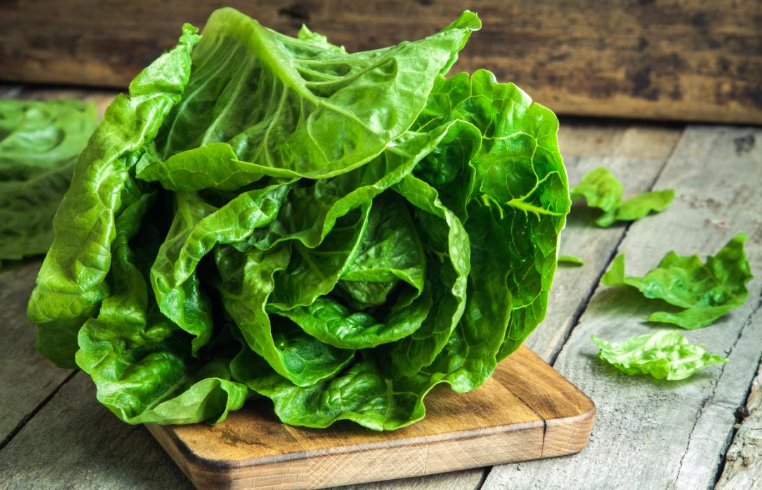
Lettuce is the most widely grown salad vegetable in the world, cultivated for over 5,000 years with origins traced to the wild lettuce plants of the Mediterranean basin and the Middle East, where ancient Egyptians first domesticated it as a food and oil crop. It belongs to the daisy family alongside sunflowers and chrysanthemums, and there are over 100 recognized cultivar groups and thousands of named varieties spanning an extraordinary range of leaf forms, textures, colors, and flavors. Global lettuce production exceeds 27 million metric tons annually, with China producing approximately 55 percent of world supply, followed by the United States, India, Spain, and Italy.
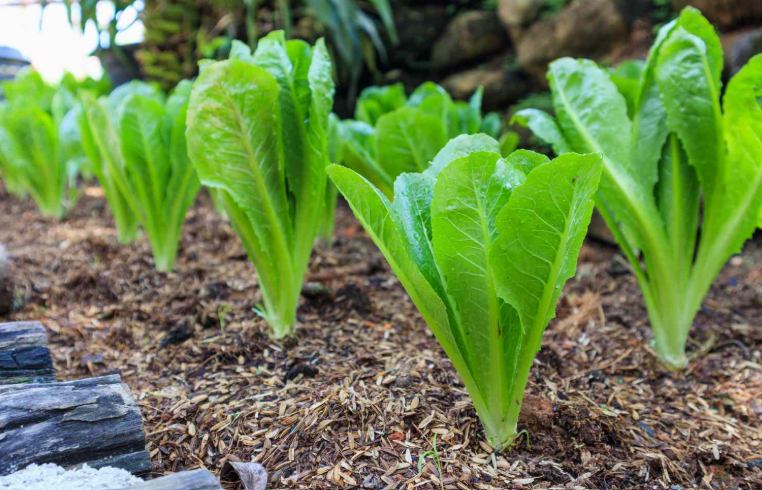
Lettuce is a cool-season crop that thrives in temperatures between 45°F and 75°F (7°C to 24°C) and bolts — sending up a bitter flower stalk — rapidly when temperatures exceed 80°F for extended periods. It is grown in USDA zones 2 to 11 depending on the variety and season, with most types maturing in 45 to 85 days from transplant or 60 to 100 days from direct sowing. Individual plants range from compact 6-inch miniature varieties to large, spreading loose-leaf types reaching 18 to 24 inches across, and leaf colors span every shade of green from pale chartreuse through mid-green to deep, near-black green, as well as vivid red, bronze, burgundy, and multicolored combinations.
Nutritionally, lettuce is one of the most widely consumed of all vegetables despite being relatively low in calories — a cup of shredded romaine contains only around 8 calories. It provides meaningful amounts of vitamin K, vitamin A, folate, and vitamin C, with darker-leafed varieties generally offering significantly higher nutrient density than pale, blanched types. Romaine lettuce in particular is one of the most nutritionally valuable commonly consumed salad greens, providing substantially more vitamins and minerals per serving than iceberg, which is composed of approximately 96 percent water.
Lettuce is consumed primarily as a fresh salad vegetable in Western culinary traditions but is also widely cooked in Chinese, Vietnamese, Korean, and other Asian cuisines where it is stir-fried, braised, and used as a wrapper for cooked fillings. The United States produces approximately 8 billion pounds of lettuce annually, with California’s Salinas Valley and Yuma, Arizona together accounting for the vast majority of commercial production. The extraordinary range of varieties available to home gardeners today — from ancient heirloom types unchanged for centuries to cutting-edge disease-resistant modern hybrids — makes lettuce one of the most varied and rewarding of all salad crops to grow.
Also Read: Different Types of Cabbages
Types of Lettuce
1. Romaine (Cos) Lettuce
Romaine is the most nutritionally important and one of the most widely consumed lettuce types in the world, producing tall, upright, elongated heads of stiff, deep green outer leaves with broad, pale, crisp, crunchy midribs and a tightly packed, blanched pale green to cream interior. Individual heads typically reach 8 to 12 inches in height and weigh 12 to 24 ounces at maturity in 70 to 80 days. It is the essential lettuce of Caesar salad, the most popular composed salad in North America, and is one of the most heat-tolerant of all commonly grown lettuce types.
2. Iceberg Lettuce
Iceberg is the most widely sold lettuce in the United States and one of the most commercially important lettuces globally, producing large, dense, tightly packed, round heads of crisp, very pale green leaves with exceptionally high water content — approximately 96 percent — and a mild, neutral flavor that suits its role as the universal fresh salad base in mainstream American food service. Heads typically weigh 1 to 2 pounds and mature in 75 to 90 days. Despite being the least nutritionally dense of all commonly grown lettuce types, it remains the dominant commercial lettuce in American supermarket retail by a significant margin.
3. Butterhead Lettuce
Butterhead lettuce produces loose, soft, rounded heads of smooth, buttery-textured, tender leaves in pale to medium green with a mild, sweet, delicate flavor that is considered by many chefs and home cooks to be the finest-tasting of all commonly grown lettuce types for fresh salad use. Individual heads typically reach 6 to 10 inches in diameter and weigh 8 to 16 ounces, maturing in 55 to 75 days. The soft, pliable, cup-shaped outer leaves are widely used as edible wrappers in Asian cuisine, and the butterhead type is the most popular lettuce grown in European home gardens.
4. Loose-Leaf Lettuce
Loose-Leaf lettuce is the most widely grown lettuce type for home garden production, producing open, non-heading rosettes of ruffled, wavy, or deeply lobed leaves in green, red, bronze, and multicolored combinations that can be harvested repeatedly as cut-and-come-again crops over an extended period rather than as a single head. Plants typically reach 8 to 12 inches in height and spread and mature for first harvest in 45 to 55 days from sowing — faster than any other lettuce type. The ease of cultivation, rapid maturity, continuous harvest potential, and wide range of colors and textures make it the most practical and versatile lettuce for home vegetable gardeners.
5. Little Gem
Little Gem is a compact, miniature romaine-butterhead cross producing small, tight, upright, sweet, crisp, dense little heads of pale to mid-green leaves with excellent buttery flavor and satisfying crunch that weigh only 4 to 6 ounces and mature in 55 to 65 days. It is enormously popular in the United Kingdom and Europe and has become a fashionable restaurant lettuce in North America for its perfect individual-serving size and outstanding eating quality. The small, dense heads suit both container growing and closely spaced intensive garden bed production, and the flavor is considered by many chefs to be the finest of any heading lettuce.
6. Oak Leaf Lettuce
Oak Leaf Lettuce is one of the most popular and widely grown loose-leaf lettuce varieties, producing deeply lobed, oak-leaf-shaped leaves in green or red-bronze that give the plant an immediately distinctive and attractive appearance in both the garden and on the plate. It is exceptionally heat-tolerant for a loose-leaf type, bolting later than most other varieties in warm weather, and matures in 45 to 55 days for first harvest. The deeply lobed leaves have a tender, mild, nutty flavor and are widely used in mesclun salad mixes for the visual interest provided by the distinctive leaf shape.
7. Buttercrunch
Buttercrunch is one of the most celebrated and widely grown American butterhead lettuce varieties, developed by Cornell University and an All-America Selections winner, producing compact, dense, sweet, tender, very well-flavored little heads with a distinctive, satisfying crunch unusual in a butterhead type — combining the best qualities of both butterhead and crisphead types in a single variety. Heads typically reach 5 to 8 inches in diameter and mature in 55 to 65 days and the variety shows good heat tolerance, bolting later than most butterhead types. It is one of the most consistently recommended home garden lettuce varieties.
8. Cos Lettuce (see Romaine)
Cos is the British and European name for Romaine lettuce and refers to the same upright, crisp-ribbed heading lettuce type, named after the Greek island of Cos where it was historically associated. See Romaine entry above for full description — the two names refer to the same lettuce type, with Romaine predominating in North American usage and Cos in British and European horticultural and culinary contexts.
9. Batavian Lettuce
Batavian lettuce is a distinct lettuce type intermediate between crisphead and loose-leaf forms, producing large, semi-heading rosettes of broad, blistered, slightly ruffled, very crisp leaves with excellent heat tolerance and a clean, refreshing, mildly sweet flavor. Plants typically reach 10 to 14 inches in diameter and mature in 55 to 75 days, and the Batavian type is the dominant commercial lettuce type in France where it is known simply as batavia. The exceptional heat tolerance of most Batavian varieties makes them particularly valuable for summer production when other lettuce types bolt rapidly in warm conditions.
10. Mesclun Mix
Mesclun is not a single lettuce variety but a traditional Provençal concept of mixed baby salad leaves harvested young at 3 to 4 inches in height, typically combining multiple lettuce varieties with complementary salad greens including arugula, endive, chervil, and spinach in a blend of contrasting flavors, textures, and colors. Commercial mesclun mixes typically mature in 25 to 40 days from direct sowing, making them the fastest crop from seed to harvest in the entire salad garden. The concept of mesclun has transformed the commercial baby salad leaf industry worldwide and is now one of the highest-value fresh salad products in supermarket produce sections globally.
11. Red Leaf Lettuce
Red Leaf Lettuce is one of the most visually striking and widely grown loose-leaf lettuce types, producing open rosettes of ruffled, wavy leaves in vivid shades of burgundy, red-bronze, and deep crimson over a green base that give salads immediate visual impact and color contrast. It matures in 45 to 55 days and has good heat tolerance relative to other loose-leaf types, making it a reliable summer salad crop in many regions. The vivid red-bronze coloring is produced by anthocyanin pigments that increase in intensity in bright light and cool temperatures, and the flavor is mild, tender, and pleasant.
12. Green Leaf Lettuce
Green Leaf Lettuce is the plain green counterpart to Red Leaf, producing large, loose, open rosettes of ruffled, wavy, bright to mid-green leaves with a mild, sweet, tender flavor and a light, refreshing texture that suits both fresh salads and sandwich use. It matures in 45 to 55 days and is one of the most productive and fastest-growing of all commonly grown lettuce types in the home garden, capable of producing large quantities of harvestable leaf material very quickly from direct-sown seed. It is one of the most widely sold lettuce types in North American fresh market retail.
13. Black-Seeded Simpson
Black-Seeded Simpson is one of the most popular and widely grown heirloom loose-leaf lettuce varieties in North America, producing large, ruffled, very pale green, almost chartreuse leaves with a mild, sweet, tender, delicate flavor on a vigorous, fast-growing plant that matures in 45 to 50 days from sowing. It has been grown in American kitchen gardens since at least the mid-nineteenth century and remains one of the most reliable, productive, and widely available open-pollinated lettuce varieties for home garden production. It shows reasonable heat tolerance and is a consistent favorite in heritage seed catalogues.
14. Simpson Elite
Simpson Elite is an improved, disease-resistant hybrid version of the classic Black-Seeded Simpson, producing the same large, ruffled, pale green leaves and mild, sweet flavor but with significantly improved resistance to tipburn — the browning of leaf margins caused by calcium deficiency under warm conditions that is the most common quality problem in summer lettuce production. It matures in 45 to 50 days and is one of the most widely recommended improved loose-leaf lettuce varieties for home garden summer production where tipburn is a persistent issue with standard varieties.
Also Read: Different Types of Apples
15. Salanova Lettuce
Salanova is a proprietary lettuce type developed by Enza Zaden that produces distinctive, multi-leaf heads composed of dozens of small, uniform, perfectly formed individual leaves that separate easily from the head with a single cut at the base, providing a ready-to-use individual serving of perfectly portioned salad leaves in one simple harvest. It is available in butterhead, batavian, and oak leaf forms in both green and red colors and matures in 55 to 70 days. Salanova has become an important commercial lettuce concept for both greenhouse production and premium fresh salad retail worldwide.
16. Lollo Rosso
Lollo Rosso is one of the most visually striking and commercially important lettuce varieties in European retail, producing compact, dense rosettes of very tightly ruffled, deeply frilled, vivid red to burgundy leaves with a mild, slightly bitter flavor and a highly ornamental appearance that makes it one of the most attractive lettuces for both garden display and restaurant plate presentation. It matures in 55 to 65 days and is available in both red (Lollo Rosso) and green (Lollo Bionda) forms that are frequently planted together for maximum color contrast in potager and ornamental vegetable garden designs. It is widely grown across Europe and North America.
17. Lollo Bionda
Lollo Bionda is the pale green counterpart to Lollo Rosso, producing the same compact, dense rosettes of very tightly ruffled, deeply frilled leaves but in bright, fresh green rather than vivid red, creating a clean, attractive contrast when the two forms are planted and harvested together. It matures in 55 to 65 days and shares the mild, slightly bitter flavor and highly ornamental appearance of its red counterpart. The pair of Lollo Rosso and Lollo Bionda are frequently sold together in European garden centers as a complementary pair for decorative vegetable garden planting.
18. Mâche (Corn Salad)
Mâche, also called Corn Salad or Lamb’s Lettuce, is a small, rosette-forming salad plant with round, smooth, dark green leaves of exceptionally mild, sweet, slightly nutty flavor that is technically not a true lettuce but is universally grouped with lettuces in salad cultivation. It is extraordinarily cold-hardy, surviving temperatures well below freezing and providing fresh salad leaves through the winter months when all other salad crops have finished, and matures in 45 to 60 days from sowing. It is a staple ingredient in traditional French winter salads and is widely grown across USDA zones 3 to 9.
19. Arugula (Rocket)
Arugula, also called Rocket, is another plant grown alongside lettuce as a salad green that is technically not a true lettuce but is indispensable in modern salad cultivation for the peppery, distinctive, assertive flavor it contributes to mixed leaf salads. It matures extraordinarily quickly — as little as 21 to 40 days from sowing — and is one of the most cold-tolerant of all salad greens, surviving light frosts and providing winter harvests in mild climates. The peppery, mustardy, slightly bitter flavor intensity increases with heat and plant maturity, and the young leaves are considerably milder and more nuanced than older leaves.
20. Speckled Trout Lettuce
Speckled Trout, also called Flashy Trout’s Back, is a beautiful Austrian heirloom butterhead lettuce producing large, loose, open heads of rounded, smooth, pale green leaves dramatically speckled and splashed with vivid red-burgundy markings that genuinely resemble the spotted flanks of a trout. The flavor is mild, sweet, and tender with the classic butterhead character, and the extraordinary visual appeal makes it one of the most ornamental of all heirloom lettuces in the garden. It matures in 55 to 70 days and is widely available from heirloom and specialty seed suppliers.
21. Rouge d’Hiver
Rouge d’Hiver, meaning Red Winter in French, is a classic French heirloom romaine lettuce producing tall, upright, elongated heads of vivid bronze-red to burgundy outer leaves over pale, crisp, blanched inner leaves with a mild, pleasantly sweet, slightly nutty flavor. It is one of the most cold-hardy lettuce varieties available, surviving temperatures well below freezing in sheltered positions and providing winter and early spring harvests in mild climates. It matures in 60 to 70 days and is an outstanding ornamental and culinary heirloom variety for autumn and winter production.
22. Winter Density
Winter Density is a compact, very cold-hardy, cross between romaine and butterhead producing small, dense, upright, dark green heads with crisp outer leaves and a sweet, tender, blanched interior. It matures in 55 to 65 days and is one of the finest and most reliable lettuce varieties for autumn, winter, and early spring production in cool and cold climates, surviving temperatures down to around 20°F in sheltered outdoor positions. The compact head size and excellent cold hardiness make it one of the most recommended late-season lettuce varieties for home garden production across USDA zones 4 to 9.
23. Deer Tongue
Deer Tongue is an American heirloom loose-leaf lettuce with a long cultivation history dating back to at least the early nineteenth century, producing distinctive, upright, pointed, tongue-shaped, smooth, dark green leaves with a mild, sweet, slightly nutty flavor that gives the plant its evocative common name. It is one of the most heat-tolerant loose-leaf lettuces available, bolting significantly later than most other varieties in warm summer conditions, making it an exceptionally valuable warm-season lettuce for home gardeners in warm climates. It matures in 55 to 65 days.
24. Forellenschluss
Forellenschluss is the Austrian heirloom original of the Speckled Trout lettuce, literally meaning Trout’s Back in German, producing the same beautiful butterhead form with pale green leaves dramatically speckled with vivid red-burgundy that makes it one of the most ornamental of all lettuce varieties. It is an important heirloom variety that was introduced to North America through the Seed Savers Exchange and has become one of the most widely grown and admired specialty lettuces in the American heirloom seed community. It matures in 55 to 70 days.
25. Tennis Ball
Tennis Ball is one of the oldest lettuce varieties still in cultivation, documented in American gardens since at least the early nineteenth century and reportedly grown at Monticello by Thomas Jefferson, producing small, compact, dense, round butterhead heads of pale, smooth, very sweet, tender leaves perfectly sized for a single serving. The name refers to the small, round, compact head shape and the variety is grown across USDA zones 3 to 9, maturing in 55 to 65 days. It is a beloved heirloom variety treasured by heritage seed enthusiasts for its historical significance and outstanding eating quality.
26. Flashy Trout’s Back
Flashy Trout’s Back is the American name for the Forellenschluss heirloom variety — see entry 24 above — under which it is widely sold in North American seed catalogues. The American name emphasizes the spectacular speckled appearance of the leaves more vividly than the German original name. Both names refer to the same outstanding Austrian heirloom butterhead lettuce.
27. Freckles
Freckles is a distinctive and widely admired romaine-type heirloom lettuce producing upright, elongated, crisp, bright green leaves dramatically spotted and freckled with vivid red-burgundy markings in a pattern that varies from leaf to leaf, creating one of the most visually striking combinations of romaine crispness and ornamental leaf coloring available in any lettuce variety. It matures in 60 to 70 days and the upright, romaine-type head provides the satisfying crunch and structure of cos lettuce combined with the ornamental appeal of a speckled leaf pattern. It is widely available from specialty and heritage seed suppliers.
28. Parris Island Cos
Parris Island Cos is one of the most widely grown and commercially important romaine lettuce varieties in the United States, named for the Marine Corps base in South Carolina near which it was developed, producing tall, upright, well-formed heads of deep green outer leaves and pale, blanched, very crisp, sweet interior leaves of outstanding quality. It shows excellent disease resistance, particularly to lettuce mosaic virus, and matures in 68 to 76 days with consistently high yields and good quality across a range of growing conditions. It is a staple of both commercial lettuce production and home garden cultivation across USDA zones 3 to 9.
29. Jericho
Jericho is an Israeli romaine lettuce variety bred specifically for heat tolerance and outstanding summer performance, producing tall, dense, very well-formed, sweet, crisp romaine heads of excellent quality even in temperatures that would cause most other lettuce varieties to bolt or become bitter. It matures in 60 to 68 days and is one of the most highly recommended heat-tolerant romaine varieties for summer production in warm climates across USDA zones 5 to 10. The combination of classic romaine form and quality with genuine heat tolerance makes it an invaluable summer lettuce for gardeners in warm regions.
30. Truchas
Truchas is a heat-tolerant romaine lettuce variety producing tall, upright, well-formed heads of deep green, crisp, sweet leaves with good bolt resistance and consistent quality across a wide range of summer growing conditions. It matures in 65 to 75 days and is particularly valued by commercial growers and home gardeners in warm climates where summer lettuce production is challenging. The reliable performance in warm conditions and good head quality make it a practical and widely recommended summer romaine variety across USDA zones 5 to 10.
31. Red Romaine
Red Romaine produces the classic tall, upright, crisp, crunchy romaine form but with vivid burgundy-red to bronze-red outer leaves that add striking color to salads while retaining the pale, crisp, sweet interior characteristic of standard romaine. It matures in 65 to 75 days and is available in several named selections including Flashy Thunder and Outredgeous, each with slightly different intensity of red coloring and head size. The combination of romaine crunch and vivid red color has made red romaine types increasingly popular in both commercial and home garden production.
32. Outredgeous
Outredgeous is a vivid red romaine lettuce variety with a distinction no other lettuce variety can claim — it was grown aboard the International Space Station as part of NASA’s Veggie plant growth experiment in 2015, making it the first food crop grown and eaten in space. It produces tall, upright, intensely deep red to burgundy-red heads of crisp, sweet, mild-flavored leaves that mature in 60 to 70 days and have become a popular specialty variety with home gardeners since the space connection brought it to wide attention. It performs well across USDA zones 3 to 9.
33. Nevada
Nevada is an outstanding Batavian-type lettuce variety producing large, loosely heading, very attractive, bright green, blistered, ruffled leaves with exceptional heat tolerance and bolt resistance that make it one of the most reliable and highest-quality summer lettuce varieties for warm climate production. It matures in 55 to 65 days and maintains its quality and mild, sweet flavor without bitterness even under warm growing conditions that cause most other varieties to bolt and become unpleasantly bitter. It is widely recommended by cooperative extension services across the United States as one of the best varieties for summer lettuce production.
34. Concept
Concept is a modern butterhead lettuce hybrid widely grown in European commercial greenhouse production, producing large, very uniform, attractive, tightly formed heads of smooth, deep green outer leaves and pale, very sweet, tender inner leaves of excellent quality. It matures in 55 to 65 days under greenhouse conditions and shows good resistance to tipburn and lettuce downy mildew, the two most common quality and disease problems in commercial butterhead production. The uniformity, disease resistance, and outstanding head quality make it one of the most commercially important European greenhouse butterhead varieties.
35. Tom Thumb
Tom Thumb is a charming, miniature butterhead lettuce variety producing very small, perfectly formed, round, compact heads of pale green, smooth, very sweet, tender leaves that weigh only 2 to 4 ounces at maturity — small enough to serve as a single individual portion without cutting. It matures in 50 to 60 days and is one of the most popular and widely grown miniature lettuce varieties for container growing, window box production, and intensive small-space vegetable gardening. The tiny, perfect head size has made it popular with chefs for individual-portion presentation in restaurants.
Also Read: Types of Mangoes
36. Drunken Woman Frizzy Headed
Drunken Woman Frizzy Headed is an Italian heirloom loose-leaf lettuce with one of the most memorable names in the entire vegetable world, producing large, open, ruffled, wavy heads of bright green leaves edged and tipped with vivid red-burgundy in a randomly distributed coloring pattern that gives the plant a cheerful, exuberant, slightly chaotic appearance that inspired the evocative common name. The flavor is mild, sweet, and tender, and the colorful, frizzy appearance makes it one of the most ornamental of all heirloom lettuces for potager and decorative kitchen garden displays. It matures in 55 to 65 days.
37. Optima
Optima is a reliable, widely grown commercial butterhead lettuce hybrid producing large, uniform, well-formed heads of smooth, deep green outer leaves and pale, very sweet, tender inner leaves of consistent quality and good shelf life. It is grown primarily in commercial greenhouse and protected cropping systems and shows good resistance to the bolting and tipburn problems that reduce quality in warmer production periods. It matures in 55 to 70 days depending on growing conditions and is one of the most widely planted commercial greenhouse butterhead varieties in European production.
38. Pablo
Pablo is a popular red loose-leaf lettuce variety producing large, open, heavily ruffled rosettes of vivid, deep burgundy-red to near-black dark leaves with a mild, pleasant flavor and outstanding, long-lasting color intensity that does not fade or green up in the way that some red lettuce varieties do under warm conditions. It matures in 50 to 60 days and is one of the most intensely and consistently colored red loose-leaf lettuce varieties available, making it particularly popular for decorative mixed lettuce plantings and for adding vivid color contrast to fresh salads. It is widely available from mainstream seed suppliers.
39. Merlot
Merlot is an exceptionally deeply colored red loose-leaf lettuce variety producing large, ruffled rosettes of very dark, near-black burgundy-red leaves that are among the darkest of any lettuce variety and maintain their color intensity remarkably well even under warm growing conditions. It matures in 55 to 65 days and the very dark, jewel-like leaf color provides maximum visual impact in fresh salads and lettuce displays. The intense, near-black red color combined with good bolt resistance makes it one of the most striking and practical dark red lettuce varieties for both home garden and specialty commercial production.
Craquerelle du Midi
Craquerelle du Midi is a traditional French heirloom butterhead lettuce from the south of France, producing medium to large, loose, open heads of smooth, pale green to slightly golden-green leaves with an exceptionally tender, buttery texture and a delicate, sweet, refined flavor that is characteristic of the finest traditional French salad lettuces. The name refers to the characteristic crispness of the outer leaves — unusual in a butterhead type — that gives it a pleasant textural contrast between the crisp outer leaves and the soft, melting inner heart. It matures in 60 to 70 days and is available from French heritage seed suppliers and specialist lettuce seed catalogues in North America and Europe.
41. Prizehead
Prizehead is an American heirloom loose-leaf lettuce variety producing large, open, ruffled, wavy heads of pale green leaves edged with vivid bronze-red tips and margins that create one of the most attractive two-tone coloring effects of any loose-leaf heirloom variety. It has been grown in American gardens since the nineteenth century and remains one of the most widely available and commonly grown open-pollinated loose-leaf lettuce varieties in North American seed catalogues. It matures in 45 to 50 days and shows good heat tolerance for an early heirloom variety.
42. Sierra
Sierra is a popular red Batavian lettuce variety producing large, semi-heading rosettes of broad, blistered, ruffled, vivid red to bronze-red leaves with excellent heat tolerance and good bolt resistance that make it one of the most reliable and attractive red lettuce varieties for summer production. It matures in 55 to 65 days and the large, colorful, heat-tolerant heads maintain quality and flavor longer into the warm season than most red loose-leaf or butterhead varieties. It is widely grown in both commercial and home garden production across North America and Europe.
43. Bronze Beauty
Bronze Beauty is a Batavian-type lettuce producing large, semi-heading rosettes of broad, blistered, ruffled leaves in warm, bronze-green to copper-bronze tones that give it a distinctive, glowing autumnal appearance quite unlike the vivid red or clean green of most other lettuce varieties. It shows excellent heat tolerance and bolt resistance and matures in 55 to 65 days with consistently good leaf quality and a mild, sweet, pleasant flavor. The warm bronze coloring provides attractive color contrast in mixed lettuce plantings and is particularly beautiful in low autumn light.
44. Yugoslavian Red Butterhead
Yugoslavian Red Butterhead is a distinctive Eastern European heirloom butterhead lettuce producing large, loose, open-headed plants with pale green inner leaves dramatically blushed and mottled with vivid red and bronze-red on the outer leaves, creating a beautiful multicolored head with the classic butterhead tenderness and sweet, mild flavor of the best European heirloom types. It matures in 55 to 70 days and is an outstanding ornamental as well as culinary heirloom variety for the kitchen garden. It is available from heritage seed suppliers and specialty seed catalogues.
45. Adriana
Adriana is a modern commercial butterhead lettuce hybrid grown primarily in protected greenhouse environments, producing large, very uniform, tightly formed heads of deep green outer leaves and pale, very sweet, tender inner leaves of excellent commercial quality and consistency. It shows good resistance to downy mildew and tipburn, the most common disease and quality problems in commercial butterhead production, and matures in 55 to 65 days under greenhouse conditions. It is one of the most important commercial greenhouse butterhead varieties in European production.
Also Read: Types of Onions
46. Revolution
Revolution is a vivid, deeply colored red romaine lettuce variety producing tall, upright heads of very intensely burgundy-red to near-black outer leaves with pale, sweet, crisp inner leaves of good romaine quality, combining the crisp texture and upright form of romaine with the visual impact of the most deeply colored red lettuce varieties. It matures in 65 to 75 days and shows good heat tolerance and bolt resistance that makes it practical for extended spring and early summer production. The exceptional depth of red color makes it one of the most visually striking romaine varieties currently available.
47. Tropicana
Tropicana is a heat-tolerant, slow-bolting green Batavian lettuce variety producing large, semi-heading rosettes of blistered, ruffled, bright green leaves with excellent performance in warm summer conditions that make it particularly valuable for subtropical and warm-climate lettuce production across USDA zones 7 to 11. It matures in 55 to 65 days and maintains its mild, sweet flavor without bitterness even in warm conditions that cause most other lettuce varieties to become unpalatably bitter and bolt rapidly. It is one of the most recommended varieties for summer lettuce production in the southern United States.
48. Magenta
Magenta is a modern hybrid loose-leaf lettuce producing large, open rosettes of very deeply and intensely colored magenta to deep burgundy-red ruffled leaves with good heat tolerance and exceptional color intensity that does not fade in warm conditions. It matures in 50 to 60 days and is one of the most vividly colored of all red loose-leaf lettuce varieties, producing maximum color impact in fresh salads and container displays throughout the growing season. The outstanding color intensity combined with good disease resistance and heat tolerance make it a popular variety in both commercial and home garden production.
49. Bronze Mignonette
Bronze Mignonette is a charming, compact, miniature butterhead lettuce producing very small, dense, round heads of bronze-tinged, smooth, very tender, sweet leaves that weigh only 2 to 4 ounces at maturity and are ideally suited to individual-portion serving. It is a refined heirloom variety of French origin that has been grown in European kitchen gardens for many generations and is prized for the combination of small, neat head size, ornamental bronze coloring, and classic butterhead tenderness and sweetness. It matures in 50 to 60 days and is widely available from heritage seed suppliers.
50. Continuity
Continuity, also known as Fordhook, is a classic North American butterhead heirloom lettuce producing medium-sized, loosely formed heads of smooth, pale green to bronze-tinged leaves with a mild, sweet, tender flavor and good heat tolerance that extends the productive season longer into warm weather than most standard butterhead varieties. It has been grown in American and Canadian gardens for well over a century and is valued for the consistently reliable performance and decent eating quality it delivers across a wide range of growing conditions and climates from USDA zones 3 to 9. It matures in 55 to 70 days.