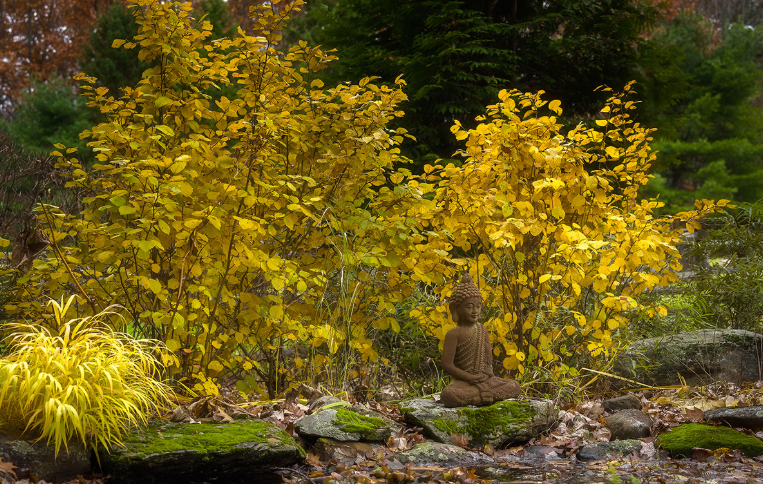
Fall foliage color is one of the most celebrated seasonal phenomena in temperate gardening, and while red and orange maples tend to dominate the conversation, yellow-turning shrubs are among the most valuable and versatile contributors to the autumn garden palette. Hundreds of deciduous shrub species produce yellow fall color as chlorophyll breaks down in cooling temperatures to reveal the underlying yellow pigments — carotenoids and xanthophylls — that were present in the leaves throughout the growing season but masked by the green of active photosynthesis. Yellow fall color tends to be warmer, brighter, and more luminous than red tones, catching low autumn sunlight in a way that makes gardens glow from considerable distances.
The intensity and duration of yellow fall color depends on several environmental factors including temperature, soil moisture, light levels, and the specific genetics of the individual plant. The best yellow fall color is typically produced after a growing season of adequate moisture followed by warm, sunny autumn days and cool but not freezing nights — conditions that slow chlorophyll breakdown gradually while preserving the yellow pigments beneath. In the United States, the peak of yellow shrub color across most of the country occurs between late September and mid-November depending on latitude and elevation, with northern regions peaking earlier and southern regions displaying color into late autumn.
Yellow-turning shrubs are available across an enormous range of sizes, from compact 2-foot dwarf varieties suited to small urban gardens and containers to large, multi-stemmed specimens reaching 10 to 15 feet that function as effective privacy screens and wildlife habitat throughout the growing season before delivering spectacular autumn color. Many of the finest yellow fall shrubs also offer significant additional ornamental value through spring or summer flowers, attractive berries, interesting bark, or wildlife-supporting characteristics that make them multi-season contributors to the garden rather than single-season specialists. USDA hardiness zones 3 through 8 encompass the majority of shrubs that reliably produce yellow fall color.
The global ornamental plant trade places enormous commercial value on reliable fall color performance, with autumn foliage impact consistently ranking among the top purchasing motivations for deciduous shrubs and trees across North American and European garden retail surveys. Several yellow fall color shrubs have received the Royal Horticultural Society’s Award of Garden Merit or All-America Selections recognition specifically citing their autumn color performance as a primary qualifying characteristic. For gardeners seeking to extend seasonal interest deep into autumn when most other garden plants have finished performing, yellow-turning shrubs represent one of the most rewarding and ecologically valuable planting investments available.
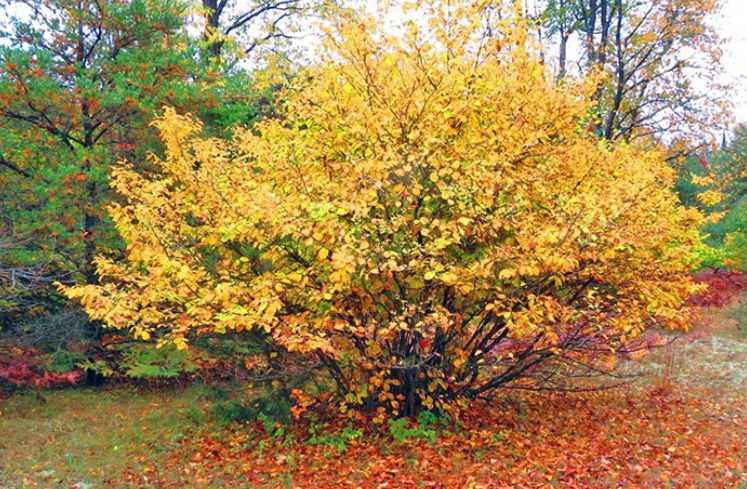
Shrubs That Turn Yellow in Fall
1. Witch Hazel
Witch Hazel is perhaps the single finest shrub for combined autumn interest, producing clear, bright golden-yellow to orange-yellow fall foliage color simultaneously with or just before its extraordinary, spidery, fragrant flowers — making it the only commonly grown shrub that flowers while simultaneously displaying autumn leaf color. Most cultivated varieties grow to 6 to 15 feet in height and spread and are hardy in USDA zones 3 to 8. The combination of vivid yellow fall color, fragrant winter flowers, and exceptional wildlife value makes it the most multi-season rewarding of all yellow fall shrubs.
2. Forsythia
Forsythia is one of the most widely planted deciduous shrubs in temperate gardens worldwide, celebrated primarily for its brilliant yellow spring flowers but also producing reliable golden-yellow to warm yellow fall foliage color before leaf drop in autumn. Most varieties grow to 6 to 10 feet in height and spread and are extremely cold-hardy in USDA zones 4 to 9, tolerating urban pollution, poor soils, and neglect with remarkable resilience. The combination of spring flower impact and decent autumn color makes forsythia one of the most productive two-season shrubs for yellow color in the garden.
3. Spirea
Spireas are a large and diverse group of deciduous flowering shrubs with many species and cultivars producing reliable yellow to golden-orange fall color across a wide range of garden sizes and styles. Most cultivated varieties grow to 2 to 6 feet in height depending on the specific type, and they are hardy across USDA zones 3 to 9 depending on the species. The combination of spring or summer flowers, attractive summer foliage in many golden and lime-green leaved cultivars, and good autumn color makes spirea one of the most multi-season valuable of all commonly grown garden shrubs.
4. Viburnum
Viburnums are one of the most valuable and versatile shrub genera in temperate horticulture, with many species producing excellent yellow to orange-yellow to red fall color alongside their spring flowers, summer berries, and wildlife-supporting characteristics. The yellow-turning species and cultivars within the genus grow to 5 to 15 feet depending on the type and are generally hardy in USDA zones 3 to 8. Several viburnum species produce some of the finest and most reliable yellow fall color of any flowering shrub available to temperate gardeners.
5. Fothergilla
Fothergilla is one of the most outstanding native North American shrubs for fall color, producing a spectacular multi-toned display of yellow, orange, and red simultaneously on the same plant — with yellow often dominating the lower and shadier portions of the shrub. It grows to 3 to 10 feet in height depending on the species and is hardy in USDA zones 4 to 8, performing best in moist, acidic soil in partial shade. The fragrant white bottlebrush flowers in spring combined with the extraordinary multi-toned fall color make it one of the most highly recommended native shrubs for year-round garden interest.
6. Ginkgo (Shrub Form)
While the Ginkgo is most commonly grown as a tree, several dwarf and shrubby cultivars have been developed that remain within shrub dimensions for many years or permanently, producing the same extraordinary, clear, brilliant golden-yellow fall color for which the species is universally celebrated. Shrubby ginkgo cultivars typically reach 3 to 8 feet in height and spread over many years of growth and are hardy in USDA zones 3 to 9. The pure, luminous golden-yellow of ginkgo fall color is considered by many gardeners and horticulturalists to be the finest and most intense yellow fall color of any woody plant.
7. Serviceberry (Shrub Form)
Serviceberry grown as a multi-stemmed shrub rather than a single-trunked tree produces reliable, warm, golden-yellow to orange-yellow fall color on an elegant, graceful plant reaching 6 to 15 feet in height that also offers spring white flowers and edible summer berries beloved by birds and people alike. It is hardy in USDA zones 2 to 9 depending on the species and is native across much of North America, making it an excellent choice for wildlife-supporting, native plant garden designs. The combination of spring flower, summer fruit, autumn color, and attractive winter bark make it one of the finest four-season shrubs available.
8. Itea (Virginia Sweetspire)
Virginia Sweetspire is a native North American shrub producing fragrant white flower spikes in early summer followed by outstanding, long-lasting fall color in combinations of yellow, orange, red, and burgundy that develop slowly and persist on the plant far longer than most fall color shrubs. It grows to 3 to 5 feet in height and spread and is hardy in USDA zones 5 to 9, performing well in both sun and partial shade and tolerating wet soil conditions better than most shrubs. The exceptional persistence of the fall color — often lasting 4 to 6 weeks — makes it particularly valuable for extending the autumn display deep into November.
9. Oakleaf Hydrangea
Oakleaf Hydrangea is a bold, architectural native North American shrub producing large, deeply lobed, oak-like leaves that turn vivid shades of yellow, orange, burgundy, and red in autumn, alongside the attractive tan and cinnamon peeling bark that becomes most prominent in winter. It grows to 6 to 8 feet in height and spread and is hardy in USDA zones 5 to 9, tolerating partial shade and periodic drought once established. The combination of summer white flower panicles, dramatic autumn leaf color, exfoliating bark, and persistent winter flower heads makes it one of the most multi-season spectacular native shrubs available.
10. Dwarf Korean Spice Viburnum
Dwarf Korean Spice Viburnum is a compact, rounded deciduous shrub producing intensely fragrant, pink-budded white flower clusters in spring and reliable golden-yellow fall color on a plant that grows to only 4 to 5 feet in height and spread — significantly smaller than the full-sized Korean Spice Viburnum. It is hardy in USDA zones 4 to 7 and performs well in full sun to partial shade in a wide range of well-draining soils. The combination of extraordinary spring fragrance and reliable autumn color makes it one of the most rewarding compact shrubs for small gardens and urban planting situations.
11. Blueberry (Highbush)
Highbush Blueberry is one of the most multi-functional shrubs available to temperate gardeners, producing white spring flowers, delicious summer fruit, and spectacular, long-lasting vivid red to orange-yellow fall color on a plant reaching 6 to 12 feet in height that is hardy in USDA zones 4 to 7. The fall color of blueberry is among the most vivid and saturated of any fruiting shrub, combining rich yellows with intense scarlets and oranges to create a truly spectacular autumn display. The dual function as a productive fruit crop and an ornamental fall color plant makes it one of the most valuable shrubs per square foot in the garden.
12. Black Haw Viburnum
Black Haw Viburnum is a large, multi-stemmed native North American shrub or small tree producing white flower clusters in spring, ornamental blue-black berries in autumn, and outstanding yellow to red fall color on a plant reaching 12 to 15 feet in height. It is hardy in USDA zones 3 to 9 and is extremely adaptable, tolerating full sun, partial shade, drought, and a wide range of soil types with considerable resilience. The combination of spring flowers, wildlife-supporting berries, and vivid fall color makes it one of the most ecologically and ornamentally valuable large native shrubs.
13. Spicebush
Spicebush is a native North American woodland shrub producing small, fragrant yellow flowers in very early spring before the leaves emerge, followed by bright red berries loved by birds and outstanding clear, bright golden-yellow fall color on a plant reaching 6 to 12 feet in height. It is hardy in USDA zones 4 to 9 and performs exceptionally well in the moist, shaded conditions of woodland garden understories where few other fall-coloring shrubs perform adequately. The early spring flowers, wildlife-supporting berries, and brilliant golden-yellow autumn color make it one of the finest native shrubs for shaded garden situations.
14. Arrowwood Viburnum
Arrowwood Viburnum is a vigorous, adaptable native North American shrub producing white flower clusters in late spring, ornamental blue-black berries in summer and autumn, and reliable yellow to red fall color on a tough, versatile plant reaching 6 to 10 feet in height and spread. It is among the most cold-hardy and adaptable of all viburnum species, performing well in USDA zones 2 to 8 across a wide range of soil types, moisture levels, and light conditions from full sun to deep shade. It is one of the most recommended native shrubs for challenging sites.
15. Quince (Flowering)
Flowering Quince produces vivid red, orange, or pink spring flowers on thorny, twiggy stems followed by reliable yellow to golden-yellow fall color and small, fragrant, yellow quincefruits that persist into autumn on a tough, adaptable shrub reaching 6 to 10 feet in height. It is hardy in USDA zones 4 to 9 and tolerates difficult conditions including heavy clay soil, drought, urban air pollution, and hard pruning with impressive resilience. The combination of early spring flowers — among the first of any flowering shrub — and decent autumn color makes it a valuable two-season performer.
16. Bottlebrush Buckeye
Bottlebrush Buckeye is a large, bold, native North American shrub producing spectacular, long, white bottlebrush-like flower spikes in midsummer — when few other large shrubs are in flower — followed by clear, bright golden-yellow fall color on a wide-spreading plant reaching 8 to 12 feet in height and 8 to 15 feet in spread. It is hardy in USDA zones 4 to 8 and performs well in partial to full shade, making it one of the finest large, shade-tolerant shrubs for yellow fall color. The combination of midsummer flowers and reliable fall color fills two of the most underserved seasonal slots in the garden.
17. Ninebark
Ninebark is a native North American shrub celebrated primarily for its peeling, multi-layered, cinnamon and cream bark and its range of foliage color cultivars in purple, gold, and lime-green, and it also produces reliable yellow to golden fall color before leaf drop in late autumn. It grows to 5 to 10 feet in height depending on the cultivar and is exceptionally cold-hardy in USDA zones 2 to 7, tolerating poor soils, drought, flooding, and urban conditions with remarkable ease. The peeling winter bark, ornamental foliage throughout the growing season, and decent autumn color make it a reliable three-season performer.
18. Smooth Hydrangea
Smooth Hydrangea, including the popular Annabelle cultivar, is a native North American shrub producing enormous, round, white flower heads throughout summer and reliable golden-yellow fall color on a vigorous, adaptable plant reaching 3 to 5 feet in height and spread. It is extremely cold-hardy in USDA zones 3 to 9, blooms reliably on new wood each year even after hard winters that kill the stems to the ground, and tolerates partial shade and a wide range of soil types. The enormous summer flowers and consistent yellow autumn color make it one of the most reliable and widely recommended of all native hydrangeas.
19. Dwarf Fothergilla
Dwarf Fothergilla is the compact form of the native Fothergilla species, producing the same spectacular multi-toned fall color of yellow, orange, and red as the full-sized species but on a more manageable plant reaching only 2 to 3 feet in height and spread. It is hardy in USDA zones 4 to 8, performs best in moist, acidic soil in partial shade, and produces fragrant white bottlebrush flowers in spring. The extraordinarily vivid fall color and compact size make it one of the finest small shrubs for yellow and multi-toned autumn display in restricted garden spaces.
20. Black Chokeberry
Black Chokeberry is a tough, versatile native North American shrub producing white spring flowers, glossy black berries in late summer and autumn, and outstanding yellow to red fall color on an adaptable plant reaching 3 to 6 feet in height and spread. It is extremely cold-hardy in USDA zones 3 to 8, tolerates wet, poorly drained soils that exclude many other shrubs, and is one of the most valuable wildlife-supporting native shrubs for birds seeking autumn berries. The combination of spring flowers, wildlife berries, and vivid fall color makes it an exceptionally productive multi-season shrub.
21. Yellowhorn
Yellowhorn is a beautiful but underused deciduous shrub or small tree native to China, producing masses of small, white, honey-scented flowers in spring and clear, bright golden-yellow fall color on an elegant, graceful plant reaching 8 to 15 feet in height. It is hardy in USDA zones 4 to 8 and adapts well to a range of soil types and light conditions in temperate gardens. The abundant spring flowering and reliable, clean yellow fall color make it one of the most deserving of wider cultivation among the yellow fall color shrubs currently underrepresented in mainstream garden retail.
22. Buttonbush
Buttonbush is a native North American shrub producing unique, spherical, white flower heads resembling pin cushions in midsummer and reliable yellow fall color on a vigorous, adaptable plant reaching 6 to 12 feet in height. It is particularly valuable as one of the few shrubs that thrives in standing water and waterlogged soils, making it irreplaceable for rain garden, pond margin, and wetland garden planting. Hardy in USDA zones 5 to 10, the combination of unusual midsummer flowers, yellow fall color, and exceptional tolerance of wet conditions makes it uniquely valuable for challenging wet sites.
23. Shrubby Cinquefoil
Shrubby Cinquefoil is a compact, adaptable, long-blooming shrub producing cheerful, bright yellow flowers from early summer through autumn — one of the longest flowering seasons of any deciduous shrub — and modest but pleasant yellow fall color on a neat, rounded plant reaching 2 to 4 feet in height and spread. It is extraordinarily cold-hardy in USDA zones 2 to 7 and tolerates poor, dry, alkaline soils that exclude many more demanding shrubs. The exceptionally long flowering season and ease of cultivation make it one of the most practically useful and low-maintenance of all small deciduous shrubs.
24. Pawpaw
Pawpaw is a large, bold, native North American understory shrub or small tree producing the largest edible fruit native to North America — large, custard-textured, tropical-flavored fruits ripening in early autumn — alongside clear, bright, pure golden-yellow fall color on a plant reaching 8 to 20 feet in height. It is hardy in USDA zones 5 to 8 and grows naturally in moist, rich woodland understory conditions where it spreads slowly by root suckers to form attractive, naturalistic colonies. The combination of edible fruit and outstanding yellow fall color makes it uniquely valuable as a dual-purpose garden plant.
25. Yellowwood (Shrub Form)
While Yellowwood is most commonly grown as a medium-sized tree, it can be maintained through pruning as a large multi-stemmed shrub reaching 10 to 15 feet in height, producing fragrant white wisteria-like flower clusters in late spring and reliable, clear, bright golden-yellow fall color on a plant that is hardy in USDA zones 3 to 8. The fragrant spring flowers combined with the clean, luminous yellow fall color and attractive, smooth grey bark make it one of the finest multi-season woody plants for temperate gardens. The yellow fall color is particularly pure and bright compared to many other yellow fall shrubs.
26. Bladdernut
Bladdernut is a charming but underused native North American shrub producing clusters of small, white, bell-shaped flowers in spring and distinctive, inflated, papery, bladder-like seed pods that rattle in the autumn breeze, alongside reliable yellow fall color on a graceful, multi-stemmed plant reaching 8 to 15 feet in height. It is hardy in USDA zones 3 to 8 and performs particularly well in moist, partially shaded conditions in woodland garden settings. The spring flowers, ornamental inflated seed pods, and decent yellow fall color make it a charming and characterful three-season native shrub.
27. American Hazelnut
American Hazelnut is a vigorous, thicket-forming native North American shrub producing edible nuts, early spring catkins, and reliable yellow to warm golden-yellow fall color on a plant reaching 6 to 10 feet in height and spread that is exceptionally cold-hardy in USDA zones 3 to 9. The early spring catkins provide critical early-season pollen for native bees, the edible nuts are relished by numerous wildlife species and humans, and the yellow fall color provides a warm, glowing seasonal display. The combination of wildlife, food production, and autumn color values makes it one of the most ecologically productive native shrubs.
28. Sweet Pepperbush
Sweet Pepperbush is a native North American shrub producing intensely fragrant white or pink flower spikes in midsummer — one of the most powerfully fragrant of all native shrubs — and reliable yellow to golden-orange fall color on a moderately vigorous plant reaching 3 to 8 feet in height that is hardy in USDA zones 3 to 9. It is one of the few fragrant-flowering shrubs that performs well in wet, poorly drained, partially shaded conditions and is exceptionally valuable for rain gardens and woodland garden edges. The powerful midsummer fragrance and decent autumn color fill two very different but equally rewarding seasonal roles.
29. Possumhaw Holly
Possumhaw Holly is a large, deciduous native North American holly shrub producing masses of vivid red, orange, or yellow berries that persist on the bare branches through winter — creating one of the most spectacular winter wildlife and ornamental displays of any native shrub — alongside reliable yellow fall color before leaf drop in autumn. It grows to 7 to 10 feet in height and is hardy in USDA zones 5 to 9, performing well in a wide range of soil types including periodically wet conditions. The yellow fall color combined with the exceptional winter berry display makes it a two-season specialist of outstanding value.
30. Wayfaring Tree
Wayfaring Tree is a large, bold European viburnum species producing flat-topped white flower clusters in spring, ornamental berries that ripen from red through black in autumn, and reliable yellow to orange-red fall color on a vigorous, adaptable shrub reaching 10 to 15 feet in height. It is hardy in USDA zones 3 to 8 and is notably tolerant of dry, chalky, alkaline soils that exclude many other viburnum species, making it particularly valuable for gardeners on lime-rich soils. The spring flowers, multicolored autumn berries, and decent fall color make it a reliable three-season performer for large garden spaces.