
Planting a tree is a meaningful way to remember someone who has passed away. A tree grows over the years and provides a living connection to cherished memories. Its branches offer shade, while its leaves change with the seasons. For many families, this simple act brings comfort and hope.
Remembrance trees can be planted in gardens, parks, cemeteries, or other special places. Some families choose a tree that their loved one admired. Others select one based on its flowers, evergreen foliage, fruit, or long lifespan. Each choice can carry a personal meaning.
Different trees suit different climates and planting spaces. Flowering trees bring color in spring, while evergreens remain green throughout the year. Fruit trees can represent nourishment, generosity, and renewal. Large shade trees can also become lasting landmarks for future generations.
Before planting, consider the local climate, soil conditions, available space, and the tree’s mature size. Check whether the roots could affect buildings, paths, or underground pipes. Also, confirm any cemetery or public-land planting rules. The following 27 trees offer a range of choices for creating a lasting tribute.
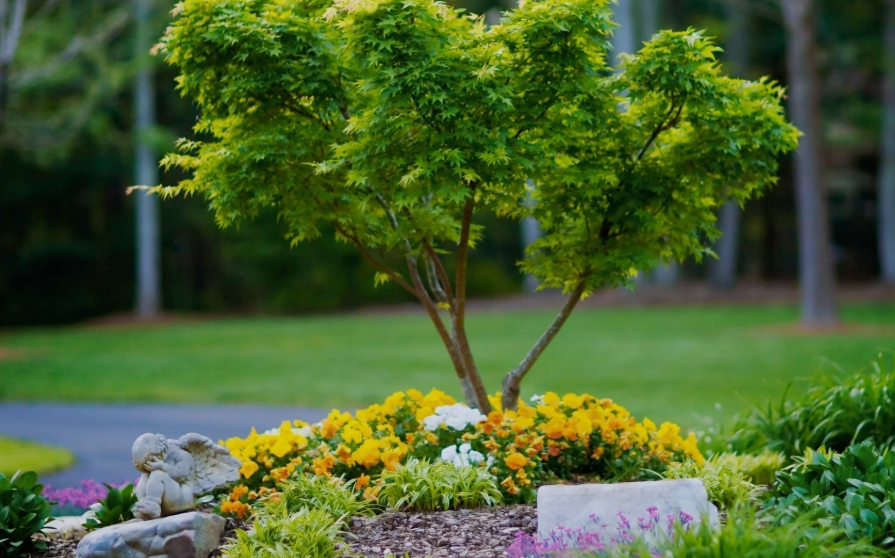
Trees to Plant For remembering Someone
1. Oak Tree (Quercus species)
Oak trees are popular choices for memorial planting because of their strength and impressive longevity. Their broad trunks and spreading branches create a sense of permanence. Many oak species can live for several centuries under suitable conditions. They can represent resilience, wisdom, and the lasting influence of a loved one. An oak is especially suitable for a spacious garden, park, or memorial grove.
Oak trees grow best when planted in a location that matches their species’ soil and climate requirements. Most need plenty of sunlight and room for their roots and branches to spread. Their acorns provide food for birds and other wildlife. The trees also offer valuable shade as they mature. Choose a locally suitable oak and allow enough distance from buildings, paths, and underground utilities.
2. Maple Tree (Acer species)
Maple trees are attractive memorial trees because of their changing seasonal colors. Many varieties develop brilliant red, orange, or golden leaves in autumn. These changes can serve as a reminder of life’s different seasons and the memories that remain. Maples also provide shade and create a peaceful setting for reflection. Their graceful branches make them suitable for gardens and public green spaces.
Most maples prefer well-drained soil and a location with suitable sunlight. Their exact needs depend on the species and local climate. Some varieties tolerate cold winters, while others grow better in warmer regions. Large maples need plenty of space as their crowns expand. Smaller varieties may suit residential gardens with limited room.
3. Flowering Dogwood (Cornus florida)
Flowering dogwood is a meaningful choice for a smaller remembrance garden. Its delicate white or pink bracts appear in spring. The blossoms create a gentle display without overwhelming the surrounding landscape. The tree can symbolize renewal, hope, and the beauty of cherished memories. Its seasonal changes provide something new to appreciate each year.
This tree generally grows well in partial shade or filtered sunlight. It prefers moist, well-drained soil and benefits from protection against severe drought. Mature trees are smaller than many traditional shade trees. This makes dogwood useful for gardens with limited space. In suitable climates, its red fruits and autumn foliage also add seasonal interest.
4. Magnolia (Magnolia species)
Magnolia trees are admired for their large flowers and elegant appearance. Depending on the species, their blooms may be white, pink, purple, or cream. Many flowers have a pleasant fragrance that makes a memorial garden especially inviting. The tree can represent dignity, devotion, and enduring affection. It is a lovely option for remembering someone who enjoyed flowering plants.
Some magnolias remain relatively compact, while others develop into large trees. Southern magnolia is evergreen in warm climates and has glossy green leaves. Deciduous varieties often produce flowers before their leaves emerge. Most prefer fertile, well-drained soil and a suitable amount of sunlight. Choose a variety that matches your local temperatures and available planting space.
5. Cherry Blossom Tree (Prunus species)
Cherry blossom trees are associated with beauty, renewal, and the passing of time. Their pink or white flowers often cover the branches in spring. The brief flowering season can make each year’s display feel especially meaningful. These trees are frequently planted in gardens and public landscapes. They are a thoughtful choice for honoring someone whose memory brings warmth and gratitude.
Flowering cherries need suitable sunlight and well-drained soil. Their requirements vary by species and cultivar. Some varieties tolerate cold winters, while others need milder conditions. Consider the tree’s mature spread before choosing a planting site. Select a healthy variety suited to your region to reduce future maintenance problems.
6. Eastern Redbud (Cercis canadensis)
Eastern redbud is a small ornamental tree known for its vivid spring flowers. The blossoms appear along its branches before the leaves fully develop. Their pink and purple colors create a striking display in early spring. The tree can symbolize hope and new beginnings. Its modest size makes it suitable for a personal remembrance garden.
Eastern redbud grows best in well-drained soil and full sun to partial shade. It is native to eastern North America and suits many temperate landscapes. Once established, it can tolerate some dry periods. However, young trees benefit from regular watering during dry weather. Give it enough room to develop a balanced crown and healthy root system.
7. Cedar Tree (Cedrus species)
Cedar trees offer year-round greenery and a strong, enduring presence. Their evergreen foliage remains attractive through changing seasons. Many species develop broad, spreading branches as they mature. This lasting greenery can represent continuity and the enduring nature of remembrance. A cedar can become a distinctive landmark in a spacious garden or memorial landscape.
True cedars generally need plenty of sunlight and well-drained soil. They are different from trees commonly called cedar in some regions, such as certain junipers and arborvitae. Mature size varies considerably between species and cultivars. Large cedars should be planted away from buildings and overhead wires. Check the local climate before selecting a variety, as not every cedar tolerates every region.
8. Pine Tree (Pinus species)
Pine trees are suitable for remembrance because their green needles remain through most seasonal changes. Their upright forms can create a calm and dignified setting. Some species also produce a pleasant, fresh scent after rain. Pines can symbolize endurance, steadiness, and a memory that remains present. They are useful choices for larger gardens, woodland areas, and suitable memorial sites.
Pine species vary in height, shape, and climate tolerance. Most grow best in sunny locations with well-drained soil. Some tolerate sandy or relatively poor soils once established. Others need more moisture or protection from extreme weather. Choose a species native to your area when possible, and consider its mature size before planting.
9. Bald Cypress (Taxodium distichum)
Bald cypress is a deciduous conifer with a distinctive appearance. Its soft, needle-like foliage turns coppery orange or brown before falling in autumn. The tree develops a strong trunk and an attractive spreading crown. It can symbolize resilience and the ability to endure changing circumstances. Its unusual seasonal behavior makes it a memorable feature in a suitable landscape.
Bald cypress grows well in moist soils and can tolerate wet conditions. It is native to the southeastern United States and other parts of the region’s coastal plain. Established trees can also grow in ordinary garden soil when drainage is suitable. They eventually become large, so small gardens are usually unsuitable. Plant it where its mature roots and branches will have sufficient room.
10. Birch Tree (Betula species)
Birch trees are recognized for their pale bark and graceful branches. Their trunks stand out against darker woodland backgrounds. Many species also produce attractive yellow foliage in autumn. A birch can represent renewal, remembrance, and the beauty found in simple things. Its elegant form suits quiet gardens and naturalistic planting schemes.
Birches generally prefer moist, well-drained soil and a sunny or lightly shaded site. Climate requirements differ between species. Some are better suited to cool regions than hot, dry climates. Many birches grow relatively quickly, but they may need more attention during dry periods. Choose a variety adapted to local rainfall and temperature conditions.
11. Beech Tree (Fagus species)
Beech trees have smooth bark and broad canopies that create deep shade. Their leaves provide a lush appearance during the growing season. Some varieties develop golden or coppery foliage in autumn. Their substantial trunks and long lives make them fitting symbols of continuity and family heritage. A beech can serve as a lasting focal point in a large memorial landscape.
Beeches generally prefer fertile, well-drained soil and moderate moisture. Many species thrive in temperate climates with relatively cool summers. They can grow into large trees with extensive root systems. This makes them unsuitable for tight planting spaces near buildings or paved surfaces. Check local suitability, as some beeches struggle in hot or drought-prone locations.
12. Elm Tree (Ulmus species)
Elm trees are valued for their broad crowns and generous shade. Their branches often form an elegant arching shape. Historically, elms have been planted along streets, in parks, and around public gathering places. Their strong presence can represent community, connection, and shared memories. An elm may be especially appropriate for honoring someone who brought people together.
Modern disease-resistant elm varieties are worth considering when planting a memorial tree. Traditional American elms were severely affected by Dutch elm disease. Growing conditions vary among elm species and cultivars. Most need enough room to develop their mature canopy. Select a variety recommended for your region and plant it in suitable soil.
13. Weeping Willow (Salix babylonica)
Weeping willow trees are known for their long, cascading branches. Their flowing shape creates a quiet and reflective atmosphere. They are often associated with grief, remembrance, and contemplation. The branches sway gently in the breeze and create an inviting place to sit nearby. A willow can be a meaningful choice for a spacious garden beside water.
Willows usually grow best in moist soil with plenty of sunlight. They often grow quickly when water is readily available. However, their vigorous roots can cause problems near drains, pipes, and foundations. They also need room for their spreading crowns. Plant a willow well away from infrastructure and choose another species if the site is small or dry.
14. Ginkgo (Ginkgo biloba)
Ginkgo is a distinctive tree with fan-shaped leaves. Its foliage often turns brilliant gold in autumn. The species is also known for its unusual evolutionary history and resilience in urban environments. These qualities can make it a symbol of endurance and continuity. Its distinctive shape gives a remembrance garden character throughout the year.
Ginkgo grows in full sun and tolerates a range of well-drained soils. It is generally slow to moderate in growth, depending on conditions. Male cultivars are often preferred for gardens because female trees produce fleshy seeds with an unpleasant smell. The tree can become quite large over time. Choose a suitable cultivar and allow enough space for its mature crown.
15. Olive Tree (Olea europaea)
Olive trees have twisted trunks, silvery foliage, and a distinctive Mediterranean appearance. Some old specimens become impressive living landmarks. Their long association with peace and continuity makes them meaningful memorial trees. The evergreen leaves also provide interest throughout the year in suitable climates. An olive tree may be especially fitting for someone who appreciated Mediterranean culture, food, or landscapes.
Olive trees need abundant sunlight and well-drained soil. They generally tolerate dry conditions once established. They are best suited to warm climates with relatively mild winters. Cold-sensitive varieties may struggle in areas with severe frost. Choose a locally adapted cultivar, and check whether fruit production or fallen olives could create maintenance issues.
16. Fig Tree (Ficus carica)
Fig trees are meaningful choices for families who value food, tradition, and shared gatherings. Their broad leaves create a distinctive shape in the garden. The trees can produce sweet fruit that family members share during the growing season. This harvest can become an annual reminder of the person being honored. Fig trees are particularly suitable for warm gardens and family compounds.
Figs grow best in sunny locations with well-drained soil. They tolerate warm, dry weather once established, although regular water can improve growth. Their mature size depends on the variety and pruning. Some can be maintained as compact trees in smaller gardens. Check local growing conditions and choose a variety that reliably fruits in your climate.
17. Mango Tree (Mangifera indica)
Mango trees are excellent memorial options in many tropical and subtropical regions. Their dense canopies provide shade and a welcoming place for family gatherings. Mature trees can produce fruit for many years under favorable conditions. Sharing the harvest may help preserve family traditions and stories. A mango tree can represent generosity, nourishment, and the continuation of family life.
Mango trees prefer warm weather, plenty of sunlight, and well-drained soil. They are sensitive to frost and need enough space for their crowns. Young trees require regular watering while their roots establish. In humid regions, choose varieties suited to local disease pressures. Select the planting location carefully, especially if the tree will grow near a house or walkway.
18. Jacaranda (Jacaranda mimosifolia)
Jacaranda trees are famous for their clusters of blue-purple flowers. When in bloom, they can transform streets and gardens with vivid color. Their flowering season often attracts attention and creates a memorable annual display. This makes jacaranda a striking choice for celebrating a loved one’s life and personality. It is especially suitable for warm regions where the tree grows well.
Jacarandas generally need full sun and well-drained soil. They grow best in warm climates with little risk of severe frost. Mature trees can develop broad crowns and shed flowers and leaves. Their fallen blooms may require occasional cleanup. Avoid planting them too close to paved areas, buildings, or overhead utilities.
19. African Mahogany (Khaya species)
African mahogany is a group of impressive trees native to tropical Africa. Many species develop tall trunks and broad canopies. Their stature can make them appropriate for large gardens, community grounds, and memorial planting projects. Planting one may represent strength, heritage, and the lasting contribution of a family member. Indigenous trees can also help maintain a connection to the surrounding landscape.
The growing requirements depend on the particular Khaya species. Many prefer warm conditions, sunlight, and soil that drains well. Young trees need protection and adequate water while establishing. Some species become very large and are unsuitable for small residential plots. Consult a local forestry specialist or native-tree nursery before choosing a species.
20. Acacia Tree (Acacia species)
Acacia trees are familiar features of many African landscapes. Their distinctive shapes provide shade and visual interest. Several species tolerate dry conditions and are important parts of local ecosystems. They can represent endurance, protection, and a deep connection to the land. For a family in a suitable region, a locally native acacia may be a meaningful memorial.
The genus Acacia includes many species with different growth habits. Some grow into broad shade trees, while others remain smaller. Climate, soil, and rainfall requirements vary widely. Choose an indigenous species that suits the planting site and supports local biodiversity. Avoid placing thorny species beside busy walkways or areas used by children.
21. Baobab Tree (Adansonia digitata)
The baobab is one of Africa’s most recognizable trees. It is known for its massive trunk and distinctive branches. Some baobabs live for many centuries, making them powerful symbols of endurance and heritage. Their presence can connect a remembrance project with local history and cultural traditions. A baobab may be especially meaningful in regions where the species occurs naturally.
Baobabs are adapted to warm climates and seasonal rainfall. They generally need well-drained soil and protection from cold conditions. Young trees require careful establishment and protection from damage. Mature baobabs need substantial space and are not suitable for small gardens. Plant them only where local climate and land conditions support long-term growth.
22. Podocarpus (Afrocarpus and Podocarpus species)
Podocarpus trees are valued for their evergreen foliage and neat growth. Depending on the species, they can form upright trees or broad, dense crowns. Their year-round greenery can symbolize enduring memory and continuity. Some are also useful in landscaped gardens because they respond well to careful pruning. They can be suitable for memorial planting where an evergreen tree is preferred.
The exact needs depend on the species and local climate. Many grow well in warm or temperate regions with suitable drainage. Young trees benefit from regular watering until established. Some varieties can become large, while others are more compact. Select a species suited to the site rather than relying on the common name alone.
23. Flowering Crabapple (Malus species)
Flowering crabapples are popular ornamental trees with abundant spring blossoms. Their flowers can be white, pink, or reddish, depending on the variety. Many also produce small fruits that attract birds. The combination of spring flowers and autumn interest makes them suitable for a year-round memorial garden. They can represent affection, renewal, and the memories that return with each season.
Crabapples usually grow best in sunny locations with well-drained soil. Their climate requirements depend on the variety. Many perform best in temperate regions with a cold winter season. Disease-resistant cultivars can reduce common maintenance problems. Choose a tree suited to the local climate and consider whether fallen fruits could make nearby paths slippery.
24. Apple Tree (Malus domestica)
An apple tree can be a deeply personal memorial for someone who enjoyed gardening or fresh fruit. Its spring blossoms provide a beautiful seasonal display. Later in the year, the tree may produce fruit for family and friends to share. This annual harvest can become a treasured tradition. An apple tree can symbolize care, abundance, and the continuing bonds between generations.
Apple trees generally need full sun and well-drained soil. Many varieties require winter chilling to flower and fruit reliably. Some also need a compatible pollinating variety nearby. Choose a cultivar suited to the local climate and available space. Regular pruning and seasonal care help maintain the tree’s health and productivity.
25. Pear Tree (Pyrus communis)
Pear trees offer attractive spring flowers and, in suitable climates, a useful fruit harvest. Their upright growth can make them a graceful feature in a memorial garden. Fruit can be shared among family members as a reminder of a loved one’s generosity. The tree’s seasonal cycle creates opportunities to revisit the planting and reflect on lasting memories. It is a good choice for families who enjoy growing their own food.
European pears generally prefer full sun and well-drained soil. Many need another compatible pear variety for reliable pollination. Climate needs vary between European and Asian pear types. Choose a variety that suits local temperatures and disease conditions. Consider the mature size and place the tree where it can receive adequate sunlight.
26. Serviceberry (Amelanchier species)
Serviceberry is a small tree known for its delicate spring flowers. Its leaves often develop attractive autumn colors. Many species produce edible berries that are also enjoyed by birds. These seasonal features make serviceberry a thoughtful choice for a smaller memorial garden. It can symbolize renewal, generosity, and the natural cycles that connect one year to the next.
Serviceberries generally prefer well-drained soil and full sun to partial shade. Their needs vary by species and local climate. Many are suited to temperate regions and can tolerate some shade. Their smaller stature makes them easier to fit into residential landscapes than large shade trees. Choose a locally appropriate species and provide water during dry periods while it establishes.
27. Holly Tree (Ilex species)
Holly trees are valued for their evergreen foliage and distinctive berries. Their glossy leaves provide year-round color in suitable climates. Berry-producing varieties can also attract birds. The lasting greenery can represent remembrance, continuity, and hope through changing seasons. Holly is a suitable choice for someone who wants a memorial tree that retains much of its visual interest throughout the year.
Holly species differ in size, cold tolerance, and growing requirements. Many prefer well-drained soil and partial shade or sunlight. Some berry-producing species need both male and female plants for fruit production. Check the mature size before planting near buildings or paths. Remember that berries from some holly species are poisonous to people, so choose the planting location with care.
How to Choose the Best Tree for Remembrance
The best remembrance tree is one that suits both the person being remembered and the place where it will grow. Consider these factors before making a final choice.
- Climate: Choose a species adapted to your area’s temperatures and rainfall.
- Available space: Check the tree’s mature height, canopy width, and root spread.
- Personal meaning: Consider a tree that reflects a loved one’s favorite flowers, fruit, or landscape.
- Maintenance: Think about watering, pruning, fallen leaves, and fruit cleanup.
- Long-term care: Arrange for someone to care for the tree during its early years. Young trees often need regular watering and protection while their roots establish.
If you are planting on public or institutional land, obtain permission first. For a lasting tribute, you may also add a small plaque or marker nearby, where permitted. Planting more than one suitable tree can help preserve the memorial if a tree is later lost to disease, pests, or severe weather.
Further References:
- Arbor Day Foundation — Planning, Selection, and Location. Explains how to choose trees based on climate, mature size, soil conditions, sunlight, and available planting space.
- 2. Oregon State University Extension Service — Selecting, Planting, and Caring for a New Tree. Explains how to choose appropriate trees, assess mature size, and provide proper care after planting.
- University of Maryland Extension — Tips for Choosing Trees and Shrubs. Discusses tree selection, mature dimensions, disease resistance, sunlight, and planting-site requirements.
- Arbor Day Foundation — Tree Guide. Provides information on North American tree species, including their mature height, spread, sunlight requirements, soil preferences, and wildlife benefits.
- University of Connecticut Extension Forestry — Plant a Tree. Covers site evaluation, tree selection, root space, mature canopy size, and environmental conditions.