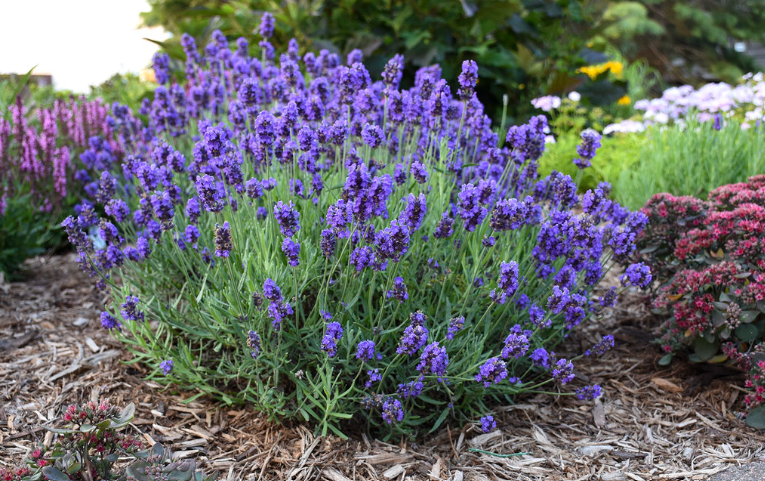
Lavender is one of the most beloved and widely cultivated flowering plants on earth, grown commercially and ornamentally across every inhabited continent for its extraordinary fragrance, beautiful purple flower spikes, and remarkable versatility across perfumery, aromatherapy, herbal medicine, culinary use, and ornamental gardening. Native to the Mediterranean basin, the Canary Islands, Madeira, and parts of the Middle East and India, it has been cultivated by humans for over 2,500 years, used by ancient Egyptians in mummification, by Romans in bathing rituals, and by medieval Europeans as a strewing herb and medicinal plant. The global lavender essential oil market was valued at over 250 million dollars in 2022 and continues to grow at approximately 7 percent annually.
There are approximately 60 recognized lavender species and an estimated 400 to 500 named cultivars available to gardeners today, spanning an extraordinary range of flower colors from classic purple and violet through pink, white, deep indigo, and near-black. Plant sizes range from tiny dwarf cultivars of only 8 to 10 inches to large, spreading varieties exceeding 4 feet in height and spread, with most commonly grown garden types falling between 18 and 30 inches. France, Bulgaria, Australia, and the United Kingdom are among the world’s largest commercial lavender producers, with France’s Valensole Plateau — where lavender fields cover over 15,000 hectares — being the most iconic lavender-growing landscape in the world.
Lavender thrives in full sun with exceptionally well-draining, preferably alkaline to neutral soil and performs best in USDA zones 5 to 9 for the hardiest varieties, with some more tender species limited to zones 7 to 10. It is extraordinarily drought-tolerant once established and one of the most pollinator-friendly garden plants available, consistently attracting bees, butterflies, and other beneficial insects in remarkable numbers throughout its long flowering season. Lavender is consistently ranked among the top five most popular ornamental garden plants in annual surveys of British, American, and Australian gardeners, reflecting its extraordinary and enduring cross-cultural appeal.
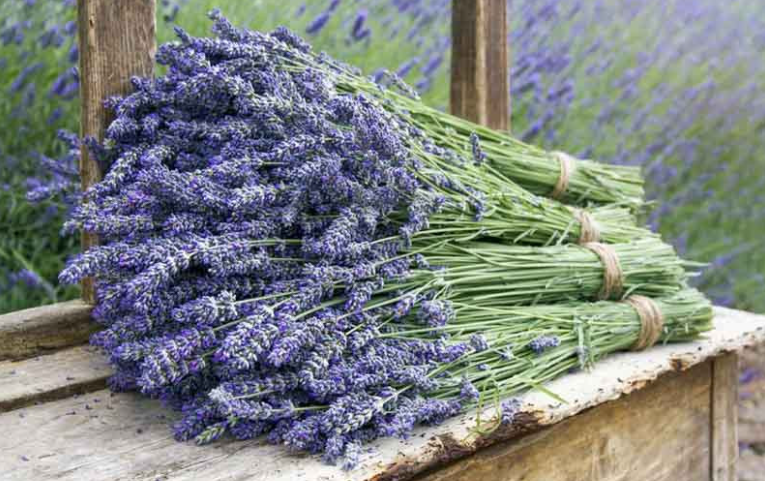
Lavender has an extraordinary range of practical applications that make it unique among ornamental flowering plants. The essential oil distilled from the flowers is one of the most widely used in aromatherapy, natural cosmetics, and household products worldwide, with documented calming, antiseptic, and analgesic properties supported by numerous clinical studies. Culinary lavender — primarily the True Lavender and Lavandin types — is used in Provençal cooking, artisan baked goods, beverages, and the famous French herbes de Provence spice blend. The dried flowers retain their fragrance for months and are one of the most widely used natural materials in sachets, potpourri, and home fragrance products globally.
Also Read: How To Grow And Care For Boston Fern
Types of Lavender Flowers
1. English Lavender (True Lavender)
English Lavender is the most widely grown, most fragrant, and most commercially important lavender in the world, producing slender, elegant, densely flowered spikes of vivid purple to deep violet-blue on upright stems above compact, mounding, silver-grey foliage. It is the primary source of fine lavender essential oil and the lavender of choice for culinary use, dried flower arrangements, and sachets, and it is the most cold-hardy of all lavender species, performing reliably in USDA zones 5 to 8. Named cultivars including Hidcote, Munstead, and Vera are among the most widely planted garden lavenders in the world.
2. Hidcote
Hidcote is the most popular and widely sold named lavender cultivar in the world, developed at the famous Hidcote Manor Garden in Gloucestershire, England, producing dense, compact, rounded mounds of silver-grey foliage reaching only 12 to 18 inches in height topped with an abundance of short, intensely colored, deep violet-purple flower spikes in early to midsummer. The compact, neat habit, rich flower color, and excellent cold hardiness in USDA zones 5 to 8 have made it the benchmark garden lavender against which all others are measured. It is available from virtually every mainstream garden center in the world.
3. Munstead
Munstead is the second most important and widely grown named English lavender cultivar, developed at the garden of the celebrated British gardener Gertrude Jekyll at Munstead Wood in Surrey, England, producing compact, mounding plants of 12 to 18 inches with soft, medium lavender-blue flower spikes of very good fragrance in early summer — typically flowering two to three weeks earlier than Hidcote. The early flowering season, compact habit, excellent cold hardiness in USDA zones 5 to 8, and long cultivation history have made it one of the most beloved and trusted garden lavenders. It is widely available from mainstream nurseries globally.
4. Lavandin (French Hybrid Lavender)
Lavandin is a naturally occurring sterile hybrid between True Lavender and Spike Lavender that produces larger, more vigorous plants reaching 24 to 36 inches in height with longer, more substantial flower spikes than either parent species, a stronger, slightly camphorous fragrance, and significantly higher essential oil yields that have made it the dominant commercially grown lavender in France, Spain, and Bulgaria. It is the lavender of Provence’s famous purple fields and accounts for the majority of commercially produced lavender oil worldwide. It is hardy in USDA zones 5 to 8 and is an outstanding garden plant for large-scale impact.
5. Grosso
Grosso is the most widely grown commercial Lavandin cultivar in the world, covering thousands of hectares of the Valensole Plateau and other lavender-growing regions of southern France and producing extremely vigorous, large plants reaching 24 to 30 inches in height with very long, fat, densely flowered spikes of deep violet-blue in mid to late summer. It has the highest essential oil yield of any lavender cultivar and produces the largest, most impressive dried flower stems of any commonly grown lavender, making it a favorite for both commercial essential oil production and the dried flower trade. It is hardy in USDA zones 5 to 8.
6. Provence
Provence is a popular Lavandin cultivar producing very fragrant, long, elegant, pale lavender-blue flower spikes on vigorous, large plants reaching 24 to 36 inches that are widely grown both commercially and in ornamental gardens across Europe and North America. The soft, pale lavender-blue color is lighter and more pastel than Grosso, giving it a more delicate, romantic appearance, and the very sweet, true lavender fragrance is considered superior for culinary use and potpourri to the more camphorous Grosso. It is hardy in USDA zones 5 to 8.
7. Super
Super is an important commercial Lavandin cultivar widely grown in France and other Mediterranean lavender-producing countries, producing large, vigorous plants with long, well-branched flower spikes of soft lavender to pale violet-blue and a sweet, refined fragrance with less camphor than most Lavandin types. The more refined, less camphorous fragrance of Super makes it a popular choice for premium quality lavender products where a closer fragrance resemblance to fine True Lavender oil is desired. It is hardy in USDA zones 5 to 8 and produces excellent dried flower material.
8. French Lavender
French Lavender is a visually striking and immediately recognizable lavender type producing distinctive, pineapple-shaped, compact flower heads topped with large, showy, wing-like sterile bracts — the decorative purple or pink petal-like structures at the top of each spike that give the flowers their characteristic butterfly-like appearance. It grows to 18 to 24 inches in height and blooms almost continuously from spring through summer in mild climates, making it one of the longest-flowering lavender types. It is hardy in USDA zones 7 to 9 and is more heat-tolerant than True Lavender.
9. Spanish Lavender
Spanish Lavender is closely related to French Lavender and similarly produces distinctive, chunky, egg-shaped flower heads topped with showy, rabbit-ear-like sterile bracts, but with a somewhat more compact habit and a slightly different, more aromatic leaf fragrance. It grows to 18 to 24 inches, blooms prolifically from early spring through summer, and is hardy in USDA zones 7 to 9. It is more drought-tolerant and heat-tolerant than most other lavender types and is an outstanding garden lavender for warm, dry Mediterranean-type climates.
10. Vera (Old English Lavender)
Vera, also called Old English Lavender, is an ancient and historically important English lavender cultivar that is one of the largest-growing of the True Lavender types, reaching 24 to 36 inches in height with long, lax, pale lavender-blue flower spikes and a very sweet, refined, classic lavender fragrance. It has been cultivated in English gardens for centuries and was one of the primary lavenders used in the traditional English lavender water and sachets of the seventeenth to nineteenth centuries. It is hardy in USDA zones 5 to 8 and is widely grown in English cottage garden traditions.
11. Hidcote Pink
Hidcote Pink is a soft pink-flowered cultivar closely related to the standard Hidcote variety but producing the same compact, rounded, 12 to 18 inch habit with flower spikes in a delicate, clear, soft pink rather than the intense purple-violet of the standard form. The pink flower color is unusual among lavenders and suits romantic, cottage-garden, and soft-palette planting schemes where the standard purple lavender would provide too much color contrast. It is hardy in USDA zones 5 to 8 and is widely available from mainstream nurseries.
12. Rosea
Rosea is a widely grown pink-flowered English lavender cultivar producing soft, warm, rose-pink to pale pink flower spikes above compact, silver-grey foliage on plants reaching 18 to 24 inches. The warm rose-pink flower color is one of the more vivid and saturated pink tones available among pink lavender cultivars and suits warm, romantic planting schemes alongside standard purple lavenders and white companions. It is hardy in USDA zones 5 to 8 and is a popular alternative to the standard purple lavenders for gardens where color variety is valued.
13. Nana Alba (Dwarf White Lavender)
Nana Alba is one of the most popular white-flowered lavender cultivars, producing pure, clean white flower spikes on a very compact, neat, rounded plant reaching only 8 to 12 inches in height — one of the smallest of all commonly grown lavender cultivars. The combination of pure white flowers, very compact size, and good cold hardiness in USDA zones 5 to 8 makes it outstanding for edging, rock gardens, containers, and small garden spaces. The white flowers contrast beautifully with the silver-grey foliage and suit formal knot gardens and white garden planting schemes.
Also Read: Types of Rhododendron Flowers
14. Hidcote Superior
Hidcote Superior is an improved selection of the classic Hidcote cultivar producing the same compact, rounded habit and intense deep violet-purple flowers but with slightly more vigorous growth, better resistance to splitting — the tendency of older lavender plants to open up and collapse in the center — and improved overall garden longevity compared to the standard Hidcote form. It reaches 12 to 18 inches in height and is hardy in USDA zones 5 to 8. It is recommended by specialist lavender growers as the preferred replacement for standard Hidcote in garden situations where longevity and structural integrity are valued.
15. Imperial Gem
Imperial Gem is a highly regarded English lavender cultivar producing very neat, compact, rounded plants of 12 to 18 inches with excellent, dense, dark violet-purple flower spikes of very good fragrance and outstanding, long-lasting garden presence. It has received the Royal Horticultural Society’s Award of Garden Merit for outstanding garden performance and is consistently recommended by specialist growers as one of the finest compact English lavender cultivars available. The tidy habit, rich flower color, and good cold hardiness in USDA zones 5 to 8 make it a practical and beautiful garden choice.
16. Melissa
Melissa is a distinctive English lavender cultivar producing soft, pale pink to blush-white flower spikes with an unusually open, delicate flower arrangement on compact plants of 12 to 18 inches. The very soft, almost white-pink flower color is among the palest of any pink lavender cultivar and gives it a particularly delicate, ethereal appearance suited to white and pastel garden schemes. It is hardy in USDA zones 5 to 8 and is popular among gardeners who want the most subtly colored pink lavender available.
17. Twickel Purple
Twickel Purple is a classic English lavender cultivar producing long, elegant, fan-shaped, deep purple flower spikes on rather longer and more spreading stems than the compact Hidcote and Munstead types, reaching 24 to 30 inches in height with a broader, more open habit. The long, distinctive fan-shaped flower spikes are particularly attractive and provide outstanding dried flower material of excellent length and color. It is hardy in USDA zones 5 to 8 and is a popular choice where a slightly larger, more open lavender is preferred over the very compact forms.
18. Lavance Purple
Lavance Purple is a modern hybrid lavender cultivar produced by selective breeding for improved garden performance, producing a very compact, neat, rounded plant of only 10 to 14 inches with very densely clustered, vivid deep violet-purple flower spikes of excellent fragrance and outstanding long-lasting color. It has received recognition for compact habit and prolific flowering in garden trials and is increasingly available from mainstream garden centers as a premium compact lavender. It is hardy in USDA zones 5 to 8.
19. Phenomenal
Phenomenal is one of the most important and exciting modern Lavandin cultivars developed in recent years, combining the large, vigorous, productive qualities of Lavandin types with significantly improved disease resistance — particularly against xylella fastidiosa, the devastating bacterial disease that has devastated lavender plantations across Italy and is spreading through Mediterranean Europe — alongside excellent heat and humidity tolerance. It grows to 24 to 30 inches with long, vivid lavender-blue flower spikes and is hardy in USDA zones 5 to 8. It is increasingly recommended for commercial producers and home gardeners in warm, humid climates where standard lavenders struggle.
20. Edelweiss
Edelweiss is the most popular and widely grown white-flowered Lavandin cultivar, producing pure white flower spikes on large, vigorous, well-branched plants reaching 24 to 30 inches — significantly larger and more productive than the compact white English lavender cultivars. The large, white flower spikes on long, strong stems are outstanding for dried flower arrangements and for creating a distinctive, all-white lavender display in the garden. It is hardy in USDA zones 5 to 8 and is widely available from specialist lavender nurseries.
21. Butterfly
Butterfly is a French lavender cultivar selected for particularly large, showy, wing-like sterile bracts at the top of the flower heads, creating the most dramatic butterfly-like appearance of any French lavender variety. The bracts are very long, vivid purple, and clearly defined, giving each flower head an extraordinary, exotic, tropical-butterfly quality at close range. It grows to 18 to 24 inches and blooms prolifically from spring through summer in USDA zones 7 to 9. It is widely available and enormously popular as a decorative container and garden plant.
Also Read: Different Types of Fern
22. Kew Red
Kew Red is a striking French lavender cultivar producing compact, pineapple-shaped flower heads with unusually vivid, deep cerise-pink to magenta-red sterile bracts at the top — one of the most intensely colored of all French lavender cultivars. Growing to 18 to 24 inches, the vivid, almost hot-pink bracts contrast dramatically with the deep purple fertile flower portion below, creating one of the most colorful and visually distinctive lavender plants available. It is hardy in USDA zones 7 to 9 and is widely available from mainstream garden centers.
23. Madrid Purple
Madrid Purple is a Spanish lavender cultivar producing compact, dense, chunky flower heads with vivid, deep purple sterile bracts on a compact, well-branched plant reaching 18 to 24 inches that blooms very prolifically from early spring through summer. The deep purple, rounded flower heads and showy bracts create a very dense, richly colored display and the plant’s compact habit makes it excellent for container growing. It is hardy in USDA zones 7 to 9 and is widely available from mainstream garden centers across Europe and North America.
24. Madrid Pink
Madrid Pink is the soft pink counterpart to Madrid Purple in the Spanish lavender group, producing the same compact, chunky flower heads but with soft, clear, warm pink sterile bracts above the deep purple fertile flower portion. Growing to 18 to 24 inches and blooming prolifically from spring through summer, it provides a gentler, more romantic pink and purple color combination than the all-purple forms. It is hardy in USDA zones 7 to 9 and is widely available from mainstream garden centers.
25. Papillon
Papillon, meaning butterfly in French, is a French lavender cultivar producing particularly elegant, widely spread, large white to very pale pink sterile bracts above compact, deep purple flower heads on plants reaching 18 to 24 inches. The very pale, almost white bracts create a striking contrast with the dark purple flower heads below and give the plant an unusually delicate, ethereal appearance compared to the more vividly colored standard French and Spanish lavender cultivars. It is hardy in USDA zones 7 to 9.
26. Willow Vale
Willow Vale is an Australian-developed French lavender cultivar producing very large, elongated, attractively shaped flower heads with long, vivid, deep purple sterile bracts on a vigorous plant reaching 24 to 30 inches — one of the largest-growing French lavender cultivars available. The large, well-proportioned flower heads are among the most ornamental of any French lavender variety and the plant’s vigorous habit fills large spaces effectively. It is hardy in USDA zones 7 to 10 and performs particularly well in warm Australian and Californian growing conditions.
27. Marshwood
Marshwood is an exceptional English lavender cultivar producing very large, long, fat, well-formed flower spikes of deep violet-purple on a large, vigorous plant reaching 24 to 30 inches — considerably larger than the standard compact English lavender cultivars. The unusually large flower spike size for an English lavender combined with the outstanding fragrance and excellent cold hardiness in USDA zones 5 to 8 make it a striking and distinctive garden plant. It is recommended by specialist growers for gardeners who want the fragrance qualities of True Lavender in a larger, more impactful garden plant.
28. Hidcote Giant
Hidcote Giant is a large-growing English lavender cultivar that retains the classic, rich, deep violet-purple Hidcote flower color but in a much larger plant reaching 24 to 30 inches in height and spread — approximately twice the size of the standard compact Hidcote. The large, richly colored flower spikes and vigorous, well-branched habit create a very substantial and impressive garden specimen that provides outstanding impact in larger garden settings where the compact standard Hidcote would be lost. It is hardy in USDA zones 5 to 8.
29. Miss Katherine
Miss Katherine is a beautiful, award-winning English lavender cultivar producing soft, warm, deep pink flower spikes of outstanding color intensity and excellent fragrance on a compact, rounded plant of 18 to 24 inches. The deep, warm pink of the flowers is among the most richly colored of any pink English lavender cultivar and has received the Royal Horticultural Society’s Award of Garden Merit for outstanding garden performance. It is hardy in USDA zones 5 to 8 and is widely regarded as the finest pink English lavender cultivar available.
30. Bowles Early
Bowles Early is a historic English lavender cultivar named after the celebrated British plantsman E.A. Bowles, producing soft lavender-blue flower spikes that open significantly earlier than most other English lavender cultivars — typically in late spring rather than midsummer — extending the lavender flowering season earlier into the garden calendar. It grows to 18 to 24 inches in height and is hardy in USDA zones 5 to 8. The very early flowering season combined with the classic, pleasant lavender fragrance makes it a valuable variety for gardeners who want lavender color and scent as early as possible in the season.
31. Dwarf Blue
Dwarf Blue is a compact, reliable English lavender cultivar producing neat, rounded plants of only 10 to 14 inches in height with dense, medium to deep lavender-blue flower spikes of good fragrance. The very compact size suits rock gardens, low edging, small container planting, and the front edge of herb garden borders where taller lavender varieties would be disproportionately large. It is hardy in USDA zones 5 to 8 and is widely available from mainstream garden centers as a reliable, low-maintenance compact lavender option.
32. Folgate
Folgate is an early-flowering English lavender cultivar producing compact, neat plants of 12 to 18 inches with mid-blue to lavender-blue flower spikes that open several weeks before most other English lavender cultivars, filling the early season lavender gap alongside the Munstead and Bowles Early varieties. The early season, compact habit, good fragrance, and cold hardiness in USDA zones 5 to 8 make it a valuable and well-regarded garden lavender. It is recommended by specialist lavender growers as one of the best early-season English lavender cultivars for garden use.
33. Avice Hill
Avice Hill is a compact, refined English lavender cultivar producing neat, rounded plants of 12 to 18 inches with soft, clear pink flower spikes of good fragrance and a very clean, pure pink color that is consistent and long-lasting across the flowering season. It is named after a celebrated English lavender enthusiast and is grown primarily in specialist lavender collections and by dedicated lavender enthusiasts who appreciate the refined quality of its pink flowers. It is hardy in USDA zones 5 to 8.
34. Seal
Seal is one of the largest-growing English lavender cultivars, producing vigorous, substantial plants reaching 30 to 36 inches in height — the largest of any English lavender type — with long, well-formed, pale lavender to mid-blue flower spikes and an outstanding, classic lavender fragrance of exceptional intensity. It was grown commercially at the famous Seal lavender farm in Hitchin, Hertfordshire, England that was one of the most important commercial English lavender operations of the nineteenth and early twentieth centuries. It is hardy in USDA zones 5 to 8.
35. Fred Boutin
Fred Boutin is a large-growing Lavandin cultivar reaching 24 to 36 inches in height with notably silvery, almost white foliage that is among the most silver-toned of any lavender cultivar, creating an outstanding, luminous, two-tone effect of silver foliage and vivid lavender-blue flower spikes in the garden. The exceptional silver quality of the foliage provides year-round ornamental interest even when the plant is not in flower, making it one of the most attractive lavender cultivars for the structural, off-season garden. It is hardy in USDA zones 5 to 8.
36. Delphinensis
Delphinensis is an elegant Lavandin cultivar producing long, exceptionally slender, wand-like flower spikes with a very loose, open flower arrangement that gives the spikes an unusually delicate, airy quality quite unlike the fat, dense spikes of Grosso and other commercial Lavandin cultivars. The plants reach 24 to 30 inches in height and the slender, graceful flower spikes move beautifully in the breeze, creating a particularly naturalistic, informal effect in garden planting. It is hardy in USDA zones 5 to 8 and is popular among garden designers who appreciate a more naturalistic lavender aesthetic.
37. Sawyers
Sawyers is a distinctive, large-growing hybrid lavender cultivar producing some of the longest, most substantial flower spikes of any garden lavender — reaching up to 8 to 10 inches in length — in a soft, clear lavender-blue color on vigorous, large plants reaching 24 to 36 inches in height. The exceptionally long flower spikes provide outstanding cut and dried flower material and create a dramatic garden display unlike any compact English lavender cultivar. It is hardy in USDA zones 5 to 8 and is widely recommended by specialist lavender growers for its extraordinary flower spike size.
38. Lullingstone Castle
Lullingstone Castle is a named English lavender cultivar associated with the historic Lullingstone Castle garden in Kent, England, producing compact plants of 12 to 18 inches with rich, deep violet-purple flower spikes of excellent fragrance and very good garden longevity. It is primarily available from specialist lavender nurseries in the United Kingdom and is valued by enthusiasts for its association with historic English garden heritage alongside its ornamental qualities. It is hardy in USDA zones 5 to 8.
39. Loddon Pink
Loddon Pink is a classic, widely grown pink English lavender cultivar producing soft, warm, clear pink flower spikes on compact, neat plants of 12 to 18 inches with excellent fragrance and good cold hardiness in USDA zones 5 to 8. It is one of the oldest and most established pink English lavender cultivars, having been grown in British gardens for many decades, and remains a popular and widely available choice for gardeners seeking a reliable, well-proven pink lavender. The soft pink flower color suits traditional cottage garden and mixed border planting styles.
40. Twilight Purple
Twilight Purple is a modern English lavender cultivar producing very compact, dense, perfectly rounded plants of only 10 to 14 inches with intensely vivid, deep purple-violet flower spikes that are among the most richly colored of any compact lavender cultivar. The extreme compactness, vivid color, and outstanding cold hardiness in USDA zones 5 to 8 make it particularly suited to container growing, low edging, rock gardens, and small urban garden spaces where a very tidy, compact lavender of maximum color intensity is required.
Also Read: Shrubs With Purple Flowers
41. Goodwin Creek Grey
Goodwin Creek Grey is a distinctive lavender hybrid with exceptionally silvery, woolly, soft-textured foliage — the most silver and woolly-leafed of any commonly grown lavender cultivar — combined with vivid, deep violet-blue flower spikes on a moderately compact plant reaching 18 to 24 inches. The extraordinary silver-woolly foliage provides outstanding year-round ornamental interest and creates a luminous, frosted garden effect unlike any other lavender. It is hardy in USDA zones 7 to 9 and performs particularly well in warm, dry climates where the silvery foliage is most vividly expressed.
42. Barnsley Blue
Barnsley Blue is a compact, reliable English lavender cultivar producing neat, rounded plants of 12 to 16 inches with soft, clear, true lavender-blue flower spikes of very good fragrance and excellent garden performance across a wide range of growing conditions. It is hardy in USDA zones 5 to 8 and is recommended by specialist growers as one of the most garden-reliable and consistently performing compact English lavender cultivars for general purpose garden use. The clear, true blue-lavender flower color is clean and attractive without the tendency to purple or pink that characterizes some other cultivars.
43. Otto Quast
Otto Quast is a popular Spanish lavender cultivar producing very compact, dense, rounded plants of 18 to 24 inches with richly colored, deep purple flower heads and vivid purple sterile bracts that bloom with exceptional prolificacy from early spring through summer. It is one of the most floriferous and long-blooming of all Spanish lavender cultivars and is particularly popular in California and other warm-climate regions where the combination of drought tolerance, heat resistance, and long blooming season make it an outstanding garden performer. It is hardy in USDA zones 7 to 9.
44. Bandera Pink
Bandera Pink is a compact Spanish lavender cultivar producing charming, rounded flower heads with soft, clear pink sterile bracts — one of the most distinctly pink of all Spanish lavender types — on a compact, well-branched plant reaching 12 to 18 inches. The soft pink bracts above the deep purple flower heads create an attractive, bicolor effect and the compact size suits container growing and small garden spaces. It is hardy in USDA zones 7 to 9 and is particularly popular in mild-climate gardens where Spanish lavender types perform reliably.
45. Fragrant Memories
Fragrant Memories is an English lavender cultivar selected specifically for outstanding fragrance intensity — considered by specialist lavender growers to be one of the most powerfully scented of all named English lavender cultivars — producing compact, neat plants of 12 to 18 inches with clear, mid-lavender-blue flower spikes of classic form. The exceptional fragrance intensity makes it the preferred choice for lavender sachets, potpourri, culinary use, and any application where maximum aromatic impact rather than flower color or plant size is the primary requirement. It is hardy in USDA zones 5 to 8.
46. Riverina Thomas
Riverina Thomas is an Australian-developed English lavender cultivar producing large, vigorous, well-branched plants of 24 to 30 inches with very long, richly colored, deep violet-purple flower spikes of excellent fragrance and outstanding productivity. Developed in Australia’s Riverina lavender growing region, it performs particularly well in the warm, dry conditions of Australian and Californian lavender production and has become one of the most commercially important English lavender cultivars for Australian domestic oil and dried flower production. It is hardy in USDA zones 5 to 9.
47. Big Time Blue
Big Time Blue is a modern hybrid lavender cultivar developed for outstanding garden performance in both cool and warm climates, producing vigorous, neat, compact plants of 18 to 24 inches with exceptionally large, fat, densely flowered spikes of vivid, deep blue-violet that are among the most substantial and richly colored flower spikes of any compact garden lavender. It is hardy in USDA zones 5 to 9 and has been selected through extensive trial work for improved heat tolerance, better garden longevity, and outstanding flower productivity. It is increasingly available from mainstream garden centers across North America and Europe.
Also Read: Different Types of Azalea
48. Coconut Ice
Coconut Ice is a French lavender cultivar producing attractive, compact flower heads with unusually soft, pale pink to almost white sterile bracts above the standard deep purple fertile flower portion, creating a soft, bicolor, candy-colored effect reminiscent of the British confection that inspired the name. Growing to 18 to 24 inches and blooming from spring through summer, the soft pink and purple color combination is gentle and romantic. It is hardy in USDA zones 7 to 9 and is popular in container planting and cottage garden schemes.
49. Alba
Alba is the classic, widely grown white-flowered form of English lavender, producing pure, clean white flower spikes on compact to medium-sized plants of 18 to 24 inches with the characteristic silvery-grey foliage and classic lavender fragrance of the True Lavender species in its most refined, white-flowered form. It is hardy in USDA zones 5 to 8 and has been grown in gardens for many centuries as the white-flowered companion to standard purple lavender in formal knot gardens, herb gardens, and parterres. The pure white flowers suit formal white garden planting and classic cottage garden designs equally well.
50. Platinum Blonde
Platinum Blonde is a striking modern lavender cultivar selected primarily for its extraordinary, highly variegated foliage — the leaves are edged and streaked with vivid, bright cream to pale gold-yellow variegation that creates a luminous, two-tone green and cream leaf effect unlike any standard lavender cultivar. The flower spikes are a standard lavender-blue but the primary ornamental value is the remarkable foliage variegation that provides dramatic year-round garden interest. It grows to 18 to 24 inches in height, is hardy in USDA zones 6 to 9, and is available from specialist lavender and perennial plant nurseries.