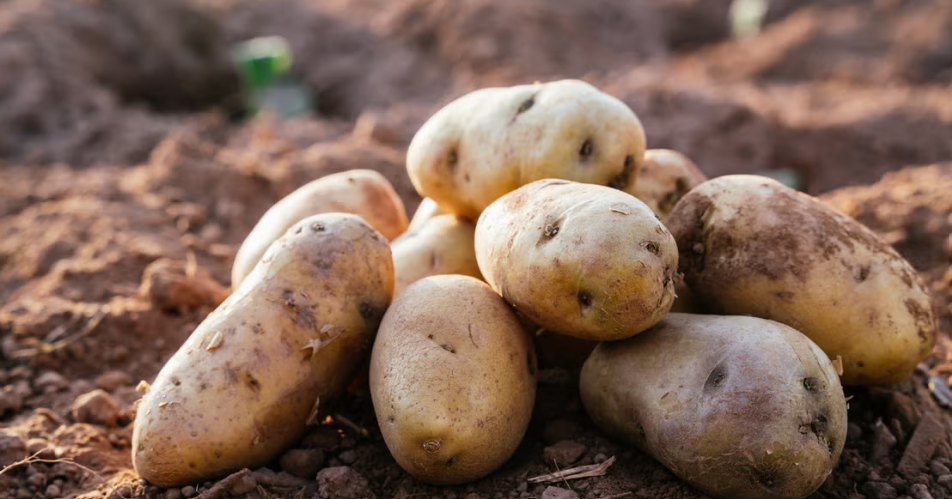
Potatoes are the most widely consumed vegetable in the world and the fourth most important food crop in human history after wheat, rice, and maize, with origins in the high Andes mountains of Peru and Bolivia where they have been cultivated by indigenous peoples for over 8,000 years. Introduced to Europe by Spanish conquistadors in the sixteenth century, they spread with extraordinary speed across the continent to become the dietary staple that sustained the explosive population growth of eighteenth and nineteenth century Europe, and their catastrophic failure in Ireland during the Great Famine of 1845 to 1852 demonstrated more powerfully than any other event in history just how dependent entire civilizations had become on a single crop. Global potato production exceeds 370 million metric tons annually, making it the world’s most produced vegetable, with China, India, Russia, Ukraine, and the United States among the largest producers.
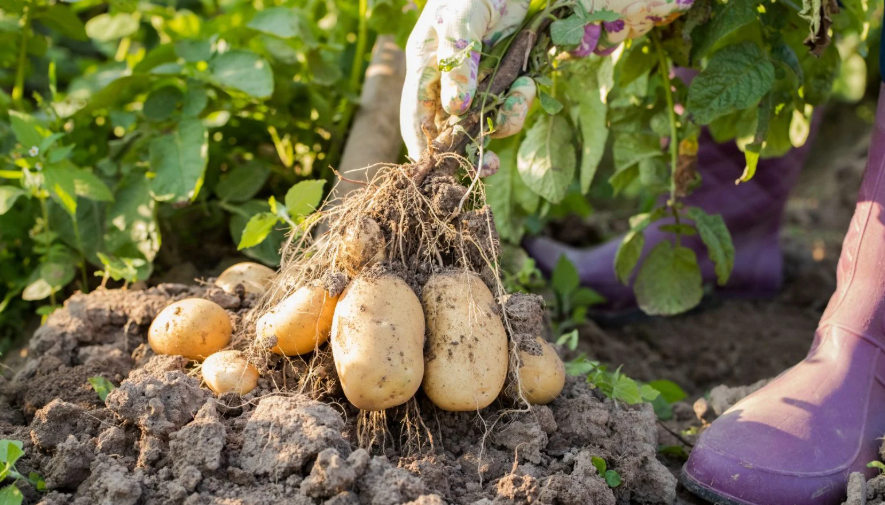
There are over 4,000 varieties of potato documented worldwide, with approximately 150 to 180 varieties grown commercially and hundreds more cultivated by smallholders, home gardeners, and heritage seed preservationists. Potato plants grow from seed tubers — sections of potato containing at least one eye — rather than from true seeds in most commercial and garden production, and most varieties are ready for harvest 70 to 120 days after planting depending on the type and desired maturity. They are grown in USDA zones 3 to 10 as a cool-season crop, preferring soil temperatures between 45°F and 55°F for best tuber development and performing most productively in cool, moist climates with well-draining, slightly acidic soil with a pH between 5.0 and 6.5.
Nutritionally, potatoes are far more valuable than their reputation as a starchy comfort food suggests — a medium-sized potato with skin provides approximately 160 calories alongside significant amounts of potassium, vitamin C, vitamin B6, manganese, and dietary fiber, making them one of the most nutrient-dense staple foods available. The flesh color of potato varieties ranges from white and cream through yellow and gold to vivid orange, pink, red, purple, and near-black, with colored-flesh varieties generally containing higher concentrations of antioxidants including carotenoids and anthocyanins. Potatoes are naturally fat-free, sodium-free, and cholesterol-free in their unprocessed state, and the perception of potatoes as an unhealthy food is largely a reflection of the fats and sodium added during preparation rather than any inherent quality of the potato itself.
Potatoes are consumed in more ways than virtually any other food crop — boiled, baked, roasted, fried, mashed, steamed, grated into latkes, sliced into gratins, dried into instant potato flakes, and processed into chips, wedges, and frozen products that represent one of the largest categories in the global food processing industry. The United States produces approximately 45 billion pounds of potatoes annually, with Idaho producing the most of any state, accounting for around 30 percent of the national crop. The extraordinary diversity of varieties available — spanning every combination of flesh color, skin color, texture, starch content, flavor, maturity date, and culinary application — makes potatoes one of the most varied, culturally significant, and endlessly rewarding crops in the entire history of human agriculture.
Also Read: Different Types of Apples
Types of Potatoes
1. Russet Burbank
Russet Burbank is the most widely grown potato variety in the United States and one of the most commercially important potato varieties in the world, dominating Idaho and Pacific Northwest commercial production and forming the foundation of the American french fry and baked potato industry. It produces large, elongated, rough, brown-skinned tubers with white, very starchy, dry, fluffy flesh that bakes to an extraordinarily light, mealy texture and fries to the crisp, golden perfection that made it the potato of choice for McDonald’s french fries — the most consumed potato product on earth. It matures in 90 to 120 days and is grown across USDA zones 3 to 10.
2. Yukon Gold
Yukon Gold is the most popular all-purpose potato variety in North America, developed by the University of Guelph in Canada and released in 1980, producing medium to large, round to slightly oval tubers with smooth, thin, pale yellow-gold skin and rich, golden, buttery-flavored flesh with a naturally moist, creamy texture that makes it outstanding for boiling, mashing, roasting, and potato salads without the need for large amounts of butter or cream. It matures in 70 to 90 days and is grown across USDA zones 3 to 10, and its combination of outstanding eating quality, attractive appearance, and versatility across cooking methods has made it the dominant fresh market potato in North American retail over the past two decades.
3. Red Pontiac
Red Pontiac is one of the most widely grown red-skinned potato varieties in North America, producing large, round, deep red-skinned tubers with white, moist, waxy flesh of good eating quality that is particularly well-suited to boiling, steaming, and potato salads where the waxy texture holds together rather than falling apart as starchy varieties do. It matures in 80 to 90 days and is grown across USDA zones 3 to 10, adapting well to a wider range of soil types and conditions than many other varieties. The deep red skin is one of the most vivid of any red potato variety and makes it one of the most visually attractive options for fresh market retail.
4. Kennebec
Kennebec is one of the most important and widely grown all-purpose potato varieties in the United States, developed by the USDA and released in 1948, producing large, oval, smooth, thin, buff-white-skinned tubers with white, medium-starch flesh that is excellent for frying, baking, boiling, and chip production. It matures in 80 to 90 days and is the potato of choice for many high-end restaurants and artisan chip producers who prize its clean, slightly sweet flavor and the quality of the fried products it produces. It shows good resistance to common potato diseases and adapts well to a wide range of growing conditions across USDA zones 3 to 10.
5. Fingerling Potato
Fingerling potatoes are a category of small, slender, finger-shaped potato varieties rather than a single variety, producing elongated tubers 2 to 4 inches long in a range of skin and flesh colors including yellow, red, orange, and purple. They are harvested young and tender at 70 to 90 days and are primarily roasted whole in olive oil where their thin skin crisps beautifully and the dense, waxy, very flavorful flesh develops concentrated, nutty, complex flavors superior to larger potato varieties for roasting applications. They have become enormously popular in upscale fresh market retail and restaurant cooking over the past two decades.
6. Baby Potatoes
Baby Potatoes are small, bite-sized tubers of various varieties harvested very young at 60 to 70 days before they reach full size, typically measuring 1 to 1.5 inches in diameter, with thin, delicate skin that does not need peeling and tender, waxy, very moist flesh of mild, sweet, fresh flavor. They are widely available in mixed color bags at supermarkets combining red, white, and yellow-skinned small tubers and are primarily roasted, boiled, or steamed whole as a convenient, visually attractive side dish. The convenience of not requiring peeling and the attractive, colorful presentation have made baby potato bags one of the most successful fresh potato retail products globally.
7. Adirondack Blue
Adirondack Blue is a striking specialty potato developed by Cornell University, producing medium-sized, round to slightly oval tubers with vivid, deep blue to purple skin and extraordinarily vivid, deep blue-purple flesh throughout — one of the most intensely colored of all potato varieties. The vivid color is produced by anthocyanin pigments that provide significant antioxidant activity, and the flesh retains a pleasant, if somewhat muted, blue-purple color even after cooking. It matures in 80 to 90 days, has a slightly earthy, nutty flavor, and is grown across USDA zones 3 to 10. It is particularly popular at farmers markets for the dramatic visual impact of the cut flesh.
8. Adirondack Red
Adirondack Red is the red-fleshed companion variety to Adirondack Blue, also developed by Cornell University, producing medium-sized, round to oval tubers with vivid red skin and strikingly vivid pink to red flesh throughout that retains much of its color after cooking. It matures in 80 to 90 days and has a pleasant, mildly earthy, slightly sweet flavor and waxy texture well-suited to boiling, roasting, and potato salads. The vivid red flesh contains lycopene and other antioxidant pigments, giving it enhanced nutritional value compared to white-fleshed varieties. It is an outstanding visual variety for farmers markets and specialty food retail.
9. Purple Majesty
Purple Majesty is a commercially important purple-fleshed potato variety developed specifically for the fresh and specialty processed potato market, producing large, uniformly round to oval tubers with deep purple skin and very deep, vivid purple flesh throughout. It matures in 80 to 90 days and was the first purple-fleshed potato variety developed specifically for commercial fresh market production rather than as a specialty or novelty variety. The deep purple flesh contains very high levels of anthocyanin antioxidants and has a pleasantly mild, slightly earthy, nutty flavor with a medium-starchy texture that suits roasting, baking, and mashing. It is available in mainstream supermarkets alongside standard potato varieties.
10. Russet Norkotah
Russet Norkotah is one of the most widely planted commercial russet potato varieties in the American West, developed as an earlier-maturing, more uniform alternative to the classic Russet Burbank for commercial fresh market production. It produces large, elongated, well-shaped russet-skinned tubers with white, starchy, dry flesh of good baking and frying quality, maturing approximately 2 to 3 weeks earlier than Russet Burbank at 80 to 100 days. It dominates commercial potato production in parts of Colorado, North Dakota, and other western states and is one of the most important fresh-market russet varieties in North American retail.
11. German Butterball
German Butterball is a highly regarded, heirloom-type potato producing medium to large, round to oval, pale yellow-skinned tubers with very rich, golden-yellow, buttery-flavored flesh of exceptional eating quality that rivals Yukon Gold in flavor intensity but with a denser, more starchy texture that suits baking and roasting as well as boiling and mashing. It matures in 80 to 100 days and is grown across USDA zones 3 to 10. It is a treasured variety among serious home gardeners and specialty farmers market producers who value the depth of flavor and versatility of this outstanding yellow-fleshed variety over many more widely marketed alternatives.
12. Norland
Norland is an important early-maturing red-skinned potato variety developed at North Dakota State University, producing medium-sized, round to oblong, smooth, bright red-skinned tubers with white, waxy, moist flesh of pleasant, mild flavor that is excellent for boiling, steaming, and potato salads. It matures in 65 to 70 days — one of the earliest of any commonly grown variety — making it particularly valuable for gardeners who want the first fresh new potatoes of the season as early as possible. It is cold-hardy in USDA zones 3 to 8 and is one of the most widely recommended early-season red potato varieties for northern home garden production.
13. Désirée
Désirée is the most widely grown and commercially important potato variety in the United Kingdom and one of the most important commercial varieties across Europe, producing large, oval, smooth, vivid red-skinned tubers with pale yellow, waxy to medium-starchy, very flavorful flesh of outstanding culinary versatility. It matures in 80 to 110 days and adapts well to a wide range of soil types and climates, showing good drought tolerance and resistance to cracking under variable soil moisture conditions. The combination of attractive vivid red skin, excellent flavor, and outstanding adaptability across cooking methods has made it one of the most consistently popular potato varieties in European home garden production for several generations.
14. Maris Piper
Maris Piper is the most widely grown potato variety in the United Kingdom by area planted, accounting for a very significant proportion of total British commercial potato production, and producing large, oval, cream-skinned, floury-fleshed tubers with a high starch content and a distinctive, excellent, clean, pleasant flavor that makes it outstanding for chipping, roasting, and mashing — the three most important potato cooking methods in British cuisine. It matures in 90 to 110 days and is the definitive British chip potato, chosen by a large majority of British fish and chip shops for producing the perfectly textured, crisp-outside, fluffy-inside chips that are the national comfort food. It is grown across USDA zones 5 to 8.
15. King Edward
King Edward is one of the most famous and beloved British heirloom potato varieties, first introduced in 1902 and remaining one of the most popular premium potato varieties in British supermarkets and greengrocers for well over a century. It produces large, kidney-shaped tubers with distinctive, attractive, cream and pink-flushed skin and white, very floury, dry, starchy flesh of outstanding flavor that makes it particularly prized for roasting — producing the crispest, fluffiest roast potatoes of any widely available variety — and for baking and mashing. It matures in 100 to 120 days and is grown across USDA zones 5 to 8.
16. Charlotte
Charlotte is the most popular salad potato variety in the United Kingdom, producing small to medium, elongated, smooth, pale yellow-skinned tubers with pale yellow, very waxy, firm, moist, very flavorful flesh that holds together perfectly when boiled or steamed and has a pleasantly nutty, sweet, buttery flavor considered by many British cooks to be the finest of any salad potato variety. It matures in 75 to 90 days and the firm, waxy flesh makes it outstanding for potato salads, warm dressed potato salads, and cold buffet preparations where the potato must hold its shape after cooking without falling apart. It is grown across USDA zones 5 to 8.
17. Jersey Royal
Jersey Royal is the most prestigious potato variety produced in the United Kingdom, grown exclusively on the island of Jersey in the English Channel under a Protected Designation of Origin that restricts the Jersey Royal name to potatoes grown in Jersey’s unique, steeply terraced, south-facing hillside fields. It produces small, kidney-shaped, very thin-skinned, very waxy, pale yellow-fleshed new potatoes of exceptional sweetness, tenderness, and delicate flavor that are available only for a brief window in late spring — typically April through June — when demand massively exceeds supply and they command premium retail prices. They are best eaten simply boiled and dressed with butter and mint.
18. Pink Fir Apple
Pink Fir Apple is one of the most distinctive and characterful heirloom potato varieties, producing extraordinarily long, knobbly, irregularly shaped, pink to buff-skinned fingerling-type tubers that look quite unlike any other commonly grown potato variety and have a firm, waxy, very smooth, pale yellow flesh with an exceptional, pronounced, nutty, buttery flavor that is considered by many food writers and chefs to be among the finest-tasting of any potato variety grown in Britain. It matures late at 110 to 130 days and the tubers keep exceptionally well through winter. It is a treasured heritage variety grown primarily in home gardens and by specialty market gardeners.
19. Nicola
Nicola is an important European salad potato variety widely grown across Germany, France, and other Central and Western European countries, producing medium-sized, long-oval, smooth, pale yellow-skinned tubers with very waxy, firm, rich, golden-yellow flesh of excellent, buttery, sweet flavor that holds together beautifully after boiling and steaming. It matures in 80 to 100 days and is considered by German potato enthusiasts to be one of the finest and most flavorful salad potato varieties available, with a depth and richness of flavor that surpasses many other waxy varieties. It is grown across USDA zones 5 to 8 and is increasingly available from specialist seed potato suppliers in North America.
20. Kipfler
Kipfler is an Austrian heirloom fingerling potato variety widely grown across Europe and Australia, producing long, slender, slightly curved, pale yellow-skinned tubers with rich, waxy, dark yellow to golden flesh of outstanding, nutty, buttery, complex flavor that is widely considered among the finest-eating of all European heirloom fingerling varieties. It matures in 90 to 110 days and is a favorite of Australian chefs and home cooks for roasting and warm potato salads where the rich flavor and firm, waxy texture are shown at their best. It is grown across USDA zones 5 to 9 and is increasingly available from specialty seed potato suppliers worldwide.
21. Russian Banana
Russian Banana is a popular Russian-origin fingerling potato variety widely grown across North America and Europe, producing long, slender, banana-curved, pale yellow-skinned tubers with rich, golden, firm, waxy flesh of excellent, nutty, buttery flavor and a very smooth texture that makes it outstanding for roasting and warm salads. It matures in 80 to 90 days and is one of the most widely available and recommended fingerling potato varieties for home garden production in North America, combining good productivity with outstanding eating quality that is clearly superior to standard round potato varieties for roasted and salad preparations. It is grown across USDA zones 3 to 10.
Also Read: Types of Pumpkins
22. French Fingerling
French Fingerling is a beautiful American fingerling potato variety producing distinctively shaped, elongated, slightly flattened tubers with striking pink to red-pink skin and pale yellow flesh streaked with pink near the skin that creates a beautiful visual effect when the potato is sliced. It matures in 80 to 90 days, has a firm, waxy, smooth texture and a pleasant, mild, buttery flavor with good moisture content, and is particularly popular among specialty growers and farmers market vendors for the visual appeal of both the whole and cut tubers. It is grown across USDA zones 3 to 10.
23. La Ratte
La Ratte is a classic, prestigious French fingerling potato variety — the name means the rat, referring to the shape — producing small, elongated, slightly curved, smooth, pale yellow-skinned tubers with very rich, waxy, golden-yellow flesh of exceptional, nutty, chestnut-like flavor that is considered by French chefs to be the most refined and complex-flavored of all French potato varieties. It matures in 90 to 100 days and is widely grown in France for the premium fresh potato market where it commands significantly higher prices than standard varieties. It is grown across USDA zones 5 to 8 and is available from specialist seed potato suppliers in North America.
24. Bintje
Bintje is the most important commercial potato variety in the Netherlands and one of the most widely grown potato varieties in Europe, developed in the Netherlands in 1905 and producing large, oval, smooth, pale yellow-skinned tubers with pale yellow, medium-starchy, all-purpose flesh of good, clean, pleasant flavor suitable for boiling, mashing, frying, and chip production. It matures in 90 to 110 days and has been the foundational commercial potato of the Belgian and Dutch french fry industry for many decades — the basis of the thin, double-fried Belgian frites that are considered the finest french fries in the world. It is grown across USDA zones 4 to 8.
25. Agria
Agria is one of the most important commercial potato varieties in Germany, New Zealand, and several other countries, producing large, oval, pale yellow-skinned tubers with rich, deep golden-yellow, medium to high-starch flesh of outstanding flavor and excellent frying, roasting, and mashing quality. It matures in 90 to 110 days and is widely regarded as one of the finest all-purpose yellow-fleshed potato varieties available for both commercial production and home garden growing. The exceptional depth of yellow coloring in the flesh — more vivid than Yukon Gold in many conditions — and the outstanding flavor make it one of the most highly regarded yellow-fleshed potato varieties in European production.
26. Monalisa
Monalisa is an important Dutch commercial potato variety producing large, oval, smooth, pale yellow-skinned tubers with pale yellow, waxy to medium-starchy, pleasant-flavored flesh of good all-purpose cooking quality. It matures in 80 to 100 days and is grown commercially across Europe and exported globally as a fresh market potato. The consistent, uniform appearance of the tubers and the good cooking quality across multiple preparation methods make it a practical and reliable commercial variety widely grown for supermarket fresh potato supply chains across Europe.
27. Spunta
Spunta is an important Dutch commercial potato variety widely grown across the Mediterranean — particularly in Italy, Greece, and Egypt — where its adaptation to warm-climate growing conditions and good fresh market quality have made it one of the most commercially important potato varieties in Mediterranean production. It produces large, elongated, smooth, pale yellow-skinned tubers with pale yellow, waxy, moist, pleasant-flavored flesh that is good for boiling and general cooking. It matures in 80 to 100 days and adapts particularly well to the warm, dry Mediterranean growing conditions that challenge most northern European potato varieties.
28. Kerr’s Pink
Kerr’s Pink is a classic Scottish heirloom potato variety that has been grown in Ireland and Scotland since 1917 and remains one of the most popular traditional potato varieties in Ireland, producing large, round, pale pink to cream-skinned tubers with white, very floury, dry, mealy flesh of excellent flavor that is outstanding for baking, mashing, and roasting. It matures in 100 to 120 days and is deeply embedded in Irish potato culture as one of the foundational traditional varieties associated with the revival of Irish potato growing after the Great Famine. It is grown across USDA zones 4 to 8.
29. Records
Records is an important Dutch commercial potato variety producing very large, oval, smooth, pale yellow to buff-skinned tubers with white, medium-starchy flesh of good cooking quality used primarily for commercial processing — particularly french fry and crisps production. It matures in 90 to 110 days and has been widely grown across Europe and other potato-producing regions for commercial processing applications where large, uniform tuber size is the primary commercial requirement. It is grown primarily in commercial operations rather than home garden production.
30. Vivaldi
Vivaldi is a popular modern UK-developed potato variety producing medium to large, smooth, oval, pale yellow-skinned tubers with rich, golden-yellow, waxy to medium-starchy flesh of very good flavor and outstanding versatility across cooking methods from boiling and steaming through to roasting and baking. It matures in 80 to 100 days and has become one of the most popular fresh market potato varieties in the United Kingdom for its exceptional all-round performance, attractive appearance, and the naturally buttery flavor of the yellow flesh that reduces the need for added butter in mashed potato preparations. It is grown across USDA zones 5 to 8.
31. Anya
Anya is a distinctive UK salad potato variety producing small, elongated, knobbly, slightly irregular, pinkish-buff-skinned tubers with firm, waxy, pale cream flesh of pleasant, mild, nutty flavor that matures in 80 to 90 days and is excellent for boiling and warm potato salads. It is a cross between Désirée and Pink Fir Apple and inherits the good flavor and firm texture of both parents in a somewhat more manageable and uniform form than the highly irregular Pink Fir Apple. It is widely available in British supermarkets as a premium salad potato and is grown primarily in the United Kingdom and Ireland.
32. Shetland Black
Shetland Black is a very old Scottish heirloom potato originating on the Shetland Islands north of mainland Scotland, producing small to medium, round to oval, very dark, near-black-skinned tubers with white flesh stained with a deep purple ring just inside the skin that creates a dramatic visual effect when the potato is cut. It matures in 100 to 120 days and has a floury, dry, strongly flavored flesh with a distinct, earthy, slightly smoky character quite unlike standard potato varieties. It is a treasured heritage variety maintained by Scottish seed potato preservationists and heritage kitchen gardeners and is available from specialist heritage seed potato suppliers.
33. Highland Burgundy Red
Highland Burgundy Red is a stunning Scottish heritage potato producing medium-sized, round to oval, deep red-skinned tubers with vivid, striking, dark red to burgundy flesh throughout — one of the most dramatically colored of all red-fleshed potato varieties. It matures in 90 to 110 days and the vivid red flesh — which fades considerably during cooking but retains a pleasant pink to red tinge — has a pleasant, slightly earthy, moderately floury texture and mild flavor. It is grown primarily by heritage potato enthusiasts and specialty market gardeners in Scotland and northern England who value its extraordinary appearance and historical significance.
34. Purple Peruvian
Purple Peruvian is an heirloom fingerling potato variety originating in the Andes of South America where purple and blue-fleshed potatoes have been cultivated for thousands of years, producing small, elongated, slightly irregular, deep purple-skinned fingerling tubers with vivid, deep purple flesh throughout that retains its striking color after cooking. It matures in 90 to 100 days and has a pleasant, earthy, slightly nutty, moist, waxy texture well-suited to boiling and roasting. The extraordinary vivid purple flesh makes it one of the most visually spectacular of all potato varieties and a popular specialty item at farmers markets and in mixed color baby potato bags.
35. All Blue
All Blue is an American heirloom potato variety producing medium to large, oblong, deep blue to purple-skinned tubers with vivid, uniformly deep blue to purple flesh throughout that retains much of its striking color after cooking. It matures in 80 to 90 days and has a pleasantly earthy, slightly nutty flavor and medium-starchy texture that is good for baking, boiling, and roasting. The very vivid, uniformly blue flesh creates spectacular visual impact in mashed potato preparations, gratins, and potato soups where the blue-purple color transforms the dish visually. It is widely available from specialty and heirloom seed potato suppliers across North America.
36. Caribe
Caribe is a visually striking potato variety producing large, oval, vivid purple to blue-purple skinned tubers with bright white, very starchy, fluffy flesh that creates a dramatic contrast between the vivid colored skin and the white interior. It matures in 70 to 80 days — relatively early for a large-tuber variety — and the high starch content of the white flesh makes it excellent for baking and mashing. The combination of vivid purple skin and white flesh and the good eating quality of the starchy white interior have made it a popular specialty variety in North American farmers markets and among home gardeners who appreciate visual variety in their potato crop.
37. Huckleberry Gold
Huckleberry Gold is a distinctive specialty potato variety producing medium to large, round to oval tubers with vivid, deep purple to burgundy skin and rich, golden-yellow, medium-starchy flesh that creates a striking, dramatic contrast between the purple exterior and the golden interior when the potato is cut. It matures in 80 to 90 days and the golden flesh has a pleasant, buttery, moderately rich flavor and a versatile texture good for roasting and baking where the contrasting colors show most effectively. It is a popular specialty variety at farmers markets and in mixed color potato displays.
38. Cranberry Red
Cranberry Red is a distinctive specialty potato variety producing medium-sized, round to oval tubers with vivid, deep cranberry-red to magenta skin and pale cream to white flesh streaked with vivid red near the skin, creating an attractive visual pattern when the potato is sliced. It matures in 80 to 90 days and has a pleasant, mild, slightly earthy flavor and waxy, moist texture well-suited to boiling, roasting, and potato salads where the vivid skin color and attractive red-streaked flesh provide visual appeal. It is a popular specialty and farmers market potato variety in North America.
39. Rose Finn Apple
Rose Finn Apple is an heirloom fingerling potato variety producing long, slender, slightly curved, rose-pink to salmon-pink-skinned tubers with very firm, waxy, golden-yellow flesh of outstanding, rich, buttery, nutty flavor considered by many specialty potato growers to be one of the finest fingerling varieties for eating quality. It matures in 80 to 95 days and the firm, waxy texture is outstanding for roasting and warm salads where the potato holds its shape and concentrates the exceptional flavor during cooking. It is a popular and widely grown heirloom fingerling variety in North America, available from specialty seed potato suppliers.
40. Banana Fingerling
Banana Fingerling is an heirloom potato variety producing small to medium, long, slender, smooth, pale yellow-skinned tubers with rich, golden-yellow, waxy, very smooth-textured flesh of excellent, buttery, nutty flavor that bears a resemblance to the Russian Banana fingerling type but with slightly shorter, less curved tubers and somewhat richer yellow coloring in the flesh. It matures in 75 to 90 days and is an excellent variety for roasting and potato salads where the rich flavor and firm texture are shown at their best. It is available from specialty seed potato suppliers in North America.
41. Irish Cobbler
Irish Cobbler is one of the oldest and most historically important potato varieties in the United States, widely grown across the eastern and Midwest United States since the nineteenth century and remaining one of the most popular early-maturing heirloom varieties for home garden production. It produces medium to large, round, slightly irregular, cream to buff-skinned tubers with white, moderately starchy, dry, very flavorful flesh of excellent eating quality that matures in 65 to 75 days — one of the earliest of any commonly grown American potato variety. It is cold-hardy in USDA zones 3 to 8.
42. Superior
Superior is an important early-season commercial potato variety developed at the University of Wisconsin, producing large, round to oval, smooth, white to cream-skinned tubers with white, medium-starchy flesh of good all-purpose cooking quality. It matures in 65 to 75 days — making it one of the earlier commercial potato varieties — and shows good resistance to common scab, one of the most prevalent potato skin diseases in home garden and commercial production. It is grown across USDA zones 3 to 9 and has been an important fresh market early-season potato variety in the American Midwest for several decades.
43. Pontiac
Pontiac is a classic American red-skinned potato variety and one of the parents of the widely grown Red Pontiac, producing large, round, deep red-skinned tubers with white, waxy, moist flesh of good eating quality that is well-suited to boiling, steaming, and potato salads. It matures in 80 to 90 days and has been grown in American home gardens since the mid-twentieth century as one of the reliable, productive, adaptable red potato varieties for general garden production. It is grown across USDA zones 3 to 10.
44. Katahdin
Katahdin is one of the most important and historically significant potato varieties developed in the United States, bred by the USDA and released in 1932, producing large, round to oval, smooth, buff to pale tan-skinned tubers with white, moderately starchy, all-purpose flesh of good, clean, mild flavor suitable for boiling, baking, and frying. It matures in 80 to 90 days and for several decades was one of the most widely grown commercial potato varieties in the northeastern United States and eastern Canada. It shows good resistance to common potato diseases and adapts well to a wide range of growing conditions across USDA zones 3 to 9.
45. Atlantic
Atlantic is one of the most important commercial potato varieties for chip and crisp production in the United States and worldwide, producing large, round, buff to cream-skinned tubers with white, very high-starch, dry flesh that fries to an extraordinarily crisp, light, uniform chip with minimal oil absorption and excellent color. It matures in 90 to 110 days and is grown primarily for the processed potato industry rather than the fresh market, accounting for a very large proportion of the commercial potato chip production in the United States. It is grown across USDA zones 3 to 9 primarily in commercial operations.
46. Snowden
Snowden is another important commercial chip-processing potato variety producing large, round, smooth, white to cream-skinned tubers with white, very high-starch, very dry flesh of excellent chip-frying quality that produces light, crisp, well-colored chips with good oil absorption characteristics. It matures in 100 to 120 days and is grown primarily for the commercial chip processing industry across the Midwest and eastern United States where it is one of the important varieties supplying the American potato crisp manufacturing sector. It is grown primarily in commercial operations across USDA zones 3 to 8.
Also Read: Different Types of Cabbages
47. Elba
Elba is a large, round, buff-skinned commercial potato variety producing tubers with white, moderately starchy flesh of good all-purpose cooking quality and excellent resistance to late blight — the devastating potato disease caused by Phytophthora infestans that triggered the Irish Potato Famine. The outstanding late blight resistance makes it one of the most valuable commercial varieties for regions where late blight is a persistent, season-ending problem. It matures in 90 to 110 days and is grown across USDA zones 3 to 8, valued in both commercial production and organic farming systems where chemical blight control is not used.
48. Chieftain
Chieftain is a popular red-skinned potato variety widely grown in the American Midwest and Great Plains, producing large, oval to oblong, smooth, bright red-skinned tubers with white, waxy to medium-starchy, very smooth, moist flesh of excellent eating quality well-suited to boiling, steaming, and potato salads. It matures in 80 to 90 days and the particularly smooth, attractive skin and consistent, uniform tuber shape have made it a popular fresh market variety in the central United States. The skin color is a particularly vivid, consistent, and attractive red that holds well through the marketing chain.
49. Ranger Russet
Ranger Russet is an important commercial russet potato variety widely grown in Idaho and other Pacific Northwest potato-producing regions as an alternative to Russet Burbank, producing large, long, well-shaped, classic russet-skinned tubers with white, very starchy, dry, fluffy flesh of excellent baking and frying quality. It matures in 90 to 110 days — somewhat earlier than Russet Burbank — and shows improved resistance to several important potato diseases compared to the older standard russet varieties. It is one of the most commercially important russet potato varieties in the American West and is grown across USDA zones 4 to 9.
50. Umatilla Russet
Umatilla Russet is a significant commercial russet variety developed specifically for the fresh market and processing industry in the Pacific Northwest, producing large, elongated, well-shaped, classic russet-skinned tubers with white, high-starch flesh of good baking and frying quality. It matures in 90 to 110 days and shows good resistance to several potato diseases including hollow heart — a physiological disorder causing a hollow cavity in the center of the tuber — which reduces quality in some other russet varieties. It is grown commercially across Idaho, Washington, and Oregon across USDA zones 4 to 9.
51. Satina
Satina is a German potato variety now widely grown across Europe and increasingly in North America, producing medium to large, oval, smooth, attractive, golden-yellow-skinned tubers with very rich, golden-yellow, waxy to medium-starchy flesh of outstanding, buttery flavor and a silky smooth texture that makes it one of the finest all-purpose potato varieties for both fresh market retail and home garden production. It matures in 80 to 100 days and is widely grown in Germany, Austria, Switzerland, and other Central European countries where it has become one of the most popular and widely available potato varieties for consumers who prioritize flavor above all other characteristics.
52. Bamberg
Bamberg, also called Bamberger Hörnchen, is a prestigious German heirloom fingerling potato from the Bamberg region of Bavaria, producing small, very elongated, curved, horn-shaped, pale yellow to buff-skinned tubers with very firm, waxy, golden-yellow flesh of exceptional, complex, nutty, buttery flavor that is considered by German potato enthusiasts to be among the finest-tasting of any German potato variety. It holds a protected status as a traditional agricultural product of the Bamberg region and is available only from specialist German potato growers. It matures in 90 to 110 days and is an extraordinarily flavorful variety for warm potato salads and roasting.
53. Annabelle
Annabelle is a highly regarded European salad potato variety producing small to medium, elongated, smooth, pale yellow-skinned tubers with very firm, waxy, golden-yellow flesh of excellent, rich, sweet, buttery flavor of high consistency and quality. It matures in 75 to 90 days and is particularly popular in France and Germany where it is marketed as a premium salad potato and commands higher retail prices than standard varieties. The combination of waxy texture, excellent flavor, and consistent quality across a range of cooking methods — from boiling to roasting — have made it one of the most sought-after European salad potato varieties.
54. Picasso
Picasso is one of the most visually distinctive and immediately recognizable potato varieties in European retail, producing large, round to oval, pale cream to white-skinned tubers dramatically marked with vivid, irregular splashes and patches of deep pink to red around the eyes that create an almost painted, artistic appearance — quite unlike any other commonly grown commercial potato variety. It matures in 90 to 110 days and has pale yellow, waxy to medium-starchy flesh of good, pleasant, mild flavor and decent versatile cooking quality for boiling, steaming, and general use. The extraordinary, eye-catching appearance of the tubers has made it a popular and consistently recognizable variety in European supermarket fresh potato displays, and it is grown commercially across the Netherlands, the United Kingdom, and other European potato-producing countries across USDA zones 5 to 8.
55. Vitelotte
Vitelotte is a very old, very distinctive French and Belgian heirloom potato variety producing small, elongated, irregular, very dark blue-purple-skinned fingerling tubers with equally vivid, deep blue-purple flesh throughout that is among the darkest of any potato variety and retains its striking color well after cooking. It matures in 100 to 120 days and has a dense, dry, slightly floury texture with a distinctive, rich, chestnut-like, earthy flavor that is more complex and pronounced than most potato varieties. It is a treasured heritage variety in French cuisine where it is occasionally used in upscale restaurant cooking for its dramatic visual impact.
56. Perle Noire
Perle Noire, meaning Black Pearl in French, is a distinctive specialty potato variety producing small, round, very dark, near-black-skinned tubers with vivid, deep dark purple to near-black flesh throughout that is among the most dramatically colored of any commonly grown potato variety. It matures in 90 to 100 days and has a pleasant, earthy, slightly nutty, moderately firm, waxy texture well-suited to boiling and roasting where the extraordinary dark flesh color creates maximum visual impact in the finished dish. It is available from French and specialist European seed potato suppliers.
57. Cara
Cara is an important Irish and British commercial potato variety producing large, round to oval, pale cream to white-skinned tubers with pink eyes and cream to white, waxy to medium-starchy flesh of good, pleasant, mild flavor suitable for boiling, steaming, and general cooking. It matures in 100 to 120 days and shows excellent resistance to drought and to the hollow heart disorder that reduces quality in some other large-tuber varieties. It is one of the most widely grown main-crop potato varieties in Ireland and is available from mainstream British and Irish seed potato suppliers.
58. Rooster
Rooster is the most popular potato variety in Ireland, commanding a very large share of the Irish fresh potato market, and producing large, round to oval, vivid red-skinned tubers with pale yellow, medium-starchy, very smooth, creamy flesh of outstanding, rich, buttery flavor and a texture that suits boiling, mashing, roasting, and baking equally well. It matures in 100 to 120 days and the combination of outstanding flavor, attractive red skin, versatile cooking quality, and reliable productivity in Irish growing conditions have made it the definitive Irish table potato for home cooking across the country. It is grown primarily in Ireland and the UK.
59. Doon Star
Doon Star is an early-maturing Indian potato variety developed by the Central Potato Research Institute, producing medium to large, oval, smooth, white-skinned tubers with white, medium-starchy flesh of good cooking quality adapted to the warm-climate growing conditions of the Indian subcontinent. India is the world’s second-largest potato producer, growing potatoes across a wide range of climates from the cool Himalayan foothills to the hot plains of the Punjab and Uttar Pradesh, and varieties like Doon Star adapted to these specific conditions are important components of Indian commercial potato production.
60. Kufri Jyoti
Kufri Jyoti is the most widely grown potato variety in India, developed by the Central Potato Research Institute at Kufri in Himachal Pradesh, producing large, oval, smooth, white-skinned tubers with white, medium-starchy flesh of good cooking quality adapted to a wide range of Indian growing conditions from cool hill regions to warm plains. It is an exceptionally productive variety adapted to the diverse agroclimatic conditions of Indian potato production and forms the backbone of commercial potato farming across much of the Indian subcontinent. India grows potatoes across approximately 2 million hectares annually.
61. Shepody
Shepody is an important Canadian commercial potato variety widely grown in New Brunswick and other Atlantic Canadian provinces, producing large, elongated, smooth, white to cream-skinned tubers with white, high-starch, dry flesh of excellent french fry quality that makes it one of the most commercially important processing potato varieties in eastern Canada. It matures in 80 to 90 days — earlier than many other high-starch processing varieties — and is particularly valued for early-season french fry production where the combination of good starch content and early maturity fills a commercial gap before the main-season russet varieties are ready. It is grown across USDA zones 3 to 8.
62. Innovator
Innovator is a modern commercial potato variety developed for the french fry processing industry, producing very large, long, uniform, smooth, light buff-skinned tubers with white, very high-starch, very dry flesh of excellent frying quality with minimal browning and good consistency throughout the tuber. It matures in 90 to 110 days and is grown primarily for the commercial french fry processing industry where the large, uniform tuber size reduces waste and the high starch content and dry flesh produce high-quality, consistently textured fries. It is grown commercially in North America and Europe.
63. Markies
Markies is an important Dutch commercial potato variety widely grown across Europe for the french fry processing industry, producing large, oval, smooth, pale yellow-skinned tubers with pale yellow, high-starch flesh of very good frying quality and a natural buttery color that improves the visual appeal of processed potato products. It matures in 85 to 105 days and is one of the most widely planted commercial potato varieties in the Netherlands, Belgium, and other northwestern European countries for both fresh market and processing applications. The naturally attractive yellow skin and flesh color give it good visual appeal in both fresh and processed form.
64. Fontane
Fontane is a modern Dutch commercial potato variety producing large, long-oval, smooth, light yellow-skinned tubers with pale yellow, medium to high-starch flesh of very good quality for french fry processing and fresh market use. It matures in 90 to 110 days and is one of the important newer commercial varieties in European potato production, valued for combining good processing quality with a naturally attractive pale yellow skin and flesh that appeals to both the processing industry and fresh market retailers. It is grown commercially across northwestern Europe.
65. Melody
Melody is a modern Dutch potato variety producing large, oval, smooth, attractive, golden-yellow-skinned tubers with rich, golden-yellow, medium-starchy flesh of very good flavor and versatile cooking quality. It matures in 80 to 100 days and is grown commercially across Europe for the fresh market, valued for the attractive, rich golden color of both skin and flesh and the good flavor and cooking versatility that make it a popular premium fresh potato in European supermarkets. It is grown across USDA zones 5 to 8.
66. Solara
Solara is a German potato variety producing medium to large, oval, smooth, golden-yellow-skinned tubers with rich, golden-yellow, waxy to medium-starchy flesh of very good, buttery flavor and excellent cooking versatility for boiling, roasting, and mashing. It matures in 80 to 100 days and is grown across Central Europe and increasingly in North America as a premium yellow-fleshed potato variety with flavor qualities competitive with Yukon Gold but with a slightly more waxy texture better suited to boiling and salad applications. It is available from specialist seed potato suppliers in North America.
67. Carola
Carola is a German heirloom potato variety producing medium to large, oval, smooth, golden-yellow-skinned tubers with very rich, deep golden-yellow, waxy, smooth-textured flesh of outstanding, complex, nutty, buttery flavor considered by many German and North American specialty potato growers to be among the finest-tasting of any yellow-fleshed variety available. It matures in 80 to 100 days and is grown across USDA zones 3 to 10, performing particularly well in Pacific Northwest growing conditions where it is a treasured specialty variety among small-scale market gardeners. The exceptional flavor makes it a consistent best-seller at West Coast farmers markets.
68. Desiree Red
Desiree Red is a select, more deeply and uniformly red-skinned color strain of the classic Désirée variety, maintaining all the outstanding culinary qualities and adaptability of the standard Désirée — the large, oval, vivid red-skinned tubers with pale yellow, waxy to medium-starchy, very flavorful flesh — but with a more consistently vivid and deeply saturated red skin color that improves the visual appeal of the tubers at fresh market retail. It matures in 80 to 110 days and is grown across USDA zones 5 to 8, primarily in the United Kingdom and continental Europe where it is valued by growers who want the reliable performance and outstanding flavor of Désirée combined with the most vivid possible skin color for premium fresh market presentation.
69. Linzer Delikatess
Linzer Delikatess is a prestigious Austrian heirloom fingerling potato variety producing small, elongated, slightly curved, pale pink to buff-skinned tubers with very firm, waxy, pale golden flesh of exceptional, smooth, buttery, slightly sweet flavor that is considered by Austrian food enthusiasts to be the finest of all Austrian potato varieties for warm potato salads dressed with pumpkin seed oil — a traditional Austrian preparation. It matures in 85 to 100 days and is protected as a traditional agricultural heritage product in Austria. It is available from specialist Austrian and European seed potato suppliers.
70. Mirabell
Mirabell is an early-maturing German salad potato variety producing small to medium, round to oval, smooth, pale yellow-skinned tubers with very firm, waxy, pale golden flesh of good, mild, buttery flavor well-suited to boiling and potato salads. It matures in 65 to 75 days — among the earliest of the European salad potato varieties — and is valued for providing early-season fresh new potatoes of salad quality before the main-season waxy varieties are ready. It is grown across Central Europe and is available from specialist European seed potato suppliers.
71. Terhune
Terhune is a New Jersey heirloom potato variety associated with the historic Terhune farming tradition of the Delaware Valley region, producing medium to large, round, cream-skinned, all-purpose potatoes of good flavor and reliable productivity adapted to the mid-Atlantic climate conditions of New Jersey and Pennsylvania. It is a regionally important heirloom variety maintained by heritage seed preservationists and small-scale farmers in the mid-Atlantic states who value the historical and agricultural heritage of traditional regional potato varieties. It is grown across USDA zones 5 to 8.
72. Ozette
Ozette is a fascinating and historically important heirloom potato variety with a unique origin story — it was introduced directly from South America to the Olympic Peninsula of Washington State by Spanish explorers around 1791 and was cultivated by the Makah Nation for two centuries before being rediscovered by food historians. It produces small, elongated, slightly irregular, tan-skinned fingerling tubers with pale yellow, very waxy, firm flesh of excellent, rich, nutty, complex flavor that is considered one of the finest-eating of all Pacific Northwest heirloom potato varieties. It matures in 90 to 110 days and is treasured by heritage food enthusiasts.
73. Lumper
Lumper is the potato variety that became tragically associated with the Irish Potato Famine of 1845 to 1852, having been the primary potato grown across Ireland by the poor rural population due to its exceptional productivity in Irish growing conditions and its ability to be grown even in wet, boggy soils unsuitable for other varieties. It produces medium-sized, irregular, knobbly, white to buff-skinned tubers with white, watery, relatively low-quality flesh that was considered inferior in flavor and texture to other available varieties but was grown almost exclusively because of its ability to produce high yields even in poor conditions. Its extreme genetic uniformity and susceptibility to late blight made the catastrophic crop failures of the famine inevitable.
74. Epicure
Epicure is an old English heirloom first-early potato variety that has been grown in British gardens since the early twentieth century, producing medium-sized, round, white-skinned, very floury, dry, richly flavored tubers that mature in 65 to 75 days and are considered by traditional British kitchen gardeners to be one of the finest-tasting early potato varieties available. The rich, distinctive flavor is noticeably more complex and interesting than most modern first-early varieties and the dry, floury flesh is particularly good for baking and mashing. It is grown across USDA zones 5 to 8 and is available from heritage seed potato suppliers.
75. Accent
Accent is a popular early-maturing European potato variety producing medium-sized, oval, smooth, pale yellow-skinned tubers with pale yellow, waxy, firm, moist flesh of good flavor well-suited to boiling and steaming as a new potato. It matures in 65 to 75 days and is one of the most widely grown early-season waxy potato varieties in the United Kingdom and northern Europe, valued for producing the first new potatoes of the season with good skin set and attractive appearance. It is grown across USDA zones 5 to 8 and is available from European and specialist North American seed potato suppliers.
76. Estima
Estima is an important British commercial potato variety producing large, oval, smooth, pale yellow-skinned tubers with pale yellow, waxy to medium-starchy, moist, pleasant-flavored flesh of good versatile cooking quality for boiling, baking, and general use. It matures in 80 to 100 days and has been one of the most widely grown commercial potato varieties in the United Kingdom since its introduction, valued for its consistent, reliable productivity, good disease resistance, and the attractive, uniform appearance of the tubers. It is grown across USDA zones 5 to 8.
77. Marfona
Marfona is a Dutch potato variety widely grown in the UK and across Europe, producing large, round to oval, smooth, pale yellow to golden-yellow-skinned tubers with pale yellow, waxy, moist flesh of good flavor and good cooking quality for boiling and baking. It matures in 80 to 100 days and is particularly known for producing very large, uniform tubers of attractive appearance well-suited to the jacket potato market — baked potatoes sold whole in their skins in British food service. The consistently large tuber size and attractive yellow skin have made it a popular choice for jacket potato production in British catering. It is grown across USDA zones 5 to 8.
78. Sarpo Mira
Sarpo Mira is one of the most disease-resistant potato varieties ever developed, bred in Hungary by the Sárvári family and producing large, oval, pink-red-skinned tubers with pale cream, medium-starchy flesh of decent cooking quality on a plant with almost unmatched resistance to late blight — the most devastating potato disease worldwide. It matures in 100 to 120 days and is grown across USDA zones 4 to 8, particularly valued in organic farming systems and by home gardeners who want to grow potatoes without fungicide applications. The extraordinary disease resistance compensates for a flavor and texture that is decent but not exceptional compared to the finest culinary varieties.
79. Toluca
Toluca is a Mexican potato variety developed at the International Potato Center in partnership with Mexican agricultural institutions, adapted to the high-altitude, cool-climate potato-growing regions of central Mexico including the Toluca Valley where potatoes have been grown since pre-Columbian times. It produces medium-sized, round, smooth, white to cream-skinned tubers with white, medium-starchy flesh of decent culinary quality and good adaptation to the specific day-length and temperature conditions of Mexican highland potato production. It is grown primarily in Mexico and represents the continuation of the ancient Andean potato growing tradition in Mesoamerica.
80. Solanum Phureja (Andean Diploid)
Solanum Phureja is a diploid potato species native to the Andes of Colombia, Ecuador, and Peru, representing one of the ancient, pre-Columbian potato species that predates the domesticated potato varieties grown worldwide and producing small to medium, round to irregular, yellow-fleshed tubers with a very high dry matter content and exceptional, rich, complex, deeply earthy, nutty flavor that is considered by Andean potato specialists to be among the most flavorful of any potato species. It requires no cold vernalization period to set tubers — unusual among potato species — and is grown at high altitudes across the Andes where it remains an important subsistence crop and a genetic resource of enormous value to potato breeders worldwide.