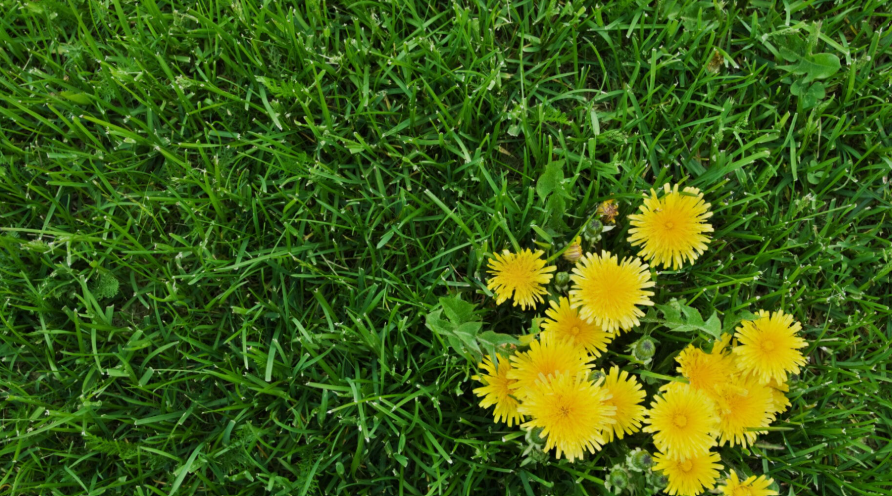
Killing weeds in a lawn without harming the grass depends on understanding the natural balance between desirable plants and unwanted growth. A healthy lawn is better able to resist weeds because dense, vigorous grass leaves little room for invaders to establish. When grass is strong, weeds struggle to compete for light, water, and nutrients.
Weeds often take advantage of weak or stressed areas in a lawn. Thin patches, compacted soil, or poor drainage create opportunities for them to spread. Addressing the underlying causes of lawn stress helps reduce weed pressure and supports long-term control without damaging the grass.
Weeds are most vulnerable during certain growth stages, while established grass can tolerate selective pressure more easily. Acting with awareness of seasonal growth patterns allows weeds to be suppressed while grass continues to thrive.
Environmental conditions also influence how weeds and grass respond. Temperature, moisture, and soil fertility affect growth rates and resilience. When conditions favor grass growth, it naturally outcompetes weeds and maintains a uniform appearance.
Patience is essential when aiming to remove weeds without harming grass. Gradual improvement of lawn health leads to steady weed reduction rather than sudden change. Over time, this balanced approach results in a cleaner, thicker lawn that remains healthy and weed-resistant.
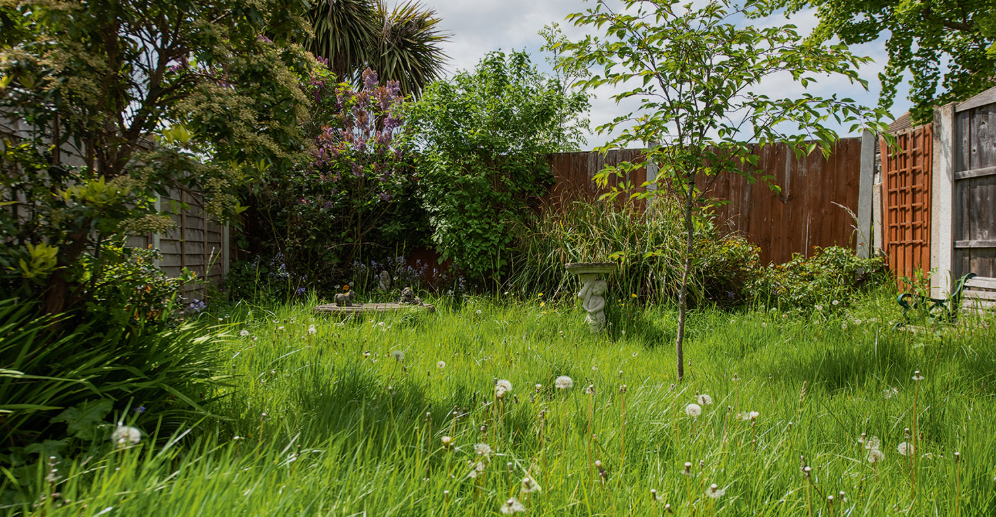
Removing Unwanted Grass In Lawn Without Killing Grass
Selective Herbicides
Selective herbicides are chemically formulated to kill broadleaf weeds like dandelions, clover, and chickweed while leaving grass unharmed. These products contain active ingredients such as 2,4-D, dicamba, or MCPP that exploit the biological differences between broadleaf plants and grasses.
When applied according to label directions during active weed growth, selective herbicides provide excellent control of common lawn weeds without damaging desirable turf grasses.
Hand Pulling
Hand pulling is the most environmentally friendly method of weed removal and works best when soil is moist and weeds are young. Grasping the weed at its base and pulling steadily removes the entire root system, preventing regrowth.
This method is ideal for small infestations and allows you to target individual weeds without any risk to surrounding grass, though it requires patience and persistence for larger weed problems.
Spot Treatment
Spot treatment involves applying herbicides or natural weed killers directly to individual weeds using a spray bottle or applicator wand rather than broadcasting over the entire lawn. This targeted approach minimizes chemical use and reduces any potential stress to grass in unaffected areas.
Spot treating is particularly effective for isolated weed patches or persistent perennial weeds that require stronger treatment than you’d want to apply lawn-wide.
Corn Gluten Meal
Corn gluten meal is a natural pre-emergent herbicide that prevents weed seeds from germinating by inhibiting root formation in sprouting seedlings. Applied in early spring before weed seeds germinate, this organic byproduct of corn processing also adds nitrogen to the soil, feeding your lawn while suppressing weeds.
While it won’t kill existing weeds, corn gluten meal effectively reduces annual weed populations over multiple seasons when applied consistently.
Proper Mowing Height
Maintaining grass at the proper height for your specific variety creates dense turf that shades out weed seedlings and prevents them from establishing. Taller grass (typically 3-4 inches for most cool-season grasses) develops deeper roots and casts more shade on the soil surface, making it difficult for light-dependent weed seeds to germinate.
Never remove more than one-third of the grass blade in a single mowing to avoid stressing the lawn and creating opportunities for weed invasion.
Overseeding
Overseeding involves spreading grass seed over existing turf to thicken the lawn and fill in bare or thin spots where weeds typically establish. A dense, vigorous lawn naturally crowds out weeds by competing for sunlight, water, and nutrients.
Fall is the ideal time for overseeding cool-season grasses, and combining this practice with core aeration creates the best conditions for new grass to establish and outcompete weed seedlings.
Fertilization Program
A well-fed lawn grows thick and healthy, naturally resisting weed invasion through competitive growth and complete ground coverage. Regular fertilization based on soil test results provides grass with the nutrients it needs to outgrow weeds and recover quickly from stress.
However, timing matters—applying fertilizer when weeds are most active can inadvertently feed them too, so following a season-appropriate fertilization schedule tailored to your grass type is essential.
Boiling Water
Pouring boiling water directly onto weeds kills them instantly by destroying plant cells without introducing any chemicals to your lawn. This method works exceptionally well for weeds in sidewalk cracks, driveway edges, or isolated spots in the lawn where you can apply it carefully.
The key is precision—avoid splashing boiling water on surrounding grass, and be aware that it may require multiple applications for deep-rooted perennial weeds.
Vinegar Solution
Household vinegar with 5% acetic acid or horticultural vinegar with 20% acetic acid can kill young weeds by desiccating their foliage when sprayed directly on leaves. This organic approach works best on annual weeds and young seedlings on sunny days when the vinegar can dry on the leaves.
Be cautious when applying near desirable grass, as vinegar is non-selective and will damage any vegetation it contacts, and multiple applications may be needed for perennial weeds.
Aeration and Dethatching
Core aeration removes small plugs of soil to reduce compaction and allow air, water, and nutrients to reach grass roots more effectively, promoting healthier, more competitive turf. Dethatching removes the layer of dead organic matter that can harbor weed seeds and prevent grass from thriving.
Together, these practices create optimal growing conditions for grass while disrupting the environment that allows weeds to establish, leading to a naturally weed-resistant lawn.
Flame Weeding
Flame weeding uses a propane-powered torch to briefly expose weeds to intense heat, rupturing plant cells and causing them to wilt and die within hours. This chemical-free method is particularly effective on young annual weeds and can be used carefully in lawn areas, though it requires precision to avoid damaging grass.
The goal isn’t to burn weeds to ash but rather to heat them just enough to destroy cellular structure, making it a quick and satisfying weed control option.
Landscape Fabric and Mulch (Borders)
Installing landscape fabric topped with mulch in garden beds and along lawn borders creates a physical barrier that prevents weeds from emerging while clearly defining lawn edges. This approach keeps aggressive weeds from creeping into the lawn from surrounding areas and reduces the overall weed seed bank in your landscape.
Maintaining clean, mulched borders also makes it easier to mow along edges without creating scalped areas where weeds can establish.
Organic Herbicidal Soaps
Herbicidal soaps containing fatty acids or essential oils like clove, citrus, or cinnamon oil kill weeds by breaking down the waxy coating on leaves, causing dehydration. These products are non-selective contact herbicides that work quickly on young weeds but require direct contact with weed foliage to be effective.
They break down rapidly in the environment and pose minimal risk to grass if applied carefully to target only weed leaves, though they work best on annual weeds and may require repeated applications.
Improving Soil Health
Healthy soil grows healthy grass that naturally resists weed invasion, making soil improvement a long-term weed prevention strategy. Adding compost, adjusting pH based on soil tests, and ensuring proper drainage creates ideal conditions for grass while making the environment less hospitable to many common weeds.
Some weeds indicate specific soil problems—for example, moss suggests acidity and poor drainage—so addressing underlying soil issues often eliminates the conditions that favor particular weed species.