Botanical Classification
The Virginia Roundleaf birch is a deciduous hardwood tree belonging to the genus Betula, within the family Betulaceae. Its scientific designation is Betula lenta var. virginiana, a variety of the Sweet or Cherry birch (Betula lenta). Like other birches, it is classified under the order Fagales.
This variety is distinguished primarily by its broader, rounder leaves compared to the typical B. lenta, and it shares many characteristics with other birches, including aromatic bark and slender catkins. The species and its varieties are valued both for their timber and their ecological contributions to eastern hardwood forests.
Description / Characteristics
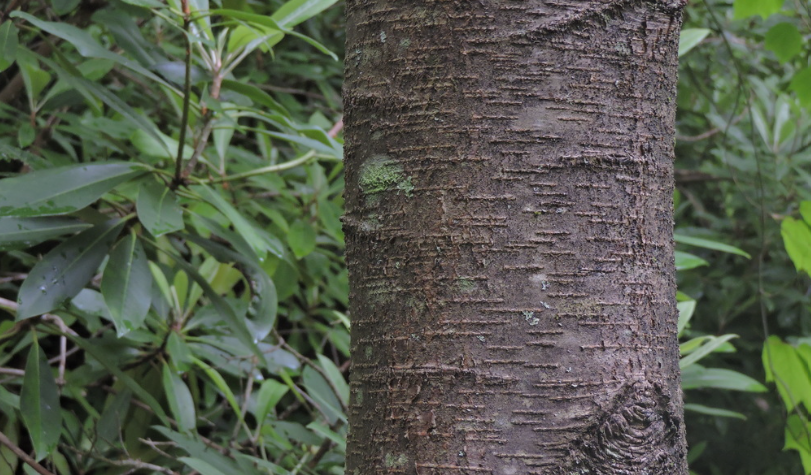
Virginia Roundleaf birch is a medium-sized deciduous tree, typically growing between 15 and 25 meters (50–80 feet) tall. The bark is dark reddish-brown to nearly black, similar to other sweet birches, and releases a wintergreen scent when scratched or broken due to natural oils. Its most distinctive feature is its round, almost circular leaves with finely serrated edges, which turn bright yellow in autumn.
The branches are somewhat upright and spreading, forming a moderately dense crown. In spring, it produces slender catkins, which serve as its reproductive structures. The tree grows relatively quickly and has a moderately long lifespan, contributing both timber and ecological value in forested areas.
Distribution & Habitat
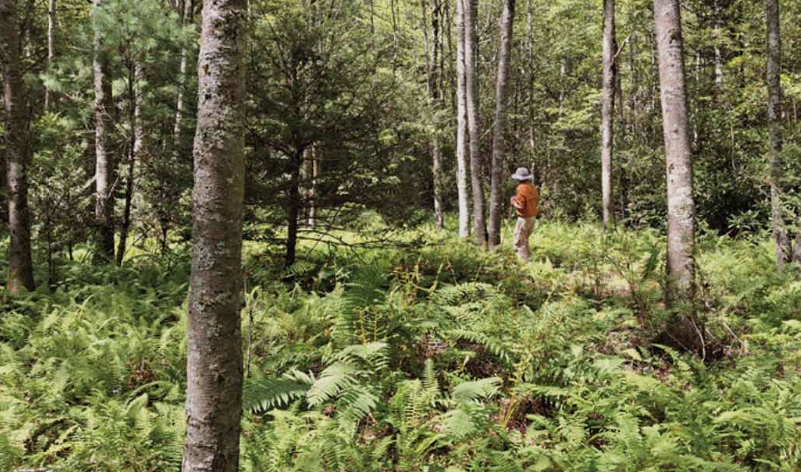
Virginia Roundleaf birch is native to the eastern United States, particularly in the Appalachian region and surrounding states. Its range extends from southern New York and Pennsylvania south through the Appalachian Mountains to northern Georgia and Alabama. The species prefers rich, moist, well-drained soils and is commonly found in upland hardwood forests, on slopes, and in valleys.
It thrives in areas with full sun to partial shade and is often associated with other hardwoods such as maple, oak, and beech. Its natural habitats typically have moderate climates with adequate rainfall, which supports healthy growth and regeneration.
Conservation
Virginia Roundleaf birch (Betula lenta var. virginiana) is generally considered a stable variety within its native range, though local populations can face pressures from logging, habitat loss, and overbrowsing by deer. Its dark, aromatic bark historically made it a target for harvesting, particularly for the extraction of wintergreen oil, which was valued for medicinal and flavoring purposes.
Today, conservation efforts focus on maintaining healthy mixed hardwood forests, promoting sustainable timber practices, and encouraging natural regeneration in the Appalachian region. Protecting riparian and upland habitats is also essential, as these areas provide ideal growing conditions for this variety.
Uses
The Virginia Roundleaf birch is valued for both its wood and aromatic properties. Its timber is strong, fine-grained, and suitable for furniture, cabinetry, flooring, and small woodcrafts. The bark and twigs contain wintergreen-scented oils that were historically used in flavoring, medicinal preparations, and aromatic products.
Ecologically, the tree provides food and shelter for birds, insects, and small mammals, contributing to the biodiversity of eastern hardwood forests. Its ornamental qualities, including bright yellow fall foliage and dark aromatic bark, also make it a desirable tree for landscaping in suitable climates.
Varieties and Cultivars
As a variety of Sweet Birch, Virginia Roundleaf birch is primarily recognized for its naturally round leaves, distinguishing it from typical Betula lenta. There are few formal cultivars because the species is largely valued for timber and ecological purposes rather than ornamental use.
However, natural variation exists in growth habit, bark color, and leaf size across its range, and select trees may be propagated for forestry programs or landscaping purposes. Its broad leaves, upright growth, and aromatic bark make it distinct within the sweet birch complex, and these traits are sometimes highlighted in horticultural selections.
Growth Rate
Virginia Roundleaf birch (Betula lenta var. virginiana) is considered a moderately fast-growing tree. Young trees can grow approximately 30–60 centimeters (1–2 feet) per year under favorable conditions, reaching maturity in 20–30 years. Its growth is fastest in moist, fertile soils with adequate sunlight, but it can also tolerate partial shade during early development.
The tree’s combination of relatively rapid growth and long lifespan makes it valuable for timber production, forest restoration, and ecological enrichment in upland hardwood forests.
USDA Zones
Virginia Roundleaf birch thrives in temperate climates and is suitable for USDA Hardiness Zones 4–7. These zones correspond to areas with cold winters and mild to warm summers, similar to the climate of its native Appalachian range. The species grows best in rich, well-drained soils and tolerates full sun to partial shade. Its cold hardiness and moderate drought tolerance make it adaptable to a variety of forested landscapes within these zones.
Problems
Like other birch species, Virginia Roundleaf birch can face several problems in cultivation and natural habitats. Common pests include birch leafminers, aphids, and bronze birch borers, which can weaken or kill stressed trees. Fungal diseases, such as leaf spot and canker, may also affect growth and appearance.
The species is sensitive to drought and poor soil conditions, which can lead to stress and increased susceptibility to pests and disease. Additionally, overbrowsing by deer can prevent successful regeneration in some areas. Careful site selection, proper soil and moisture management, and monitoring for pests and disease are important for maintaining healthy trees.