
Phytonutrients are natural compounds produced by plants that help them grow, survive, and protect themselves from environmental stress such as sunlight, pests, and disease. The word “phyto” means plant, so phytonutrients are simply plant-based nutrients. Unlike vitamins and minerals, they are not considered essential for survival, but they play an important role in supporting overall health when included regularly in the diet. Scientists have identified thousands of different phytonutrients, each with unique properties.
In general, phytonutrients are known for their antioxidant effects. Antioxidants help protect the body’s cells from damage caused by unstable molecules called free radicals, which can form during normal metabolism or exposure to pollution and sunlight. By helping reduce cellular stress, phytonutrients contribute to long-term wellness and may support healthy aging. Different plant colors often signal different types of phytonutrients and their benefits.
Vegetables are one of the richest sources of phytonutrients because they contain a wide variety of protective plant chemicals. Leafy greens, orange vegetables, red vegetables, and purple vegetables all contain different compounds that work together in the body. For example, some phytonutrients support eye health, others assist the immune system, and some help maintain healthy digestion. Eating a mix of vegetables ensures exposure to many beneficial plant compounds rather than just one type.
Common groups of phytonutrients found in vegetables include carotenoids, flavonoids, glucosinolates, and polyphenols. Carotenoids are often responsible for orange and yellow colors, while flavonoids appear in deeply colored vegetables such as purple or red varieties. Cruciferous vegetables contain sulfur-based compounds that give them their strong flavor and protective qualities. Each group contributes differently, which is why nutrition experts encourage a colorful plate filled with varied vegetables.
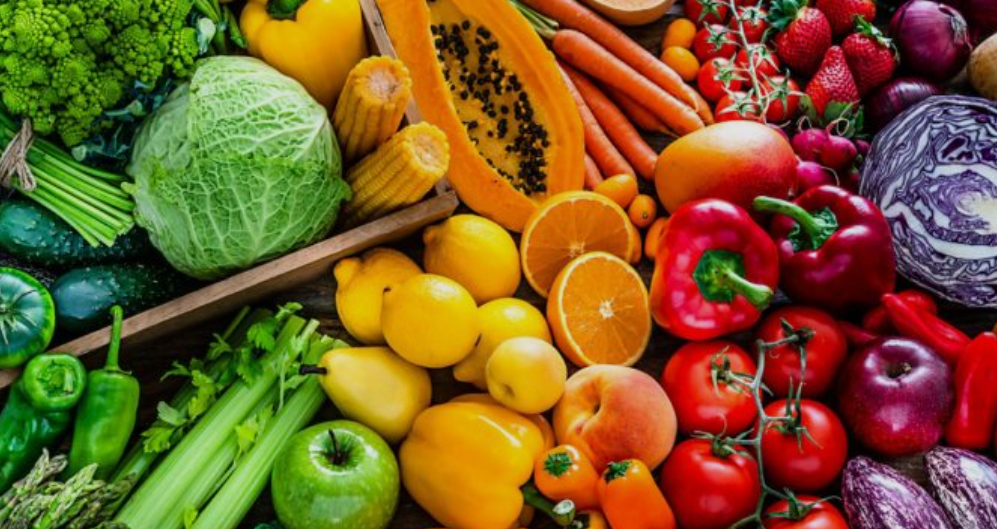
Vegetables With Phytonutrients
Spinach
Spinach is packed with phytonutrients such as lutein and zeaxanthin, which are known for supporting eye health. Its deep green color comes from chlorophyll and other protective plant compounds. Spinach also contains flavonoids that help protect cells from oxidative stress. Eating it fresh or lightly cooked helps preserve many of these beneficial compounds.
Carrots
Carrots are well known for their high levels of beta-carotene, a carotenoid phytonutrient that the body can convert into vitamin A. These compounds support vision and immune function. The bright orange color signals the presence of powerful antioxidants. Carrots can be eaten raw or cooked, both of which provide phytonutrient benefits.
Broccoli
Broccoli contains glucosinolates, sulfur-containing phytonutrients that give it its slightly bitter taste. These compounds help plants defend themselves and may support the body’s natural detox processes. Broccoli is also rich in flavonoids and carotenoids. Light steaming helps retain its nutrient content.
Tomatoes
Tomatoes are a major source of lycopene, a red carotenoid phytonutrient. Lycopene acts as an antioxidant and is associated with supporting heart health. Cooking tomatoes can actually increase the availability of this compound. Fresh or processed forms like sauces still provide valuable phytonutrients.
Red Cabbage
Red cabbage contains anthocyanins, phytonutrients responsible for its purple-red color. These compounds help protect plant tissues and also act as antioxidants in the human body. It also provides vitamin-rich compounds that support immunity. Eating it raw in salads preserves many of its nutrients.
Garlic
Garlic is rich in sulfur-based phytonutrients such as allicin, which gives it its strong aroma. These compounds are produced when garlic is chopped or crushed. They help protect the plant from pests and may support cardiovascular health. Allowing garlic to sit briefly after chopping can enhance these compounds.
Sweet Potatoes
Sweet potatoes contain beta-carotene and other carotenoids that give them their orange color. These phytonutrients help protect cells and support healthy skin and eyes. Purple varieties also contain anthocyanins. Baking or steaming helps maintain their beneficial plant compounds.
Kale
Kale is a nutrient-dense leafy vegetable filled with flavonoids and carotenoids. It contains compounds linked with antioxidant and anti-inflammatory effects. Its dark green leaves indicate a high concentration of protective phytonutrients. Kale can be eaten raw, sautéed, or blended into smoothies.
Bell Peppers
Bell peppers contain several phytonutrients depending on their color, including carotenoids and flavonoids. Red peppers are especially rich in antioxidants due to their maturity. These compounds help protect the plant from sun damage and benefit human health as well. Eating peppers raw preserves their crisp texture and nutrients.
Eggplant
Eggplant skin contains anthocyanins, especially a compound called nasunin. These phytonutrients help protect plant cells from environmental stress. The deep purple color signals strong antioxidant activity. Cooking eggplant softens its texture while keeping many beneficial compounds intact.
Onions
Onions provide flavonoids such as quercetin, which act as protective phytonutrients. These compounds are concentrated especially in red and yellow onions. They contribute to the vegetable’s sharp flavor and aroma. Onions can be eaten raw or cooked while still offering phytonutrient benefits.
Beetroot
Beetroot contains betalains, unique phytonutrients responsible for its deep red-purple color. These compounds act as antioxidants and support natural plant defense systems. Beets also provide nitrates that contribute to overall wellness. Roasting or boiling maintains much of their phytonutrient value.