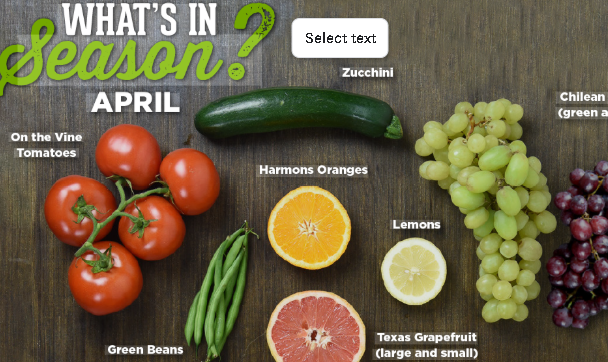
April is a time of seasonal renewal, as spring fully takes hold in many regions. Warmer temperatures and longer daylight hours encourage fresh growth, bringing a noticeable increase in the variety of produce available. Gardens and farms begin to look more vibrant, reflecting the shift away from the colder, slower winter months.
Vegetables in season during April are often young, tender, and full of fresh flavor. Their natural taste is usually more delicate, making them well-suited to light cooking methods like steaming, sautéing, or enjoying raw. This is a great time to appreciate simplicity in meals, allowing natural textures and flavors to stand out.
Nutritionally, these seasonal vegetables are rich in essential vitamins, minerals, and fiber. Because they are typically harvested at peak freshness, they retain more of their nutrients compared to those stored for long periods. Including them in meals can help support overall health and bring a refreshing balance to your diet.
From a sustainability standpoint, choosing vegetables that are in season during April can reduce environmental impact. Locally grown options often require less transportation and storage, which helps lower carbon emissions. Supporting seasonal produce also benefits local farmers and encourages more sustainable agricultural practices.
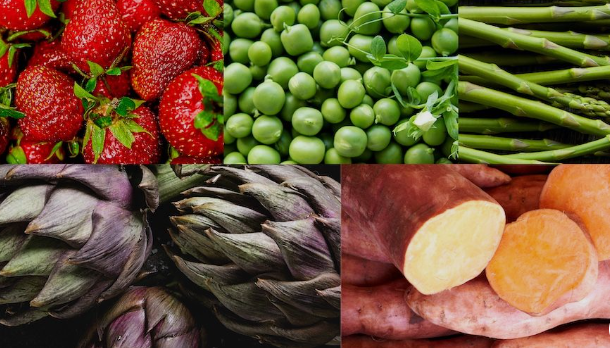
Vegetables In Season During April
Asparagus
April signals the height of asparagus season in many regions. The spears have a clean, grassy flavor and a tender structure that responds well to brief cooking. Their taste pairs naturally with light ingredients such as eggs, citrus, and dairy, allowing their freshness to remain the focus of the dish.
Spinach
Spinach thrives in cool spring weather, producing soft, delicate leaves in April. Its mild flavor allows it to blend seamlessly into soups, sauces, and egg-based dishes. When used fresh, it contributes a gentle texture and subtle earthiness without overpowering other components.
Spring Carrots
Spring carrots are often smaller and sweeter, with a more refined flavor than mature varieties. Their natural sugars deepen when exposed to heat, while their crisp texture remains appealing in raw preparations. They provide balance in dishes that benefit from a hint of sweetness.
Cabbage
Cabbage harvested in April tends to have looser leaves and a lighter taste. Its texture softens quickly, allowing for shorter cooking times that preserve its subtle sweetness. It contributes both structure and mild flavor to a range of dishes, from lightly cooked preparations to raw applications.
Radishes
Radishes are at their best in spring, offering a crisp texture and a peppery bite. Their sharpness provides contrast to milder ingredients, while their crunch adds a distinct textural element. Light cooking reduces their intensity, revealing a softer, more rounded flavor.
Spring Onions
Spring onions are widely available in April and bring a fresh, mild onion flavor. Both the bulb and green tops are used, contributing gentle sharpness. They are often incorporated toward the end of cooking or used raw to maintain their brightness.
Potatoes
New potatoes begin appearing in April, characterized by a thin skin and waxy texture. Their flavor is delicate and slightly nutty, holding its shape well after cooking. They work best in simple preparations where their natural qualities are not overshadowed.
Leeks
Leeks continue into April with a mild, slightly sweet profile. Their layered structure softens gradually, contributing a smooth texture to cooked dishes. They provide depth without the sharpness of onions, making them suitable for more subtle flavor combinations.
Lettuce
Lettuce varieties become tender and abundant in April, offering a mild, slightly sweet taste. Their delicate leaves respond well to light handling, retaining crispness and freshness. Lettuce works effectively as a base for salads, adding texture while carrying subtle flavors from dressings or other ingredients.
Watercress
Watercress thrives in early spring, producing bright green leaves with a peppery, slightly tangy flavor. Its tender stems and leaves are used primarily raw, where their sharpness and freshness are most pronounced. It also complements soups and light sautés, adding depth without overwhelming other components.
Chard
Chard is available in April, featuring tender leaves and firm stems. The leaves have a mild bitterness that balances richer ingredients, while the stems provide texture. It can be sautéed lightly, braised, or added to soups for color, flavor, and a slightly earthy note.
Pea shoots
Pea shoots emerge in early spring, offering a fresh, green flavor reminiscent of young peas. Their tender stems and leaves are best used raw, where their sweet, crisp qualities add texture and visual appeal. They also pair well with light dressings and can enhance sandwiches or stir-fries.
Parsnips
Parsnips remain in season in April, with a sweet, earthy flavor that intensifies when cooked. Their dense flesh softens while retaining some structure, making them suitable for roasting, mashing, or stewing. They provide a subtle sweetness that balances more savory or bitter ingredients.
Mint
Mint becomes abundant in April, offering a cool, aromatic note. Its flavor is bright and slightly sweet, which works well in both sweet and savory dishes. Fresh mint is often added at the end of cooking or as a garnish to preserve its aroma and intensity.
Garlic
Fresh garlic appears in early spring, delivering a sharp yet delicate flavor. Its intensity softens with heat, creating depth in soups, sauces, and sautés. Garlic also harmonizes flavors in vegetable and meat dishes, acting as a subtle enhancer rather than a dominant taste.
Parsley
Parsley is widely harvested in April, offering a fresh, slightly peppery flavor. It is primarily used fresh to add brightness and color to dishes. Parsley complements both cooked and raw preparations, helping to balance richer or heavier flavors without overwhelming them.