Salvia rosmarinus, formerly Rosmarinus officinalis, commonly known as rosemary, is a shrub with fragrant, evergreen, needle-like leaves and purple or sometimes white, pink, or blue flowers. It is a member of the sage family, Lamiaceae. It has a number of cultivars, and its leaves are commonly used as a flavoring. Cultivars vary mainly in growth habit (upright shrubs or low/trailing ground covers), size, cold hardiness, foliage color, flower color, and flavor intensity.
This plant flowers in spring and summer in temperate climates, but the plants can be in constant bloom in warm climates; flowers are white, pink, purple, or deep blue. The branches are dotted with groups of 2 to 3 flowers down their length. Rosemary also tends to flower outside its normal flowering season; it has been known to flower as late as early December, and as early as mid-February (in the Northern Hemisphere). The plant can live as long as 35 years.
The species is native to the Mediterranean region as well as Portugal and northwestern Spain. The herb was naturalized in China as early as 220 CE, during the late Han dynasty.
Rosemary Plants
Golden Rain (also Joyce de Baggio or Aureus)
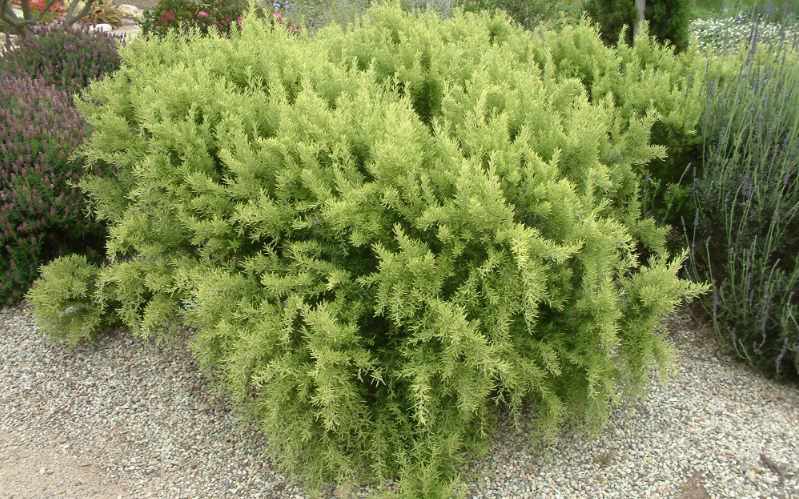
Mid-sized (around 3 feet tall and wide) with striking foliage that turns bright yellow in cool seasons and deep green in summer. Profuse spring blooms add interest. Great for containers, beds, or adding color contrast (zones 8-10).
Upright Rosemary
Upright rosemary grows in a bushy, vertical form and can reach several feet in height. It is one of the best types for cooking because of its strong flavor and sturdy stems. This variety works well as a garden shrub or low hedge and tolerates regular pruning.
Gorizia
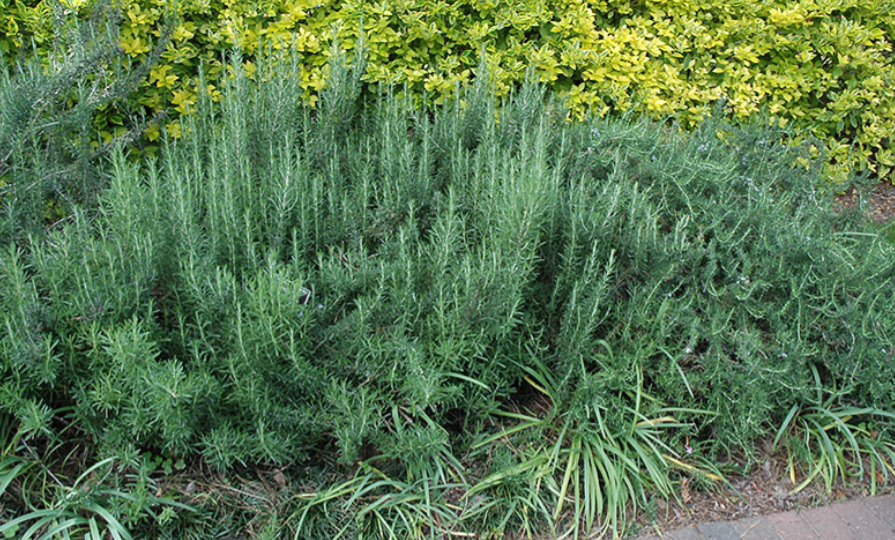
Upright, 3-5 feet tall and wide, with broad, plump dark greenish-gray needles and light blue flowers from late spring through summer. It has a sweet piney aroma with ginger notes and sturdy stems good for skewers (zones 8-10).
Blue Flowering Rosemary
This type is known for its abundant blue blossoms, which appear mainly in spring but may bloom at other times in warm climates. The flowers attract bees and other pollinators, making it a great choice for eco-friendly gardens. It combines ornamental beauty with culinary usefulness.
White Flowering Rosemary
White flowering rosemary is less common and prized for its delicate, pale blooms. It adds visual contrast to herb gardens and borders while maintaining the same aromatic leaves used in cooking. This type is often grown more for decoration than heavy harvesting.
Cold-Hardy Rosemary
Cold-hardy rosemary types are bred to tolerate lower temperatures better than standard varieties. They are suitable for regions with cooler climates or occasional frost. While still needing good drainage, these plants survive winter conditions that would damage more tender rosemary types.
Tuscan Blue Rosemary
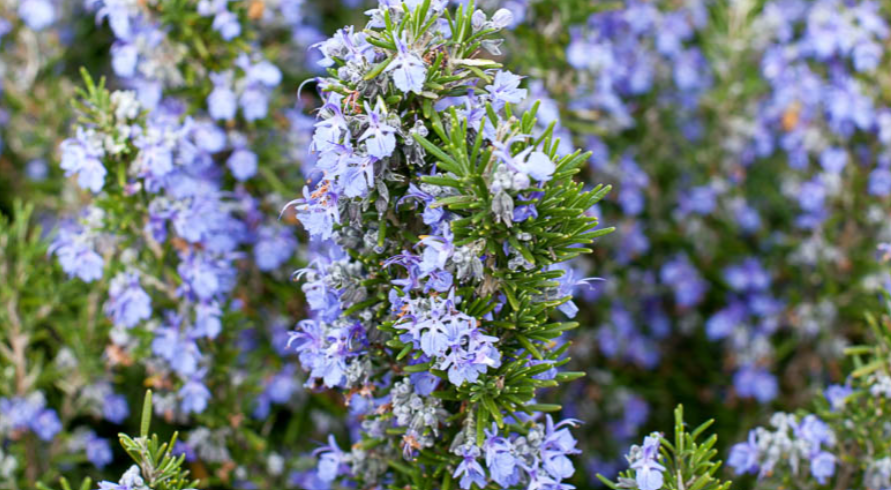
Tuscan Blue is a popular upright variety with long, narrow leaves and a strong, classic rosemary flavor. It grows vigorously and can form a large shrub, making it suitable for hedges and landscape borders. This type is especially favored for roasting meats and vegetables.
Arp Rosemary
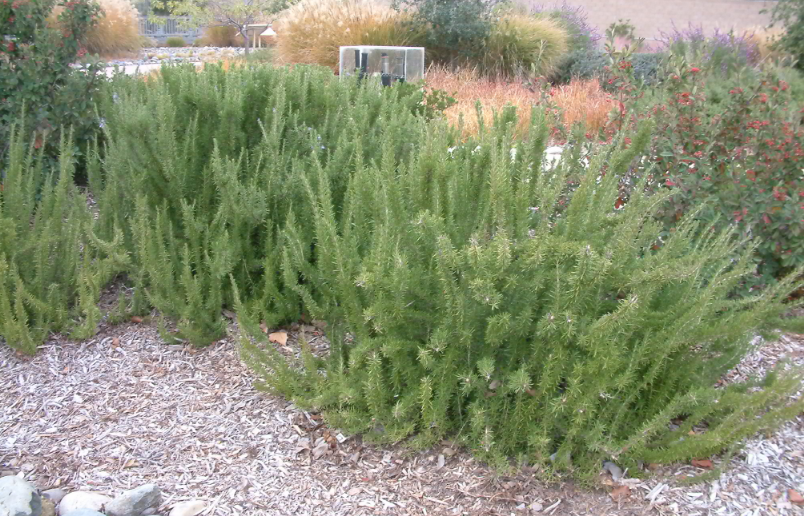
Arp rosemary is well known for its excellent cold tolerance. It has gray-green leaves and a slightly milder aroma compared to other types. This variety is ideal for gardeners in cooler regions who want a reliable, winter-hardy rosemary plant.
Spice Island
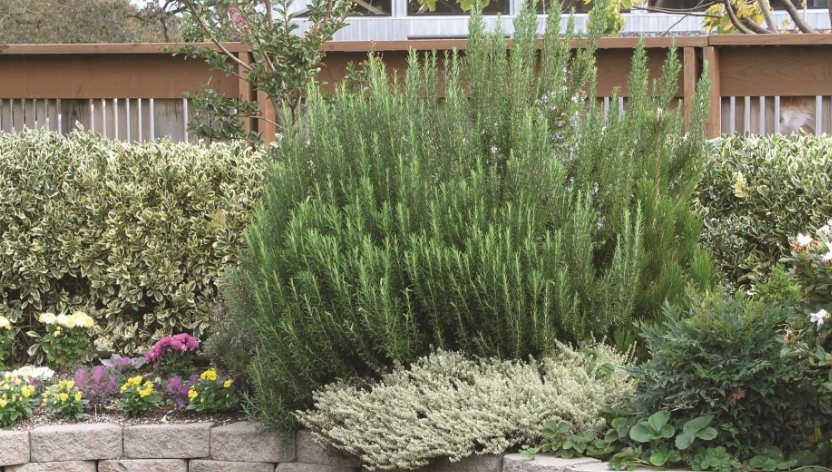
An upright shrub reaching 4+ feet, known for its complex, bold flavor (hints of clove and nutmeg). It produces dark blue flowers in late winter/early spring and is a favorite for culinary use (zones 8-10).
Salem Rosemary
Salem rosemary is another cold-resistant type that maintains good flavor even in less-than-ideal conditions. It has a neat, upright growth habit and produces pale blue flowers. This variety works well in both herb gardens and ornamental plantings.
Pink Flowering Rosemary
This type produces soft pink blossoms that stand out from the more common blue-flowered varieties. It attracts pollinators and adds visual interest to herb gardens. The leaves are fully usable in cooking, making it both ornamental and practical.
Prostratus (Creeping or Trailing Rosemary)
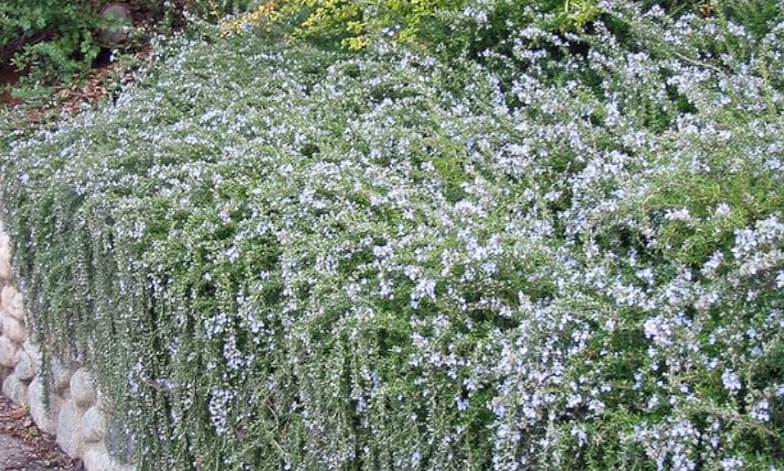
A low-growing, spreading ground cover reaching 1-3 feet tall but spreading up to 3+ feet or more. It has strongly scented dark green needles and clear blue flowers in spring/summer. Perfect for cascading over walls, slopes, or containers (zones 8-11).