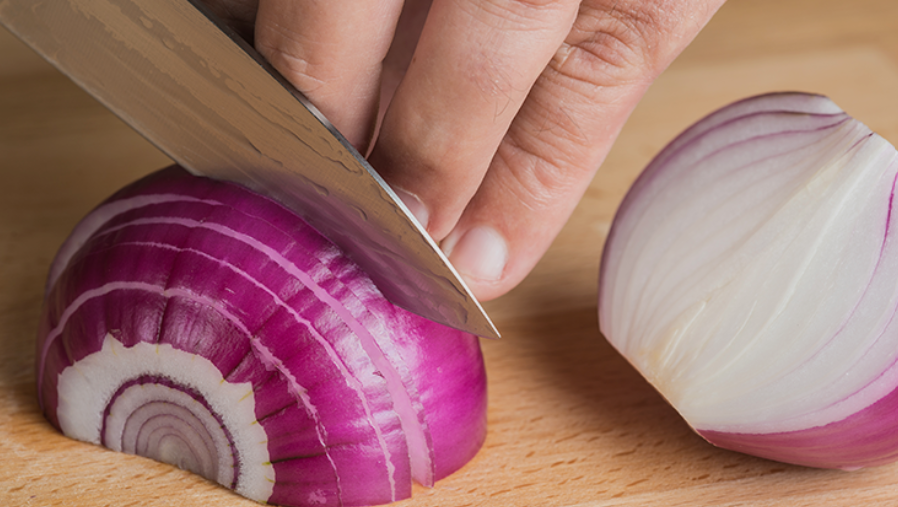
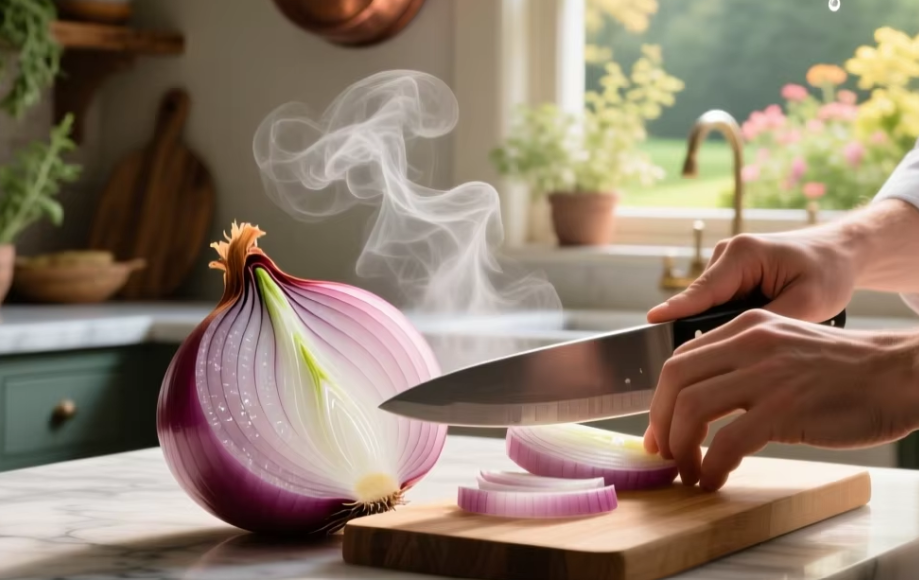
Onions that make you cry are typically pungent varieties high in sulfur compounds, which are released when the onion is cut. These compounds, especially syn-Propanethial-S-oxide, become airborne and irritate the eyes, causing the stinging sensation and tearing that many people associate with chopping onions. The stronger the onion’s sulfur content, the more intense the tears.
Common onions that make you cry include yellow onions, red onions, and some white onions, which are often used in cooking for their bold flavor. These onions are generally higher in pungency and lower in sugar than milder sweet onions, making them ideal for dishes that benefit from strong, savory taste.
The level of tear-inducing compounds can vary depending on growing conditions. Onions grown in cooler climates or with high sulfur-rich soil tend to be more pungent and cause more eye irritation. In contrast, onions grown in warmer climates with lower sulfur content are often milder.
There are a few ways to reduce tearing when cutting pungent onions. Chilling the onion before chopping slows the release of sulfur compounds, using a sharp knife reduces cell damage, and cutting near running water or a fan can help carry the irritating gas away from your eyes. However, the strong flavor usually comes with unavoidable tears.
Onions that Make You Cry
Yellow Onion
Yellow onions are the most common type and have a strong, pungent flavor due to their high sulfur content. When cut, they release sulfur compounds that irritate the eyes, causing tears. They’re versatile for cooking but definitely bring tears to the kitchen.
White Onion
White onions are slightly milder than yellow onions but still have enough sulfur compounds to make you cry. They have a sharper taste, which is why they’re often used raw in salsas and salads—so be ready with a tissue!
Red Onion
Red onions are known for their vibrant color and slightly sweet taste, but don’t let that fool you—their sulfur compounds can still make your eyes water when sliced, especially if raw.
Sweet Onion (e.g., Vidalia, Walla Walla)
Even though sweet onions are less pungent than yellow or white onions, cutting large amounts can still cause some eye irritation. Their high sugar content makes them milder in flavor but not completely tear-free.
Shallots
Shallots have a more delicate, sweet flavor, but they also contain sulfur compounds. They often make cooks tear up slightly, especially when finely chopped.
Green Onion / Scallion
Green onions are milder than most other onions, but the white bulb at the base can still release compounds that irritate your eyes. The tops are usually safe, but slicing the bulbs may still trigger tears.
Spanish Onion
Spanish onions are large, mild, and commonly used for cooking. They contain enough sulfur to make you cry, especially if cutting raw for salads or sandwiches.
Spring Onion
Spring onions are similar to green onions but slightly stronger in flavor. The small white bulbs at the base release sulfur compounds that can cause eye irritation, though they’re generally milder than full-sized onions.
Pearl Onion
Pearl onions are small, bite-sized onions often used in stews or pickling. Despite their size, they pack a punch of sulfur compounds in their skins and layers, which can make your eyes water when peeling or chopping a bunch.
Egyptian Onion (Walking Onion)
These onions grow in clusters and are slightly stronger than mild onions. Cutting the bulbs releases sulfur compounds that can irritate your eyes, especially when preparing multiple bulbs at once.
Maui Onion
Maui onions are a type of sweet onion from Hawaii, known for their mild flavor. However, their larger size and slightly higher sulfur content than other sweet onions can still bring tears during slicing.
Tropea Onion
Tropea onions are Italian red onions that are sweet and mild in taste. Surprisingly, when raw, they can still cause eye irritation because of their natural sulfur compounds, especially if you slice them thinly.
Cipollini Onion
Cipollini onions are small, flat, and sweet, often roasted whole. Their strong sulfur compounds are more noticeable when raw, so chopping them can trigger tearing.