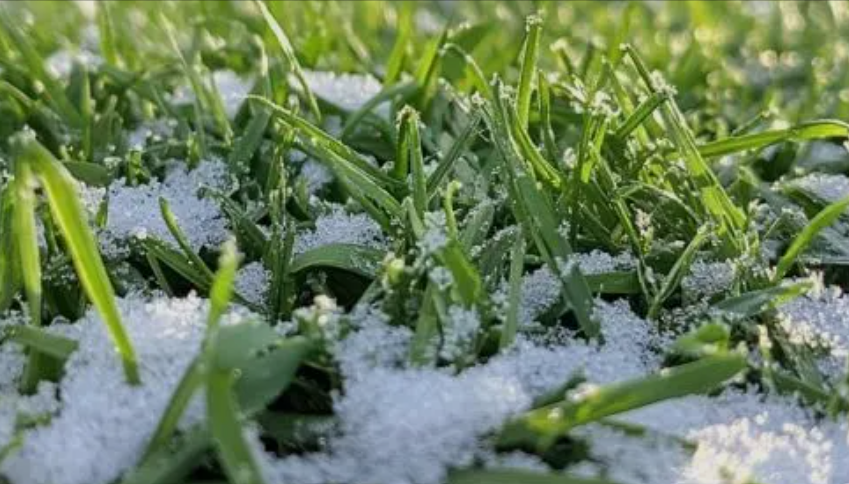
A lawn that stays green all year round is usually supported by a balance of steady growth, strong root systems, and consistent access to moisture. Such lawns maintain their color because they can recover quickly from stress and continue producing new leaf growth even when conditions are less than ideal.
Year-round greenness is also influenced by climate stability and moderate temperatures. Lawns in regions without extreme heat or prolonged cold tend to retain their color longer. Where seasonal changes are mild, growth slows rather than stopping completely, allowing the lawn to remain visually fresh throughout the year.
Soil quality is another key factor in maintaining continuous green color. Well-drained soil that still holds enough moisture supports healthy roots and efficient nutrient uptake. When the soil is rich in organic matter, it helps regulate temperature and moisture, both of which contribute to consistent color.
Regular maintenance strongly affects how green a lawn stays. Proper watering, timely feeding, and occasional aeration help prevent stress that can cause browning. Consistent care encourages even growth and reduces weak patches that may lose color during challenging periods.
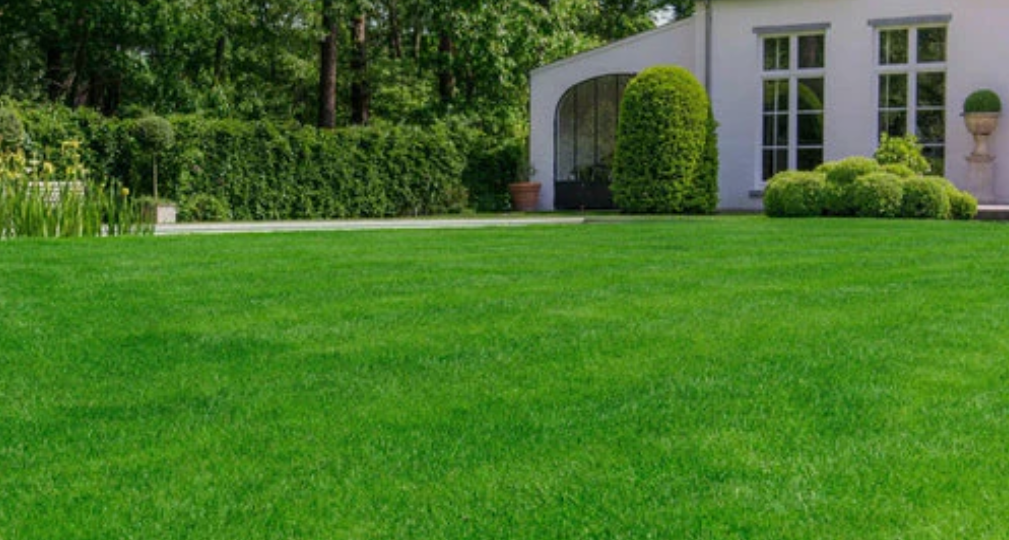
Lawn Grasses That Stays Green All Year Round
Perennial Ryegrass
Perennial ryegrass is a cool-season grass known for its vibrant dark green color and fine texture that persists year-round in moderate climates. It germinates quickly, establishes rapidly, and is commonly used for overseeding warm-season lawns in fall to maintain winter color. This grass thrives in areas with mild winters and cool summers, requiring consistent moisture to stay lush and green throughout the year.
Tall Fescue
Tall fescue is exceptionally adaptable with deep roots that help it remain green during both summer heat and winter cold. This cool-season grass is ideal for transition zones and maintains its color better than most alternatives across varying temperatures. Its drought tolerance and low-maintenance nature make it a popular choice for homeowners seeking reliable year-round greenery.
Fine Fescue
Fine fescue varieties, including creeping red and chewing fescue, offer delicate texture and excellent shade tolerance while staying green throughout the year in cooler climates. These grasses require minimal fertilizer, water, and mowing compared to other lawn types. Their soft, carpet-like appearance remains attractively green even in winter, making them ideal for low-maintenance, shaded landscapes.
Kentucky Bluegrass
Kentucky bluegrass produces a dense, luxurious turf with rich emerald-green color that persists year-round in suitable northern climates. This cool-season grass spreads through underground rhizomes, creating a self-repairing lawn that maintains consistent color. With proper watering and fertilization, it stays vibrantly green from spring through fall and retains decent color even during mild winters.
Zoysia Grass
Zoysia grass is a warm-season variety that stays green longer into fall and greens up earlier in spring than other warm-season grasses. It forms exceptionally dense turf that tolerates moderate shade, drought, and heavy traffic. In milder climates, certain zoysia varieties maintain green color nearly year-round, though they brown during winter in freezing temperatures.
Hybrid Bermudagrass
Hybrid bermudagrass varieties offer extended green periods compared to common bermudagrass, maintaining color longer into fall and greening earlier in spring. While it enters winter dormancy in most climates, it can stay green year-round in tropical and subtropical regions. Many homeowners in cooler areas overseed it with perennial ryegrass in fall to achieve continuous green coverage throughout winter.
St. Augustine Grass
St. Augustine grass is a warm-season variety with broad, coarse blades that maintains its blue-green color throughout the year in subtropical and tropical climates. This grass excels in coastal regions with mild winters, tolerating salt spray and partial shade better than most warm-season alternatives. While it goes dormant and turns brown in areas with freezing temperatures, St. Augustine remains vibrantly green year-round in frost-free zones like southern Florida and coastal areas.
Buffalograss
Buffalograss is a native North American grass that stays green from spring through fall and can maintain color into winter in milder climates with proper care. This warm-season grass is incredibly drought-tolerant and requires minimal maintenance once established, needing less water and mowing than traditional lawn grasses. Though it naturally goes dormant and turns tan in cold winters, improved cultivars are extending its green period, making it an eco-friendly option for sustainable landscaping.
Bahiagrass
Bahiagrass is a tough, low-maintenance warm-season grass that remains green year-round in warm, humid climates like the Gulf Coast and southern regions. Its deep root system allows it to withstand drought, poor soil, and neglect while maintaining reasonable color throughout the seasons. Though it has a coarser texture than premium lawn grasses, bahiagrass provides reliable year-round greenery in areas where more finicky grasses struggle to survive.
Annual Ryegrass
Annual ryegrass serves as an excellent temporary solution for maintaining green lawns during the dormant season of warm-season grasses. This fast-growing cool-season grass germinates within days and provides lush green coverage throughout fall and winter before dying back in late spring. Homeowners in warm climates commonly overseed their bermudagrass or zoysia lawns with annual ryegrass each autumn to ensure continuous green color year-round, creating the appearance of an evergreen lawn.