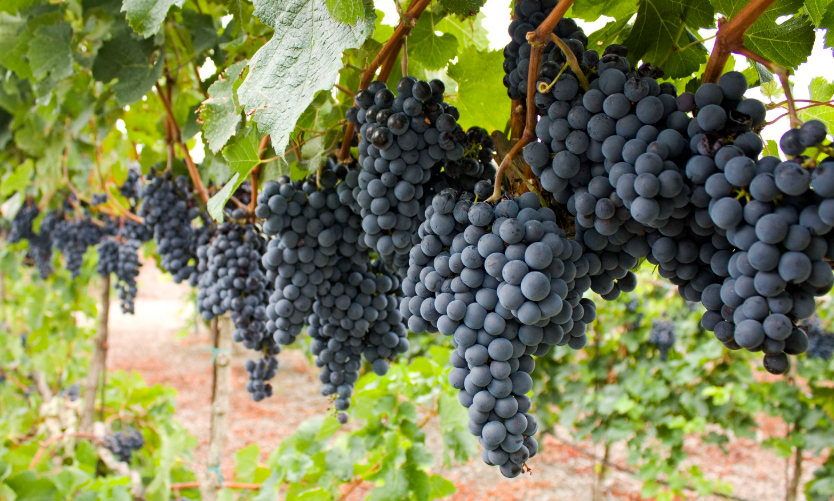
Grapes and wine have been intertwined for thousands of years. Archaeological evidence shows that humans have been cultivating grapes and fermenting them into wine for over 8,000 years, with early records from regions such as Georgia, Iran, and Egypt. Wine was not only a dietary staple but also held cultural, religious, and social significance, often used in ceremonies, celebrations, and trade. Over time, wine-making techniques spread across Europe, Africa, and Asia, evolving into the sophisticated methods used today.
Modern wine making begins with the careful selection and harvesting of grapes. Different grape varieties contribute distinct flavors, aromas, and colors to the final wine. Winemakers consider the ripeness, sugar content, and acidity of the grapes to determine the best time to harvest. Grapes can be handpicked or machine-harvested, depending on the scale of the vineyard and the desired quality of the wine.
Once harvested, grapes are crushed to release their juice. For white wines, the juice is typically separated from the skins before fermentation, while red wines often ferment with the skins to extract color, tannins, and additional flavor. Yeast is then added to convert sugars into alcohol, although some winemakers rely on natural yeasts present on the grape skins. The fermentation process can take days to weeks, depending on the type of wine being produced.
After fermentation, the wine is often aged to develop flavor and complexity. Aging can take place in stainless steel tanks, concrete vats, or oak barrels, each of which contributes different characteristics to the wine. Some wines are consumed soon after fermentation, while others are aged for months or even years. During this time, winemakers may also perform processes like racking, filtering, and blending to refine the wine.
Finally, wine is bottled and prepared for consumption. The bottling process involves careful handling to preserve the wine’s flavor and prevent contamination. Labels often indicate the grape variety, region of origin, and vintage year. Wine appreciation has grown into a global culture, with enthusiasts exploring different varieties, terroirs, and wine-making techniques to discover the unique qualities that grapes and careful fermentation can produce.
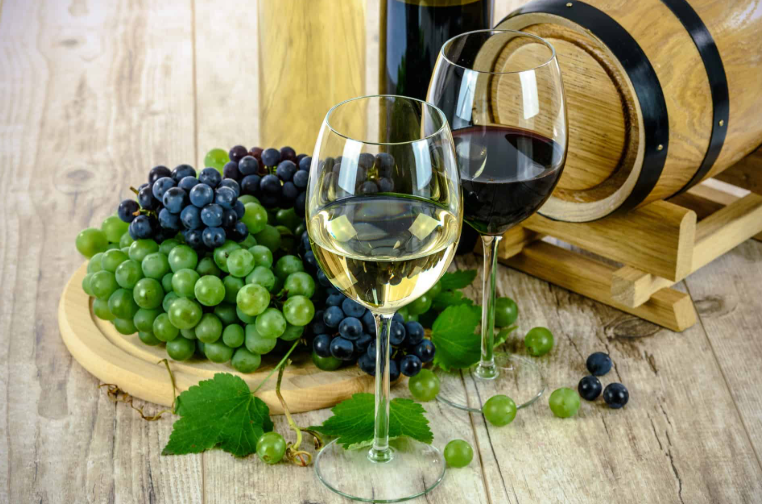
Different Types of Wine Grapes
Cabernet Sauvignon
Cabernet Sauvignon is the world’s most widely planted red wine grape, producing full-bodied wines with high tannins and excellent aging potential. This Bordeaux native features small, thick-skinned berries that produce deeply colored wines with flavors of blackcurrant, cedar, tobacco, and dark chocolate.
Cabernet Sauvignon thrives in warm climates including Napa Valley, Bordeaux, and Australia, requires long growing seasons to ripen fully, and produces wines that age magnificently for decades.
Merlot
Merlot produces soft, medium to full-bodied red wines with lower tannins than Cabernet Sauvignon, making them approachable when young. This Bordeaux variety features larger, thinner-skinned berries that ripen earlier and produce wines with flavors of plum, black cherry, chocolate, and herbs.
Merlot adapts to various climates from cool Bordeaux to warm California, serves as both primary grape and blending partner, and produces wines ranging from soft and fruity to rich and complex.
Pinot Noir
Pinot Noir is notoriously difficult to grow but produces some of the world’s most elegant and sought-after red wines with complex aromatics. This Burgundy native features thin skins and tight clusters requiring cool climates, producing wines with flavors of cherry, raspberry, earth, mushroom, and subtle spice.
Pinot Noir thrives in cool regions including Burgundy, Oregon, and New Zealand, demonstrates remarkable terroir expression, and produces wines with silky texture and ethereal complexity.
Chardonnay
Chardonnay is the world’s most planted white wine grape, producing wines ranging from crisp and mineral to rich and buttery depending on winemaking. This Burgundy variety adapts to diverse climates and styles, producing wines with flavors of apple, pear, citrus, tropical fruit, butter, and vanilla when oak-aged.
Chardonnay thrives worldwide from cool Chablis to warm California, demonstrates remarkable versatility in winemaking techniques, and serves as the base for many sparkling wines including Champagne.
Sauvignon Blanc
Sauvignon Blanc produces crisp, aromatic white wines with high acidity and distinctive herbal, grassy, and citrus characteristics. This Loire and Bordeaux variety features small berries producing wines with flavors of grapefruit, lime, grass, green bell pepper, and tropical fruit depending on climate.
Sauvignon Blanc thrives in cool to moderate climates including Loire Valley, Marlborough New Zealand, and Napa Valley, produces refreshing wines best consumed young, and occasionally receives oak treatment for richer styles.
Syrah (Shiraz)
Syrah produces full-bodied red wines with dark fruit flavors and distinctive peppery, smoky characteristics, known as Shiraz in Australia. This Rhône variety features thick-skinned berries producing deeply colored wines with flavors of blackberry, black pepper, smoke, bacon, and dark chocolate.
Syrah thrives in warm climates from France’s Rhône Valley to Australia’s Barossa Valley, produces wines ranging from elegant and peppery to rich and jammy, and ages well developing complex savory notes.
Riesling
Riesling produces aromatic white wines ranging from bone-dry to lusciously sweet with remarkable aging potential and pure fruit flavors. This German variety features small, thick-skinned berries with high acidity producing wines with flavors of lime, green apple, apricot, honey, and distinctive petrol notes with age.
Riesling thrives in cool climates including Germany, Alsace, and Finger Lakes, demonstrates exceptional terroir expression, and produces wines that age beautifully for decades.
Malbec
Malbec produces deeply colored, full-bodied red wines with soft tannins and rich fruit flavors, achieving worldwide fame from Argentina. This French variety features thick-skinned berries producing wines with flavors of blackberry, plum, black cherry, cocoa, and violet notes.
Malbec thrives in Argentina’s high-altitude Mendoza region where intense sun and cool nights create ideal conditions, produces approachable wines with lush fruit and smooth texture, and has become Argentina’s signature grape.
Zinfandel (Primitivo)
Zinfandel produces robust red wines with high alcohol and jammy fruit flavors, genetically identical to Italy’s Primitivo and Croatia’s Crljenak Kaštelanski. This California favorite features thin-skinned berries that ripen unevenly, producing wines with flavors of blackberry, raspberry, black pepper, anise, and sometimes raisin-like notes.
Zinfandel thrives in California’s warm regions producing wines from 14-17% alcohol, demonstrates versatility from light rosé to powerful reds, and old-vine plantings produce particularly concentrated wines.
Tempranillo
Tempranillo produces medium to full-bodied red wines with moderate tannins and acidity, serving as Spain’s most important red grape variety. This Spanish native features thick-skinned berries producing wines with flavors of cherry, plum, leather, tobacco, and vanilla when oak-aged.
Tempranillo thrives throughout Spain particularly in Rioja and Ribera del Duero, ages beautifully developing complex tertiary flavors, and adapts to various winemaking styles from young and fruity to aged reservas. The grape’s balanced structure makes it ideal for both early drinking and extended aging.
Sangiovese
Sangiovese produces medium to full-bodied red wines with high acidity and tannins, serving as Italy’s most planted grape and the base for Chianti. This Tuscan variety features thin-skinned berries requiring long growing seasons, producing wines with flavors of cherry, plum, herbs, leather, and earthy notes.
Sangiovese demonstrates remarkable variation in quality from simple table wines to prestigious Brunello di Montalcino, requires careful site selection and yields management for quality, and ages well developing complex savory characteristics.
Grenache (Garnacha)
Grenache produces medium to full-bodied red wines with high alcohol and soft tannins, thriving in hot, dry climates worldwide. This Spanish variety features thin skins producing wines with flavors of strawberry, raspberry, white pepper, herbs, and spice notes.
Grenache achieves excellence in southern Rhône, Spain, and Australia, often blended with Syrah and Mourvèdre in classic GSM blends, and produces rosé wines with exceptional fruit purity.
Nebbiolo
Nebbiolo produces powerful, tannic red wines requiring extended aging, responsible for Italy’s prestigious Barolo and Barbaresco wines. This Piedmont variety features thick skins and high acidity producing wines with flavors of tar, roses, cherry, leather, and truffle developing over decades.
Nebbiolo ripens late requiring ideal vineyard sites, produces wines that are harsh and closed when young but sublime with age, and demonstrates extreme sensitivity to terroir.
Pinot Gris (Pinot Grigio)
Pinot Gris produces white wines ranging from light and crisp (Pinot Grigio style) to rich and full-bodied (Alsace style) from pinkish-gray skinned grapes. This mutation of Pinot Noir creates wines with flavors ranging from citrus and green apple to peach, honey, and spice depending on climate and winemaking.
Pinot Gris thrives in cool to moderate climates producing refreshing Italian Pinot Grigio or richer Alsatian Pinot Gris, demonstrates remarkable stylistic range, and has become extremely popular for approachable white wines.
Gewürztraminer
Gewürztraminer produces intensely aromatic white wines with distinctive lychee, rose, and spice flavors, representing the aromatic extreme among wine grapes. This Alsatian variety features pink-skinned berries producing wines with low acidity and pronounced aromatics including lychee, rose petal, ginger, and tropical fruit.
Gewürztraminer thrives in cool climates particularly Alsace and Alto Adige, produces wines from dry to sweet with powerful aromatics, and pairs beautifully with spicy Asian cuisine.
Viognier
Viognier produces full-bodied aromatic white wines with distinctive peach, apricot, and floral characteristics, originating in France’s Rhône Valley. This challenging variety features low yields and narrow ideal climate range, producing wines with flavors of apricot, peach, honeysuckle, and subtle spice.
Viognier achieves excellence in Condrieu and increasingly in California and Australia, produces wines best consumed young for fresh fruit aromatics, and is sometimes blended with Syrah to enhance aromatics.
Chenin Blanc
Chenin Blanc produces remarkably diverse wines from bone-dry to lusciously sweet with high acidity and excellent aging potential. This Loire Valley variety demonstrates exceptional versatility producing still wines, sparkling wines, and sweet wines with flavors of apple, pear, honey, quince, and wet wool.
Chenin Blanc thrives in Loire Valley and South Africa, ages beautifully for decades developing complex honeyed notes, and serves as the base for Vouvray in its many styles.
Petit Verdot
Petit Verdot produces deeply colored, tannic wines used primarily for blending in Bordeaux-style wines, adding color, tannin, and spice. This late-ripening variety features very thick skins producing wines with flavors of violet, blueberry, black pepper, and graphite.
Petit Verdot struggles to ripen in cool climates but excels in warm regions like California and Australia where it’s increasingly bottled as single variety, adds structure and aging potential to blends, and contributes distinctive floral violet aromatics.
Mourvèdre (Monastrell)
Mourvèdre produces full-bodied, tannic red wines with gamey, meaty characteristics, requiring hot climates to ripen properly. This Mediterranean variety features very thick skins producing deeply colored wines with flavors of blackberry, blueberry, game, leather, and herbs.
Mourvèdre achieves excellence in Bandol, southern Rhône GSM blends, and Spain where it’s called Monastrell, requires warm sites and long growing seasons, and produces wines with distinctive savory character.
Barbera
Barbera produces vibrant red wines with high acidity and low tannins, creating food-friendly wines ranging from simple to serious. This Italian variety features thin skins producing wines with bright cherry, plum, and herb flavors with refreshing acidity.
Barbera thrives in Piedmont producing everything from everyday table wines to complex age-worthy Barbera d’Asti and d’Alba, demonstrates versatility from stainless steel to oak aging, and provides excellent value.
Albariño
Albariño produces aromatic white wines with high acidity and citrus flavors, originating in northwest Spain’s Galicia region. This Atlantic variety features thick skins producing wines with flavors of lemon, lime, peach, apricot, and saline minerality.
Albariño thrives in coastal Rías Baixas producing refreshing wines perfect for seafood, demonstrates remarkable aromatics and crisp acidity, and has gained popularity worldwide.
Grüner Veltliner
Grüner Veltliner produces crisp, peppery white wines with high acidity, serving as Austria’s most important and distinctive white grape. This Austrian variety produces wines ranging from light and citrusy to rich and mineral with flavors of lime, green apple, white pepper, and celery.
Grüner Veltliner demonstrates remarkable range from simple everyday wines to complex age-worthy examples, thrives in Austria’s diverse terroirs expressing site characteristics, and provides excellent value at all quality levels.
Carménère
Carménère produces medium to full-bodied red wines with distinctive herbal, green bell pepper characteristics, nearly extinct in Bordeaux but thriving in Chile. This late-ripening variety features moderate tannins producing wines with flavors of blackberry, plum, green bell pepper, and chocolate.
Carménère requires warm climates and extended hang time to avoid excessive green flavors, has become Chile’s signature grape, and produces wines with distinctive character when fully ripened.
Vermentino
Vermentino produces crisp, aromatic white wines with herbal and citrus notes, thriving in Mediterranean coastal regions of Italy and France. This versatile variety produces wines with flavors of lemon, lime, green apple, herbs, and saline minerality influenced by coastal proximity.
Vermentino thrives in Sardinia, Tuscany, and Corsica producing refreshing wines perfect for seafood, demonstrates bright acidity and aromatic intensity, and reflects Mediterranean coastal terroir.
Corvina
Corvina serves as the primary grape in Italy’s Valpolicella and Amarone wines, producing wines ranging from light and fruity to rich and concentrated. This Veneto variety features thick skins allowing partial drying for Amarone production, creating wines with flavors of cherry, herbs, almonds, and spice.
Corvina demonstrates versatility from simple Valpolicella to complex dried-grape Amarone and Recioto, maintains high acidity even when concentrated, and produces distinctive bitter almond notes.
Cabernet Franc
Cabernet Franc produces aromatic red wines with distinctive herbal, bell pepper, and violet notes, serving as a parent grape to Cabernet Sauvignon. This Bordeaux and Loire variety features thinner skins than Cabernet Sauvignon producing wines with red fruit, herbs, graphite, and floral aromatics.
Cabernet Franc excels in cooler climates particularly Loire Valley’s Chinon and increasingly as single variety in regions where Cabernet Sauvignon struggles to ripen, provides aromatics and structure to Bordeaux blends, and produces elegant food-friendly wines.
Roussanne
Roussanne produces full-bodied aromatic white wines with distinctive herbal, floral, and nutty characteristics, originating in France’s Rhône Valley. This challenging variety features low yields and susceptibility to disease but produces wines with flavors of pear, herbs, honeysuckle, and toasted nuts.
Roussanne achieves excellence in Rhône whites particularly Hermitage blanc, blends beautifully with Marsanne for structured age-worthy whites, and increasingly succeeds in California and Australia.
Petit Manseng
Petit Manseng produces intensely flavored sweet and dry wines with high acidity, originating in southwest France’s Jurançon region. This thick-skinned variety allows late harvest or passerillage (drying on the vine) producing wines with flavors of apricot, mango, honey, and spice with remarkable acidity.
Petit Manseng creates luscious sweet wines that balance richness with refreshing acidity, increasingly produces compelling dry wines, and demonstrates potential in New World regions.