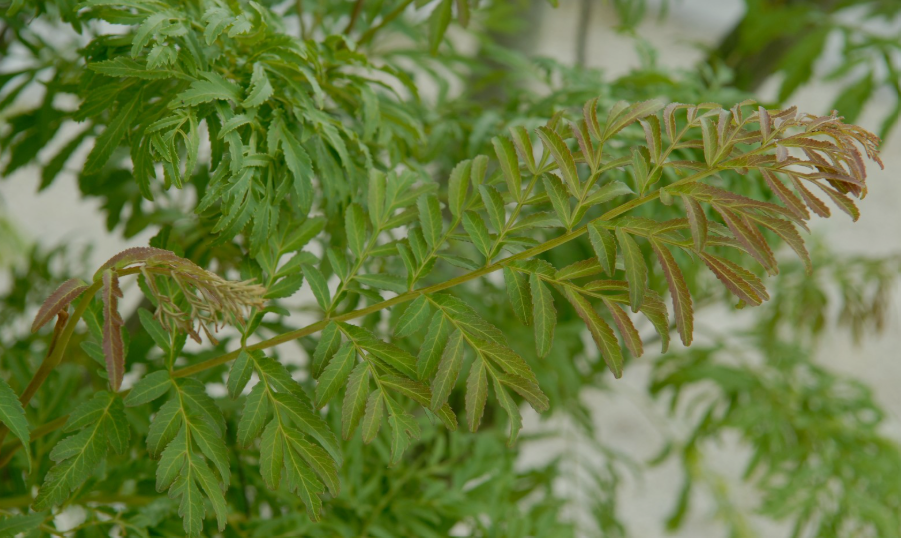
Trees with fern-like leaves are species that have delicate, feathery foliage resembling ferns, giving them a light, airy appearance in the landscape. These leaves are often finely divided or pinnate, meaning they are arranged along a central stem, similar to how fern fronds grow. This type of foliage adds texture, movement, and elegance to gardens and parks.
One well-known group of trees with fern-like leaves includes mimosa (Albizia julibrissin), honey locust (Gleditsia triacanthos), and jacaranda (Jacaranda mimosifolia). These trees feature light, lacy foliage that allows sunlight to filter through, creating dappled shade underneath. The delicate leaves also sway gently in the breeze, adding dynamic movement to the garden.
Many of these trees produce flowers in addition to their ornamental leaves. For example, mimosa trees bloom with fragrant pink flowers, and jacarandas are famous for their vibrant purple blooms. The combination of fern-like foliage and colorful flowers makes them attractive in both urban and residential landscapes.
Trees with fern-like leaves usually prefer well-drained soil and full sun to partial shade. They are often drought-tolerant once established, though young trees may need regular watering. Their lightweight canopy allows for underplanting with shade-tolerant shrubs or groundcovers, creating layered garden designs.
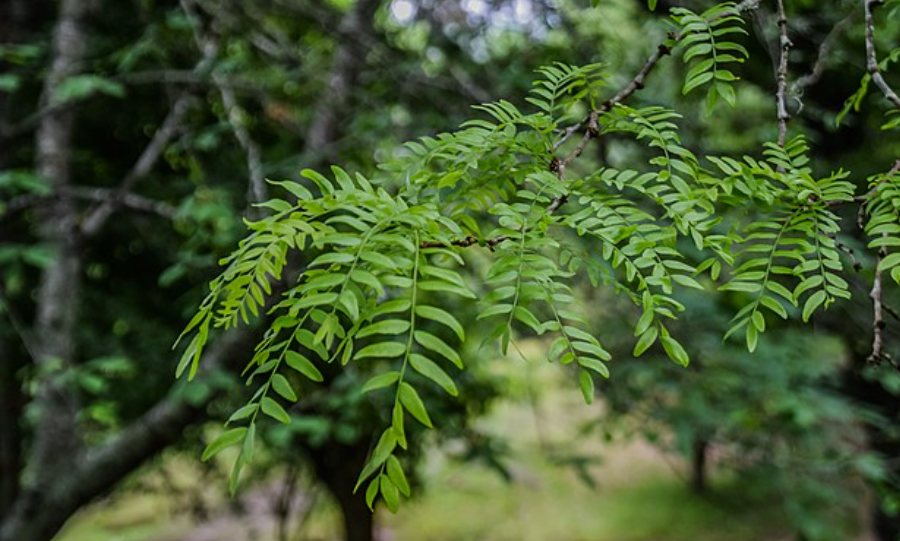
Trees With Fern Like Leaves
Mimosa (Albizia julibrissin)
Mimosa, also known as silk tree, has feathery, fern-like leaves that are finely divided. It produces fragrant pink, fluffy flowers in summer. This tree grows quickly and tolerates heat and poor soils. Its delicate foliage creates a soft, tropical appearance, making it popular in ornamental gardens.
Jacaranda (Jacaranda mimosifolia)
Jacaranda trees have fern-like, bipinnate leaves that provide light, airy shade. They bloom in spring with striking purple flowers. Jacarandas prefer sunny locations and well-drained soil. Their lacy foliage and vibrant blooms make them a favorite for streetscapes and parks.
Honey Locust (Gleditsia triacanthos)
Honey locust features finely divided, pinnate leaves that resemble ferns. The tree provides dappled shade and has an open, airy canopy. It tolerates a wide range of soils and urban conditions. Its small leaflets reduce wind resistance and add texture to landscapes.
Silk Tree (Albizia saman)
Silk trees, or rain trees, produce large, fern-like leaves that fold at night. They are fast-growing and provide extensive shade. Their spreading canopy and feathery foliage make them ideal for tropical and subtropical landscapes. They also produce small pods and fragrant flowers.
Tipu Tree (Tipuana tipu)
Tipu trees have pinnate, fern-like leaves that give them a delicate, tropical look. They bloom with golden-yellow flowers in summer. Tipu trees tolerate heat and drought and are commonly planted as shade or street trees. Their fine-textured leaves complement larger landscape plants.
Royal Poinciana (Delonix regia)
Royal poinciana has finely divided, feathery leaves that resemble ferns. It is famous for its spectacular red-orange flowers in late spring and summer. The tree prefers sunny, tropical climates. Its fern-like foliage provides light shade while adding an exotic look.
False Acacia (Robinia pseudoacacia ‘Frisia’)
False acacia has compound, fern-like leaves with many small leaflets. It is hardy and tolerates various soils. The tree produces fragrant white flowers and provides filtered shade. Its delicate foliage adds softness to both gardens and urban plantings.
Black Locust (Robinia pseudoacacia)
Black locust trees feature pinnate leaves with multiple small leaflets, giving a fern-like appearance. They are fast-growing, hardy, and nitrogen-fixing. They produce fragrant white flowers in spring. Their airy foliage and adaptability make them excellent for ornamental and ecological purposes.
Chinese Flame Tree (Koelreuteria paniculata)
The Chinese flame tree has finely divided, pinnate leaves that resemble ferns. It produces bright yellow flowers followed by decorative seed pods. The tree is hardy and drought-tolerant, making it great for urban landscapes. Its delicate foliage gives a light, airy texture to gardens.
Siberian Pea Tree (Caragana arborescens)
Siberian pea trees feature small, compound, fern-like leaves. They are drought-tolerant and grow well in poor soils. The tree produces yellow flowers in spring and helps improve soil fertility by fixing nitrogen. Its feathery foliage softens the look of larger plantings.
African Sumac (Rhus lancea)
African sumac has pinnate, fern-like leaves with small, lance-shaped leaflets. It tolerates heat, drought, and urban pollution. This evergreen tree produces small clusters of yellow flowers. Its feathery foliage creates an attractive, airy canopy ideal for shade.
Prairie Acacia (Vachellia farnesiana)
Prairie acacia is a small tree with delicate, finely divided leaves resembling ferns. It produces fragrant yellow flowers and is extremely drought-tolerant. Its feathery foliage provides light shade and a soft texture, making it ideal for xeriscaping.
African Tulip Tree (Spathodea campanulata)
African tulip trees have compound, fern-like leaves and striking orange-red flowers. They thrive in tropical climates and tolerate poor soils. Their lacy foliage and vibrant blooms make them a dramatic ornamental choice.
Golden Rain Tree (Koelreuteria bipinnata)
Golden rain trees feature finely divided, fern-like leaves and produce yellow flowers in summer. They are hardy, drought-tolerant, and suitable for streets and parks. Their delicate foliage creates a soft, tropical effect in temperate gardens.
Sissoo Tree (Dalbergia sissoo)
The sissoo tree has compound, fern-like leaves that give it a light, airy canopy. It grows quickly in tropical and subtropical climates. The tree is drought-tolerant and provides filtered shade, making it popular in parks and along roadsides.
Silk Oak (Grevillea robusta)
Silk oak has delicate, fern-like, pinnate leaves and produces striking orange-yellow flowers. It is fast-growing and thrives in warm climates. Its lacy foliage creates filtered shade and a soft texture in gardens. This tree is popular for ornamental and street planting.
Carob Tree (Ceratonia siliqua)
Carob trees feature compound, pinnate, fern-like leaves with a tropical appearance. They are drought-tolerant and thrive in sunny, dry conditions. Carob produces edible pods and provides light shade. Its fine-textured foliage adds a graceful look to landscapes.
Poinciana (Delonix regia ‘Flame Tree’)
The poinciana, also called the flame tree, has feathery, fern-like leaves that provide light shade. It produces vibrant red-orange flowers in summer. The tree prefers tropical to subtropical climates and well-drained soil. Its airy foliage and bright blooms make it a showy ornamental.
Japanese Pagoda Tree (Sophora japonica)
Japanese pagoda trees have pinnate, fern-like leaves and produce white flowers in late summer. They tolerate urban conditions and poor soils. Their delicate foliage provides filtered shade and soft texture in parks and streetscapes.
Red Tip Photinia (Photinia x fraseri)
While mainly a shrub, when trained as a small tree, red tip photinia exhibits fern-like pinnate leaves on new growth. It is hardy and tolerates a range of soils. Its reddish young leaves contrast with mature green foliage. The delicate leaflets create a soft, textured appearance.
Blackwood Acacia (Acacia melanoxylon)
Blackwood acacia has pinnate, fern-like leaves and is a fast-growing evergreen tree. It thrives in warm climates and well-drained soils. Its feathery foliage provides filtered shade and adds an elegant, airy look to landscapes. The tree also produces small, fragrant yellow flowers.