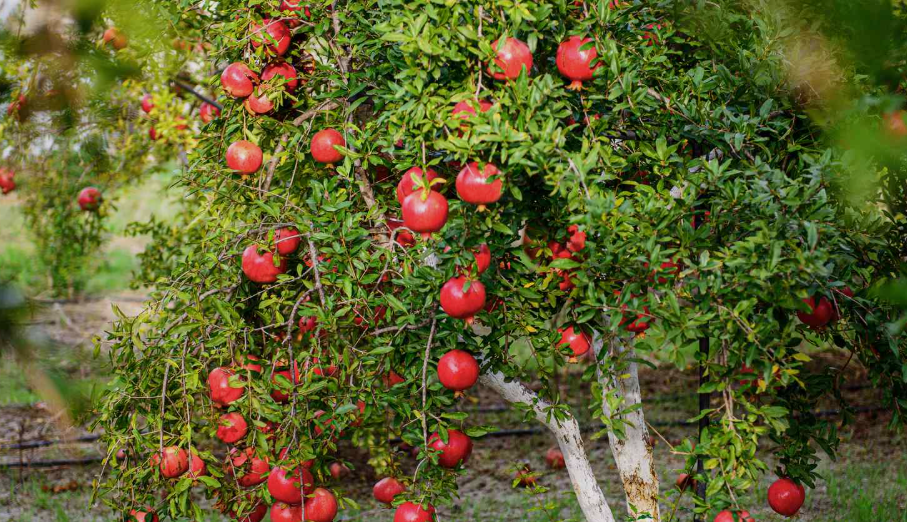
Trees that grow in rocky environments are specially adapted to survive in poor, shallow, and well-drained soils where many other plants cannot thrive. Their roots can anchor into cracks and crevices, allowing them to stabilize themselves on slopes, cliffs, and rugged terrain. These trees are often hardy and resilient, making them ideal for challenging landscapes.
A key characteristic of trees that thrive in rocky areas is their ability to tolerate drought and limited nutrients. Rocky soils often drain quickly and retain little organic matter, so these trees have developed deep or spreading root systems that efficiently capture water and nutrients from the soil.
These trees are commonly found in mountainous regions, rocky hillsides, and dry scrublands, where soil is sparse and conditions can be harsh. They help prevent soil erosion by holding loose rocks and soil in place, protecting the environment while adding greenery to otherwise barren landscapes.
Many rocky-environment trees have slow but steady growth, which contributes to their survival in tough conditions. Their hardy nature often means they are resistant to pests, diseases, and extreme weather, making them low-maintenance choices for gardeners and landscapers in rocky areas.
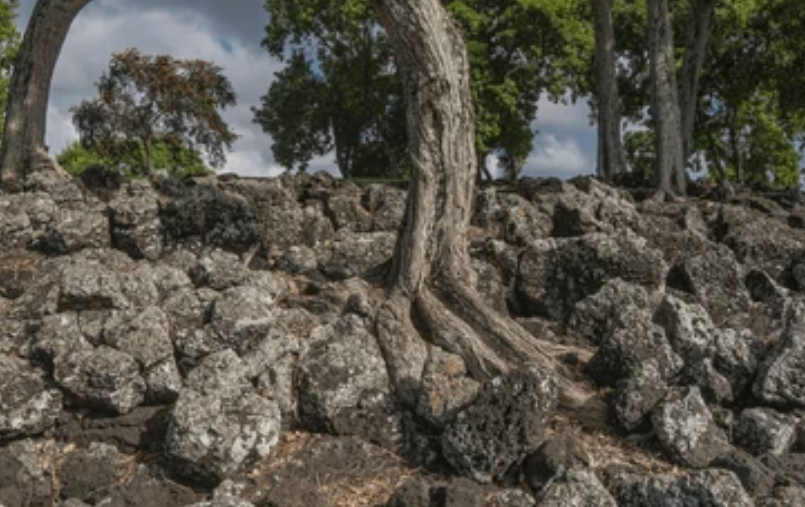
Trees That Grow In Rocky Environment
Juniper (Juniperus species)
Juniper trees are extremely hardy and can thrive in rocky, well-drained soils where many other trees struggle. Their roots can penetrate cracks in rocks to find moisture, making them ideal for hillsides and mountainous areas. Junipers are drought-tolerant and often used in erosion control.
Pine (Pinus species)
Many pine species are well adapted to rocky soils, developing deep taproots that anchor them securely while accessing water from beneath the surface. Pines are resilient, fast-growing, and capable of thriving in nutrient-poor, rocky environments, making them common in mountainous regions.
Oak (Quercus species)
Certain oak species can grow in rocky terrain, using their strong, deep roots to anchor in crevices and reach underground water. These trees are long-lived and sturdy, tolerating challenging soil conditions while providing shade and supporting local ecosystems.
Olive (Olea europaea)
Olive trees are well-suited to rocky, well-drained soils, often thriving in harsh Mediterranean environments. Their deep roots can reach moisture stored beneath rocks, and they are highly drought-tolerant. Olive trees can live for decades even in challenging rocky terrain.
Juniperberry (Juniperus communis)
Juniperberry trees are small, hardy trees or shrubs that grow well in rocky and sandy soils. They have extensive root systems that penetrate rocky layers to access water. These trees are often used for landscaping in rocky areas due to their resilience and low maintenance needs.
Arbutus (Arbutus menziesii)
Also known as the madrone tree, arbutus grows naturally in rocky, well-drained soils along coastal and mountainous areas. Its roots anchor into rocky terrain, and it is drought-tolerant. The tree produces distinctive red bark and glossy leaves, adding beauty to rugged landscapes.
Manzanita (Arctostaphylos species)
Manzanita trees thrive in rocky, nutrient-poor soils, particularly in dry, hilly environments. Their deep roots allow them to access water trapped in crevices, and their evergreen leaves make them highly resilient to harsh conditions. They also have attractive bark and twisted branches.
Crabapple (Malus species)
Some crabapple trees can adapt to rocky soils, particularly those with good drainage. Their roots can navigate uneven terrain to find water and nutrients. While smaller than other trees, crabapples bring color through blossoms and small fruit, making them suitable for rugged landscapes.
Cedar (Cedrus species)
Cedar trees are well-adapted to rocky soils, often thriving on hillsides and mountainous areas. Their deep, strong roots anchor them firmly in uneven terrain while accessing water from deep underground. Cedars are long-lived, resilient, and can tolerate harsh soil conditions.
Hawthorn (Crataegus species)
Hawthorn trees are hardy and can grow in rocky, shallow soils where other trees struggle. Their roots penetrate cracks and crevices to reach moisture and nutrients. In addition to their adaptability, hawthorns produce attractive flowers and small fruits that support wildlife.
Serviceberry (Amelanchier species)
Serviceberry trees are ideal for rocky environments because of their adaptable root systems. They can grow in shallow, well-drained soils and withstand drought conditions. These trees also provide ornamental value with spring flowers and edible berries.
Mountain Ash (Sorbus species)
Mountain ash thrives in rocky, poor soils, often found in upland and mountainous areas. Its roots penetrate crevices in rocky terrain, allowing access to water and nutrients. The tree is admired for its clusters of bright berries and attractive foliage.
Sweetgum (Liquidambar styraciflua)
Sweetgum trees can adapt to rocky soils if drainage is good. Their roots spread deeply and widely, giving the tree stability in uneven terrain. Sweetgums are valued for their star-shaped leaves that turn vibrant colors in autumn.
Pinyon Pine (Pinus edulis)
Pinyon pine grows naturally in rocky, arid environments and poor soils. Its deep root system allows it to access scarce water resources, making it extremely drought-tolerant. The tree produces edible pine nuts and is a vital species in desert ecosystems.
Ironwood (Ostrya virginiana)
Ironwood trees are extremely hardy and can grow in rocky, shallow soils. Their roots are strong and able to anchor the tree in challenging terrain. Ironwood is slow-growing but highly resilient, producing durable wood and providing ecological benefits.
Buckeye (Aesculus species)
Certain buckeye species can thrive in rocky soils with good drainage. Their roots seek out pockets of moisture within rocky layers, allowing them to survive in uneven terrain. Buckeyes are appreciated for their large, showy flowers and shade-providing canopy.