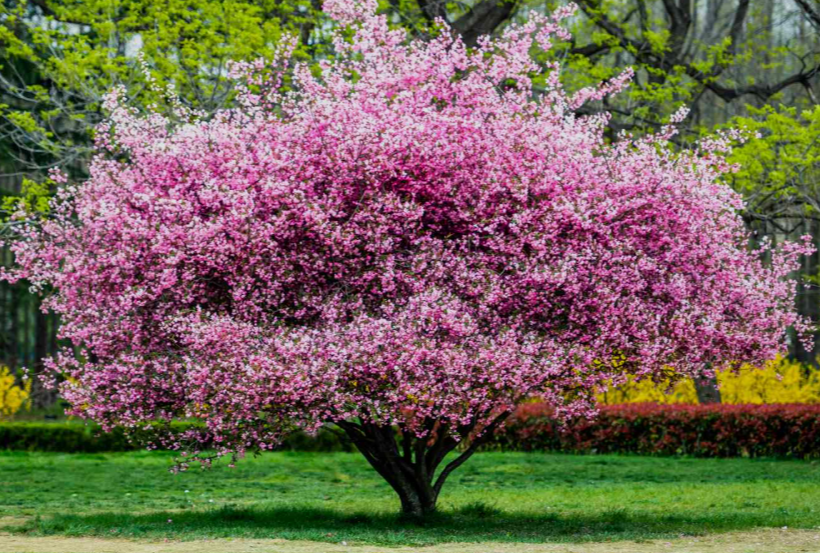
Blooming in trees is a key stage in their life cycle, marking the production of flowers that will eventually lead to seeds or fruit. This process is influenced by seasonal changes, with most trees blooming in spring or early summer when temperatures rise and daylight increases. Flowering signals that the tree is healthy and ready to reproduce.
The timing and duration of blooms can vary greatly between species. Some trees produce short, intense displays of color that last only a few days, while others may bloom gradually over weeks. Environmental factors such as sunlight, soil quality, and water availability also affect how abundant and vibrant the flowers appear.
Blooming attracts pollinators like bees, butterflies, and birds, which are essential for fertilization. The flowers’ colors, shapes, and scents are often adapted to appeal to specific pollinators, ensuring successful reproduction. This interaction also supports local ecosystems by providing food for insects and animals.
The flowers of trees are not only functional but also contribute to the beauty of natural and urban landscapes. Blossoms can create striking visual displays and fragrant atmospheres, making them a favorite feature in gardens, parks, and streetscapes. They are often associated with seasonal events and cultural celebrations around the world.
Proper care helps trees bloom consistently and healthily.
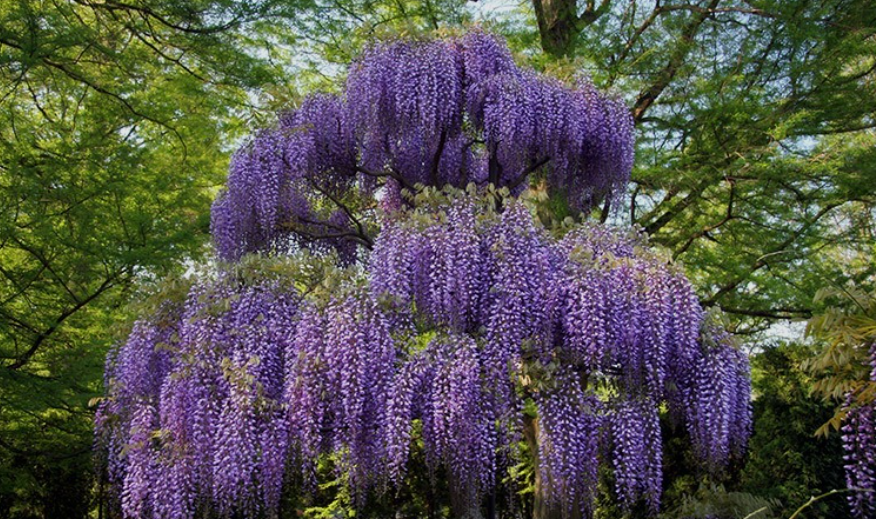
Flowering Trees That Bloom Year-Round
Copper Pod (Peltophorum pterocarpum)
Copper pod produces clusters of bright yellow flowers nearly year-round in equatorial tropical climates, with continuous blooming cycles throughout the year. This fast-growing shade tree reaches 40-60 feet tall with spreading canopy and ferny foliage that provides dappled shade.
Copper pod blooms most heavily during dry seasons but maintains some flowering throughout the year in tropical regions, and the rusty-brown seed pods add additional ornamental interest.
Queen’s Crape Myrtle (Lagerstroemia speciosa)
Queen’s crape myrtle produces large clusters of pink, purple, or white flowers with some tropical specimens blooming multiple times yearly or nearly continuously.
This magnificent tree reaches 50-80 feet tall and in equatorial regions can maintain almost continuous flowering with brief rest periods between bloom cycles. The spectacular flower clusters, attractive bark, and potential for year-round blooming make it highly valued in tropical landscapes.
Pink Tecoma (Tabebuia rosea)
Pink tecoma produces spectacular displays of pink trumpet-shaped flowers, and in equatorial tropical climates, some specimens bloom multiple times per year or nearly continuously.
This deciduous to semi-evergreen tree reaches 50-80 feet tall and while typically blooming once annually in subtropical areas, equatorial specimens may flower two to four times yearly. The spectacular pink flower displays create stunning canopies whenever blooming occurs throughout the year.
African Tulip Tree (Spathodea campanulata)
African tulip tree produces brilliant red-orange tulip-shaped flowers continuously throughout the year in equatorial tropical climates.
This fast-growing evergreen tree reaches 40-80 feet tall and maintains constant flowering in warm tropical regions with flowers appearing year-round. The spectacular red-orange blooms attract hummingbirds and sunbirds while creating continuous color in the canopy with minimal rest periods.
Shower Tree (Cassia fistula)
Shower tree produces cascading clusters of golden yellow flowers, and while most specimens bloom seasonally, some equatorial trees flower multiple times yearly.
This deciduous tree reaches 30-40 feet tall with pendulous flower clusters up to 2 feet long creating spectacular displays. In regions very close to the equator, individual shower trees may bloom almost continuously with overlapping flowering cycles throughout the year.
Temple Tree (Plumeria rubra)
Temple tree produces intensely fragrant flowers in various colors and some tropical specimens bloom nearly year-round with only brief rest periods.
This small tree reaches 15-25 feet tall and while typically blooming spring through fall, equatorial specimens may flower almost continuously. The heavenly fragrance and exotic five-petaled flowers make plumeria highly desirable despite brief dormancy periods in cooler subtropical climates.
Pride of India (Lagerstroemia speciosa)
Pride of India produces large pyramidal clusters of pink to purple flowers with some tropical specimens maintaining nearly continuous blooming.
This large tree reaches 50-80 feet tall and in the most favorable equatorial locations can bloom multiple times yearly or maintain sporadic flowering throughout the year. The spectacular flower clusters and attractive exfoliating bark create year-round interest.
Cochlospermum (Buttercup Tree)
Cochlospermum produces brilliant yellow flowers, and while typically seasonal bloomers, some equatorial specimens flower multiple times annually.
This deciduous tree reaches 20-30 feet tall with spectacular yellow blooms appearing on bare branches, and in tropical regions near the equator may bloom two to three times yearly. The brilliant yellow flowers create stunning displays whenever blooming occurs throughout the year.
Albizia (Silk Tree)
Albizia produces fluffy pink or white flowers with some tropical species blooming nearly year-round in equatorial climates.
These fast-growing trees reach 20-40 feet tall and certain species maintain almost continuous flowering in warm tropical regions. The delicate, fragrant flowers and ferny foliage create constant interest in tropical landscapes.
Cordia sebestena (Geiger Tree)
Geiger tree produces clusters of brilliant orange flowers continuously throughout the year in tropical coastal regions. This small tree reaches 25-30 feet tall and blooms almost constantly in frost-free tropical climates, particularly following rainfall.
The vibrant orange flowers attract butterflies and hummingbirds while providing year-round color with very brief rest periods between bloom cycles.
Erythrina (Coral Tree)
Erythrina produces spectacular spikes of red, orange, or coral flowers with some tropical species blooming multiple times yearly or nearly continuously.
These deciduous to semi-evergreen trees reach 30-60 feet tall and certain species in equatorial regions flower two to three times annually. The brilliant flower spikes attract hummingbirds and create dramatic displays whenever blooming occurs throughout the year.
Peltophorum (Yellow Poinciana)
Yellow poinciana produces bright yellow flower clusters and in equatorial tropical climates can bloom almost continuously throughout the year.
This fast-growing tree reaches 40-50 feet tall with ferny foliage and maintains near-constant flowering in the warmest tropical regions. The golden yellow blooms and attractive foliage create continuous interest in tropical landscapes.
Spathodea (Fountain Tree)
Fountain tree produces brilliant red-orange tulip-shaped flowers year-round in equatorial tropical climates with truly continuous blooming.
This evergreen tree reaches 40-70 feet tall and maintains constant flowering throughout the year in warm tropical regions. The spectacular flowers emerge continuously from tulip-shaped buds that children squeeze to squirt water, hence the common name.
Tabebuia chrysotricha (Golden Trumpet Tree)
Golden trumpet tree produces masses of golden yellow flowers, and while typically seasonal, equatorial specimens may bloom multiple times yearly.
This semi-deciduous tree reaches 25-35 feet tall and in favorable tropical locations can flower two to three times annually. The spectacular golden blooms create stunning displays whenever flowering occurs throughout the year.
Delonix regia (Royal Poinciana)
Royal poinciana produces spectacular scarlet-orange flowers, and while most bloom once annually, equatorial specimens may flower multiple times yearly.
This spreading deciduous tree reaches 30-40 feet tall and wide, and in regions very close to the equator may bloom two to three times annually. The flamboyant flowers create breathtaking displays whenever blooming occurs, earning it the name “flamboyant tree.”
Parkia (African Locust Bean)
Parkia produces unusual red pom-pom flowers on hanging stalks with some species blooming nearly year-round in equatorial Africa. This large tree reaches 50-70 feet tall and certain species maintain sporadic flowering throughout the year in tropical climates. The distinctive hanging flower clusters and edible seed pods provide continuous interest.
Markhamia (Bell Bean Tree)
Markhamia produces yellow trumpet-shaped flowers nearly year-round in equatorial tropical climates of Africa. This evergreen tree reaches 30-50 feet tall and maintains almost continuous flowering in warm tropical regions.
The bright yellow flowers and attractive foliage create constant color in tropical African landscapes.
Kigelia (Sausage Tree)
Kigelia produces unusual maroon flowers that bloom at night, with some equatorial specimens flowering sporadically throughout the year.
This distinctive tree reaches 30-50 feet tall and while blooming is often seasonal, some trees in equatorial Africa maintain sporadic flowering year-round. The spectacular sausage-like fruits add additional ornamental interest throughout the year.
Gliricidia sepium (Madre de Cacao)
Madre de cacao produces pink to lilac pea-like flowers with some Central American specimens blooming multiple times yearly. This nitrogen-fixing tree reaches 30-40 feet tall and in equatorial regions may flower two to three times annually. The attractive flowers and valuable nitrogen-fixing properties make it useful in tropical agroforestry systems.
Oroxylum (Midnight Horror)
Midnight horror produces large purple-brown flowers that open at night, with some equatorial specimens flowering sporadically throughout the year.
This unusual tree reaches 30-40 feet tall and maintains sporadic flowering in tropical Southeast Asian climates. The spectacular bat-pollinated flowers and sword-like seed pods create year-round interest.
Saraca (Asoka Tree)
Asoka tree produces fragrant clusters of orange-yellow flowers aging to red, with some equatorial specimens blooming nearly year-round.
This small to medium tree reaches 20-30 feet tall and certain individuals in tropical India and Southeast Asia maintain almost continuous flowering. The fragrant flowers have religious significance in Hindu and Buddhist traditions.
Calliandra (Powder Puff Tree)
Powder puff tree produces spectacular red pom-pom flowers with some species blooming nearly year-round in tropical climates.
These small trees reach 15-20 feet tall and certain species maintain almost continuous flowering in warm regions. The dramatic red powder-puff flowers attract hummingbirds and create constant color.
Inga (Ice Cream Bean)
Ice cream bean produces white powder-puff flowers with some species blooming sporadically throughout the year in equatorial regions.
This nitrogen-fixing tree reaches 30-50 feet tall and maintains sporadic flowering in tropical climates while producing edible sweet seed pods. The continuous flowering and fruiting provide year-round interest and food.
Cassia javanica (Apple Blossom Tree)
Apple blossom tree produces pink and white flowers and some equatorial specimens bloom multiple times yearly or nearly continuously. This semi-deciduous tree reaches 40-60 feet tall and in favorable tropical locations may flower two to three times annually.
The spectacular bicolored flowers create stunning displays whenever blooming occurs.
Butea monosperma (Flame of the Forest)
Flame of the forest produces spectacular orange-red flowers, and while typically seasonal, some equatorial specimens bloom multiple times yearly.
This deciduous tree reaches 40-50 feet tall and in certain tropical locations may flower twice annually. The brilliant orange-red blooms create unforgettable displays whenever flowering occurs throughout the year.
Adenanthera (Red Sandalwood)
Red sandalwood produces small yellow flowers with some tropical specimens blooming sporadically throughout the year.
This medium tree reaches 30-40 feet tall and maintains sporadic flowering in equatorial regions. The attractive seeds and potential for year-round sporadic blooming add continuous interest.
Haematoxylum (Logwood)
Logwood produces fragrant yellow flowers with some Caribbean specimens blooming sporadically throughout the year.
This small tree reaches 20-30 feet tall and certain individuals maintain sporadic flowering in tropical climates. The fragrant flowers and valuable dyewood properties make it historically and horticulturally significant.